

Digital Transformation in Manufacturing
Ushered into the mainstream just over a decade ago, 3D printing (i.e., additive manufacturing) continues to change the way design is regarded and valued. Together with digital technology, this is yielding valuable tools to create new design possibilities. Today, if we can imagine it, we can design and make it essentially in real time.
Research within this area includes multiple aspects of the digital transformation that enable new integrated approaches for adaptive design, manufacturing and sustainable solutions. Principal investigators have actively solicited strategies for “Designing at the Speed of Thought” as they seek to develop products and systems that improve user experience and benefit our society and economy. Reflecting synergies with other MPP research areas, projects have involved the design and manufacture of sustainable solutions related to land and ocean use, algae blooms, topsoil erosion, and agriculture.
Funded Projects
Calls: 2024 Call for Seed Grant Proposals
Research Areas: Digital Transformation in Manufacturing
Updates & ImpactAbstract
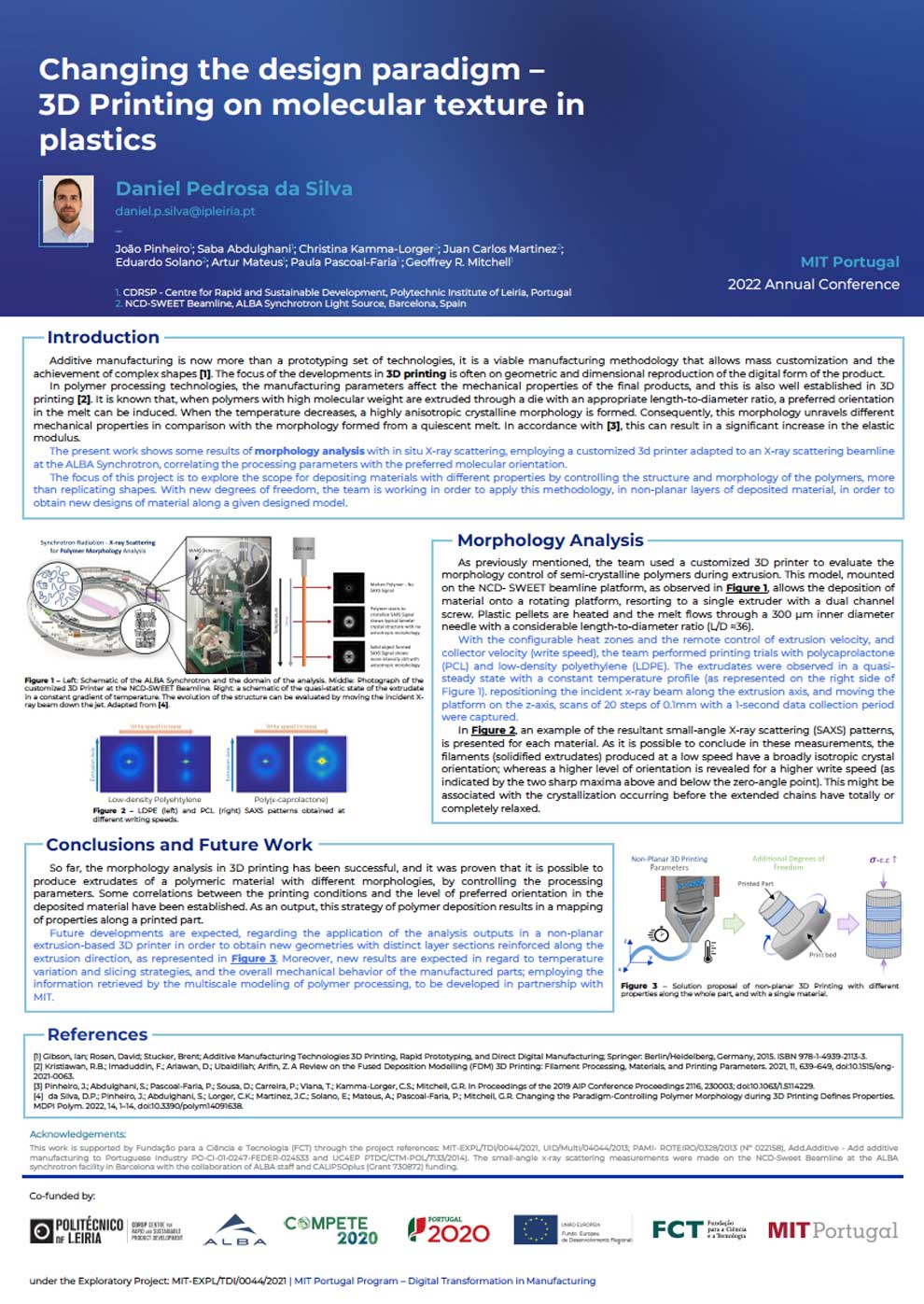
Additive manufacturing is a process for fabricating 3D parts from a digital model. For polymers, complex parts are fabricated by Fused Deposition Modeling based on a digital specification of the desired form. However, the material properties are not well-controlled. Semicrystalline polymers are thus particularly difficult to process. To fabricate useful products, it is necessary to understand how the rheology and crystallization kinetics depend on molecular structure and are coupled during processing. In collaboration with experimental efforts of the INOV-AM and Bioshoes4ALL programs to characterize the evolution of semicrystalline morphology in situ, we will develop a state-of-the-art multiscale model that describes the coupling of the polymer rheology to flow-induced crystallization along the print road and predicts the development of semicrystalline morphology as a function of material and process parameters. Use of the model will enable better control of material properties and facilitate the development of new feedstocks and model-based control systems.
MIT PI
Gregory C Rutledge, Professor, Department of Chemical EngineeringPT PIs
INOV-AM
Prof. Pedro. Martinho, Professor of Engineering, School of Technology and Management, member of CDRSP, Polytechnic Institute of LeiriaBioshoes4All
Prof. Joao Matias, Adjunct Professor of Engineering, School of Technology and Management, member of CDRSP, Polytechnic Institute of Leiria
Prof. Geoffrey R. Mitchell, Researcher, Centre for Rapid and Sustainable Product Development, Polytechnic Institute of Leiria (CDRSP-IPLEIRIA)
Prof. Paula Pascoal-Faria, Professor of Mathematics, School of Technology and Management, member of CDRSP, Polytechnic Institute of LeiriaThis project is extended
2024-2025 Seed Project Report (544.51 KB)Calls: 2026 Call for Joint Integrated and Seed Grant Proposals
Research Areas: Digital Transformation in Manufacturing
Abstract
This project investigates the integration of computational 3D knitting and EBAM to develop novel lightweight architectural metamaterial systems for sustainable construction. Producing materially efficient horizontal building system (i.e., floorslabs) with current large-scale EBAM approaches remains constrained by geometric limitations and integration of structural reinforcement. The research combines MIT’s expertise in computational 3D knitting, streamlined fabrication pipelines, and material-informed design methodologies with the University of Minho’s expertise in robotic fabrication, 3D concrete printing, hybrid manufacturing, and computational design-to-fabrication workflows. Herein, we propose the development of a hybrid textile–mineral fabrication systems where knitted reinforcement and textile membranes act as active components within EBAM workflows enabling adaptive, materially-differentiated, low-carbon construction systems [1,2]. Through iterative multi-scale prototyping and lifecycle-informed evaluation, we will develop new hybrid fabrication methodologies, computational workflows, and proof-of-concept (PoC) demonstrators to advance circular , lightweight, and resource-efficient architectural scale production.
MIT PI
Mariana Popescu, Professor, Department of ArchitecturePT PI
Bruno Figueiredo, Associate Professor , Landscapes Heritage and Territory Laboratory, School of Architecture, Art and Design, University of MinhoAdditional collaborators
Mich Lin, Ph.D. Candidate, Department of Aeronautics & Astronautics, MIT
Paulo J.S. Cruz, Full Professor, Landscapes Heritage and Territory Laboratory, School of Architecture, Art and Design, University of Minho
Filipe Brandão, Assistant Researcher , Landscapes Heritage and Territory Laboratory, School of Architecture, Art and Design, University of MinhoCalls: 2026 Call for Joint Integrated and Seed Grant Proposals
Research Areas: Digital Transformation in Manufacturing
Abstract
Modern aircraft sustainment, a major Portuguese industry with national aeronautics MRO turnover estimated above €500M annually, faces growing challenges in repairing high-value metallic aerostructures. Conventional repairs, including mechanically fastened or bonded patches, can increase structural weight, extend downtime, and raise lifecycle operating costs. Friction stir deposition (FSD) offers a promising alternative by rebuilding damaged material locally with low heat input and reduced distortion. However, unlocking FSD as an aviation repair technology requires predictive, geometryaware methods for co-optimizing process parameters and toolpaths. To this end, this project will develop a physics-informed AI framework for FSD repair of curved aluminum aerostructure elements. By combining 3D surface characterization, process physics, and generative toolpath optimization, the work will create repair strategies that improve thermal control, deposition quality, and fatigue performance. These results will lay the foundation for AI-driven, certifiable aerospace repair by linking repair planning, process physics, and structural performance in a traceable framework.
MIT PI
Zachary Cordero, Professor, Department of Aeronautics and AstronauticsPT PI
Eduardo A. S. Marques, Associate Professor of Mechanical Engineering,
University of Porto, INEGI - Instituto de Ciência e Inovação em Engenharia Mecânica e Engenharia IndustrialCalls: 2026 Call for Joint Integrated and Seed Grant Proposals
Research Areas: Digital Transformation in Manufacturing
Abstract
Building on a recently demonstrated photopatterned thiol-ene-epoxy resin capable of over three orders of magnitude variation in stiffness from a single precursor formulation, GradJoint will establish design rules for two-dimensional gradient adhesive architectures that maximize joint strength and stretchability between disparate substrates (glass, polycarbonate, acrylic, silicone, polyurethane). The collaboration uniquely couples MIT's expertise in photochemistry and multimaterial manufacturing with INEGI's three-decade track record in structural adhesive joints and a newly developed micro-scale simulator that connects adhesive flow, cure kinetics and interfacial mechanics to create a unified computational experimental workflow. The project will quantify adhesion across disparate substrates, develop predictive models linking photopatterned modulus fields to stress redistribution and joint performance, and experimentally validate optimized gradient architectures in a wearable electronics demonstrator. The resulting open design framework will enable digitally programmable adhesive interfaces tailored to arbitrary material pairings and device geometries.
MIT PI
T. j. Wallin, Professor, Department of Materials Science and EngineeringPT PI
Lucas F. M. da Silva, Full Professor, Department of Mechanical Engineering, Faculty of Engineering of University of PortoCalls: 2023 Call for Seed Grant Proposals
Research Areas: Digital Transformation in Manufacturing
Updates & ImpactAbstract
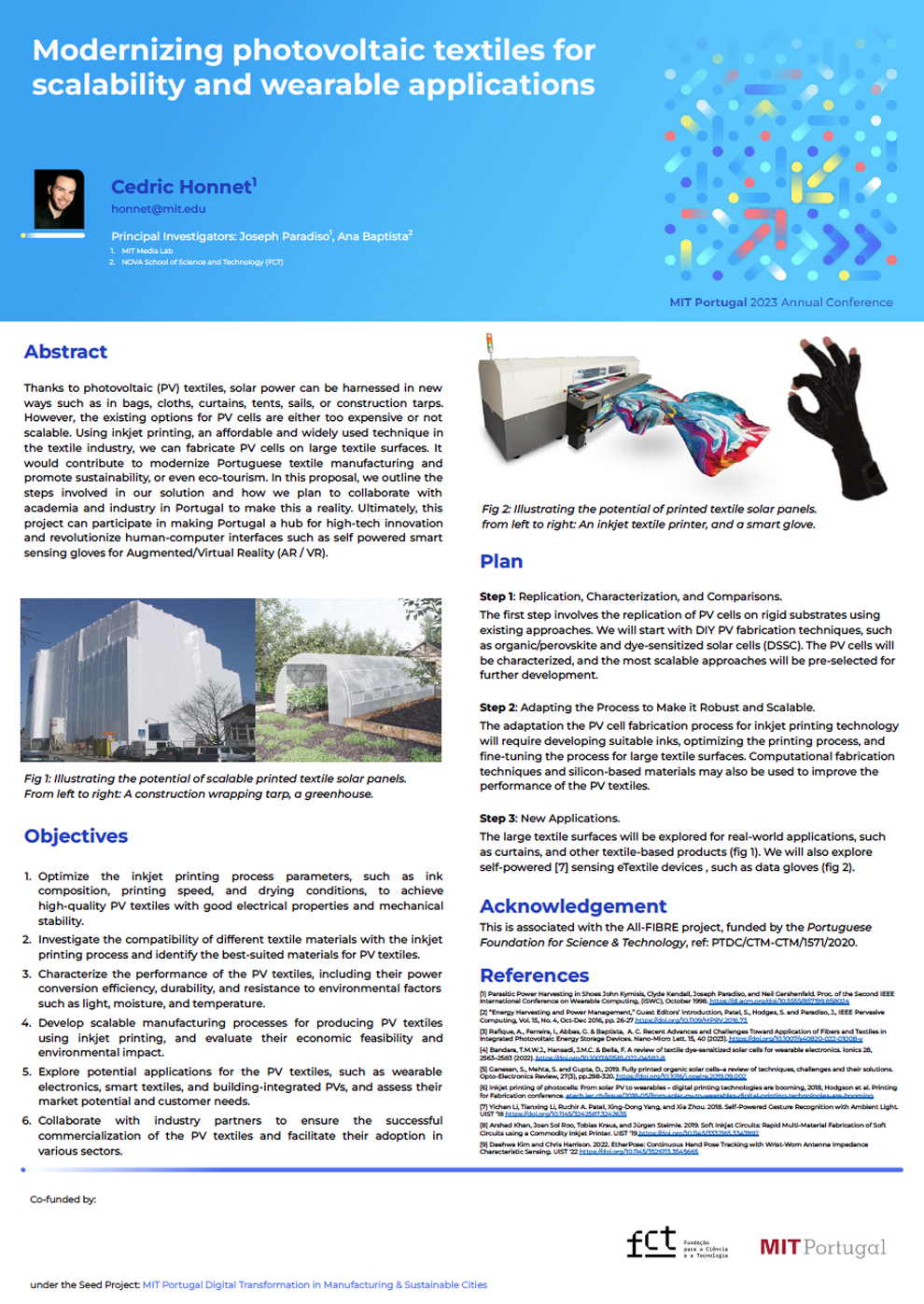
Thanks to photovoltaic (PV) textiles, solar power can be harnessed in new ways such as in bags, cloths,
curtains, tents, sails, or construction tarps. However, the existing options for PV cells are either too expensive
or not scalable. Using inkjet printing, an affordable and widely used technique in the textile industry, we can fabricate PV cells on large textile surfaces. It would contribute to modernize Portuguese textile manufacturing and promote sustainability, or even eco-tourism. In this proposal, we outline the steps involved in our solution and how we plan to collaborate with academia and industry in Portugal to make this a reality. Ultimately, this project can participate in making Portugal a hub for high-tech innovation and revolutionize human-computer interfaces such as self powered smart sensing gloves for Augmented/Virtual Reality (AR / VR).MIT PIs
Joseph Paradiso, Professor,Program in Media Arts and SciencesPT PIs
Ana Baptista, FCT NOVA2023 - 2024 Seed Project Report.pdf (14.12 MB)Calls: 2023 Call for Seed Grant Proposals
Research Areas: Digital Transformation in Manufacturing
Abstract
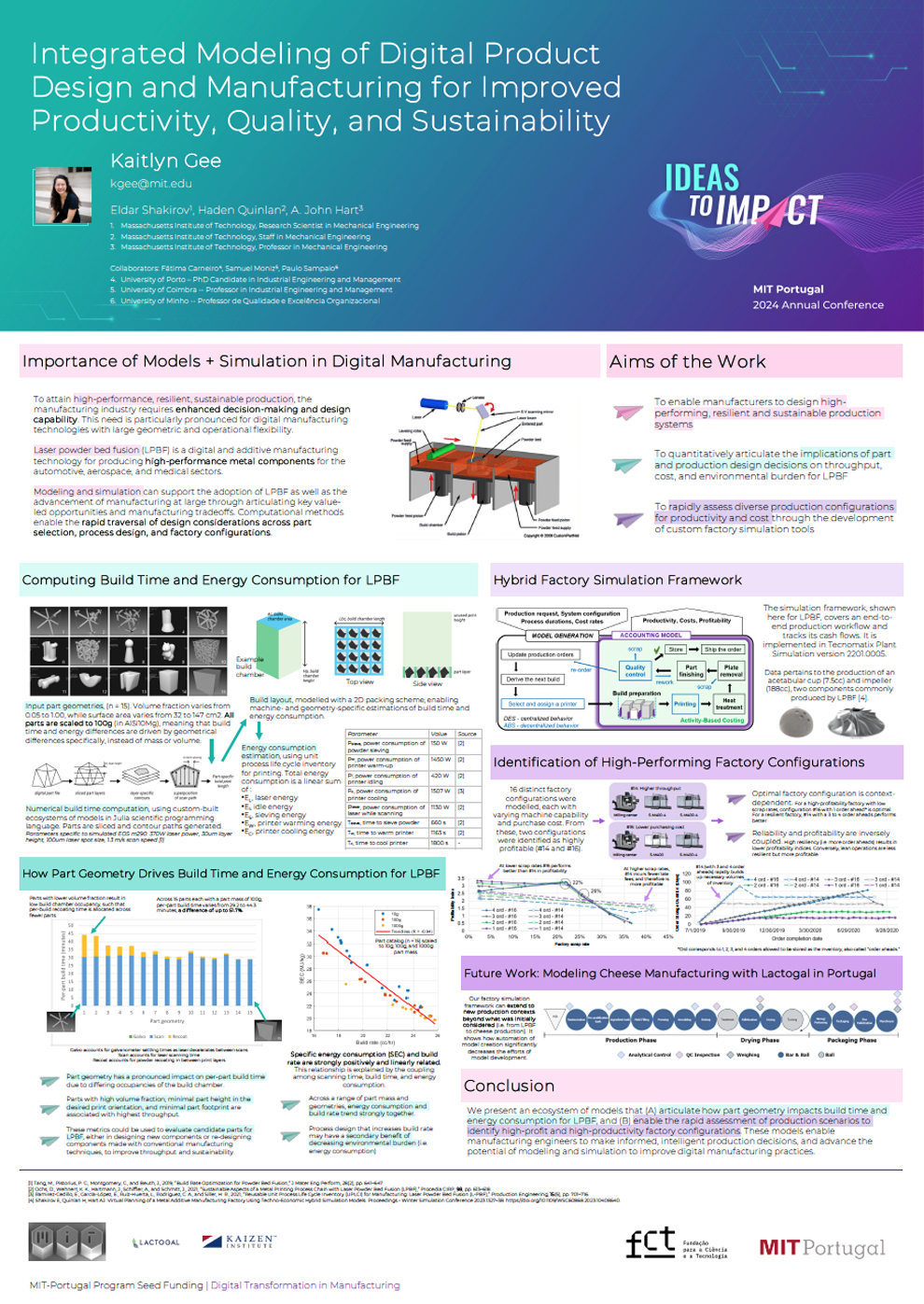
Designing factories that efficiently deploy digitally controlled equipment such as robotics and 3D printing is essential to making manufacturing more efficient, sustainable, and locally-oriented. However, current design tools are not accessible to small and medium-sized manufacturers (SMMs) – which comprise over 95% of the supply chain in most developed nations such as the U.S. and Portugal – and therefore many manufacturers lack the ability to make data-driven decisions to invest in automation.. The goal of this project is to create a more capable and affordable factory simulation approach, integrating automated generation of simulation models with machine learning methods for generative design of factories, and so enable more resilient, distributed production networks. To properly incorporate principles of quality management, both at the factory and supply chain levels, we will collaborate with colleagues from U. Minho. We plan to apply this tool with companies in Portugal, as well as in Massachusetts, and share the outcomes across the collaboration. The results will help guide manufacturers to make investments in advanced equipment that improves productivity and reduce their carbon footprint, and the tool will be further extensible to simulate highly distributed production systems within future cities or even in space.
MIT PIs
John Hart, Professor,Department of Mechanical EngineeringPT PIs
Paulo Sampaio, Professor de Qualidade e Excelência Organizacional, University of Minho
Bárbara Rangel Carvalho, Assistant Professor, University of PortoThis grant is renewed until August 31, 2026
Calls: 2023 Call for Seed Grant Proposals
Research Areas: Digital Transformation in Manufacturing
Abstract
Predictive models of solidification require atomic-scale resolution of the material structure and chemistry. It is surprising then that none of the methodologies for computer-aided engineering employed in industry account for the underlying atomistic nature of the solidification process. Here we propose to develop a rigorous approach to integrate this atomic-scale information into practical solidification models that can be used for additive manufacturing and welding-related applications. Our goal is to elevate the predictive capabilities of these models such that the time-consuming process of experimental trial and error employed in the development of new metallic alloys can be greatly reduced.
MIT PIs
Rodrigo Freitas, Assistant Professor,Department of Materials Science and EngineeringPT PIs
João Pedro Oliveira, Assistant Professor Department of Materials Science Faculdade de Ciências e Tecnologia Universidade NOVA de Lisboa, PortugalCalls: 2023 Call for Seed Grant Proposals
Research Areas: Digital Transformation in Manufacturing
Abstract
Hart’s research supported by the MIT-Portugal Program focuses on new computational tools and experimental techniques to explore the coupled design-material-economic capabilities of additive manufacturing (AM). In the past two years, his team has developed a physics-based throughput and cost modeling framework for AM, with application to laser-based techniques used widely in industry. Also, the team has invented a high-throughput workflow to predict the mechanical properties and processability of aluminum alloys for use in laser-based AM, and has demonstrated a new alloy composition that leverages metastable phases to retain superior strength than established aluminum alloys. In addition to these topics, the team has formed collaborations with researchers in Portugal focused on quality management in digital manufacturing, applications of AM to architecture and construction, and high-speed extrusion AM of polymer materials.
MIT PIs
John Hart, Professor, Department of Mechanical EngineeringPT PIs
Paulo Sampaio, Professor from University of MinhoCalls: 2024 @PT Call for Exploratory Proposals
Research Areas: Digital Transformation in Manufacturing
Abstract
Numerical modeling and simulation tools are indispensable in the design, manufacturing and life-cycle management of modern mechanical systems. These tools enable the evaluation of various physical phenomena, such as structural, thermal, fluid, and electromagnetic effects, by solving domain specific differential equations. However, accurately capturing real-world behavior remains a significant challenge due to factors such as material property variability, geometric deviations introduced during manufacturing, and other uncertainties that often require extensive experimental validation or significant amount of operational data. Furthermore, the integration of manufacturing and assembly processes data into product digital twins is limited, necessitating labor-intensive testing to calibrate numerical models and ensure their reliability.
This project explores and evaluates innovative model updating techniques to enhance the reliability of numerical simulations. By leveraging advanced machine learning approaches, such as Physics-Informed Neural Networks (PINNs) and Variational Physics-Informed Neural Networks (vPINNs), the project aims to enable more accurate model calibration and updating. These methods integrate available data with physics-based models developed during the design phases, bridging the gap between theoretical predictions and real-world performance.
Building upon the groundwork laid by the MIT seed project, “Geometric Deep Learning Enhanced Multiphysics Digital Twins for Complex Product Design,” this project aims to foster synergies with TEMA-UA and INEGI, in the emerging fields of digital twins and machine learning for digital manufacturing applications, with a focus on multiphysics analysis. By advancing the precision and fidelity of virtualized multiphysics behaviors, the project is poised to drive transformative innovations across industries such as energy, aeronautics, and automotive, unlocking new possibilities for efficiency, sustainability, and design optimization.
PT PIs
Sérgio Manuel Oliveira Tavares, University of AveiroMIT PIs
Faez Ahmed, Department of Mechanical Engineering, MITCalls: 2025 Call for Seed Grant Proposals
Research Areas: Digital Transformation in Manufacturing, Sustainable Cities
Abstract
Rapid urbanization and extreme climate conditions are driving innovation in design and construction. At the global scale, the square footage of livable floor area must be doubled by 2060, a daunting goal made more challenging by the significant carbon impact of new construction and building operation [1]. Research on Low Carbon Large Scale Additive Manufacturing (LC-LSAM) offers a potential pathway to simultaneously accelerate and decarbonize construction. Portugal’s vernacular earth construction techniques offer time-tested climate adaptation strategies for thermal comfort in buildings, yet their integration with modern performance requirements requires new methods and experimental validation. This proposal combines MIT’s Digital Structures research (led by postdoctoral associate Dr. Alexander Curth) on LC-LSAM, including material-aware computational design, multi-objective toolpath optimization, and zero-waste earth printing, with FEUP’s expertise in Portuguese earthen construction, and low carbon printing admixtures to develop next-generation climate-resilient construction systems [2]. This work addresses a key barrier to scalable construction automation: making local materials a functional feedstock for the additive manufacturing of buildings. Current state of the art printing systems rely on carbon and cost intensive mortars with limited thermal performance. This collaboration will generate and test novel, architectural scale, climate and material adaptive computational design methods for the specific context of Portugal’s urban development needs, leveraging historic passive cooling strategies and locally sourced soils in a reproducible framework for low-carbon additive construction. This research will culminate in full-scale prototypes in Porto to test cooling loads compared to conventional construction and the relative carbon Life Cycle impacts of the 3D printed system. This work establishes new paradigms for performance-based vernacular architecture through computational design, specifically focused on the contemporary needs of a rapidly changing Portuguese urban development.
MIT PI
Caitlin Mueller, Associate Professor, Department of ArchitecturePT PI
Bárbara Rangel, Assistant Professor, University of Porto, Faculty of Engineering (FUEP), Department of Civil Engineering, DIGI@feup3DC research group
Posters
-
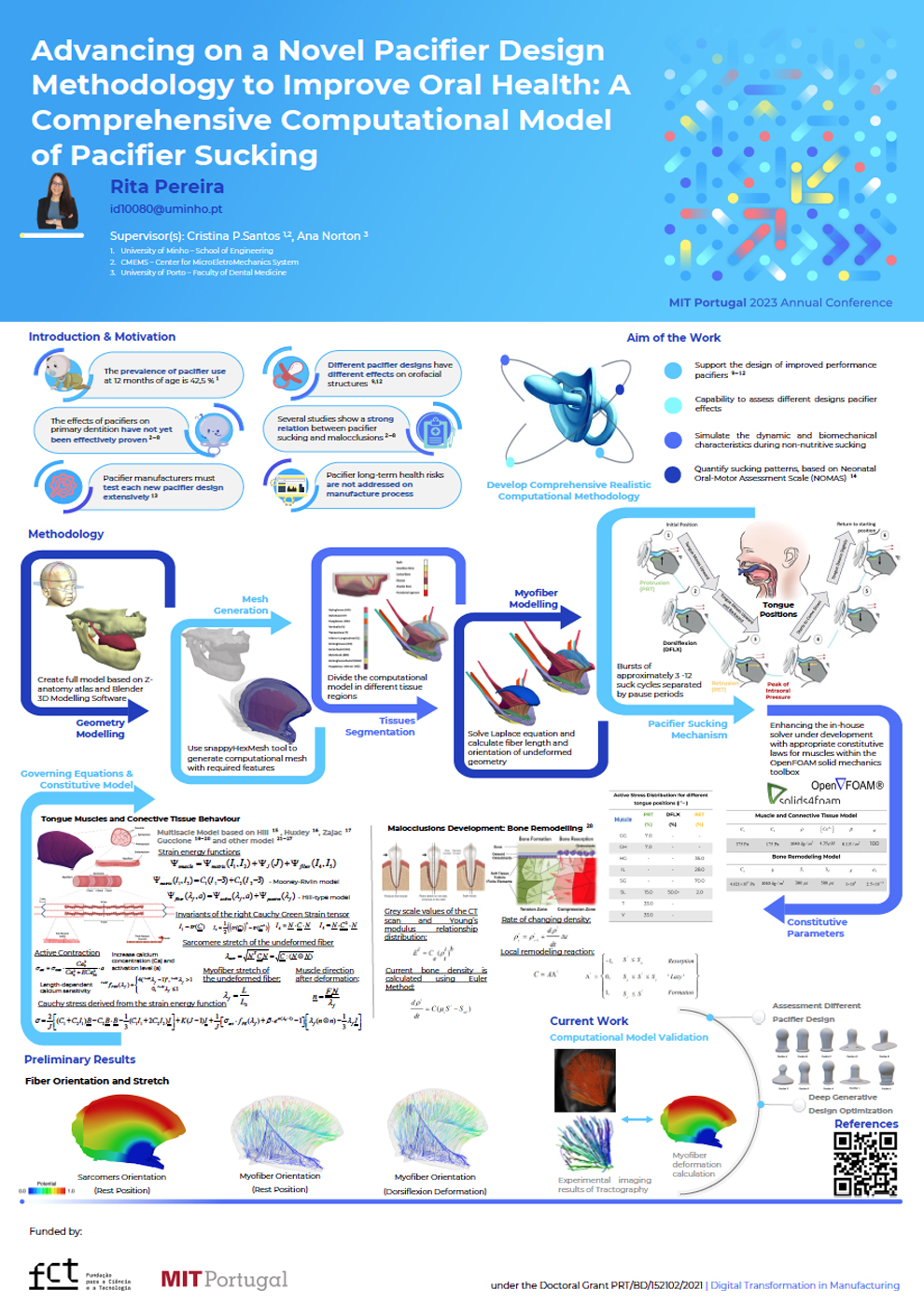
Events: 2023 Annual ConferenceResearch Area:Digital Transformation in Manufacturing57-Rita-Pereira.pdf (3.42 MB)
-
Events: 2024 Annual Conference: Research that Impacts SocietyResearch Area:Digital Transformation in Manufacturing104-kaitlyn-gee.pdf (2.41 MB)
-
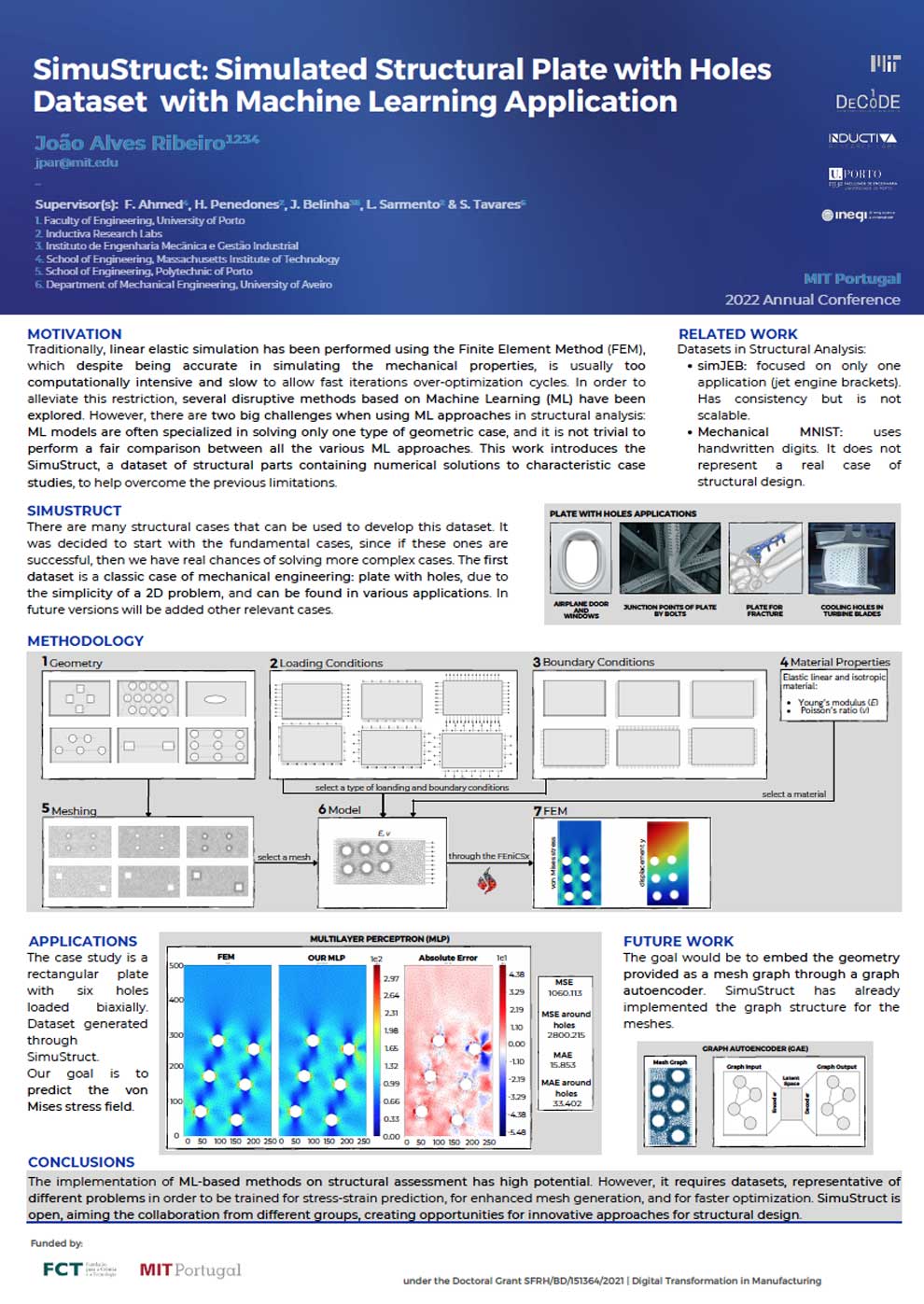
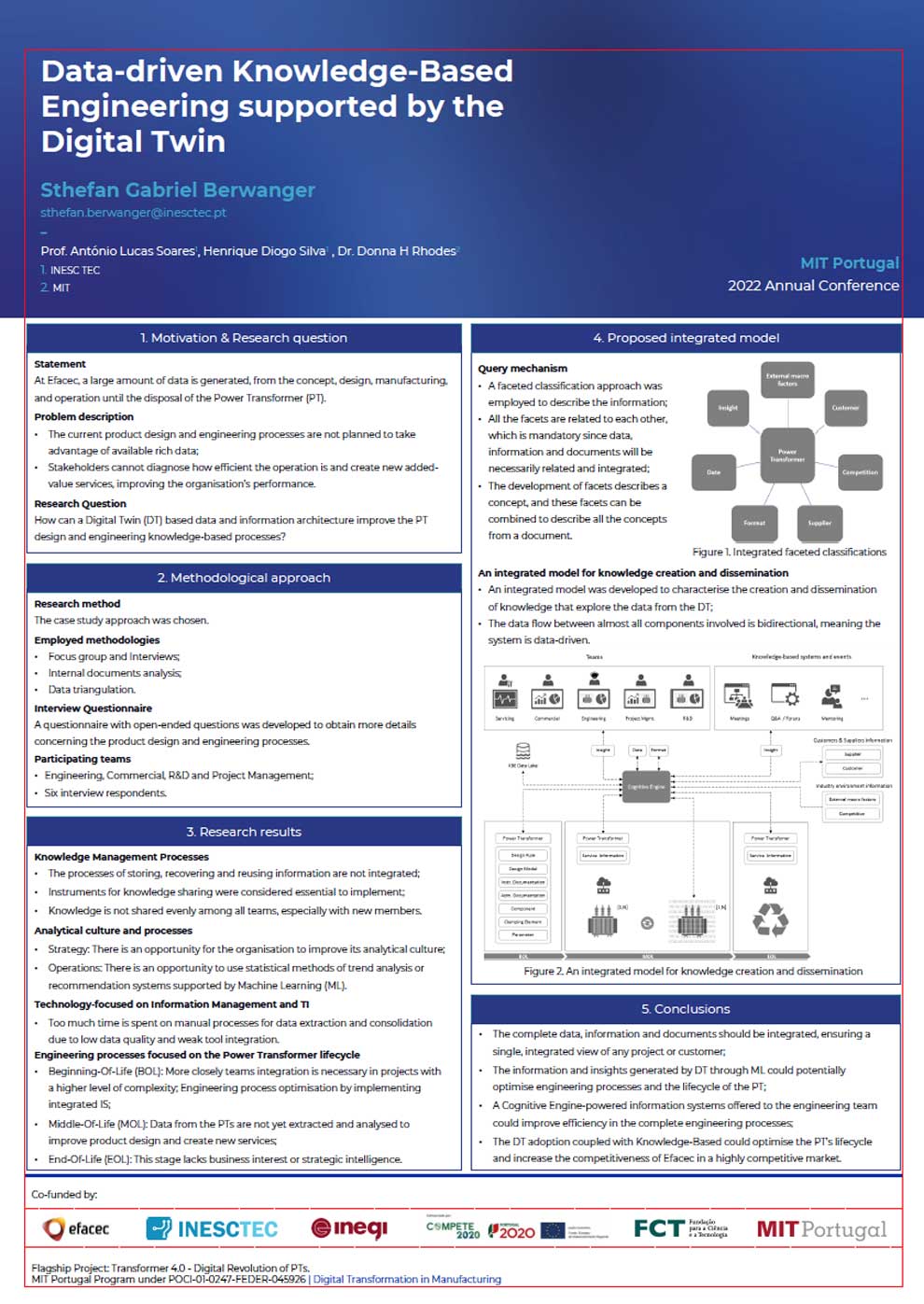
Events: 2022 Annual ConferenceResearch Area:Digital Transformation in ManufacturingMPP_Poster_JoaoRibeiro_v2.pdf (6.31 MB)
-
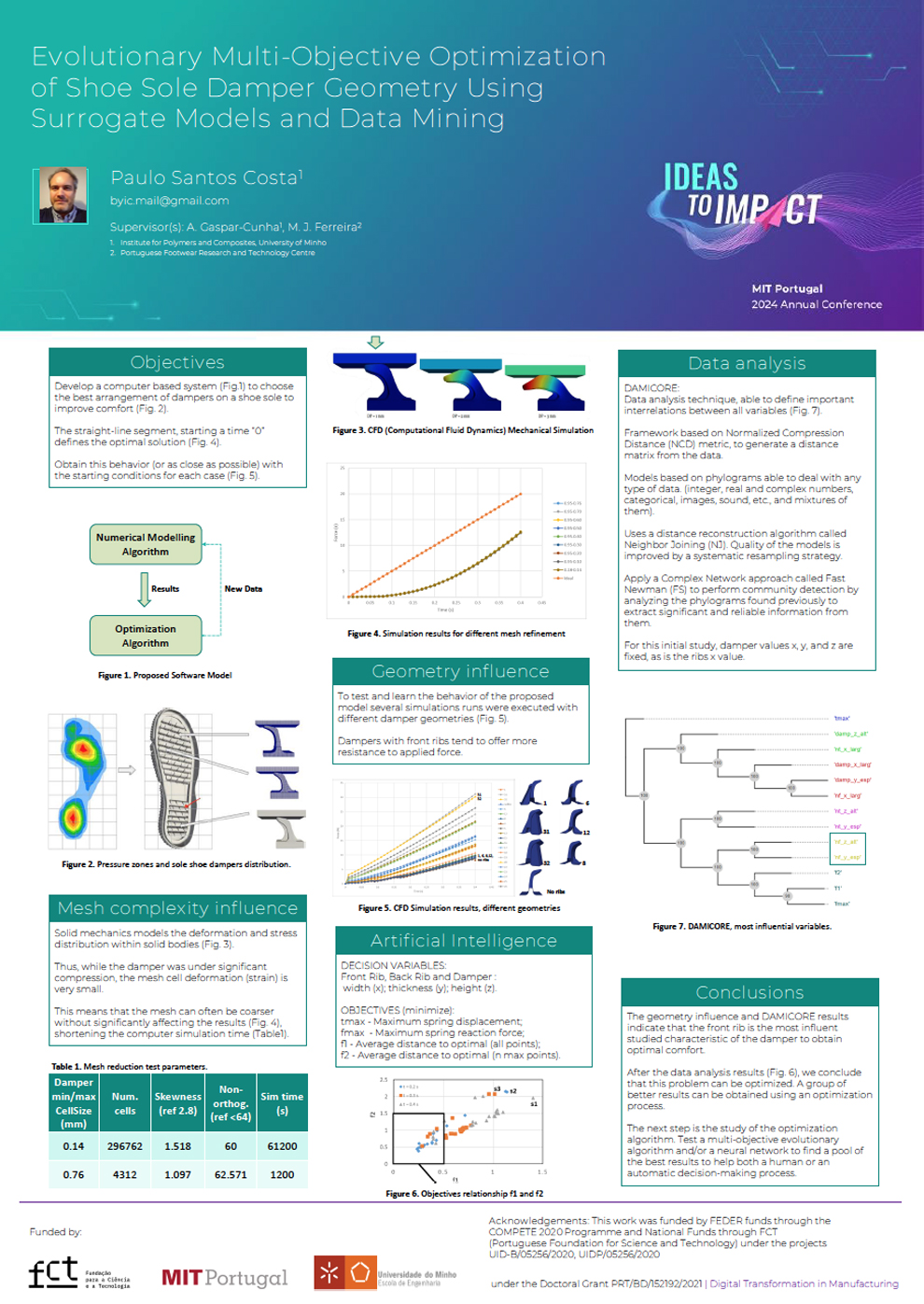
Events: 2024 Annual Conference: Research that Impacts SocietyResearch Area:Digital Transformation in Manufacturing67-paulo-santos-costa.pdf (1.27 MB)
-
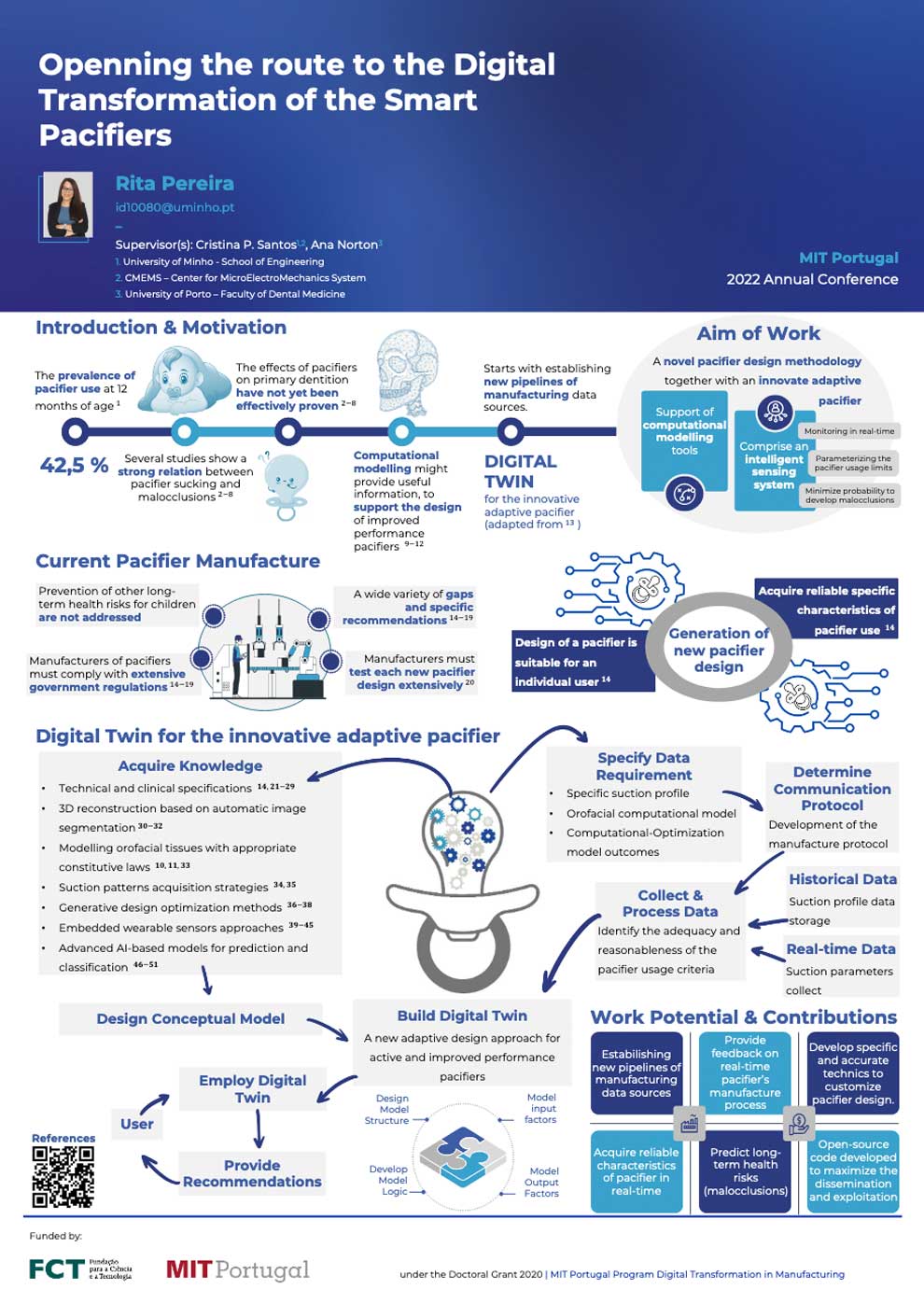
Events: 2022 Annual ConferenceResearch Area:Digital Transformation in ManufacturingMPP-Poster.RITAPEREIRA.pdf (759.39 KB)
-
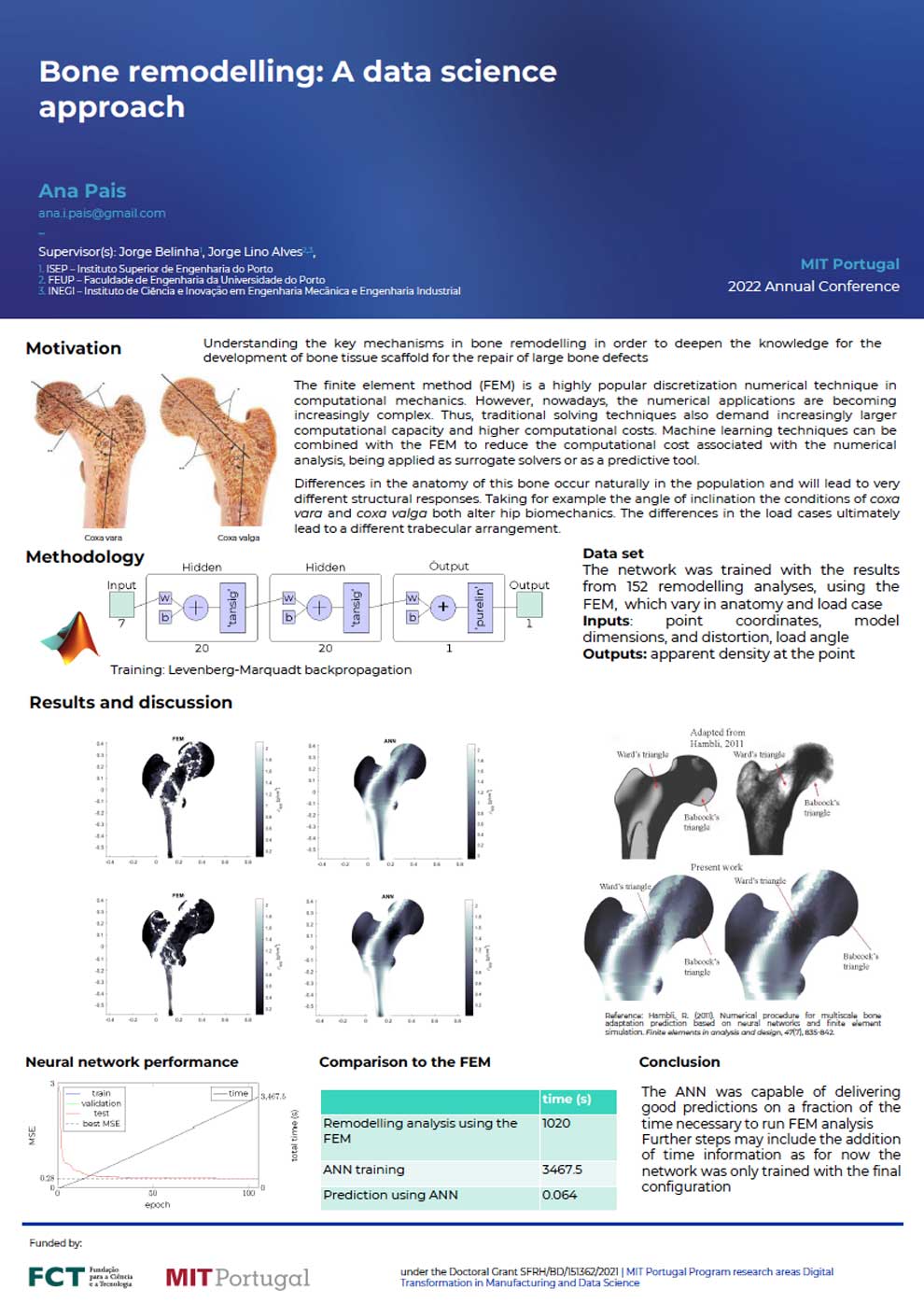
Events: 2022 Annual ConferenceResearch Area:Digital Transformation in ManufacturingMPP-Posters_APais_s_moldura.pdf (681.31 KB)
-
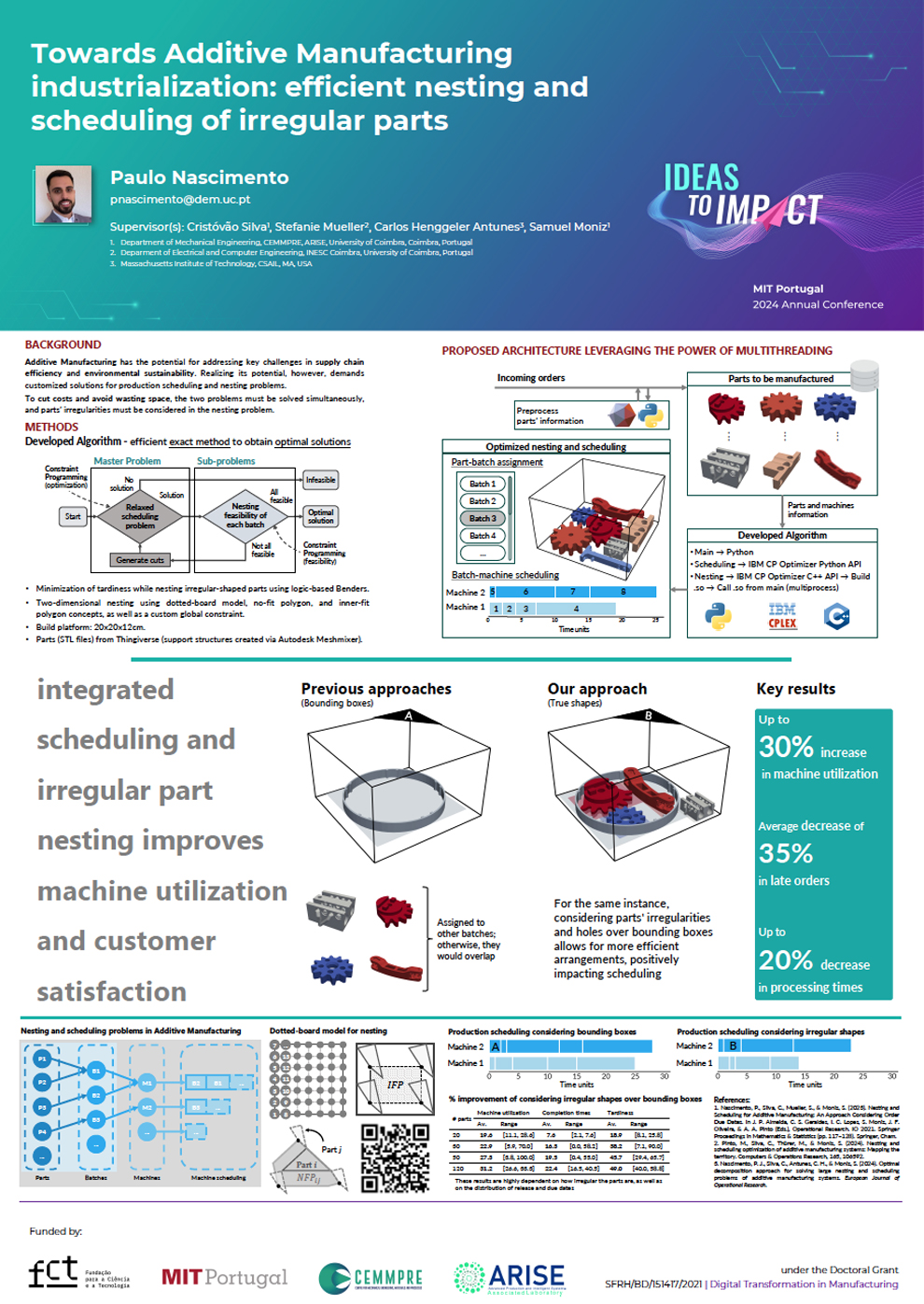
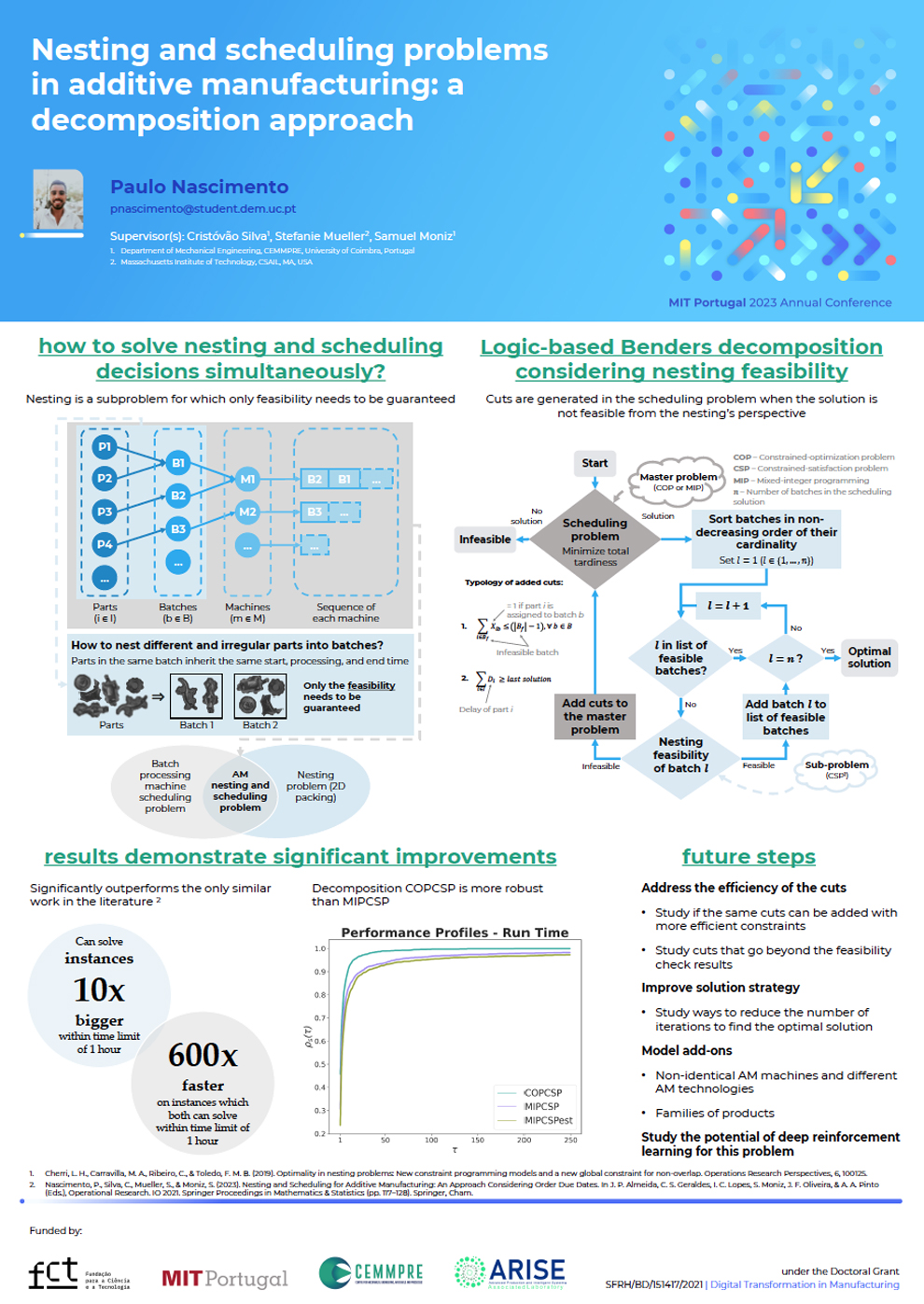
Events: 2024 Annual Conference: Research that Impacts SocietyResearch Area:Digital Transformation in Manufacturing92-paulo-nascimento.pdf (3.91 MB)
-
-
Events: 2022 Annual ConferenceResearch Area:Digital Transformation in ManufacturingMPP-Posters-template_students_1.pdf (3.61 MB)
-
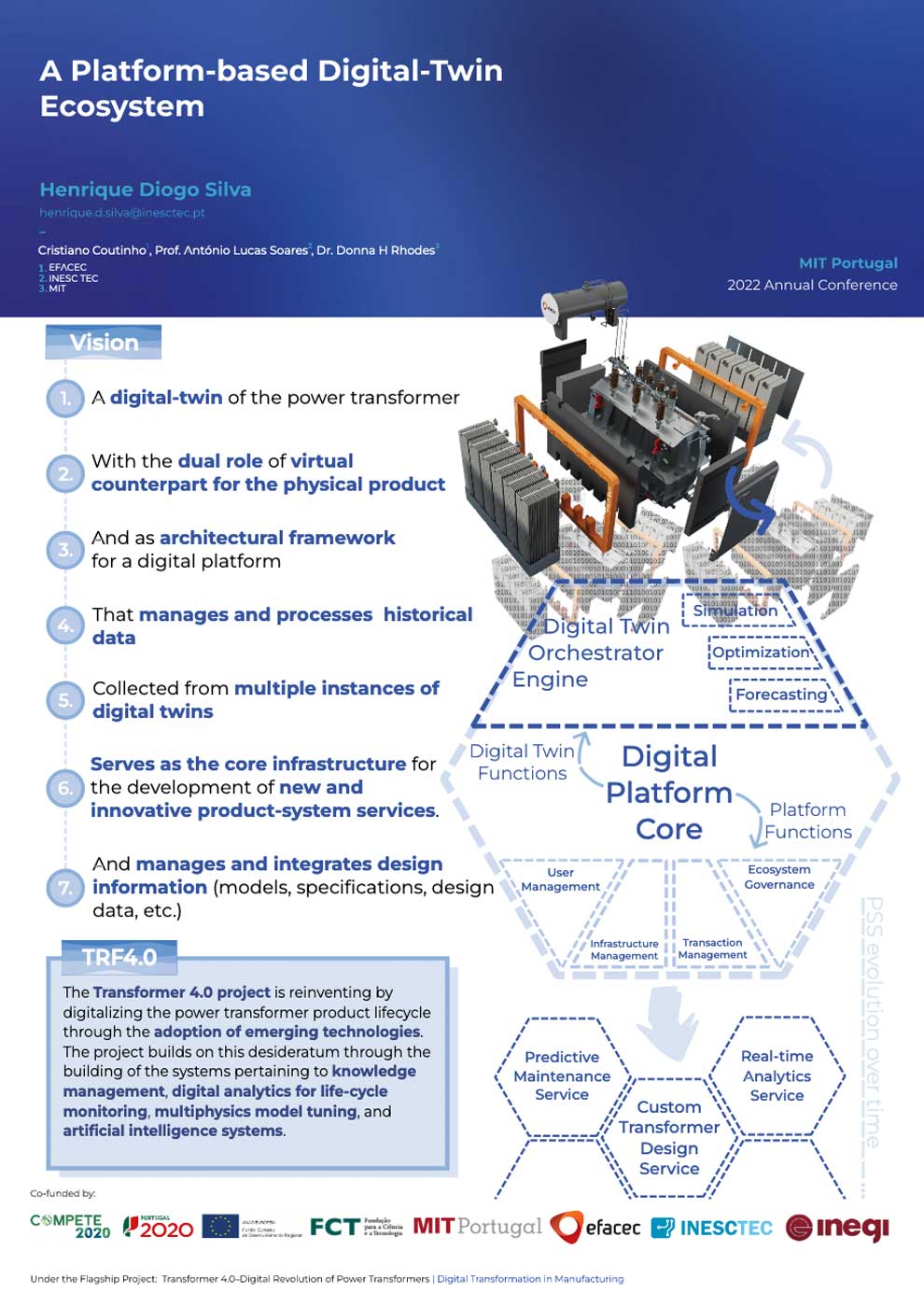
Events: 2022 Annual ConferenceResearch Area:Digital Transformation in ManufacturingMIT2022AC_Poster_HenriqueDiogoSilva.pdf (5.99 MB)
-
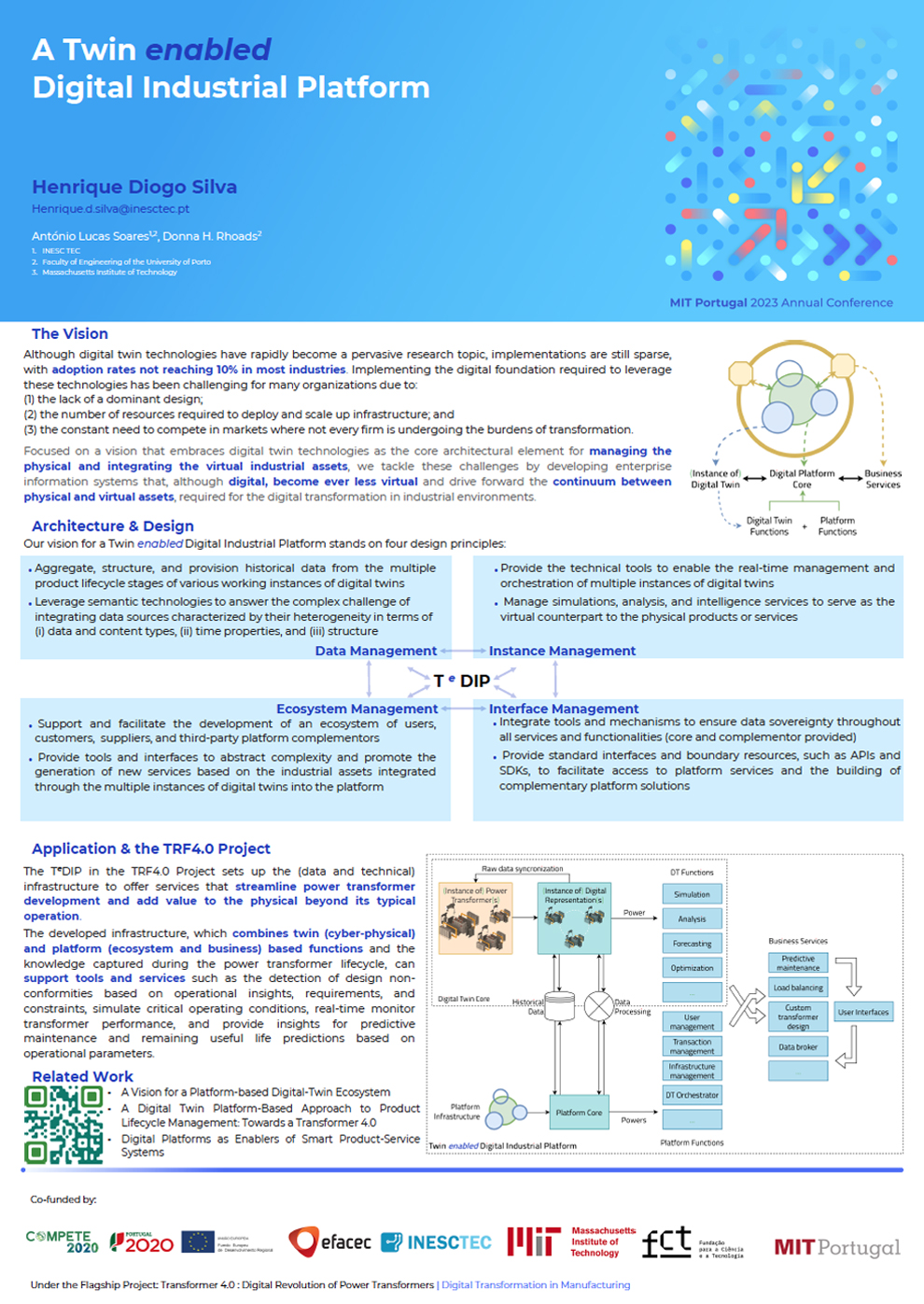
Events: 2023 Annual ConferenceResearch Area:Digital Transformation in Manufacturing15-HenriqueDiogo-Silva.pdf (1.52 MB)
-
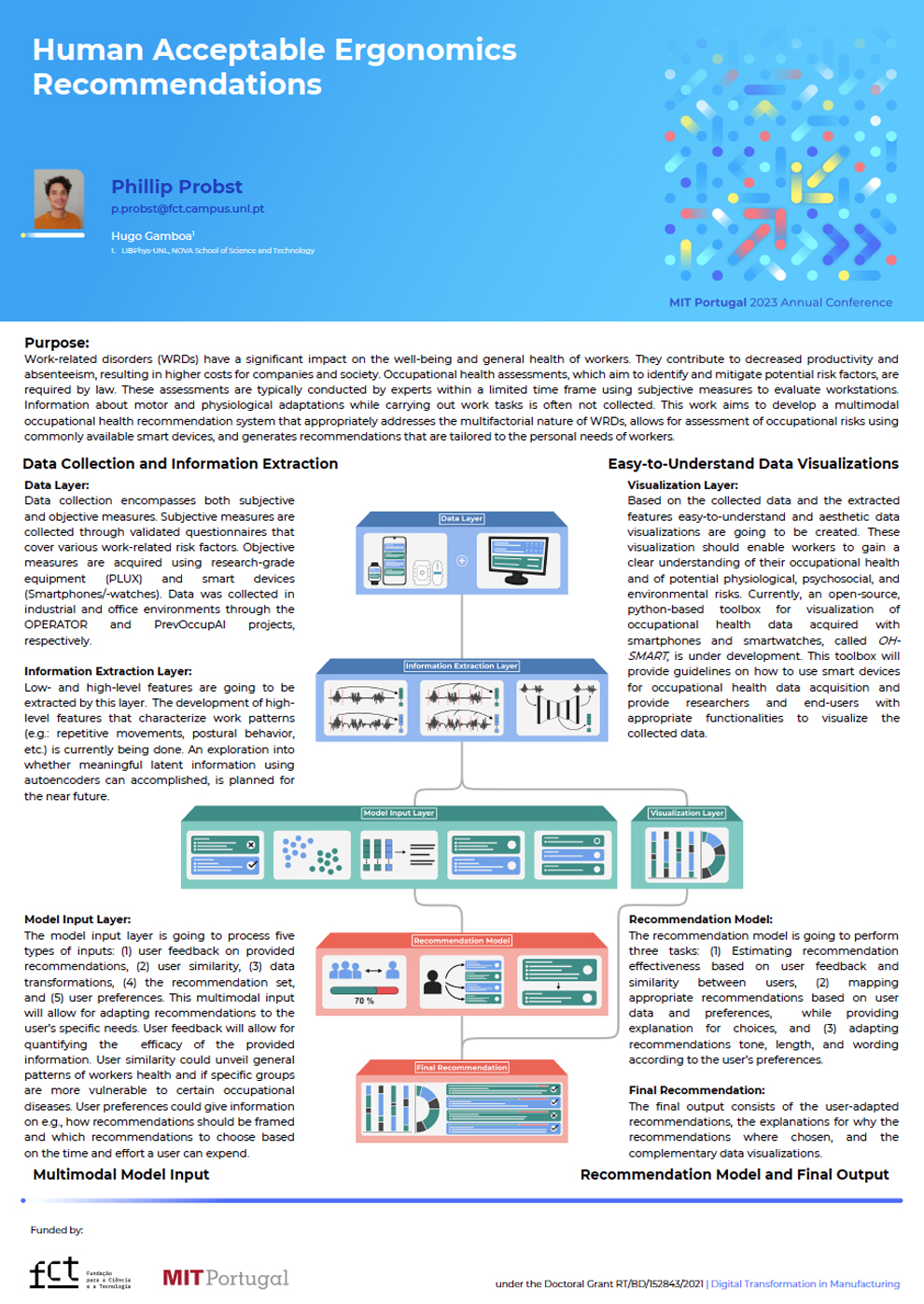
Events: 2023 Annual ConferenceResearch Area:Digital Transformation in Manufacturing16-Phillip-Probst.pdf (1.43 MB)
-
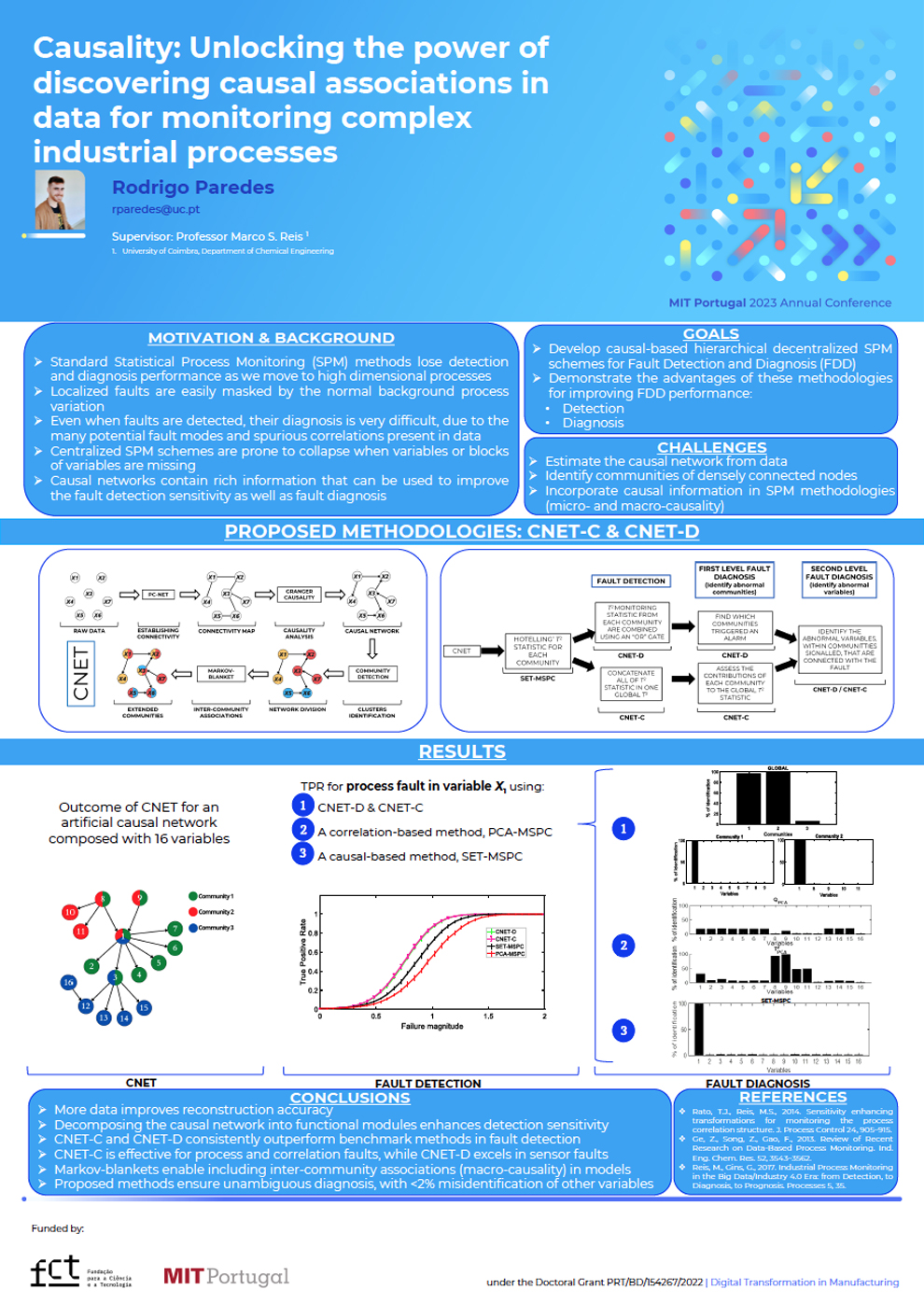
Events: 2023 Annual ConferenceResearch Area:Digital Transformation in Manufacturing11-Rodrigo-Paredes.pdf (1.61 MB)
-
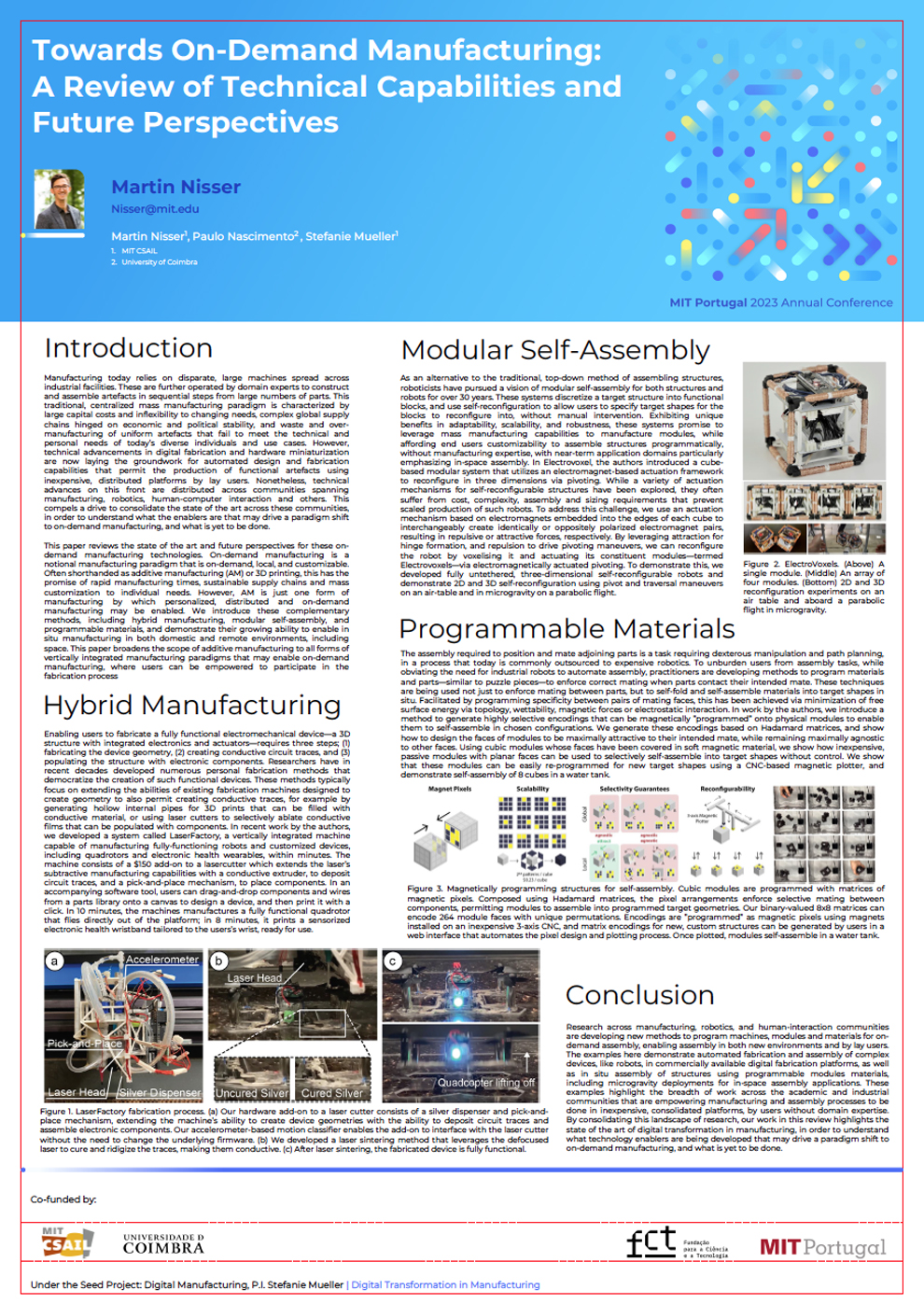
Events: 2023 Annual ConferenceResearch Area:Digital Transformation in Manufacturing39-Martin-Nisser.pdf (1.57 MB)
-
Events: 2023 Annual ConferenceResearch Area:Digital Transformation in Manufacturing53-Paulo-Nascrimento.pdf (1.54 MB)
-
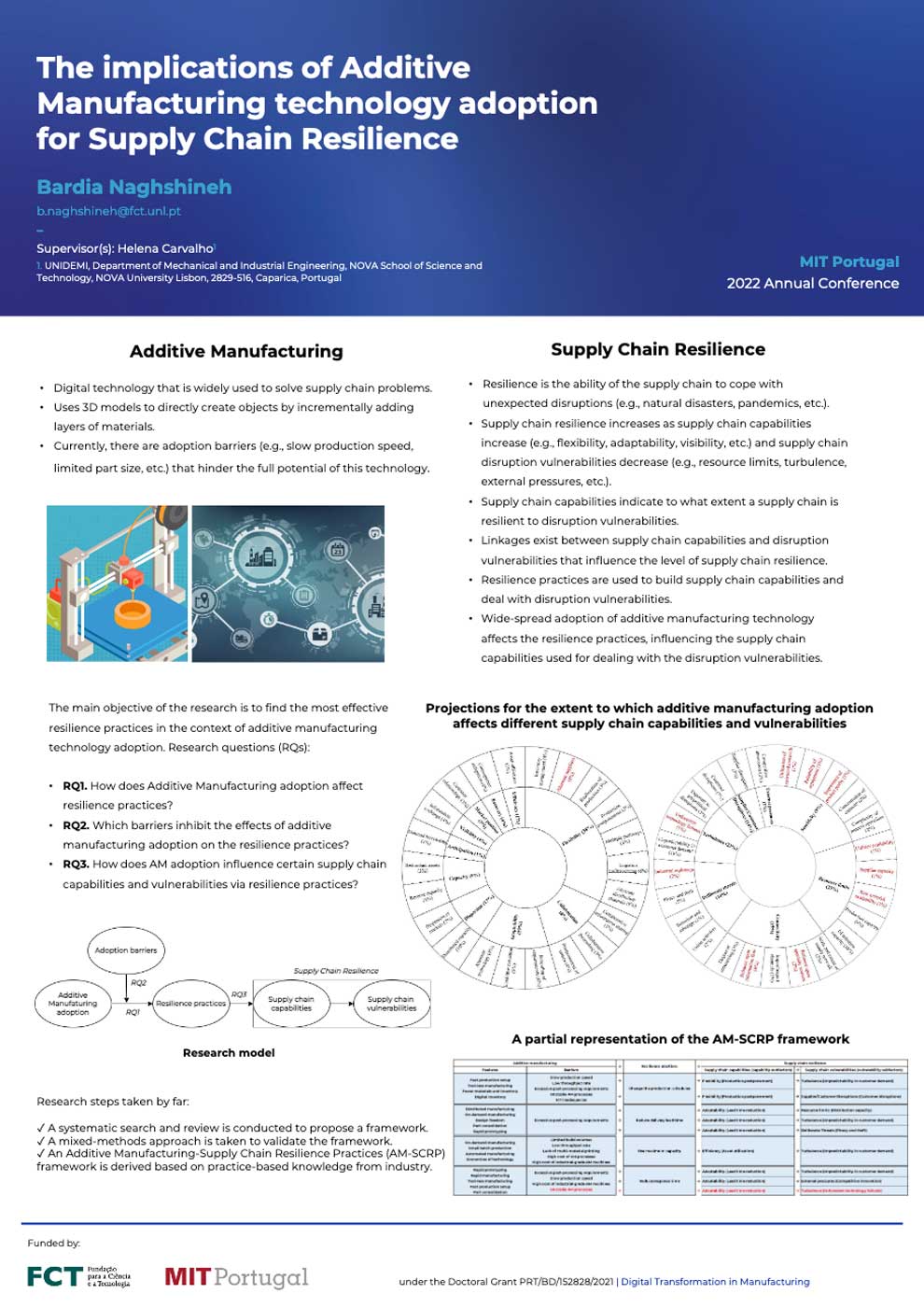
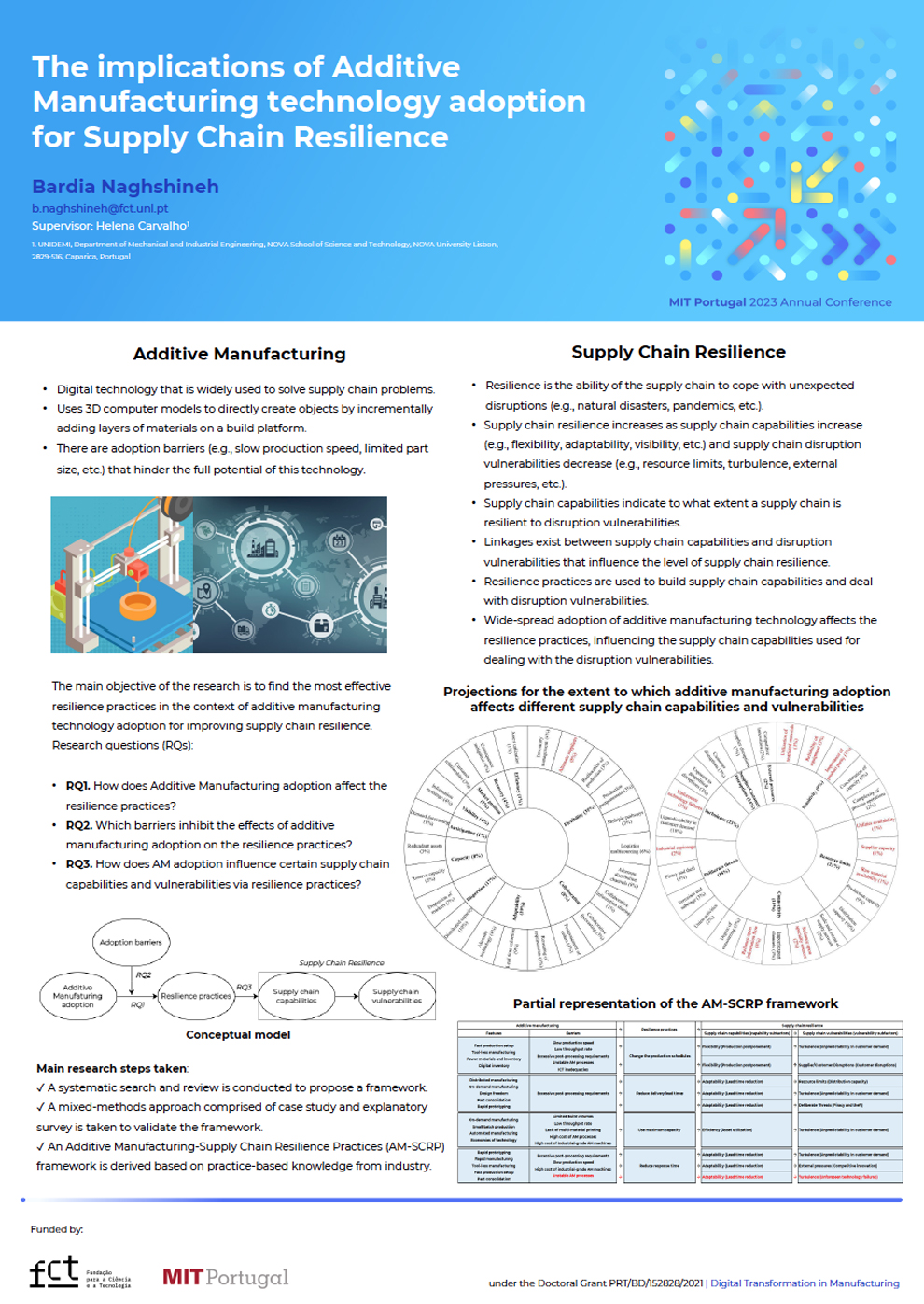
Events: 2023 Annual ConferenceResearch Area:Digital Transformation in Manufacturing27-Bardia-Naghshineh.pdf (1.63 MB)
-
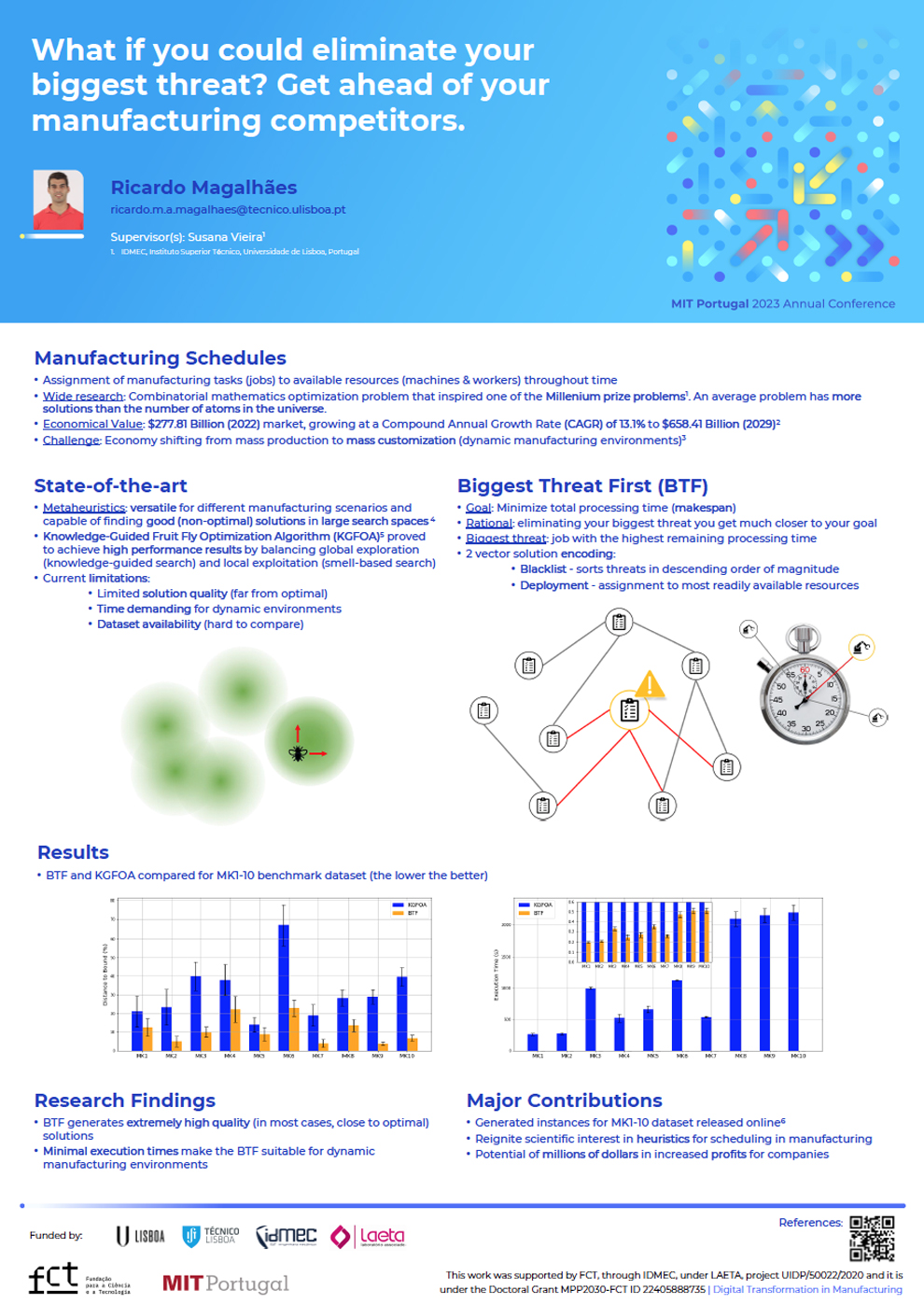
Events: 2023 Annual ConferenceResearch Area:Digital Transformation in Manufacturing48-Ricardo-Magalhaes.pdf (1.69 MB)
-
Events: 2023 Annual ConferenceResearch Area:Digital Transformation in Manufacturing18-Cedric-Honnet.pdf (687.35 KB)
-
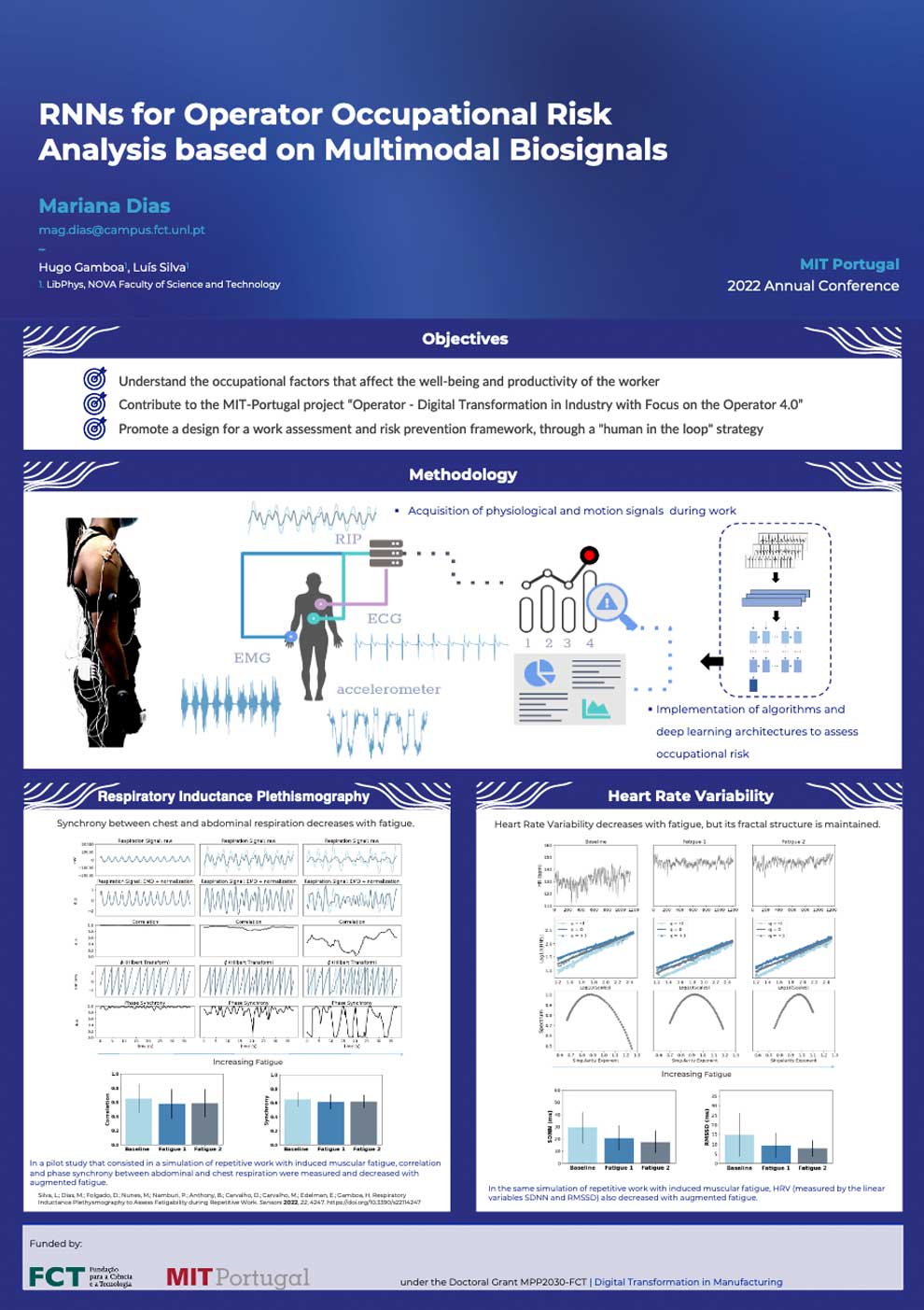
Events: 2022 Annual ConferenceResearch Area:Digital Transformation in ManufacturingMPP-Posters-Mariana_Dias_2022.pdf (1.04 MB)
-
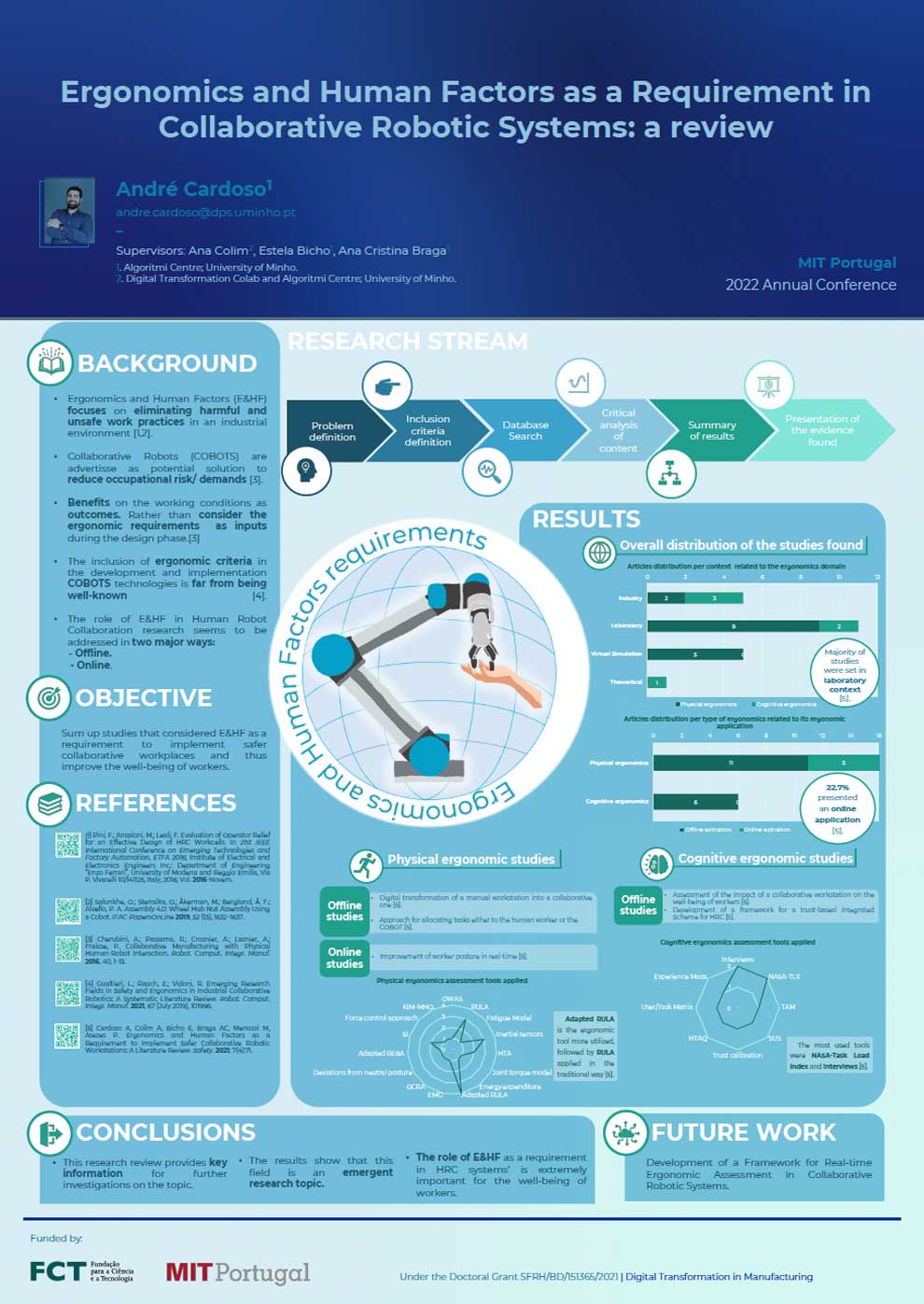
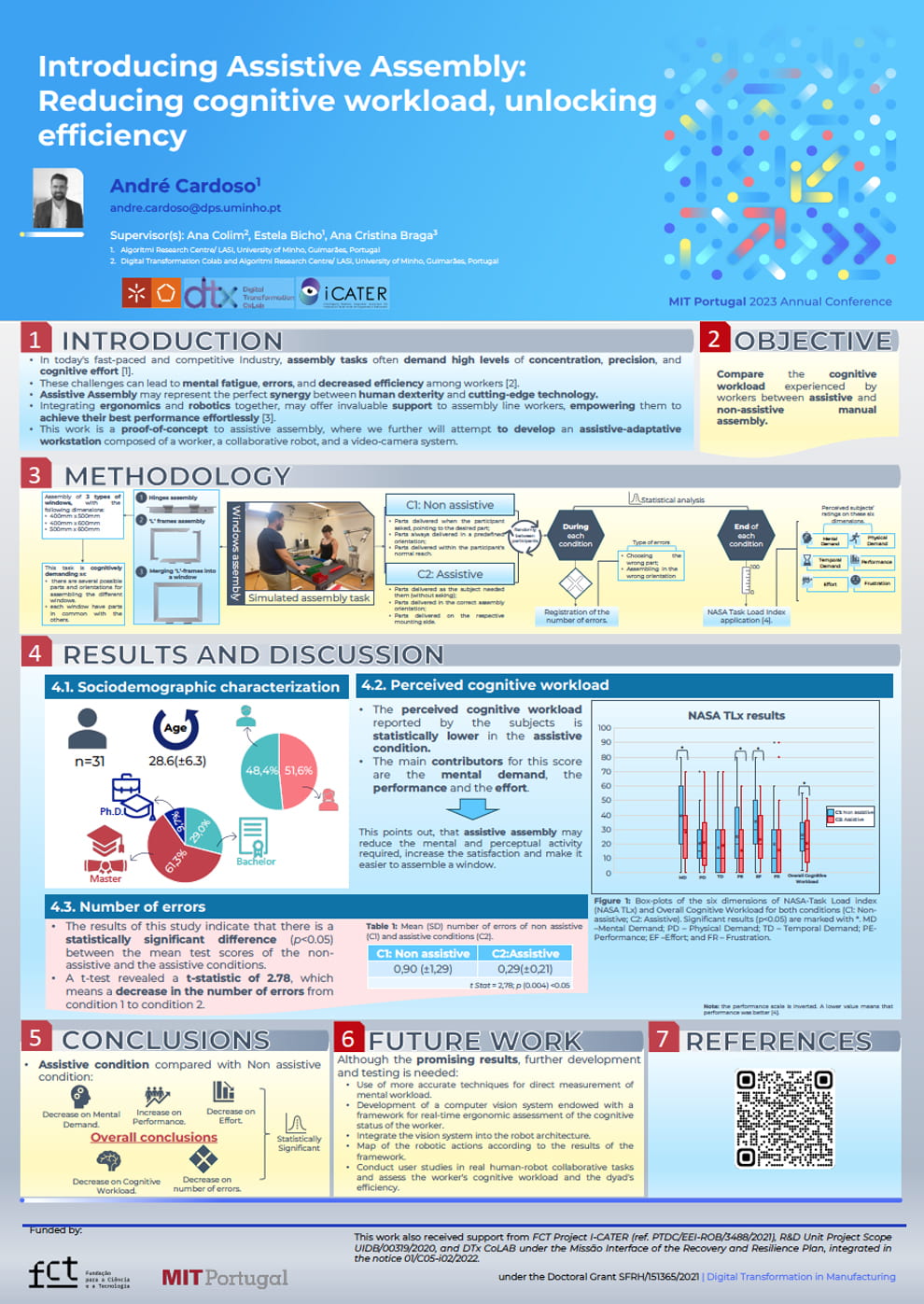
Events: 2023 Annual ConferenceResearch Area:Digital Transformation in Manufacturing34-Andre-Cardoso.pdf (5.13 MB)
-
-
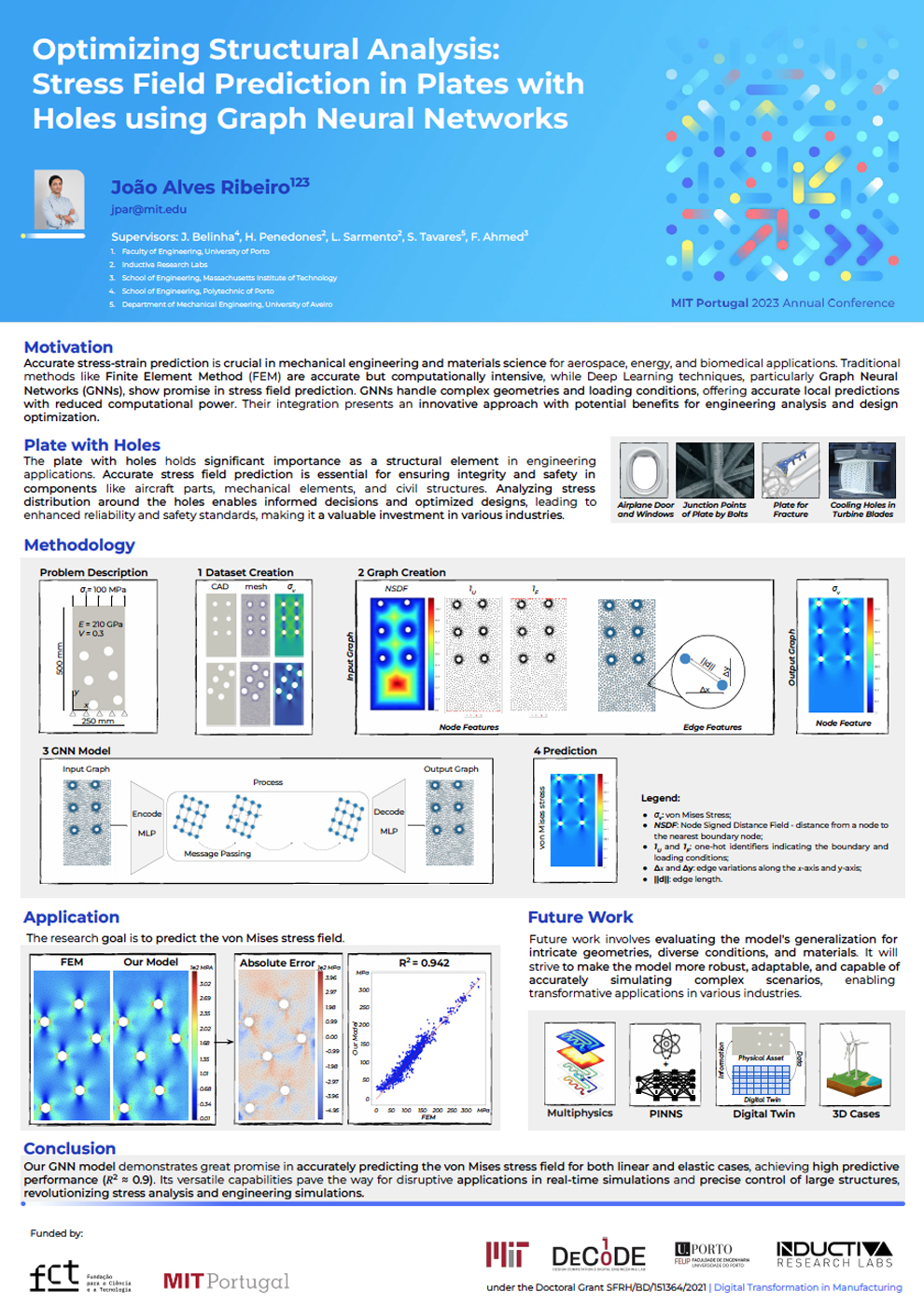
Events: 2023 Annual ConferenceResearch Area:Digital Transformation in Manufacturing62-Joao-AlvesRibeiro.pdf (3.27 MB)
-
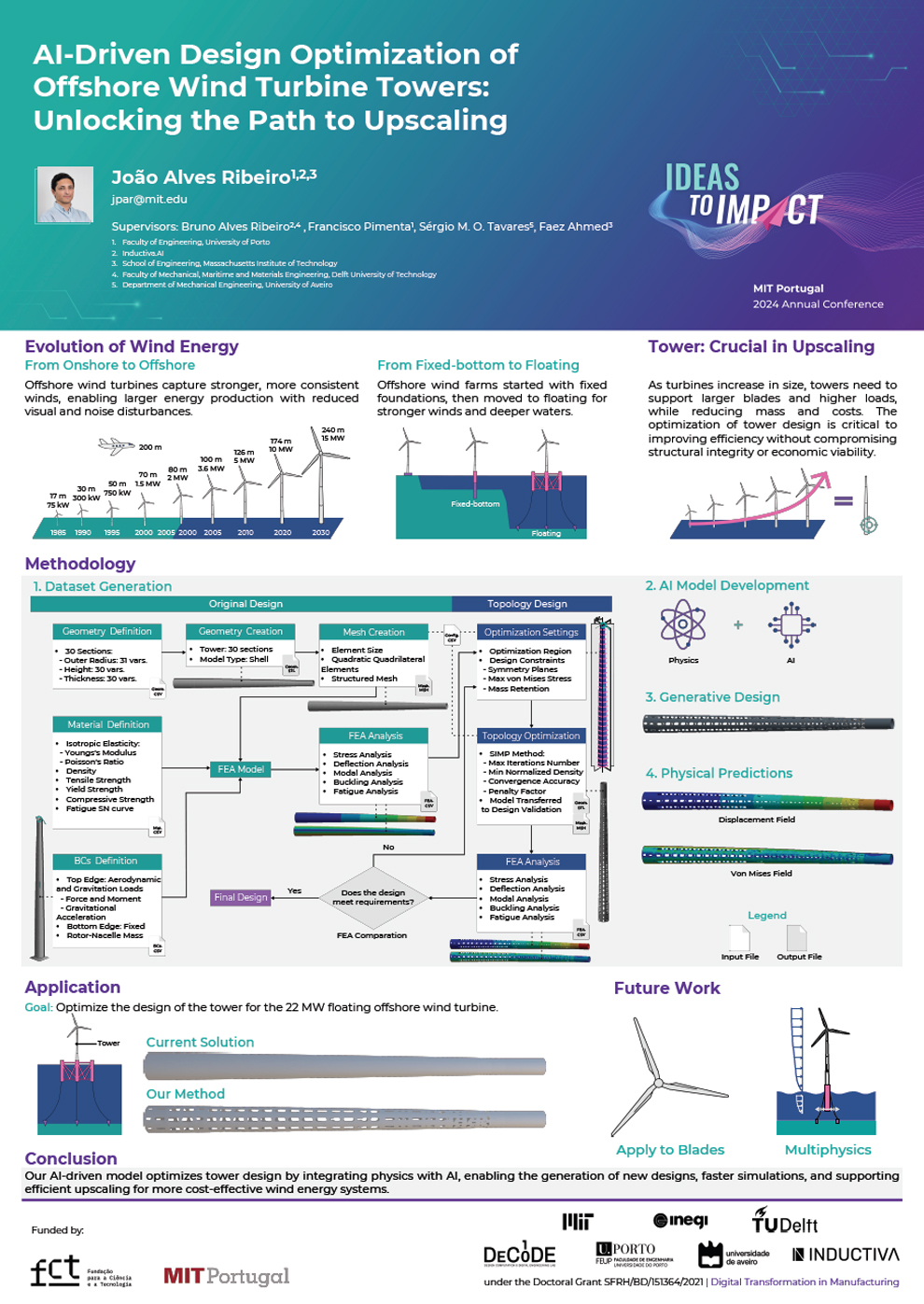
Events: 2024 Annual Conference: Research that Impacts SocietyResearch Area:Digital Transformation in Manufacturing106-joao-alves-ribeiro.pdf (9.55 MB)
-
Research Area:Digital Transformation in Manufacturing
-
Research Area:Digital Transformation in ManufacturingMPP-posters-template_projects_F.pdf (1.87 MB)
PhD Students
- Image

Ana Pais
PhD Student
Portugal - Image

André Cardoso
PhD Student
Portugal - Image

Andressa Oliveira
PhD Student
Portugal - Image

Bardia Naghshineh
PhD Student
Portugal - Image

Fernando Ribeiro
PhD Student
Portugal - Image

Jabez Abraham
PhD Student
Portugal - Image
João Faria
PhD Student
Portugal - Image

João Ribeiro
PhD Student
Portugal - Image

José Caetano
PhD Student
Portugal - Image
Luís Oliveira
PhD Student
Portugal - Image

Mariana Dias
PhD Student
Portugal - Image

Mohamad El Sibaii
PhD Student
Portugal - Image

Paulo Costa
PhD Student
Portugal - Image

Paulo Nascimento
PhD Student
Portugal - Image

Phillip Probst
PhD Student
Portugal - Image

Rita Pereira
PhD Student
Portugal - Image

Rodrigo Paredes
PhD Student
Portugal - Image

Samruddha Kokare
PhD Student
Portugal - Image

Sara Cerqueira
PhD Student
Portugal - Image

Tran Quang Minh
PhD Student
Portugal - Image

Vinicius Viena Santana
PhD Student
Portugal - Image

Vítor Sousa
PhD Student
Portugal