

Sustainable Cities
The world is becoming increasingly urbanized. By 2050, cities are expected to harbor almost three-quarters of the world population. With this urbanization of the population comes a critical need for sustainability. Consider that, while cities occupy just three percent of land on Earth, they are responsible for up to 80 percent of the world’s energy consumption.
Cities also hold huge potential to test and implement solutions to some of society’s biggest challenges. Nimbler than states and nations, urban areas can serve as living labs and research units for larger scale environments. Open data platforms, integration and accessibility are needed to realize this potential.
Within this area, MPP researchers are pursuing urban science, design and engineering with applications in energy utilization, air quality maintenance, transportation systems, internet-or-things connectivity and smart cities. There is a high priority on coastal cities, with relevance to climate change, sea level rise, temperature and natural disaster monitoring and development of potential solutions to emerging challenges.
Funded Projects
Calls: 2025 Call for Seed Grant Proposals
Research Areas: Sustainable Cities
Abstract
Sustainable cities face persistent social-environmental externalities that cannot be resolved by urban strategies alone. The forestry sector offers strong potential to mitigate these impacts and generate benefits for urban sustainability. This project focuses on using AI to enhance the efficiency and resilience of forestry supply chains. While AI offers environmental and economic advantages, sociotechnical factors like adoption, trust, and systemic resilience are often overlooked. Building on our sociotechnical AI maturity model, we aim to refine it using evidence-based factors to support responsible AI integration. The rapid uptake of AI across supply chains creates opportunities for innovation and sustainability, yet adoption remains uneven. Existing AI maturity models rarely consider sociotechnical systems thinking or responsible AI. By applying our model to Portugal’s forestry sector, a critical player in achieving Sustainable Smart Cities (SSCs) goals, we will assess current AI maturity and propose sociotechnical interventions, including digital twin concepts for SSCs ecosystems.
MIT PI
Donna Rhodes, Principal Research Scientist, Sociotechnical Systems Research Center (SSRC)PT PI
António Lucas Soares, Researcher at INESC TEC and Associate Professor at Department of Informatics Engineering of the Faculty of Engineering of the University of Porto
André M. Carvalho, Assistant Professor, Department of Mechanical and Industrial Engineering, NOVA SCHOOL OF SCIENCE AND TECHNOLOGY | NOVA FCT, Universidade NOVA de LisboaThis project is extended
Calls: 2023 Call for Seed Grant Proposals
Research Areas: Sustainable Cities
Updates & ImpactAbstract
A key component for tackling climate change is ensuring that buildings are energy efficient and sustainable. A significant portion of building energy consumption is wasted due to improper operation and control. For instance, in commercial buildings and university campuses, energy is often wasted in heating or cooling unoccupied spaces. Furthermore, even an initially “optimal” system will not operate according to design specifications indefinitely as equipment degrades and building usage evolves over time. This project will develop a new approach for “continuous commissioning” of building facilities to ensure that buildings operate at peak efficiency with a minimum expense in sensors and computation. This project will develop a real-time building monitoring and control framework that provides actionable information to operators. The solution aims to be low-cost and scalable, while helping operators better maintain existing equipment and make wellinformed decisions for building equipment and control retrofits.
MIT PIs
Steven Leeb, Professor, Department of Electrical Engineering & Computer ScienceMIT Co-PIs
Les K. Norford, Professor, Department of Architecture
Daisy H. Green, Post-doctoral Associate, Department of ArchitecturePT PIs
Ricardo Gomes, IST RC, Instituto Superior Tecnico, LisboaThis grant is renewed until August 31, 2026
This project is extended
2024 - 2025 Seed Project Report.pdf (2.43 MB)Calls: 2026 Call for Joint Integrated and Seed Grant Proposals
Research Areas: Sustainable Cities
Abstract
Climate change is increasing the frequency, duration, and intensity of heat waves across Southern Europe. Portugal’s cities house among the most vulnerable populations due to high building density, aging building stocks, urban heat island effects, and growing cooling needs. Given the high costs of electricity in Portugal, overheating risk and energy poverty are becoming increasingly interconnected, especially in older residential buildings with limited thermal performance. The proposed project builds on the ongoing development of a global building inventory (GloBI), an MIT-led initiative to create climate-actionable information on individual buildings worldwide. In collaboration with the Portugal’s National Institute of Health (INSA) and Energy Agency (ADENE), our longstanding ISTMIT team will create an indoor overheating risk map for every building in the country. The map will enhance Portugal’s national heat warning system ICARO (Silva et al., 2024) and help municipalities to better monitor their constituents’ safety during heat waves.
MIT PI
Christoph Reinhart, Professor, Department of ArchitecturePT PI
Dr. Ricardo Gomes, Assistant Professor, IN+ Center for Innovation, Technology and Policy Research; IST-ID, Associação do Instituto Superior Técnico para a Investigação e DesenvolvimentoAdditional collaborators
Susana Pereira da Silva, Instituto Nacional de Saúde Doutor Ricardo Jorge (INSA)
Rui Fragoso, Portuguese Energy Agency (ADENE)Calls: 2023 Call for Seed Grant Proposals
Research Areas: Sustainable Cities
Updates & ImpactAbstract
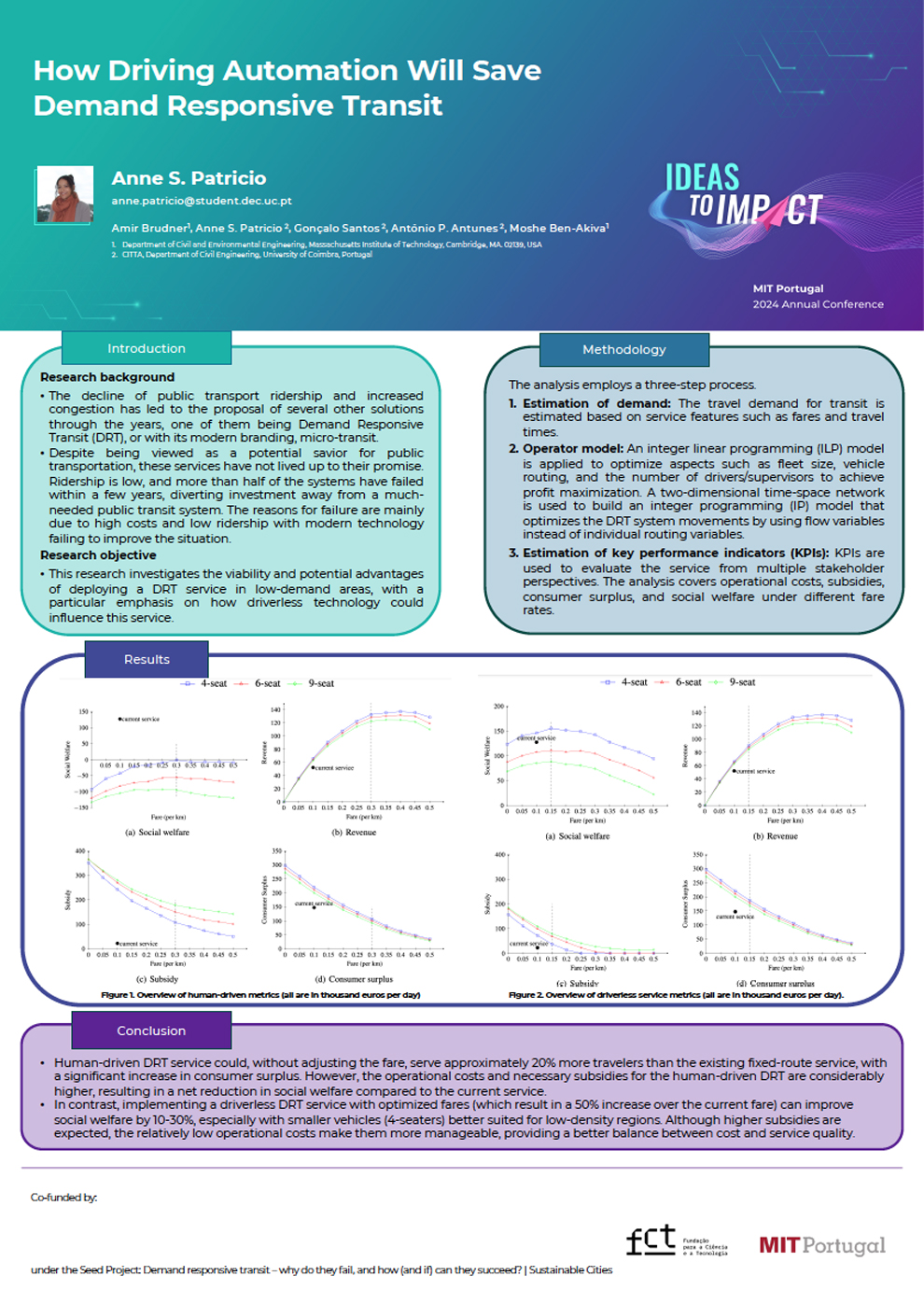
With the fast development of information and communication technologies, demand-responsive transit
(DRT) is considered salvation for failed and expensive traditional fixed-route public transport services,
especially in low-density areas. However, evidence shows that in many cases, these services failed to
stand up to the promise and saw very low ridership, which is not substantially higher than the system they replaced without any reduction in operational costs. However, future technological development of automated vehicles should bring a massive cost reduction that might change the course of DRT.In this project, we analyze both the operational side of automated DRT through optimization methodologies and the economic regulation and incentives through game theory and bi-level programming to optimize accessibility for transit-deprived areas. An agent-based simulation is used to validate the results. We intend to introduce a systematic approach for evaluating real-time incentives such as tolling and subsidies to achieve desirable user and system-level performance.
MIT PIs
Moshe Ben-Akiva, Professor, Department of Civil and Environmental EngineeringMIT Co-PIs
Amir Brudner, Dr. Postdoctoral researcher at the Intelligent Transportation Systems LabPT PIs
António P. Antunes, Professor, CITTA, Department of Civil Engineering, University of Coimbra, Portugal
Gonçalo Santos, Dr. Postdoctoral researcher at CITTA, Dept. of Civil Engineering, University of Coimbra, Portugal
Anne Patricio, Ph.D. student at CITTA, Dept. of Civil Engineering, University of Coimbra, Portugal2023 - 2025 Seed Project Report (128.57 KB)Calls: 2024 Call for Seed Grant Proposals
Research Areas: Sustainable Cities
Updates & ImpactAbstract
The embodied carbon in concrete building construction is a major contributor to global greenhouse gas emissions; its primary ingredients of cement and steel produce 2.7 GT of CO2e emissions annually (7% of total global emissions) [1] and are challenging to decarbonize on the supply side. In response, a major pathway to carbon mitigation in buildings is demand-side reduction: by building more efficiently and intelligently, it is possible to provide new construction for substantially less emissions than business-as-usual approaches. In previous work by the PI and others, techniques to minimize emissions through optimization of reinforced concrete structures are shown to save up to 80% of carbon compared to typical construction methods [2]. Existing work has mainly focused on reducing the volume of concrete (and thereby cement) through surface articulation and shaping of structural elements to remove unnecessary material, and on cost-effective means of creating formwork for complex, shape-optimized building components through techniques such as additive manufacturing [3]. A remaining key challenge lies in the reinforcement used to give tensile resistance to concrete structures, almost always achieved through cold-bent steel reinforcing bars (rebars). While rebar is small compared to concrete by volume, its emissions footprint is substantial, often contributing half or more of the embodied carbon of typical reinforced concrete construction. Furthermore, steel rebar requires excess concrete to protect it against corrosion (e.g. 5cm or more of required concrete “clear cover”), which is nonstructural but contributes substantial emissions. Finally, the construction of rebar cages (or networks) for minimal and complex concrete forms is cumbersome, time-consuming, and suffers from low precision. This project seeks to investigate an alternative approach to low-carbon reinforcement for structural concrete, based on flexible fiber tensile systems that can be precisely manufactured, prestressed, and incorporated into shape-optimized precast concrete structural components. Using existing expertise from MIT in reinforced concrete optimization and tensile network simulation, and from the University of Minho’s Fibrenamics group in fiber science and materials engineering, the interdisciplinary team will collaborate to develop and test this alternative construction approach, and to benchmark its environmental performance and cost compared to typical steel-reinforced concrete.
MIT PI
Caitlin Mueller, Associate Professor, Departments of Architecture and Civil and Environmental EngineeringPT PI
Raul Fangueiro, Professor, University of Minho and President of the Board, FIBRENAMICS – Institute of Innovation in Fiberbased Materials and Composites2024 - 2025 Seed Project Report .pdf (315.83 KB)Calls: 2019 Call for Flagship Projects
Research Areas: Sustainable Cities
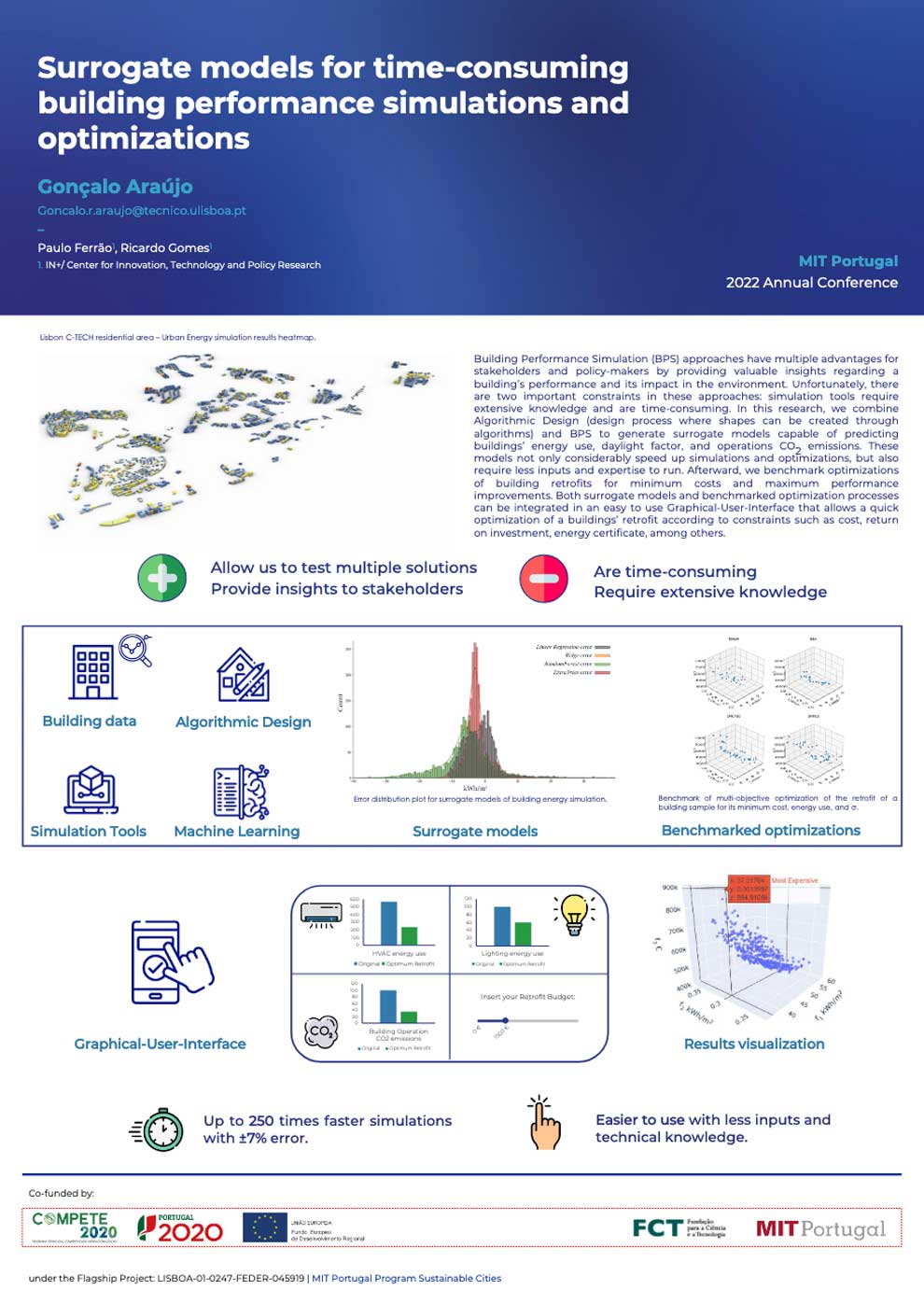
Abstract: C-Tech aims at researching, developing and pilot-scale a digital smart city platform for urban modelling and planning which, based on a three-dimensional representation of the city and its combination with multiple data from different data sources (from domains such as weather, energy and water consumption, mobility and, most of all, user’s behavior as determined by their mobile phone use), will allow to simulate scenarios regarding energy-efficiency of buildings, green structures, creation and urban mobility, empowering local authorities to identify and tackle specific environmental issues, overcome the global challenge of decreasing urban carbon footprint and fostering the transition to a net-zero ecosystem.
--------------------------------------------------------------------------------------
The project arises from the previous research work co-developed between IST, MIT and the city of Lisbon, from which the technological framework for the city representation has resulted, aiming at enriching and expanding it in order to deliver to the market a set of reliable simulators which will empower local authorities in the definition of new policies and measures to tackle climate change and foster environmental sustainability.
The pursuit of these objectives involves the execution of an action plan, structured in 9 complementary activities, covering all stages of the product development cycle. The adopted research methodology combines industrial research with experimental development, ensuring continuous validation and feedback integration.
In compliance with its complexity and disruption, the project will be executed by a consortium composed by 5 complementary partners which ensure the representation of both business and scientific systems and cover all the critical phases of the value chain. MIT will directly cooperate in the project’s execution, providing the consortium with the knowledge and expertise of two Principal Researchers from 2 research centers (MIT SDL and MIT TL).
Leading Institution

Marco Granja
Senior Manager, NOSParticipating Institutions
IST; CEiiA; UNL-IMS; LISBOA E-NOVA
PT Research Team
From IST:
Prof. Paulo Ferrão
Prof. Carlos SilvaFrom UNL-IMS:
Miguel de Castro Neto
Pedro Cabral
Flávio L. Pinheiro
Pedro Sarmento
Manuel DiasFrom CEiiA:
Sandra Melo;
Frederico Custódio
Catarina Selada
Gonçalo Salazar
Rui PeixeFrom Lisboa E-Nova :
Maria Rodrigues
Sara FreitasMIT PIs
Prof. Christoph Reinhart
MIT Department of Architecture
Director, Building Technology ProgramProf. Jessika Trancik
Institute for Data, Systems and SocietyDuration: 3 years
Begin date: 01, April 2020Calls: 2023 Call for Seed Grant Proposals
Research Areas: Sustainable Cities
Abstract
The goal of this project is to develop a computational framework to advance the fundamental science of safely routing and planning the motions of a large fleet of Unmanned Autonomous Vehicles (UAVs) in complex urban environments. The approach consists of three major components: 1) high-fidelity computational fluid dynamics (CFD) to obtain realistic wind conditions in urban scenarios, 2) a novel routing algorithm that allows the UAVs to temporarily ride public ground transit vehicles to conserve energy, and 3) a rigorous mathematical motion planning framework to navigate UAVs safely and effectively in realistic urban windy environments given a set of user constraints. The outcome of the work will facilitate the adoption of delivery of goods by UAVs, which has the potential to revolutionize logistics by shortening last-mile delivery times and improving reliability. The technical approaches explore the use of machine learning combined with rigorous mathematics to provide provable correctness guarantees.
MIT PIs
Chuchu Fan, Assistant Professor,Department of Aeronautics and AstronauticsMIT Co-PIs
Adrián Lozano-Durán, Draper Assistant Professor of Aeronautics and AstronauticsPT PIs
António Pedro Aguiar, Full Professor at the Dept. of Electrical and Computer Engineering; Head of Research Center for Systems and Technologies (SYSTEC); Faculty of Engineering, University of PortoCalls: 2023 Call for Seed Grant Proposals
Research Areas: Sustainable Cities
Abstract
In order to reach a carbon neutral building stock, building heating systems have to be electrified. However, system selection often happens later in the design process when key decisions have already been locked in. To address this issue, this research aims to develop new workflows to effectively integrate the selection of heating ventilation and air- conditioning (HVAC) systems earlier into the design process. We will design and test a series of tools that enable architects to compare a variety of commercial HVAC systems and implement them into their projects during that phase. These new workflows will be tested in architectural education and practice alike.
MIT PIs
Christoph Reinhart, Professor, Department of ArchitecturePT PIs
Paulo Ferrão, Professor of Instituto Superior Técnico – University of Lisbon, President of IN+, Center for Innovation, Technology and Policy ResearchCalls: 2024 @PT Call for Exploratory Proposals
Research Areas: Sustainable Cities
Abstract
The Green Transition is one of the most pressing and complex challenges of our time. Cities are at the frontline of this transformation, facing increasing population density, growing mobility demands, and environmental pressures that threaten infrastructure capacity, air quality, and overall sustainability. At the same time, new mobility paradigms—electric, connected, automated, and data-driven—are reshaping the way people and goods move. The convergence of these dynamics creates not only opportunities, but also significant risks if transition efforts are not carefully designed, measured, and adapted over time.
A key gap lies in the lack of robust indicators and methodologies to evaluate the quality and resilience of Green Transition projects. Too often, initiatives focus narrowly on technology adoption or infrastructure expansion without ensuring long-term adaptability and systemic impact. This project tackles that challenge by providing tools that enable cities to make informed, future-proof decisions.
Our vision is to create a comprehensive framework for Smart Sustainable Cities that integrates multiple domains—mobility, infrastructure, energy, and environment—through a dynamic, data-driven approach. By combining System Dynamics modeling, AI machine learning, and Digital Twin (DT) technology, the project will allow stakeholders to model complex urban systems, test scenarios in real time, and design adaptive strategies that evolve with changing conditions.The framework will be grounded in quality and resilience indicators that help decision-makers evaluate projects not only by immediate outcomes, but also by their capacity to endure, scale, and deliver benefits over decades. Practical applications include optimizing electric vehicle (EV) charging networks, improving air quality, reducing congestion, and strengthening infrastructure planning. By addressing these challenges holistically, the project will contribute to cities that are not only greener, but also more resilient, inclusive, and equitable.
Ultimately, the project aims to bridge the gap between cutting-edge research and real-world application, empowering cities to make the Green Transition successful, sustainable, and durable.
PT PI
André M. Carvalho, NOVA School of Science and Technology (FCT NOVA)PT Co-PI
Lígia Conceição, Artificial Intelligence and Computer Science Laboratory, Faculty of Engineering, University of PortoMIT Co-PI’s
Donna H. Rhodes, Sociotechnical Systems Research Center, Massachusetts Institute of Technology
Eric Rebentisch, Sociotechnical Systems Research Center, Massachusetts Institute of TechnologyCalls: 2025 Call for Seed Grant Proposals
Research Areas: Digital Transformation in Manufacturing, Sustainable Cities
Abstract
Rapid urbanization and extreme climate conditions are driving innovation in design and construction. At the global scale, the square footage of livable floor area must be doubled by 2060, a daunting goal made more challenging by the significant carbon impact of new construction and building operation [1]. Research on Low Carbon Large Scale Additive Manufacturing (LC-LSAM) offers a potential pathway to simultaneously accelerate and decarbonize construction. Portugal’s vernacular earth construction techniques offer time-tested climate adaptation strategies for thermal comfort in buildings, yet their integration with modern performance requirements requires new methods and experimental validation. This proposal combines MIT’s Digital Structures research (led by postdoctoral associate Dr. Alexander Curth) on LC-LSAM, including material-aware computational design, multi-objective toolpath optimization, and zero-waste earth printing, with FEUP’s expertise in Portuguese earthen construction, and low carbon printing admixtures to develop next-generation climate-resilient construction systems [2]. This work addresses a key barrier to scalable construction automation: making local materials a functional feedstock for the additive manufacturing of buildings. Current state of the art printing systems rely on carbon and cost intensive mortars with limited thermal performance. This collaboration will generate and test novel, architectural scale, climate and material adaptive computational design methods for the specific context of Portugal’s urban development needs, leveraging historic passive cooling strategies and locally sourced soils in a reproducible framework for low-carbon additive construction. This research will culminate in full-scale prototypes in Porto to test cooling loads compared to conventional construction and the relative carbon Life Cycle impacts of the 3D printed system. This work establishes new paradigms for performance-based vernacular architecture through computational design, specifically focused on the contemporary needs of a rapidly changing Portuguese urban development.
MIT PI
Caitlin Mueller, Associate Professor, Department of ArchitecturePT PI
Bárbara Rangel, Assistant Professor, University of Porto, Faculty of Engineering (FUEP), Department of Civil Engineering, DIGI@feup3DC research group
Posters
-
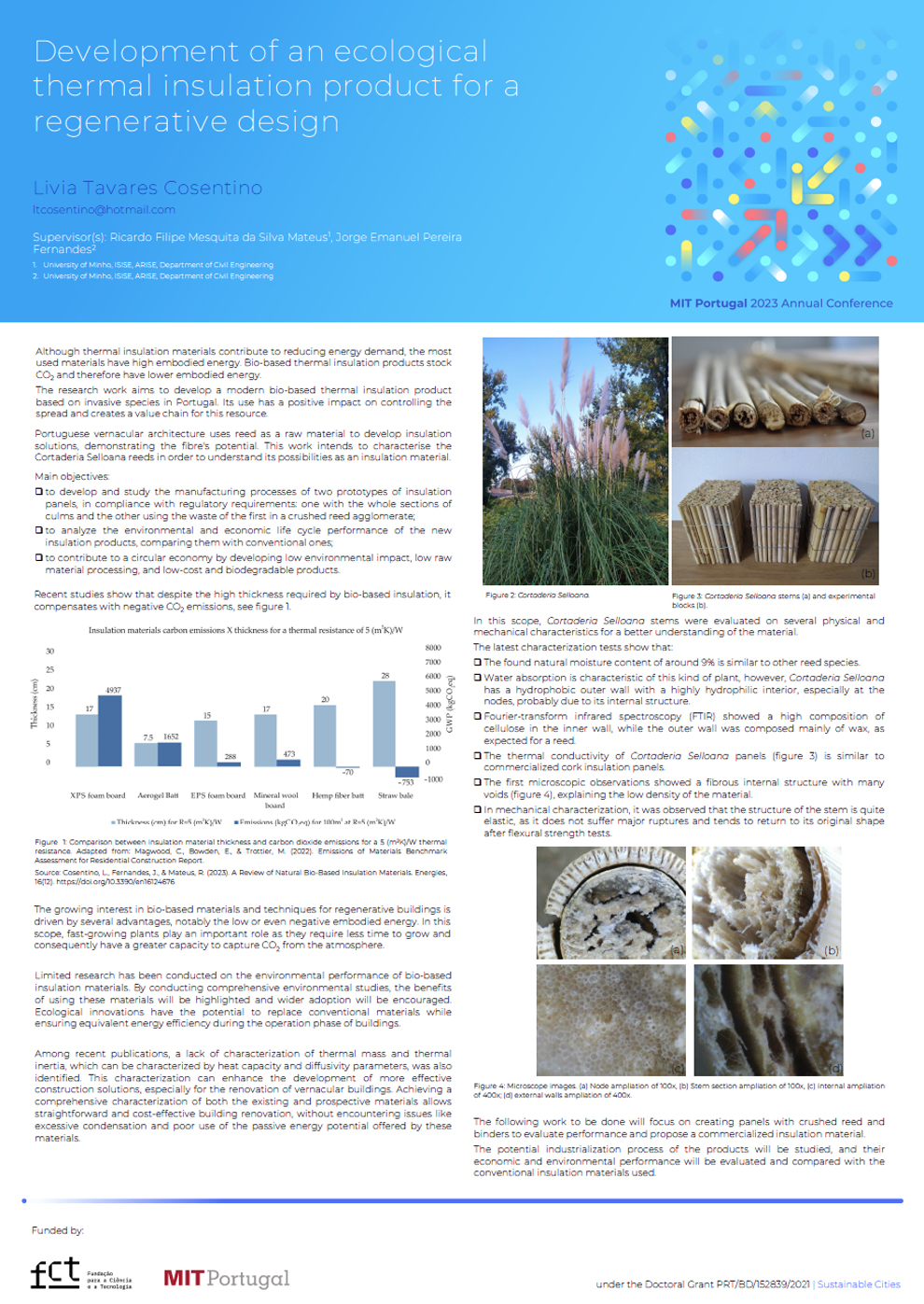
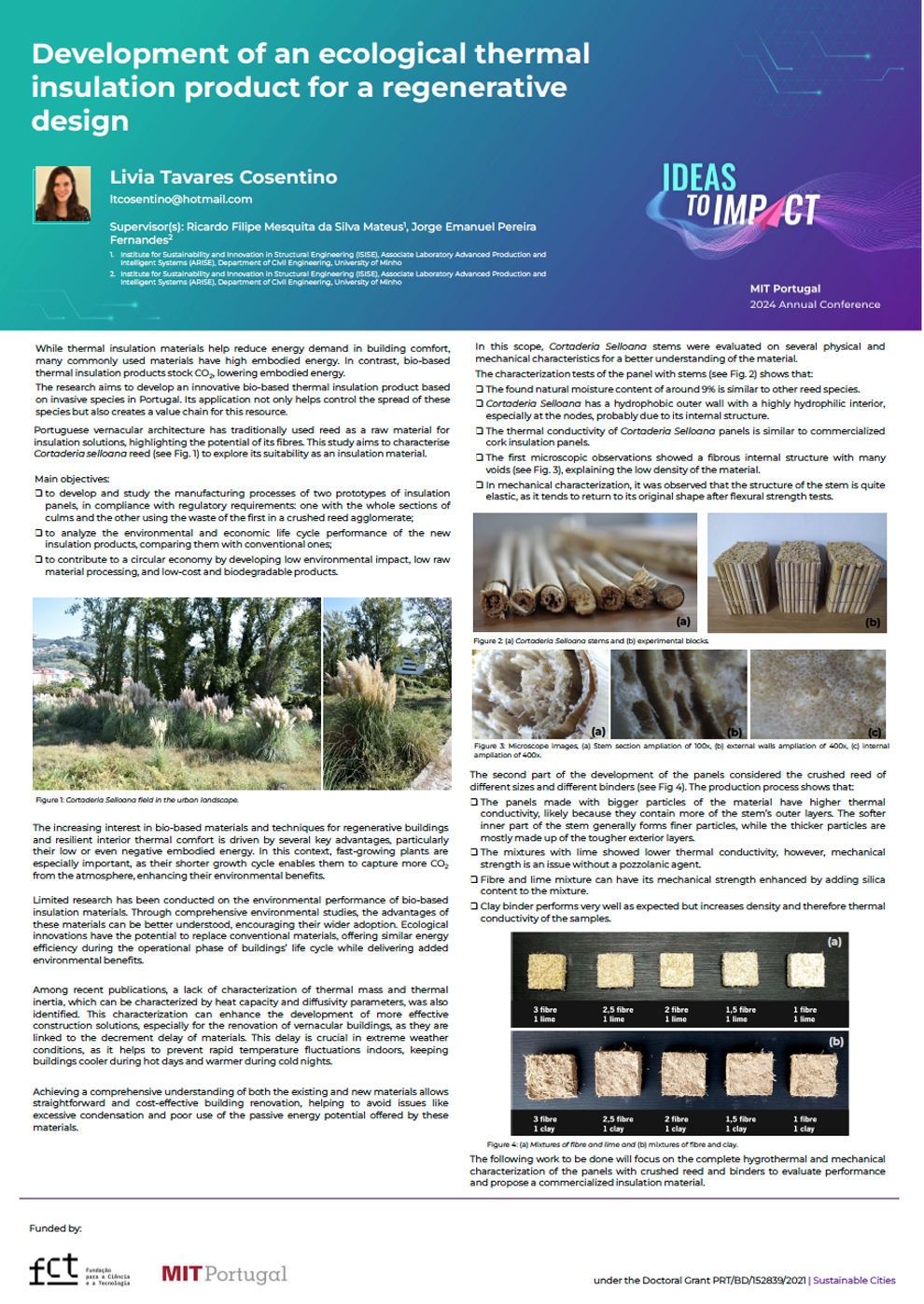
Events: 2023 Annual ConferenceResearch Area:Sustainable Cities32-Livia-TavaresCosentino.pdf (2.52 MB)
-
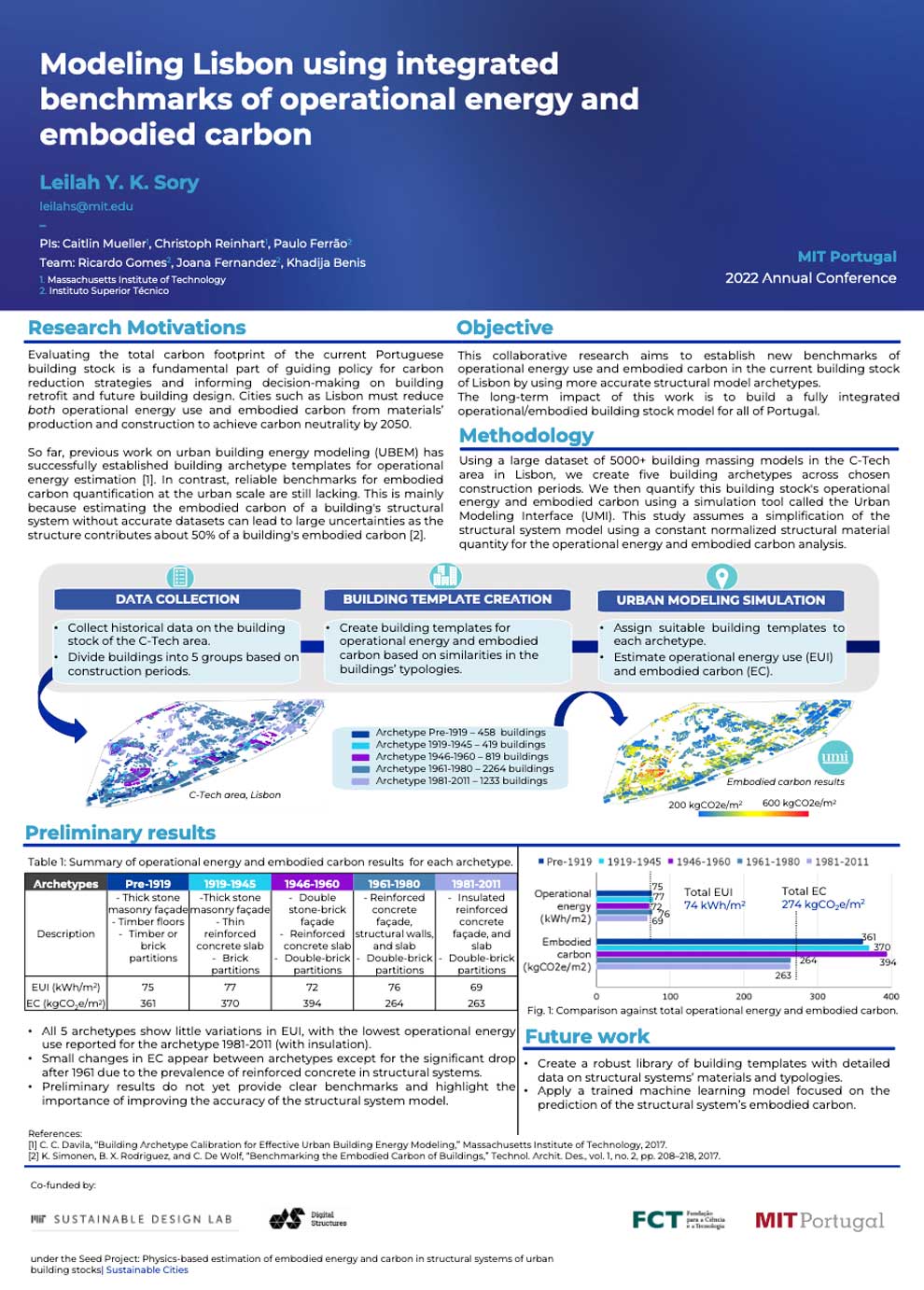
Events: 2022 Annual ConferenceResearch Area:Sustainable CitiesMPP-poster_Leilah_Sory_3.pdf (753.19 KB)
-
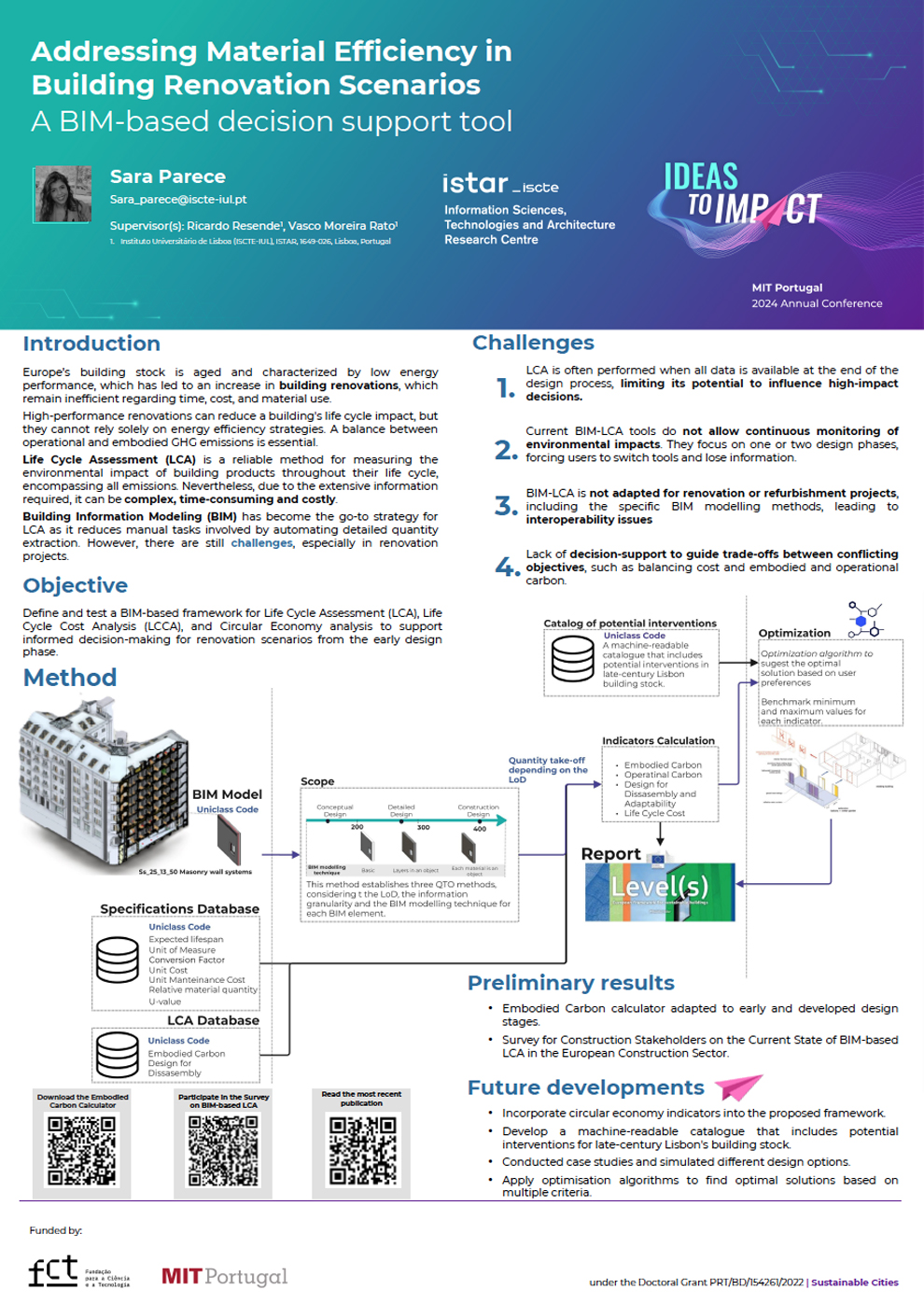
Events: 2024 Annual Conference: Research that Impacts SocietyResearch Area:Sustainable Cities95-sara-parece.pdf (3.35 MB)
-
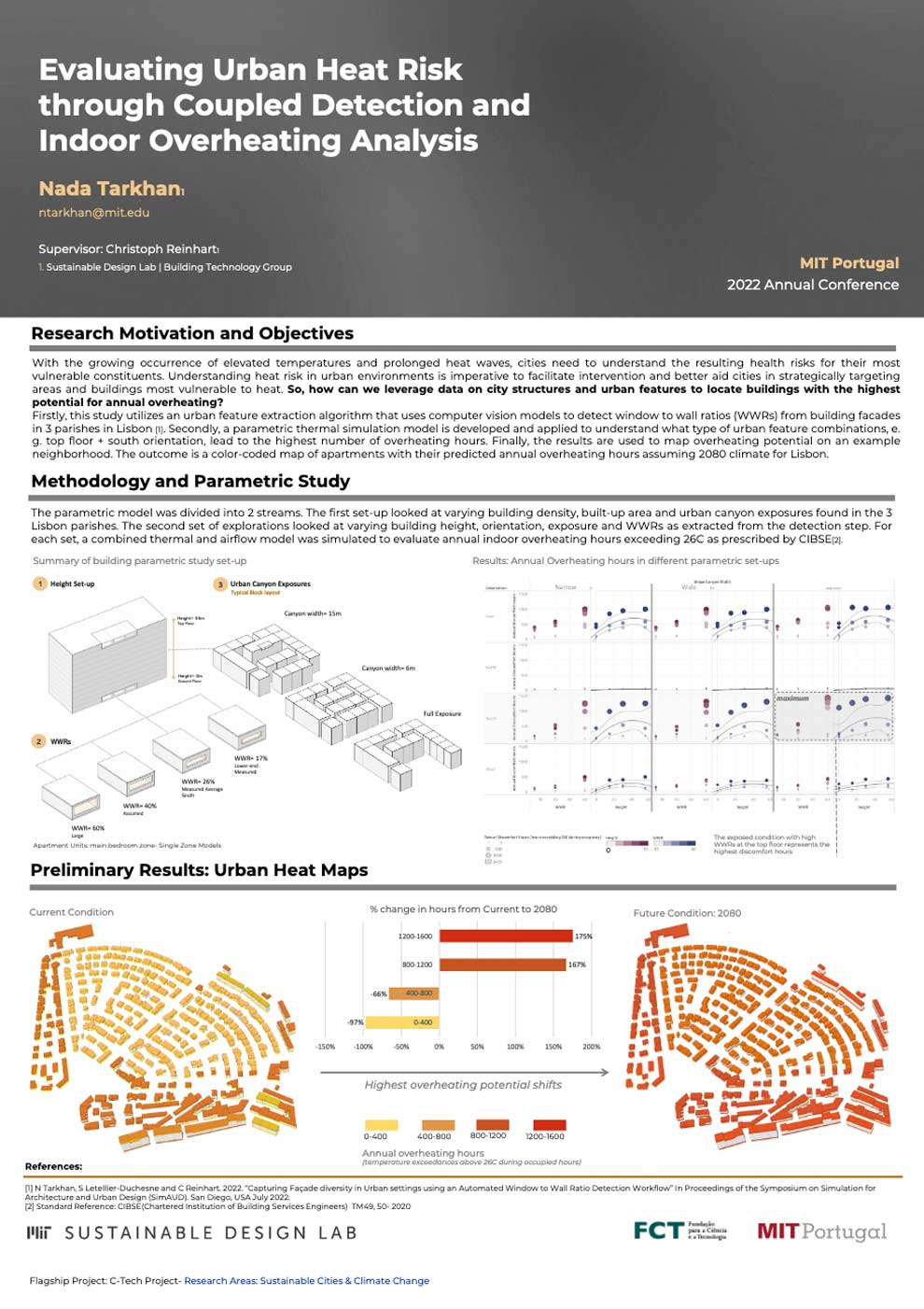
Events: 2022 Annual ConferenceResearch Area:Sustainable CitiesMPP-poster-NTarkhan-SDL.pdf (3.68 MB)
-
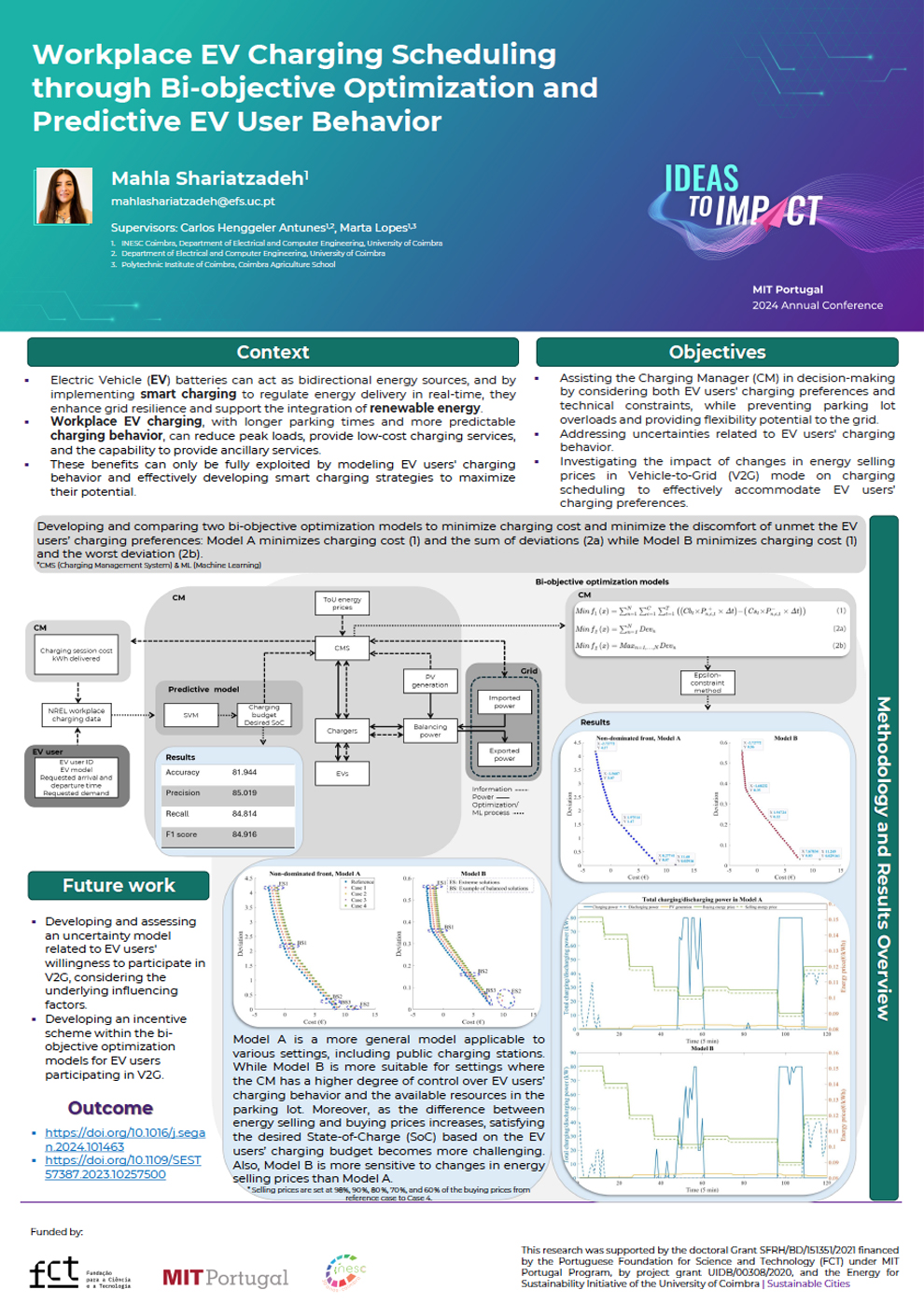
Events: 2024 Annual Conference: Research that Impacts SocietyResearch Area:Sustainable Cities99-mahla-shariatzadeh.pdf (3.24 MB)
-
-
-
-
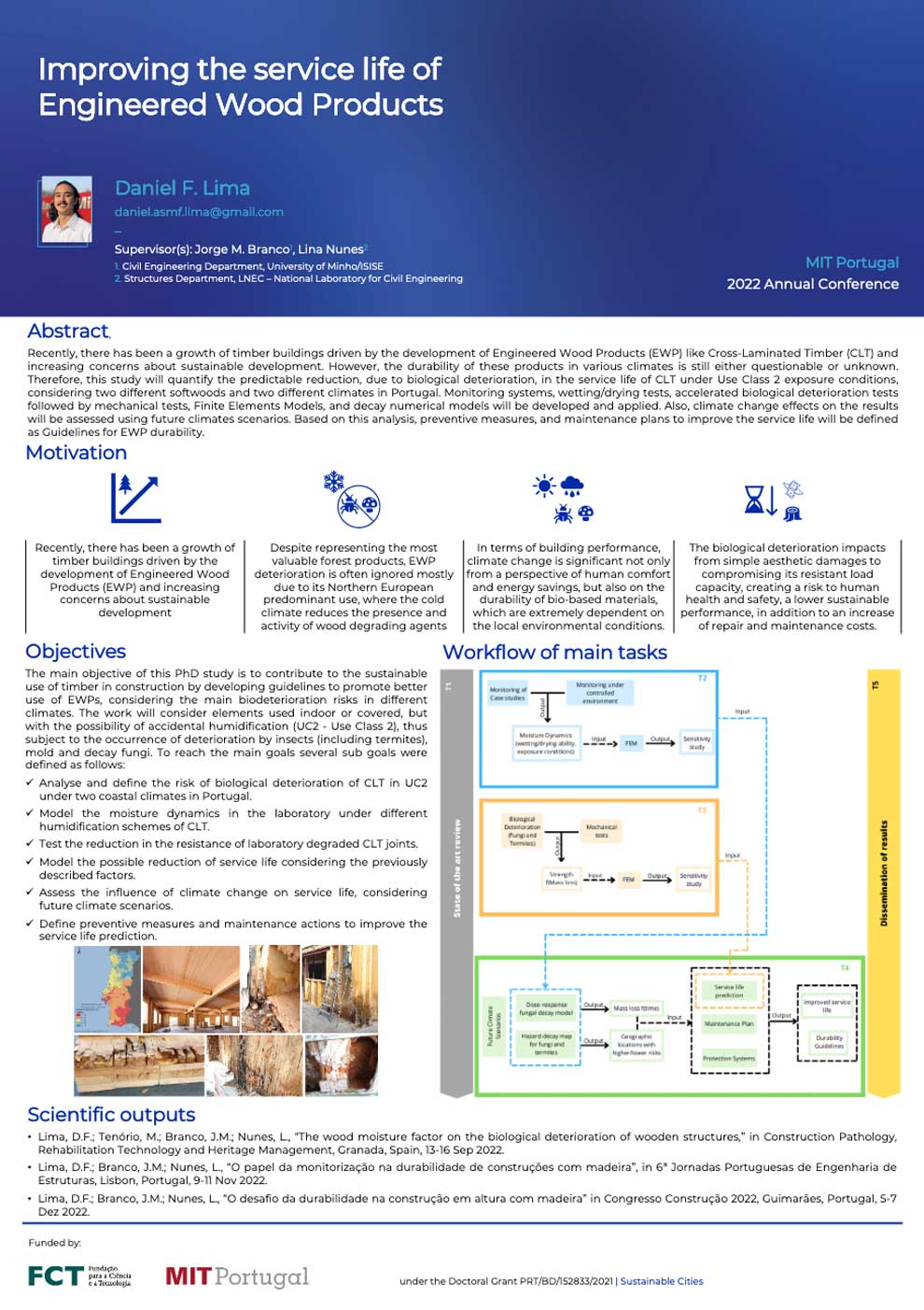
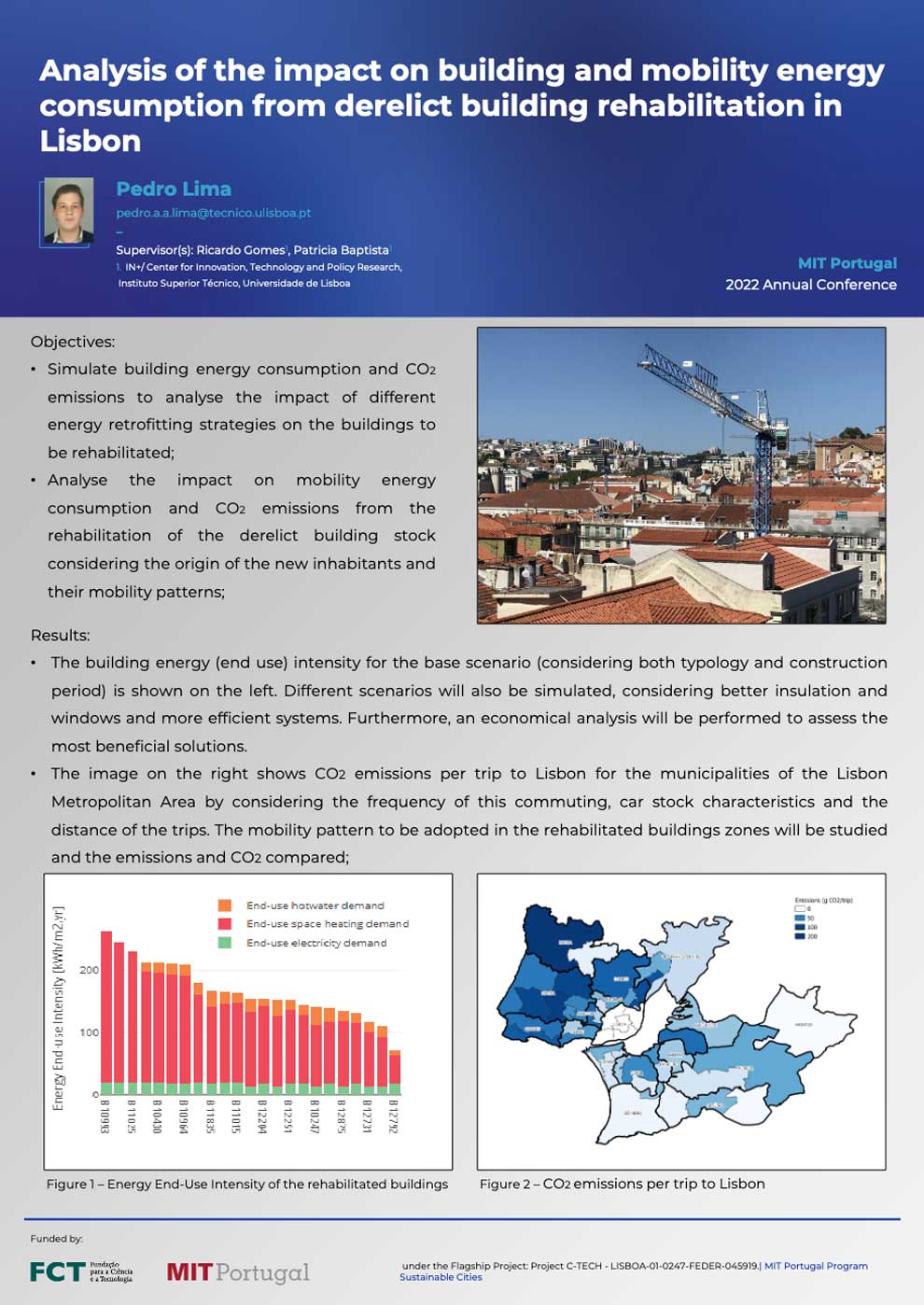
Events: 2022 Annual ConferenceResearch Area:Sustainable CitiesMPP-Posters-DanielFLima.pdf (820.93 KB)
-
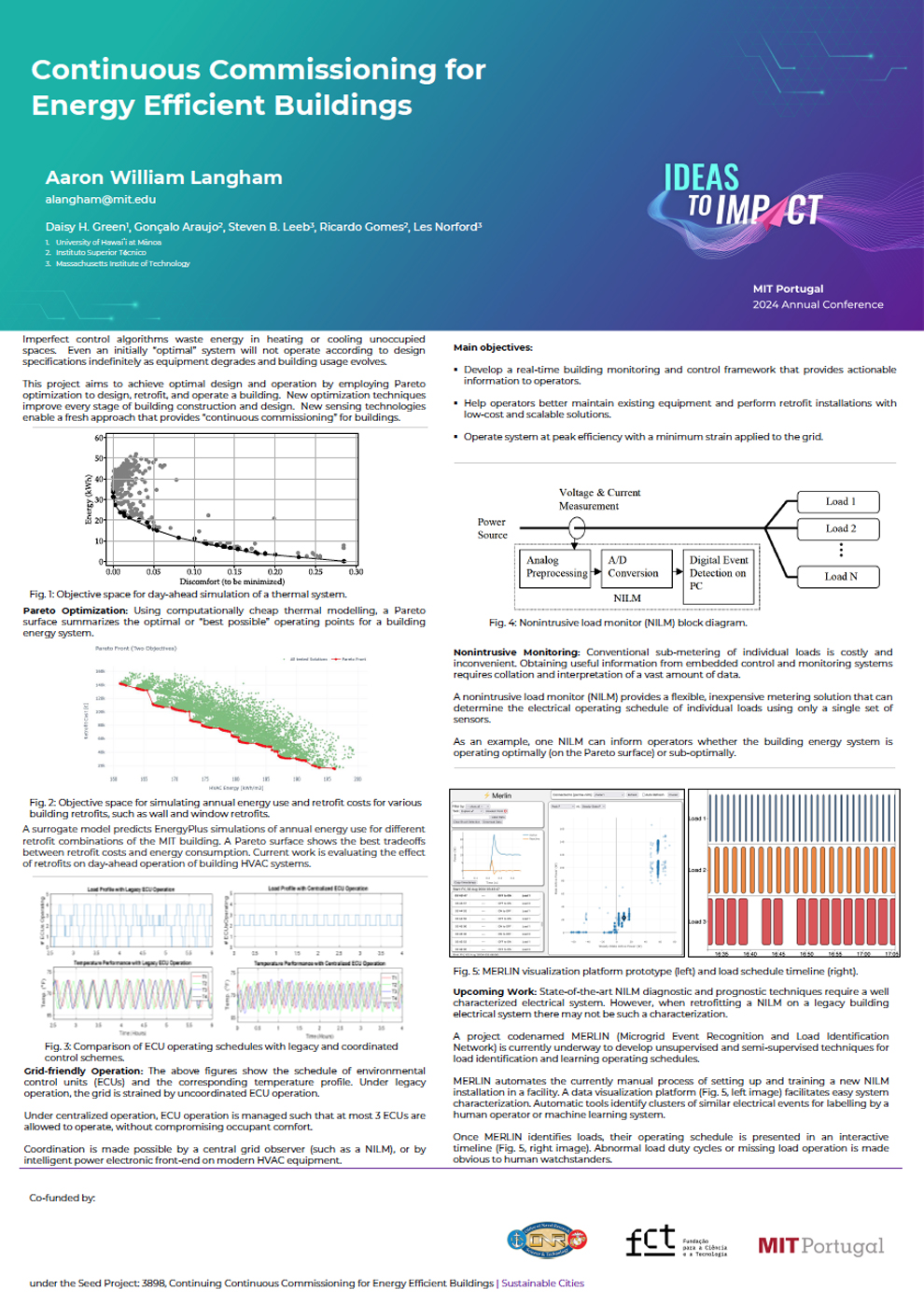
Events: 2024 Annual Conference: Research that Impacts SocietyResearch Area:Sustainable Cities94-aaron-langham.pdf (3.37 MB)
-
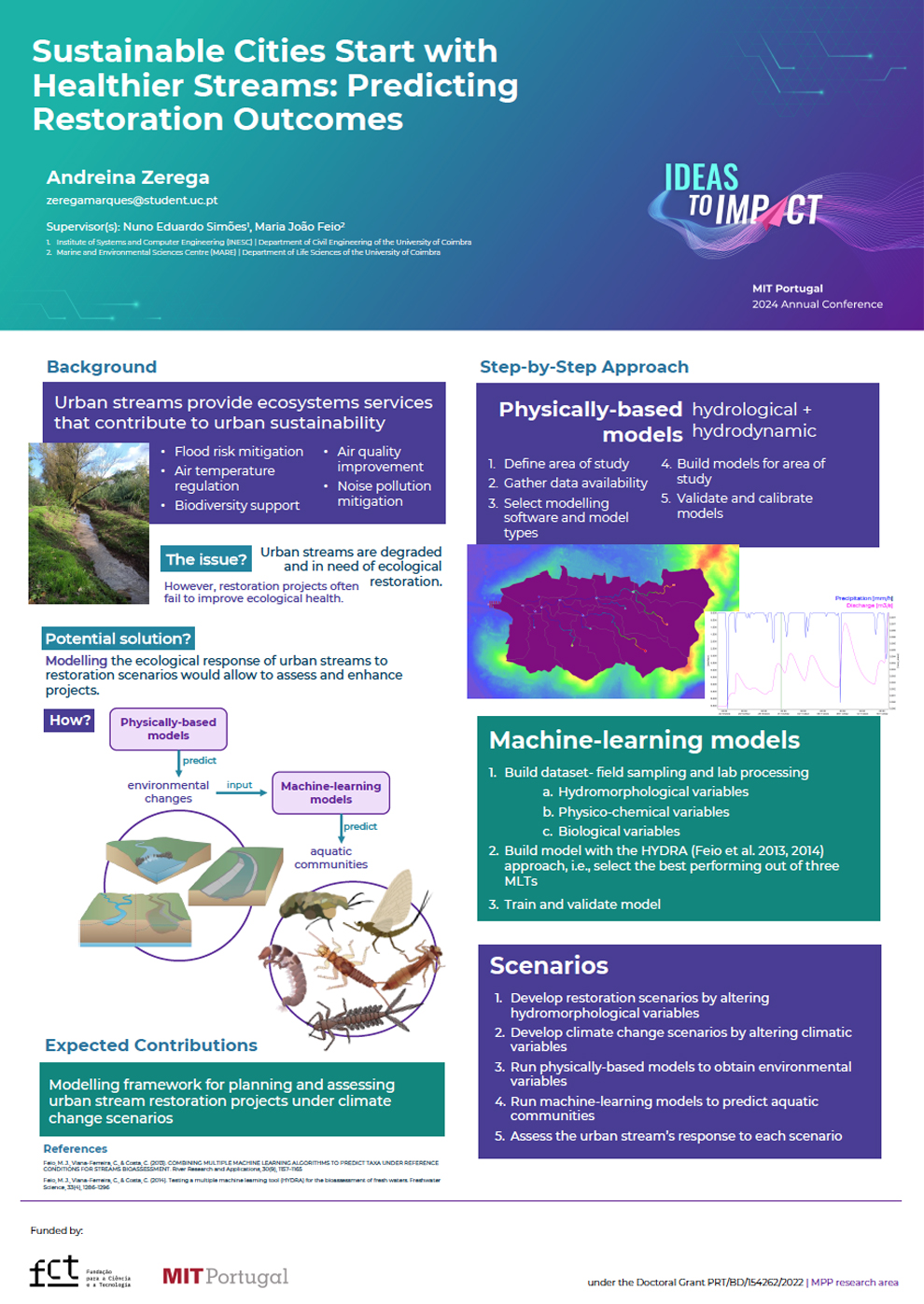
Events: 2024 Annual Conference: Research that Impacts SocietyResearch Area:Sustainable Cities75-andreina-zerega.pdf (3.14 MB)
-
-
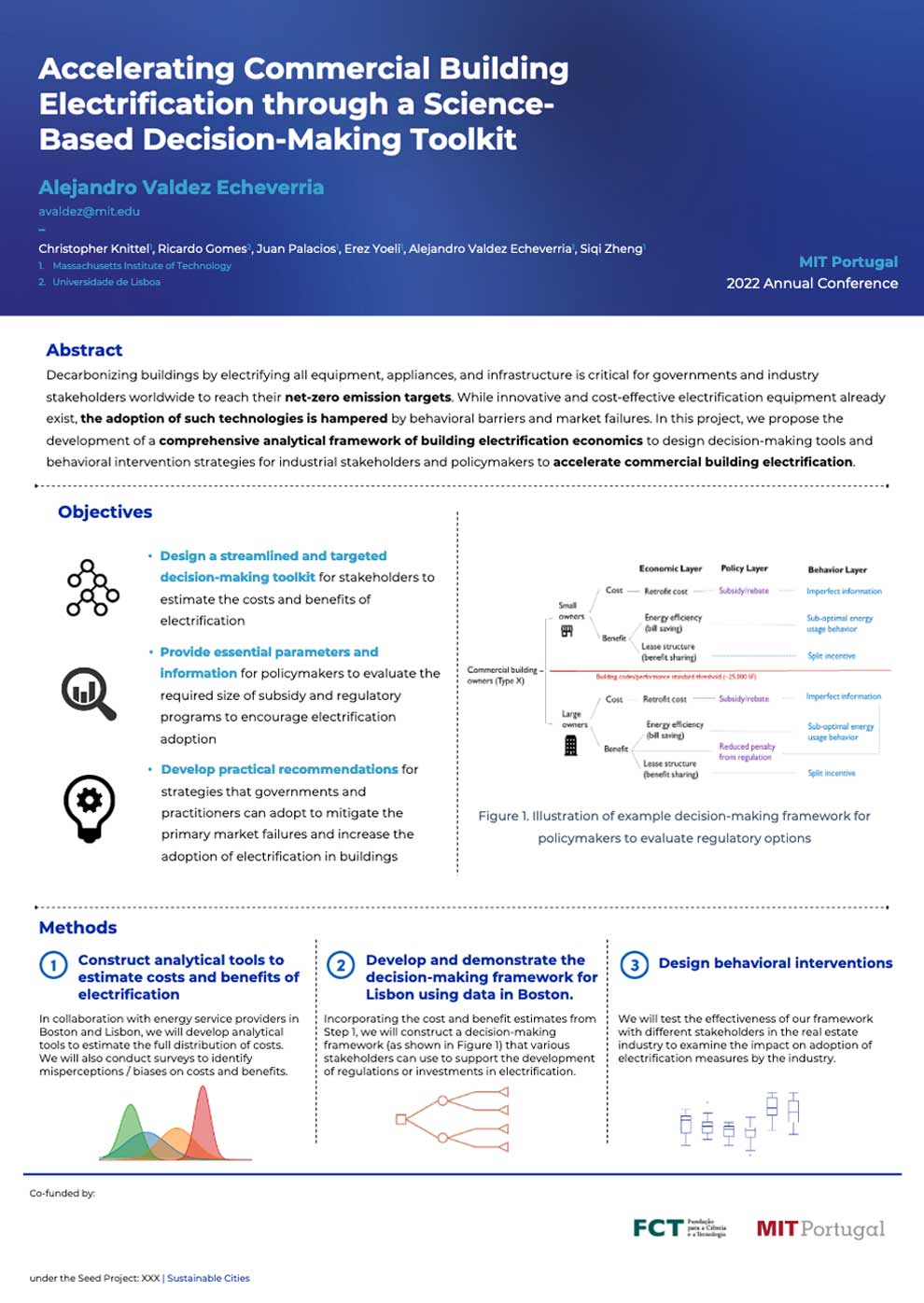
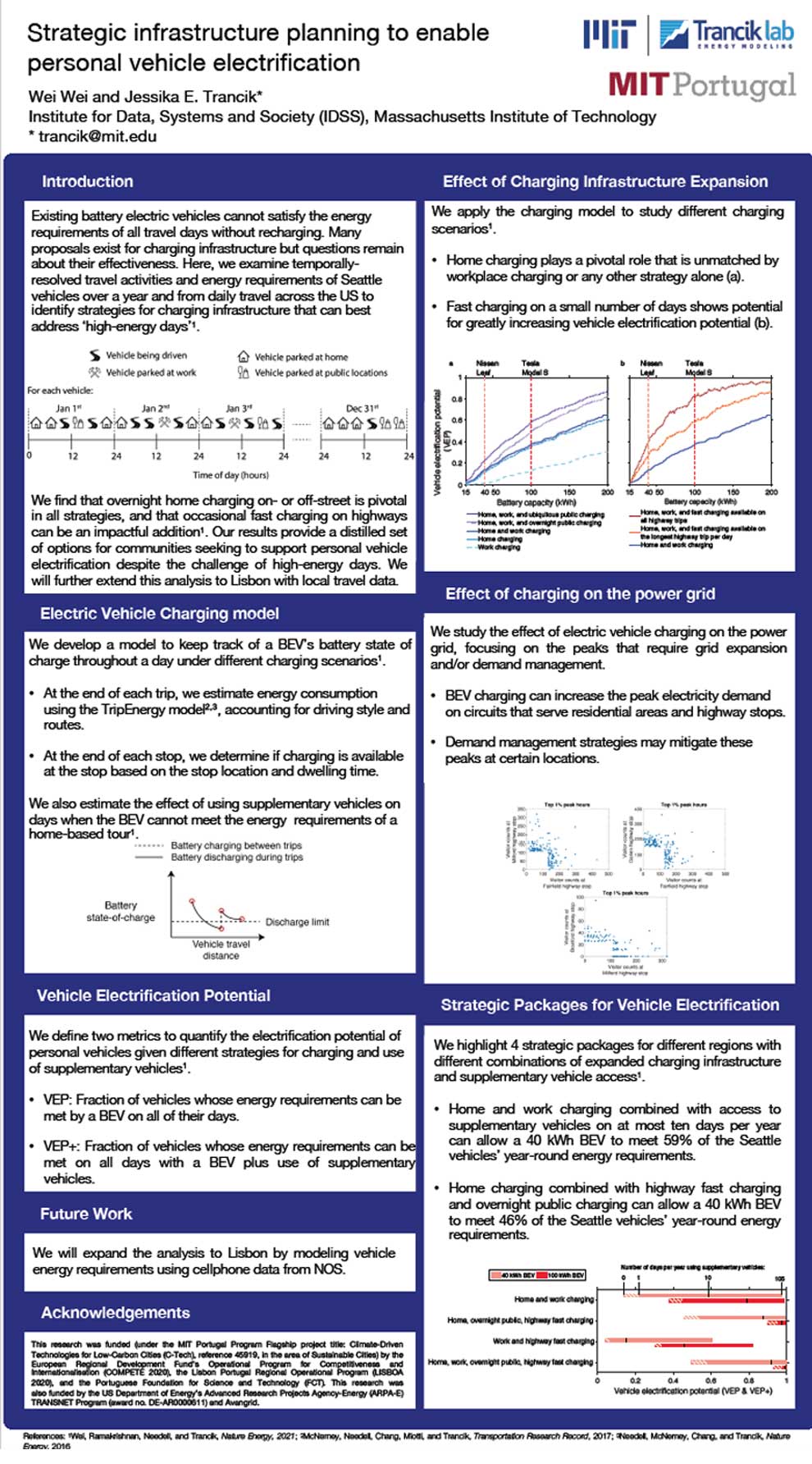
Events: 2022 Annual ConferenceResearch Area:Sustainable CitiesMPP-Poster_Electrification.pdf (754.45 KB)
-
-
Events: 2024 Annual Conference: Research that Impacts SocietyResearch Area:Sustainable Cities73-livia-tavares-cosentino.pdf (1.73 MB)
-
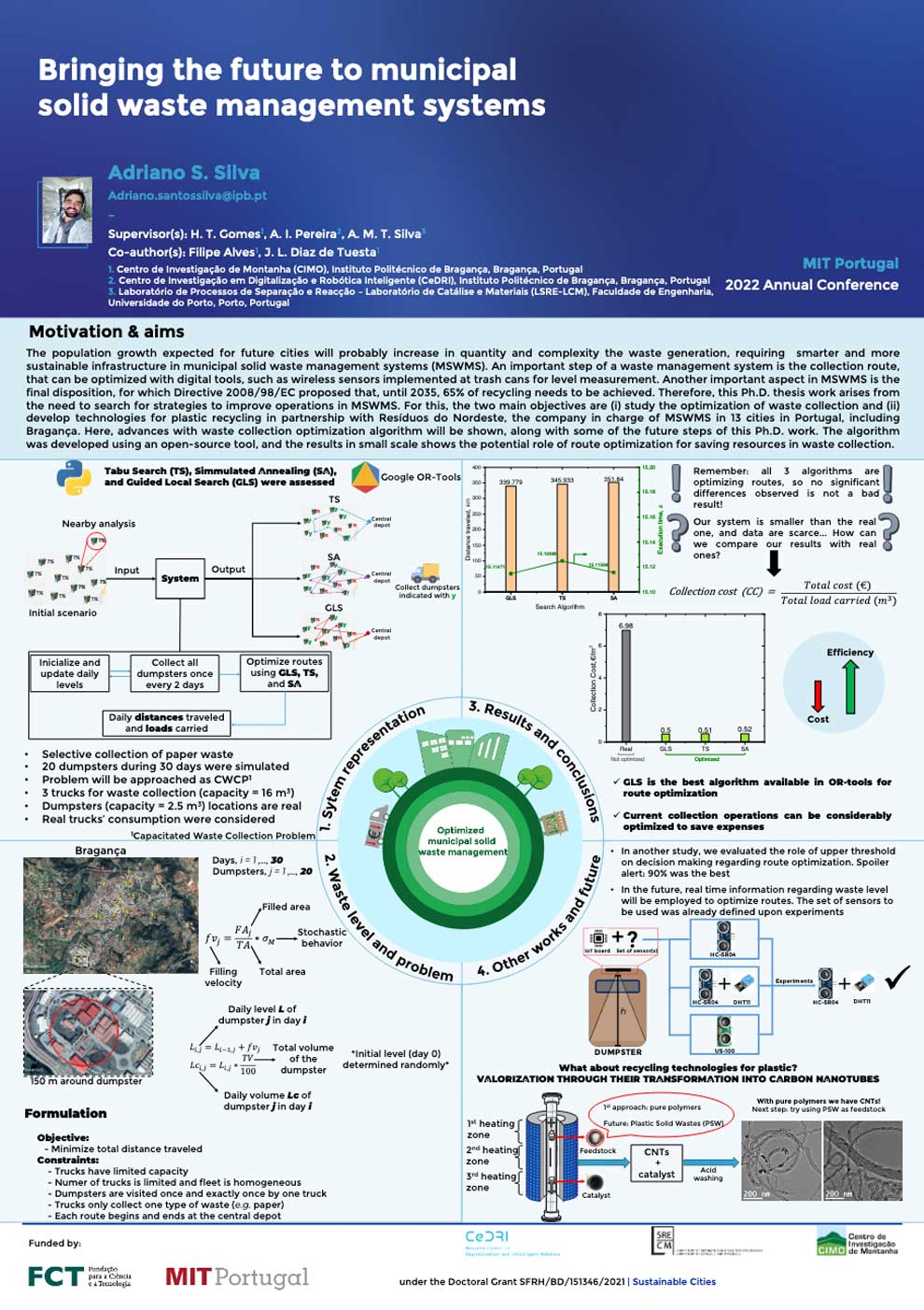
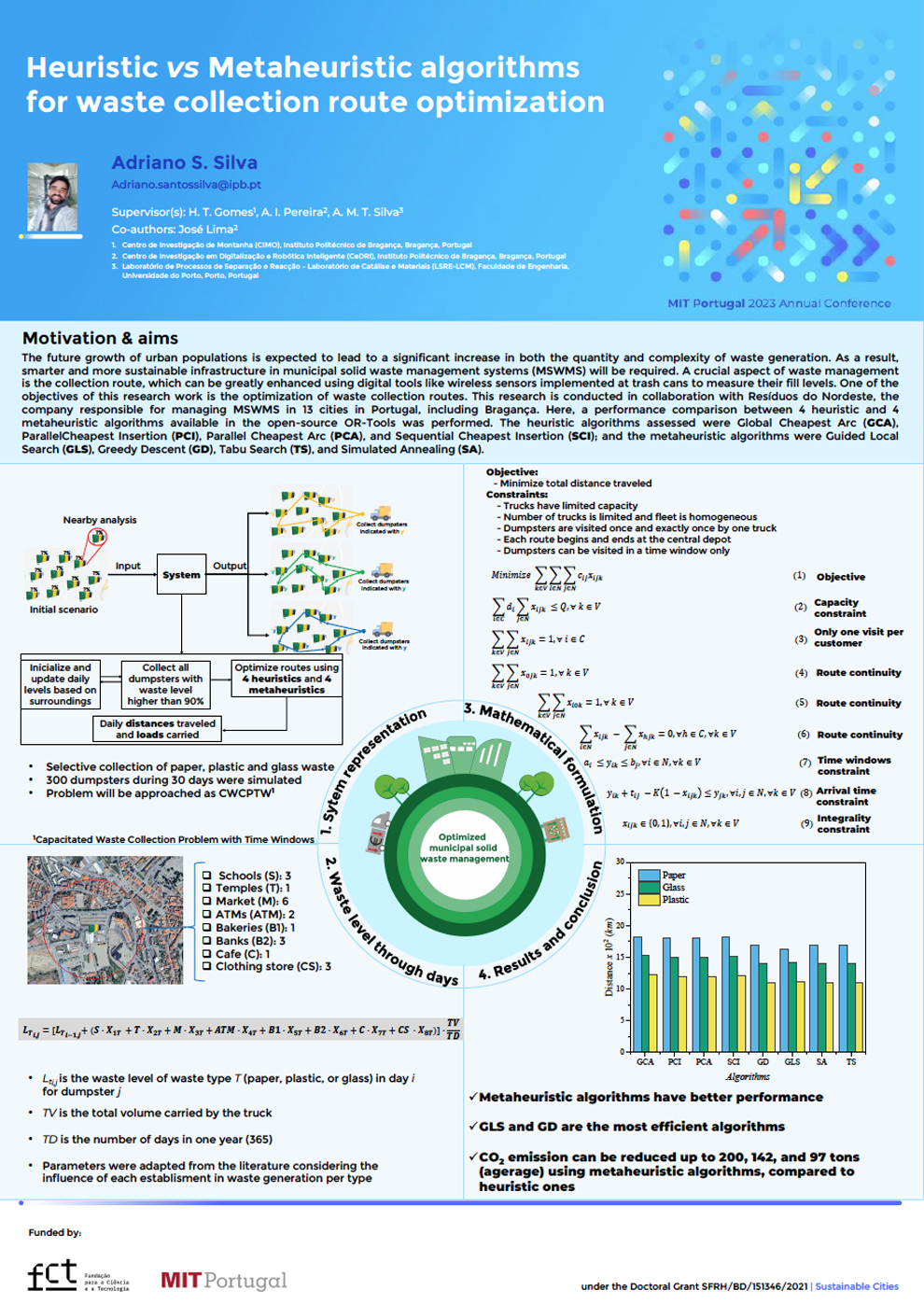
Events: 2022 Annual ConferenceResearch Area:Sustainable CitiesMPP_Poster_Adriano_Silva_v10.pdf (1.54 MB)
-
-
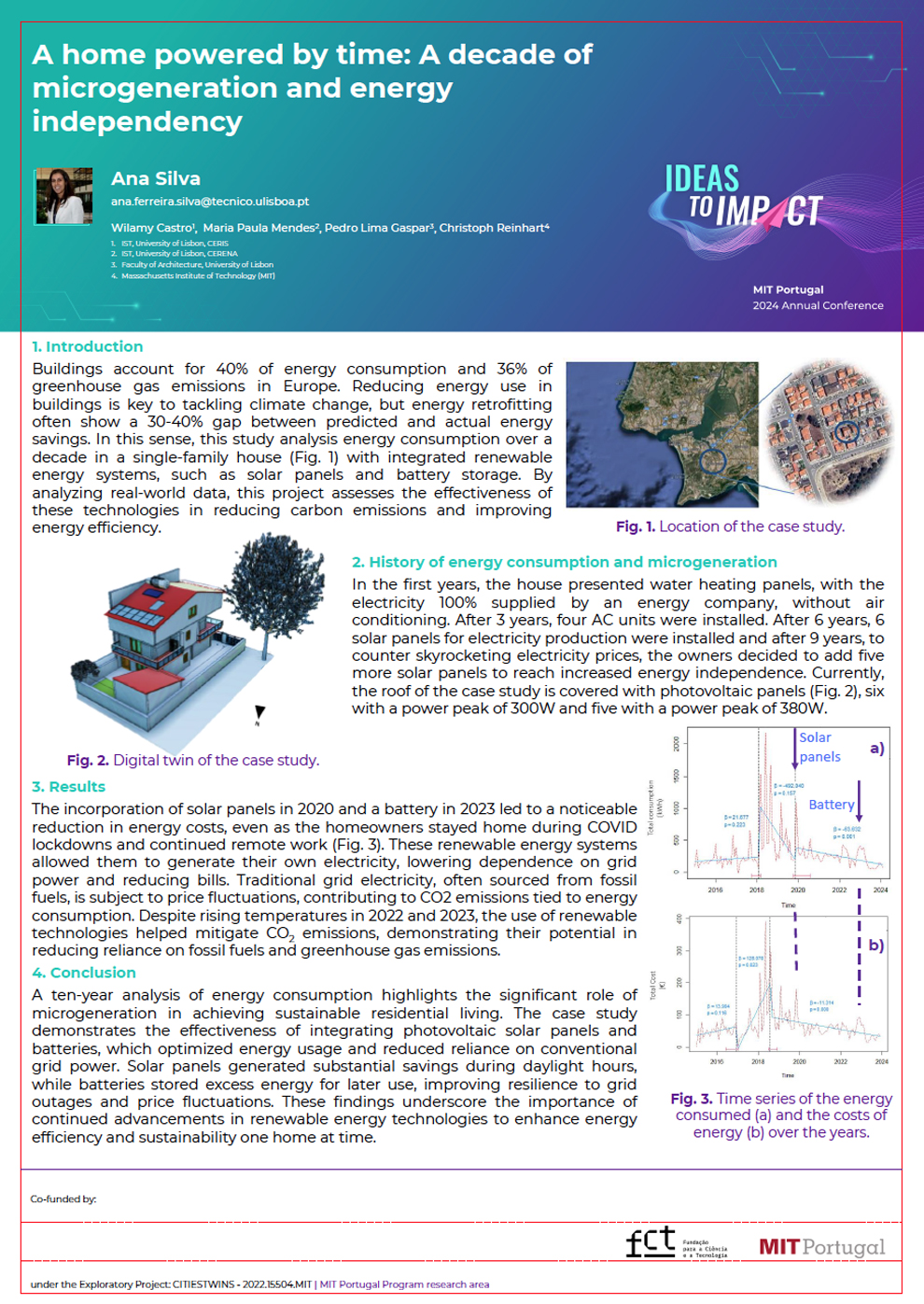
Events: 2024 Annual Conference: Research that Impacts SocietyResearch Area:Sustainable Cities74-ana-silva.pdf (2.75 MB)
-
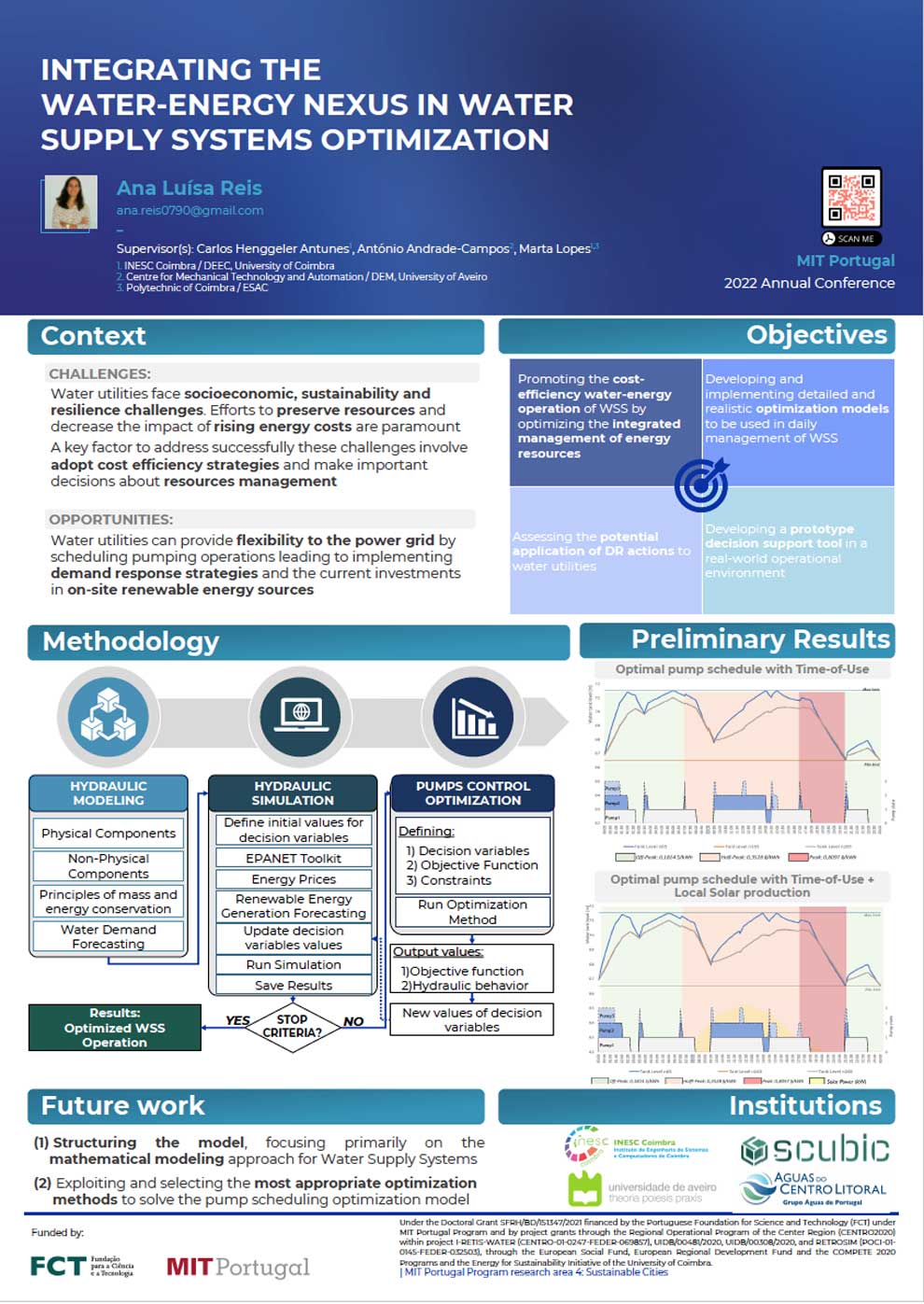
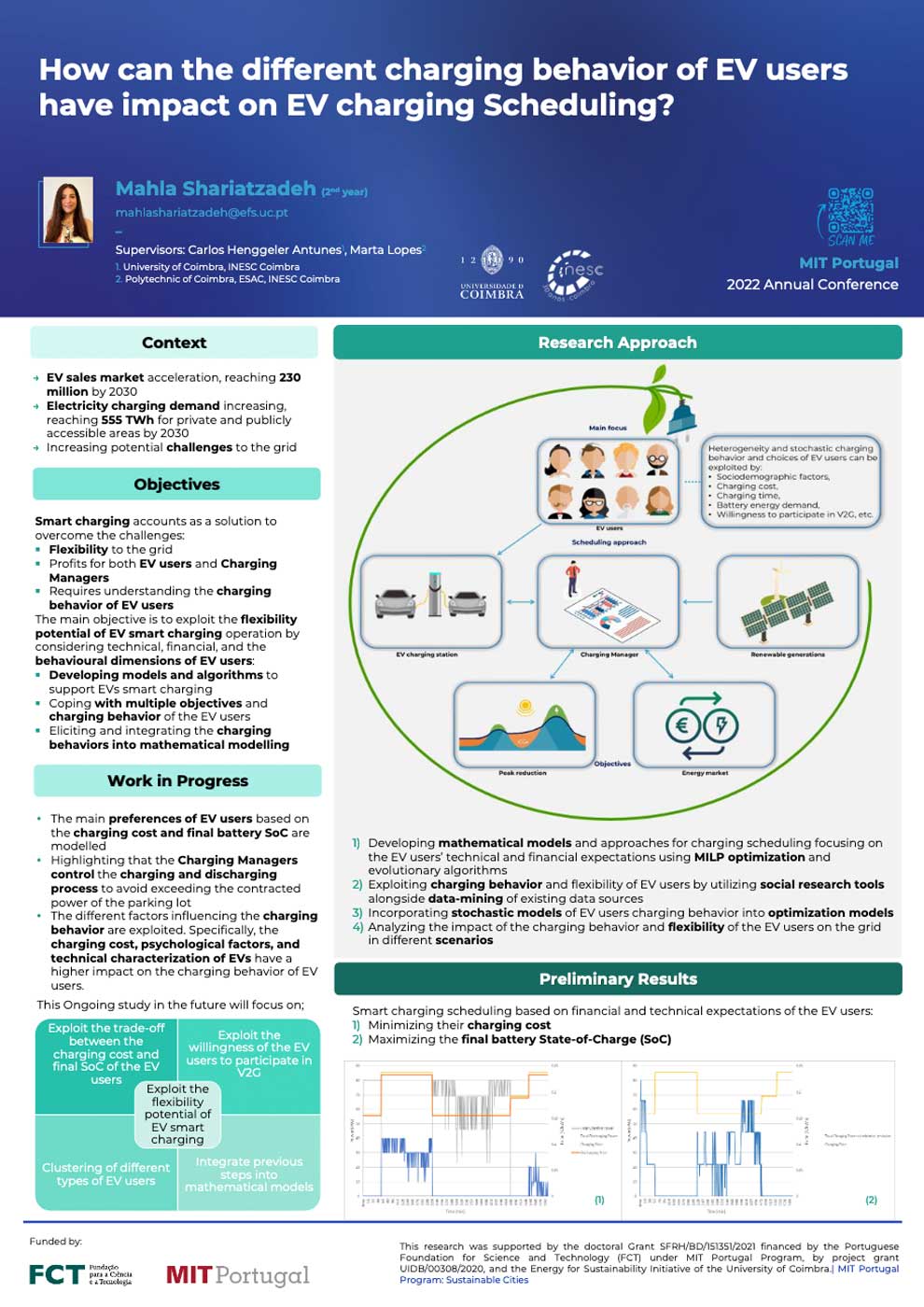
Events: 2022 Annual ConferenceResearch Area:Sustainable CitiesMPP-Poster-2022-Mahla-Shariatzadeh.pdf (719.66 KB)
-
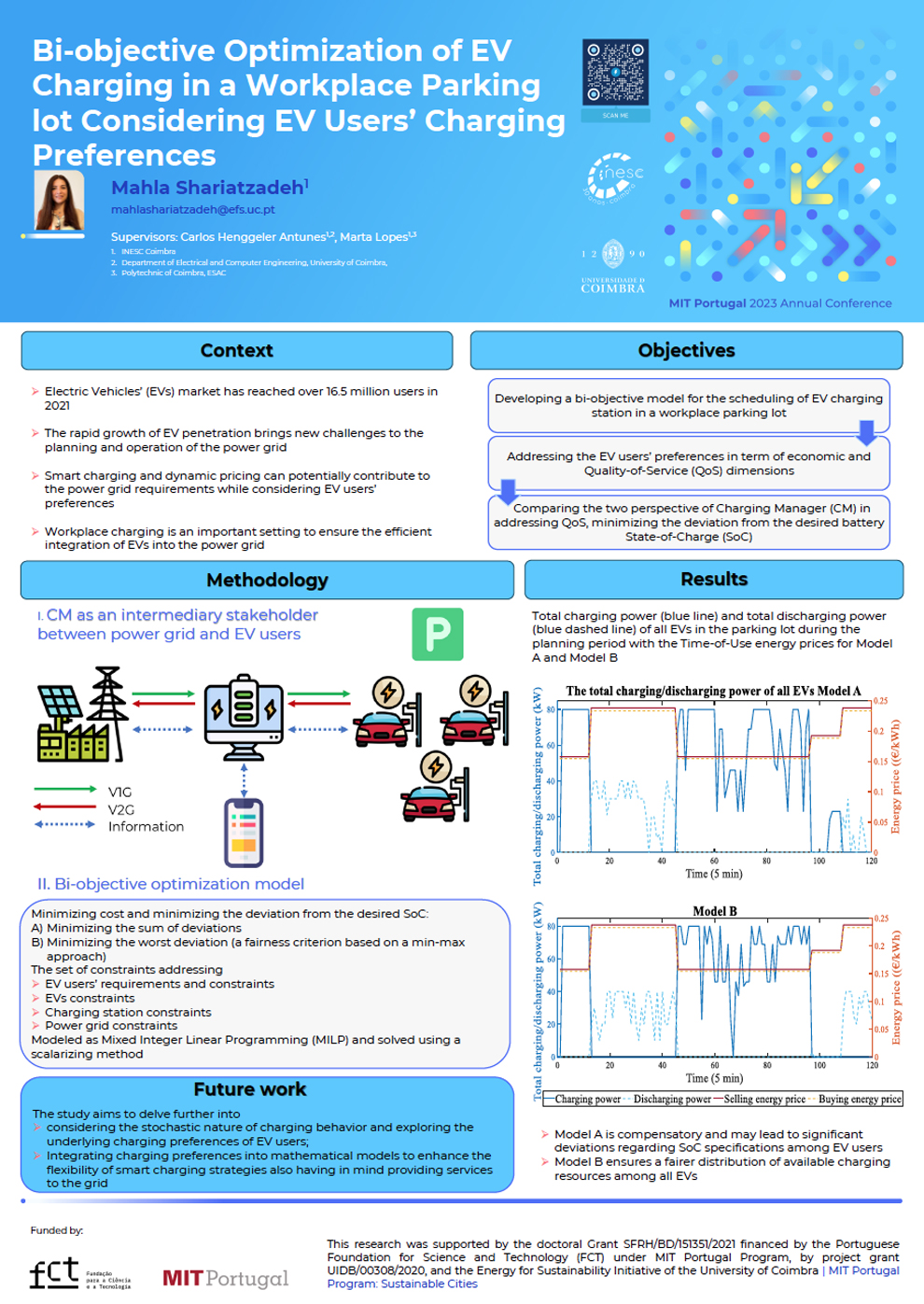
Events: 2023 Annual ConferenceResearch Area:Sustainable Cities25-Mahla-Shariatzadeh.pdf (1.83 MB)
-
-
Events: 2024 Annual Conference: Research that Impacts SocietyResearch Area:Sustainable Cities84-maryam-salati.pdf (3.15 MB)
-
-
Events: 2024 Annual Conference: Research that Impacts SocietyResearch Area:Sustainable Cities76-claudia-rodrigues.pdf (2.97 MB)
-
-
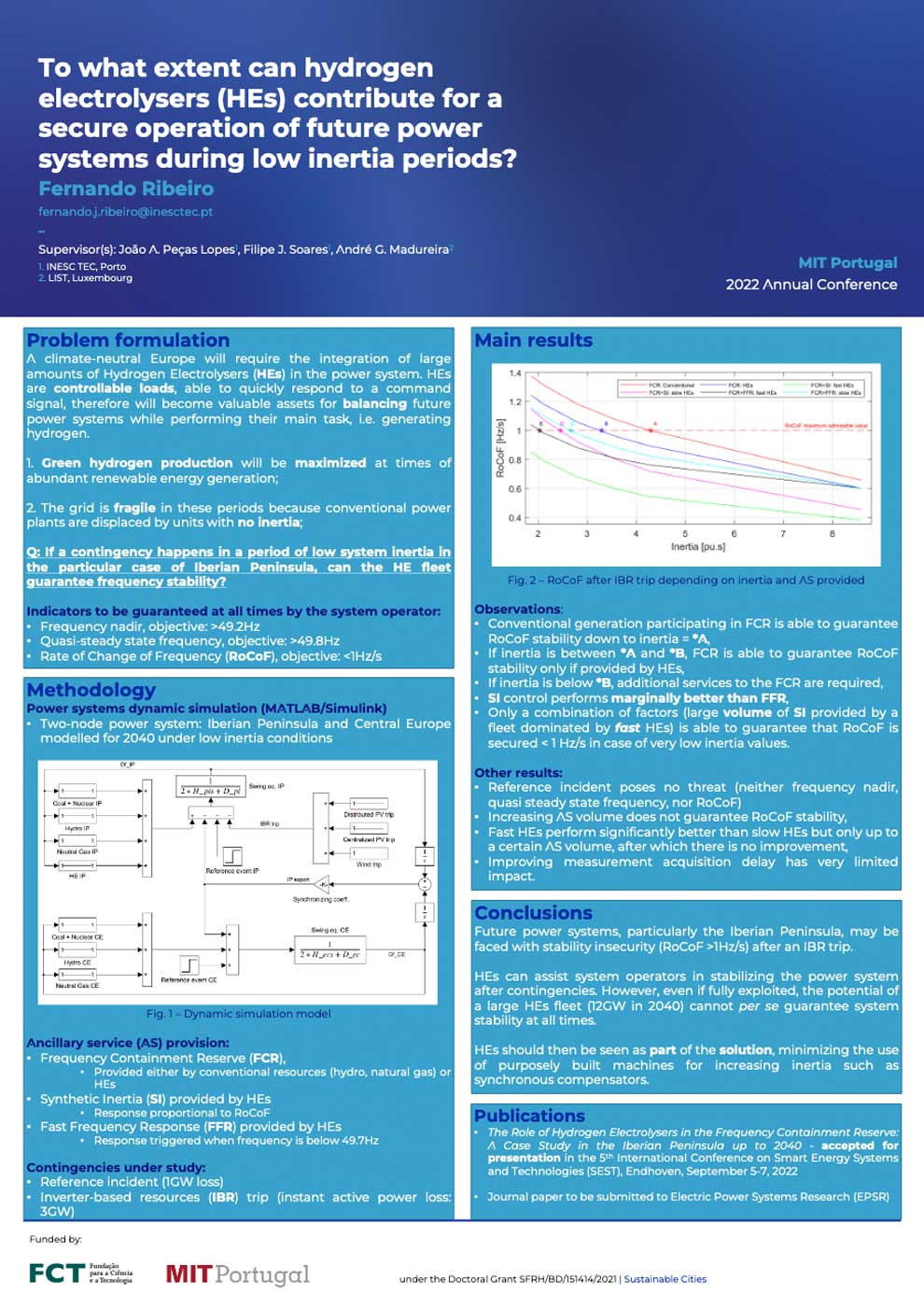
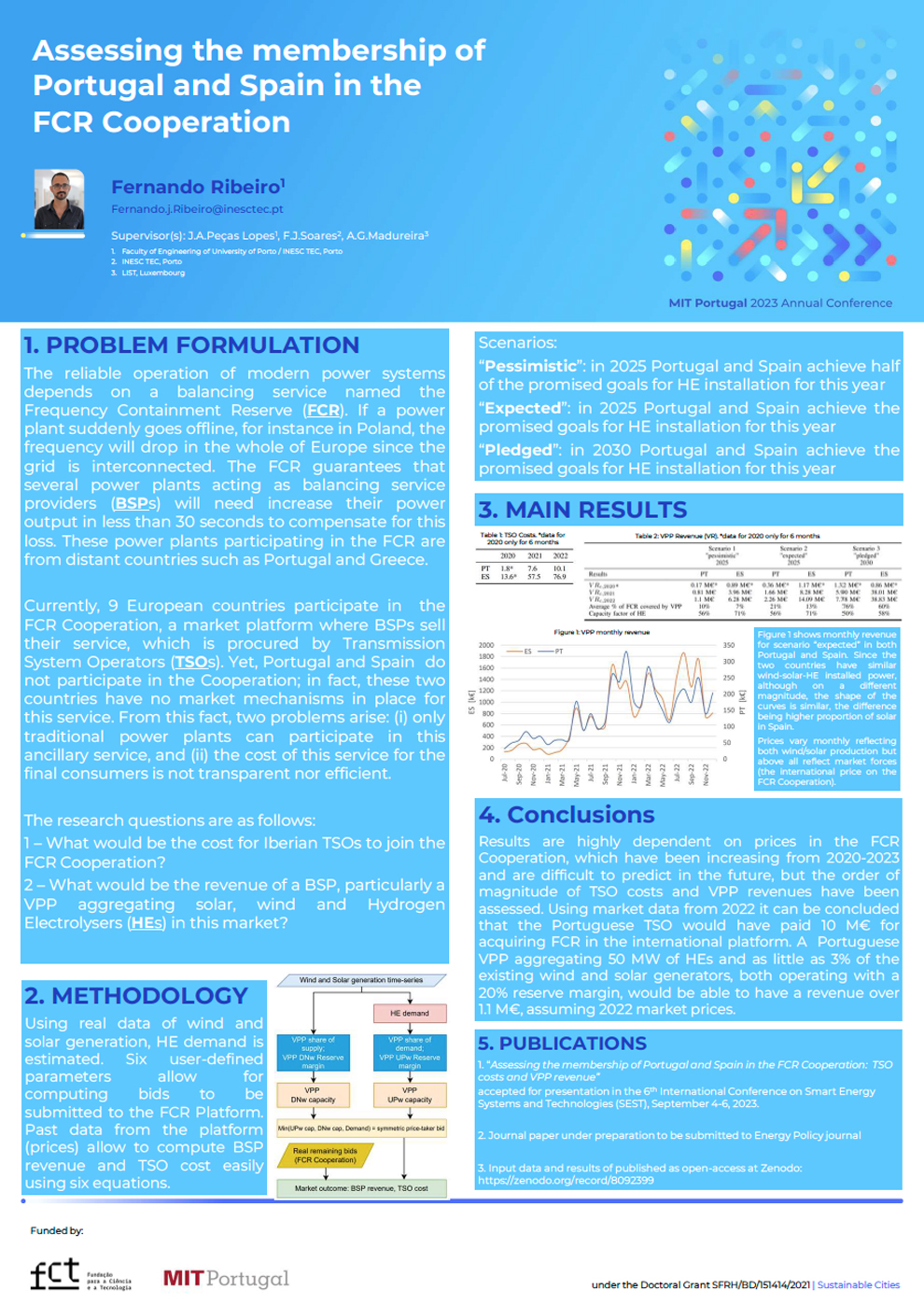
Events: 2023 Annual ConferenceResearch Area:Sustainable Cities10-Fernando-Ribeiro.pdf (309.99 KB)
-
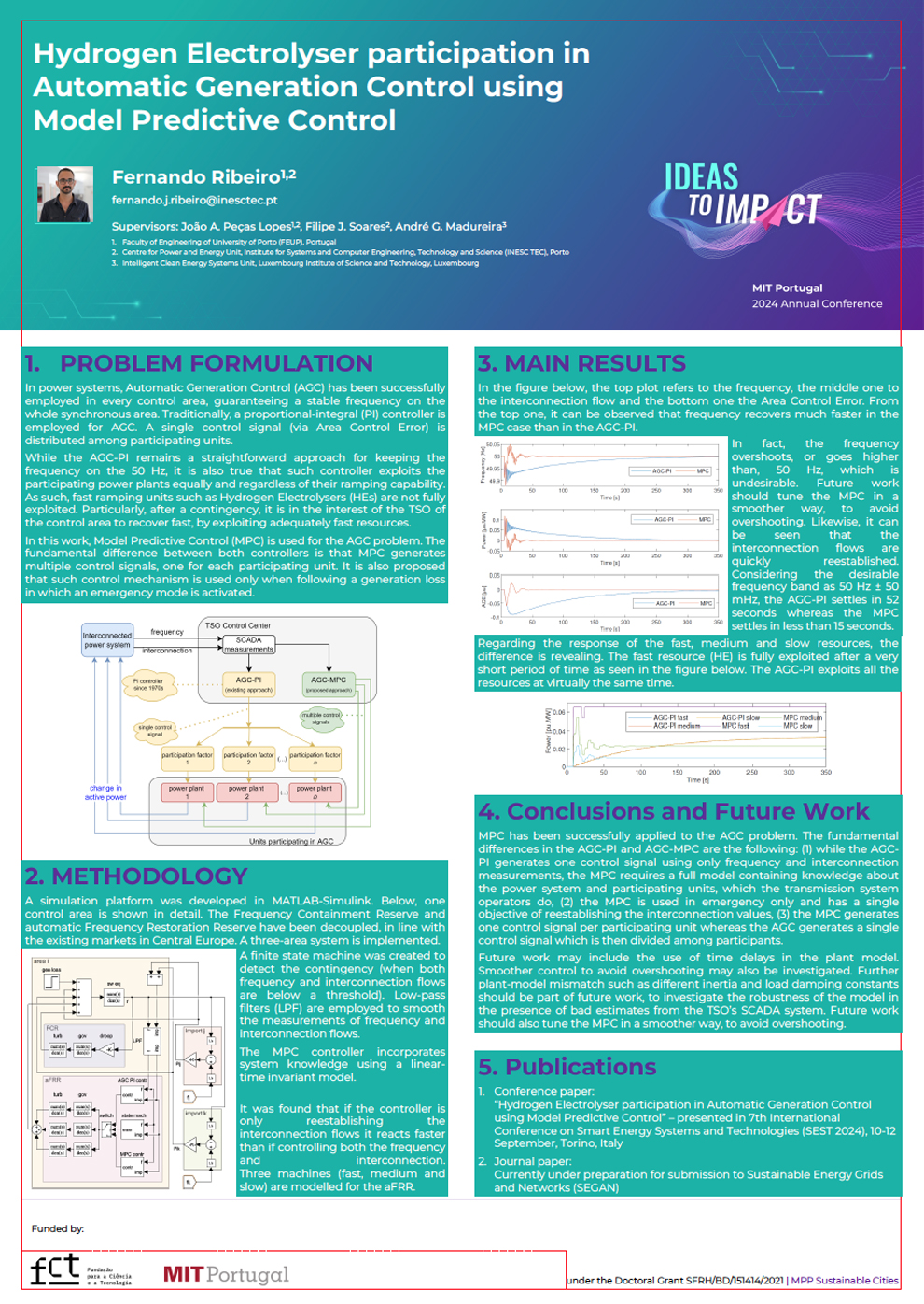
Events: 2024 Annual Conference: Research that Impacts SocietyResearch Area:Sustainable Cities66-fernando-ribeiro.pdf (2.91 MB)
-
-
-
Events: 2022 Annual ConferenceResearch Area:Sustainable CitiesMPP-Posters-template_students.pdf (531.17 KB)
-
-
Events: 2024 Annual Conference: Research that Impacts SocietyResearch Area:Sustainable Cities86-anne-patricio.pdf (1.44 MB)
-
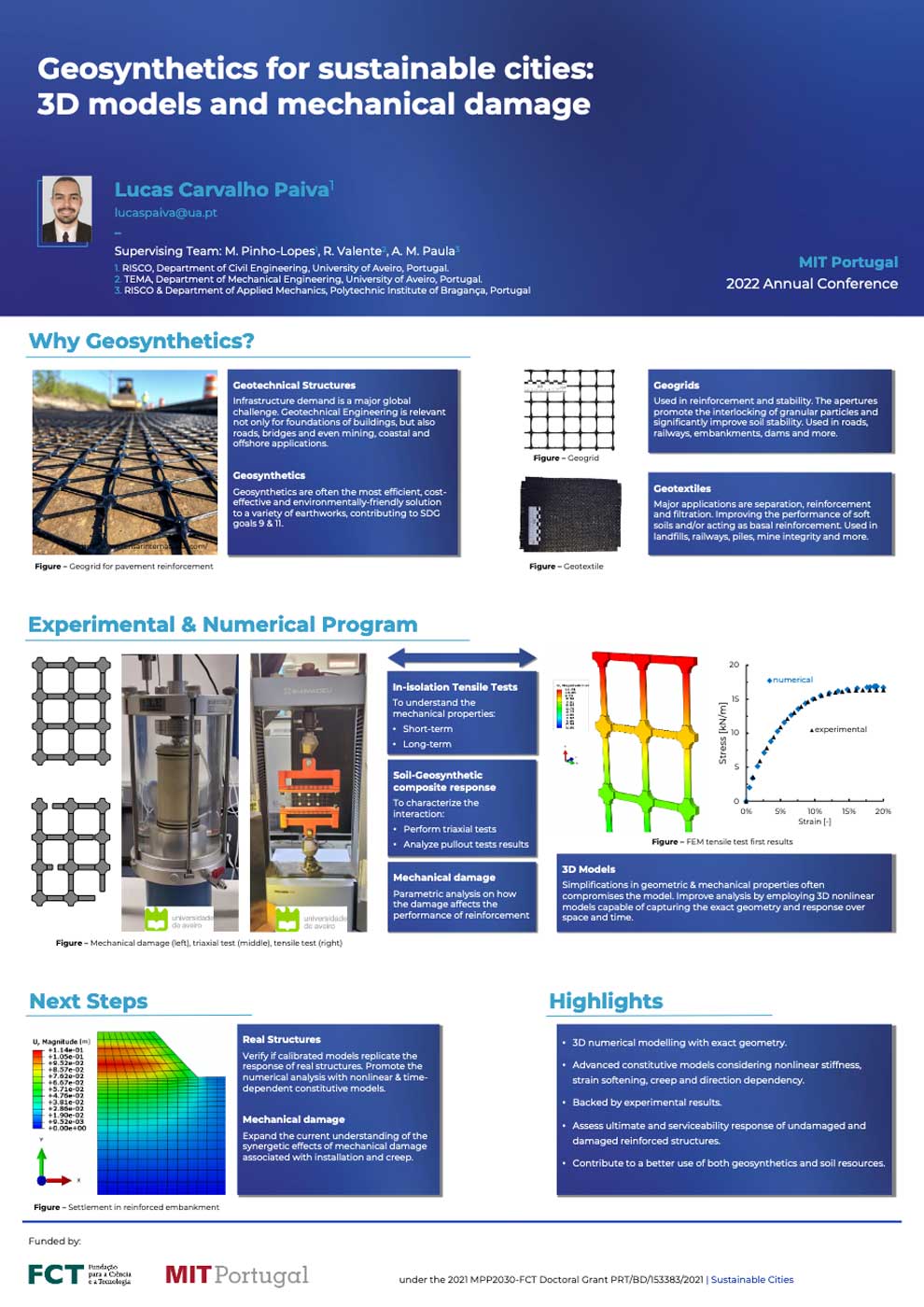
Events: 2022 Annual ConferenceResearch Area:Sustainable CitiesLucasPaiva_MPP-Posters-students.pdf (943.67 KB)
-
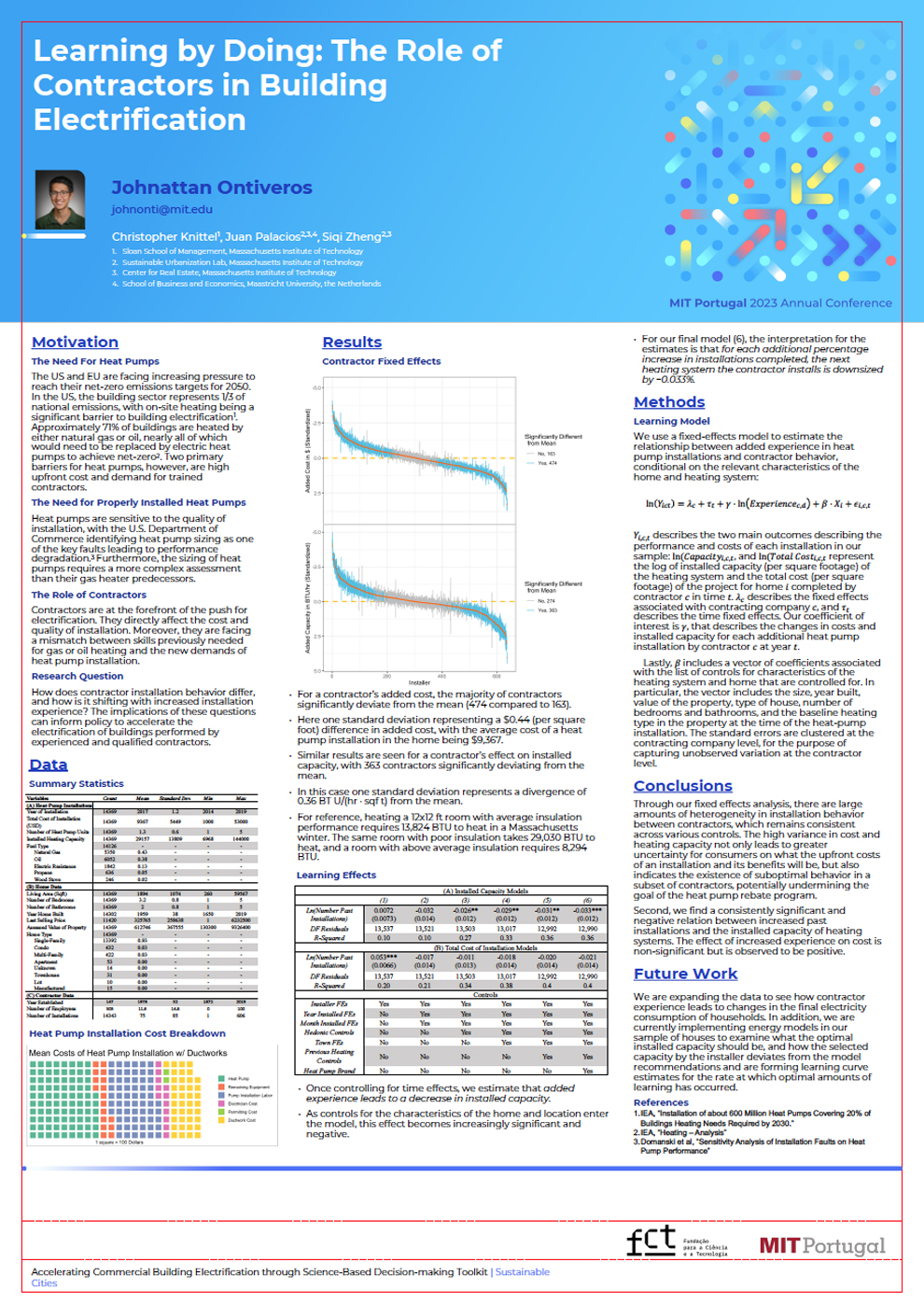
Events: 2023 Annual ConferenceResearch Area:Sustainable Cities63-Johnattan-Ontiveros.pdf (4.79 MB)
-
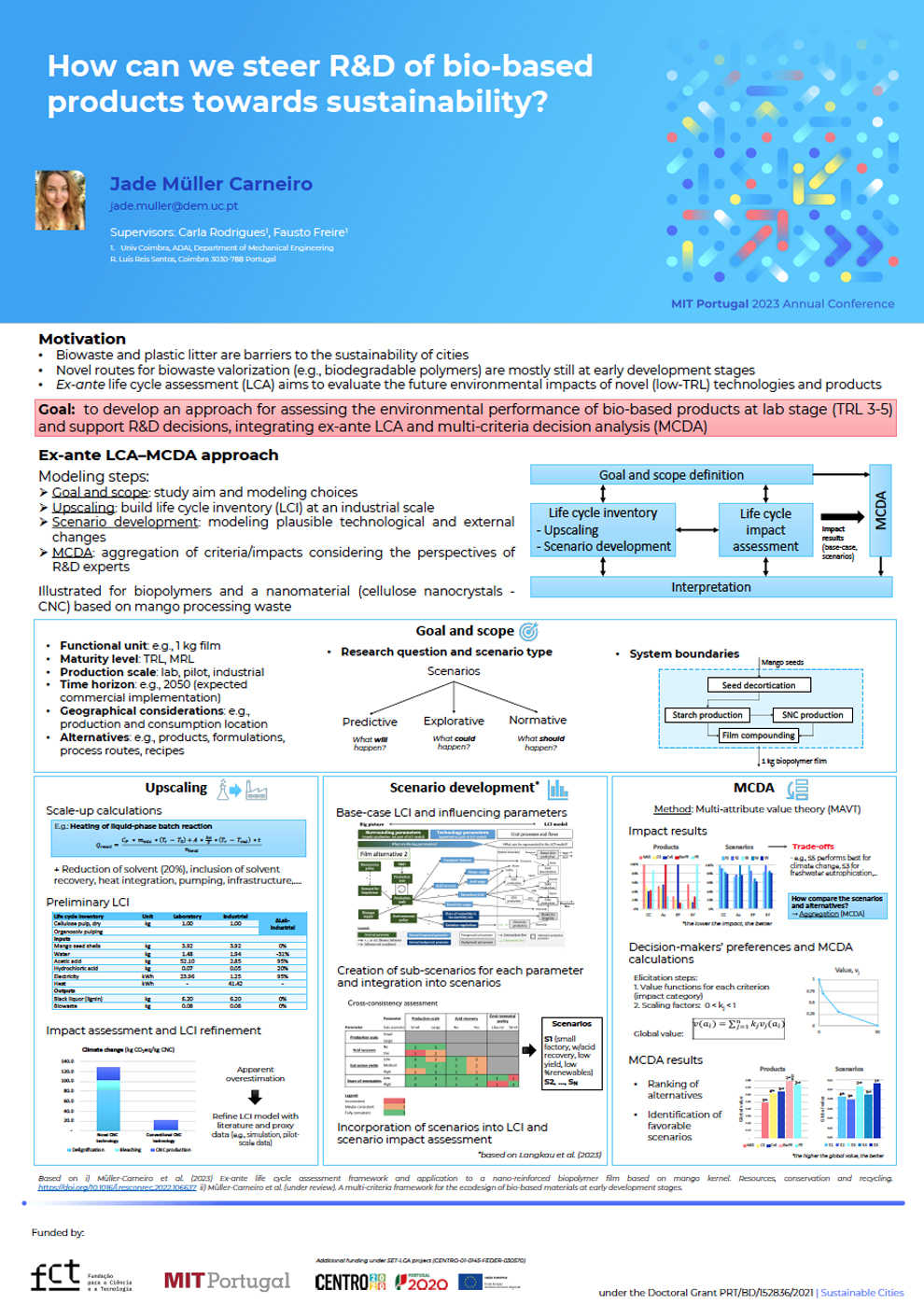
Events: 2023 Annual ConferenceResearch Area:Sustainable Cities33-Jade-MullerCarneiro.pdf (5.03 MB)
-
-
-
-
Events: 2022 Annual ConferenceResearch Area:Sustainable CitiesMPP-Posters-TiagoMindrico_0.pdf (674.84 KB)
-
-
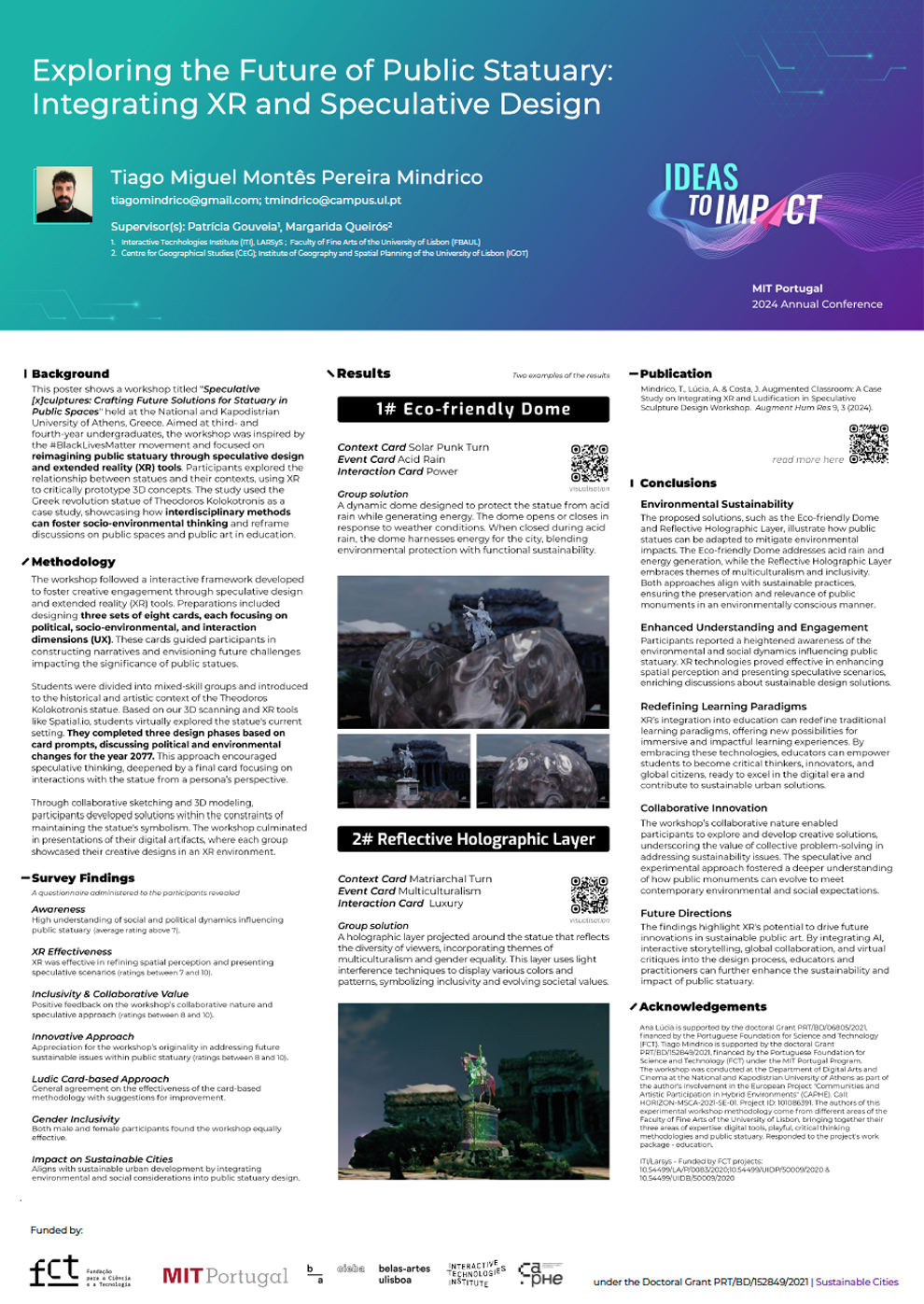
Events: 2024 Annual Conference: Research that Impacts SocietyResearch Area:Sustainable Cities71-tiago-mindrico.pdf (3.76 MB)
-
-
-
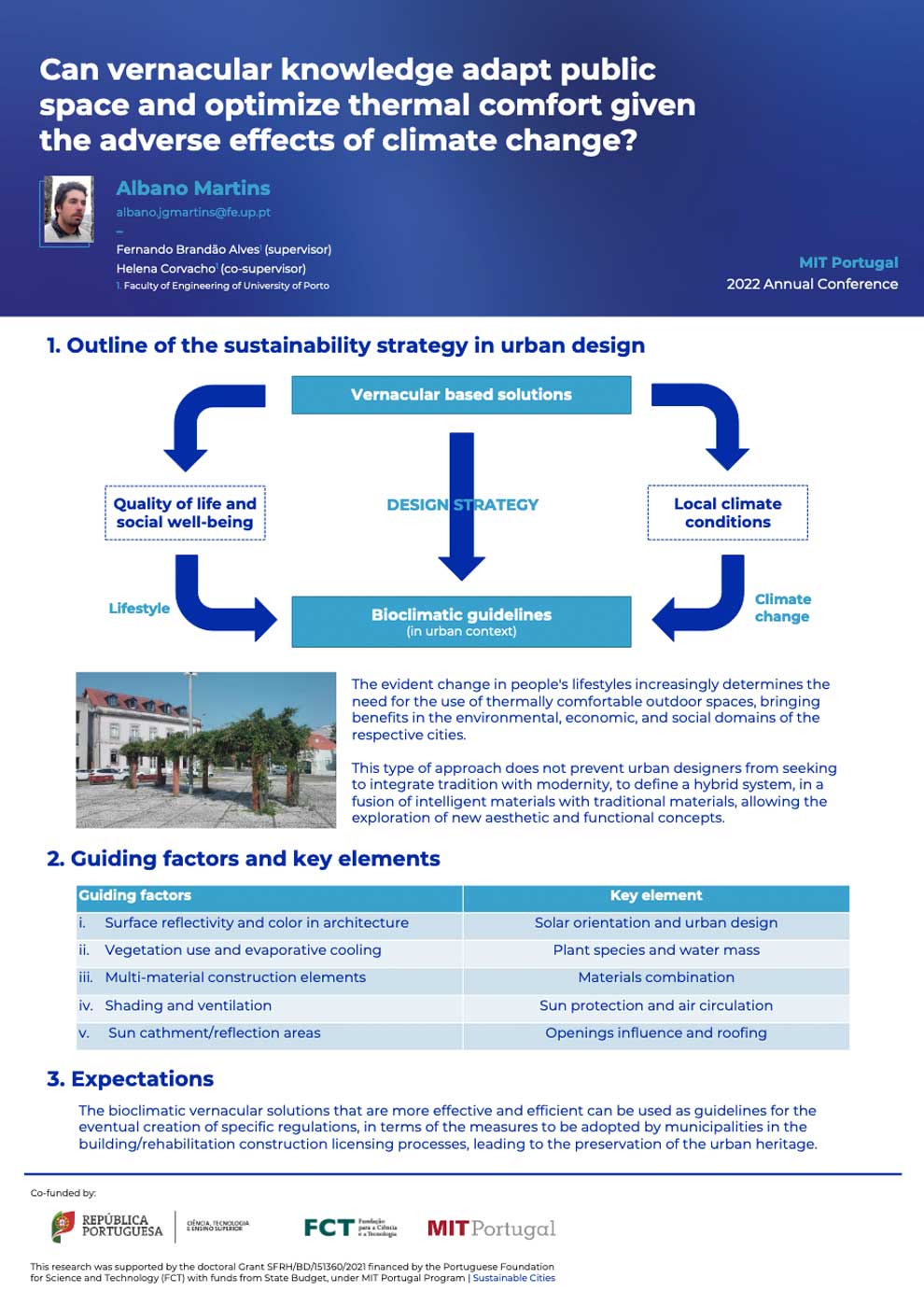
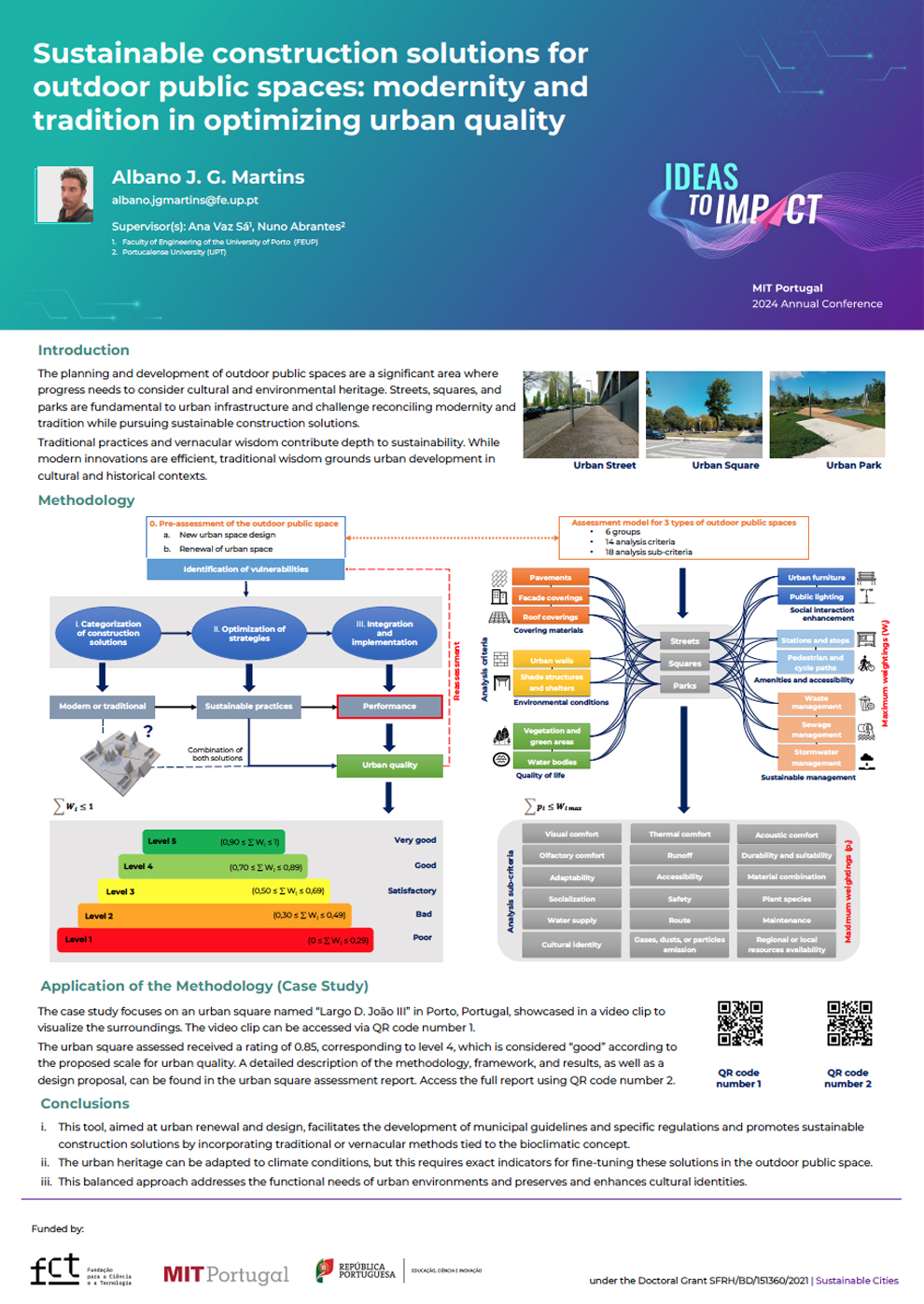
Events: 2022 Annual ConferenceResearch Area:Sustainable CitiesMPP_poster_Albano-Martins.pdf (317.85 KB)
-
Events: 2024 Annual Conference: Research that Impacts SocietyResearch Area:Sustainable Cities69-albano-martins.pdf (3.35 MB)
-
-
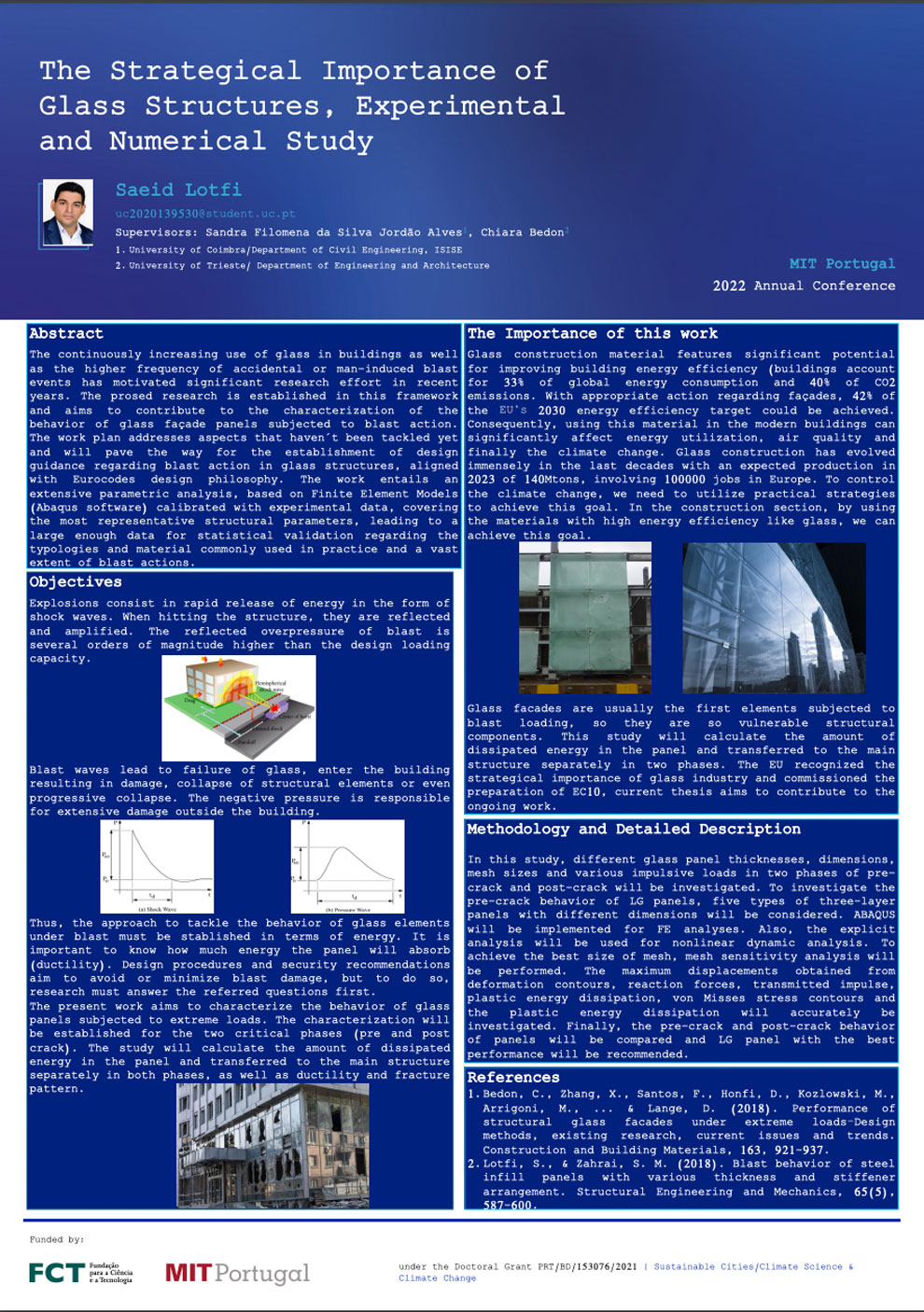
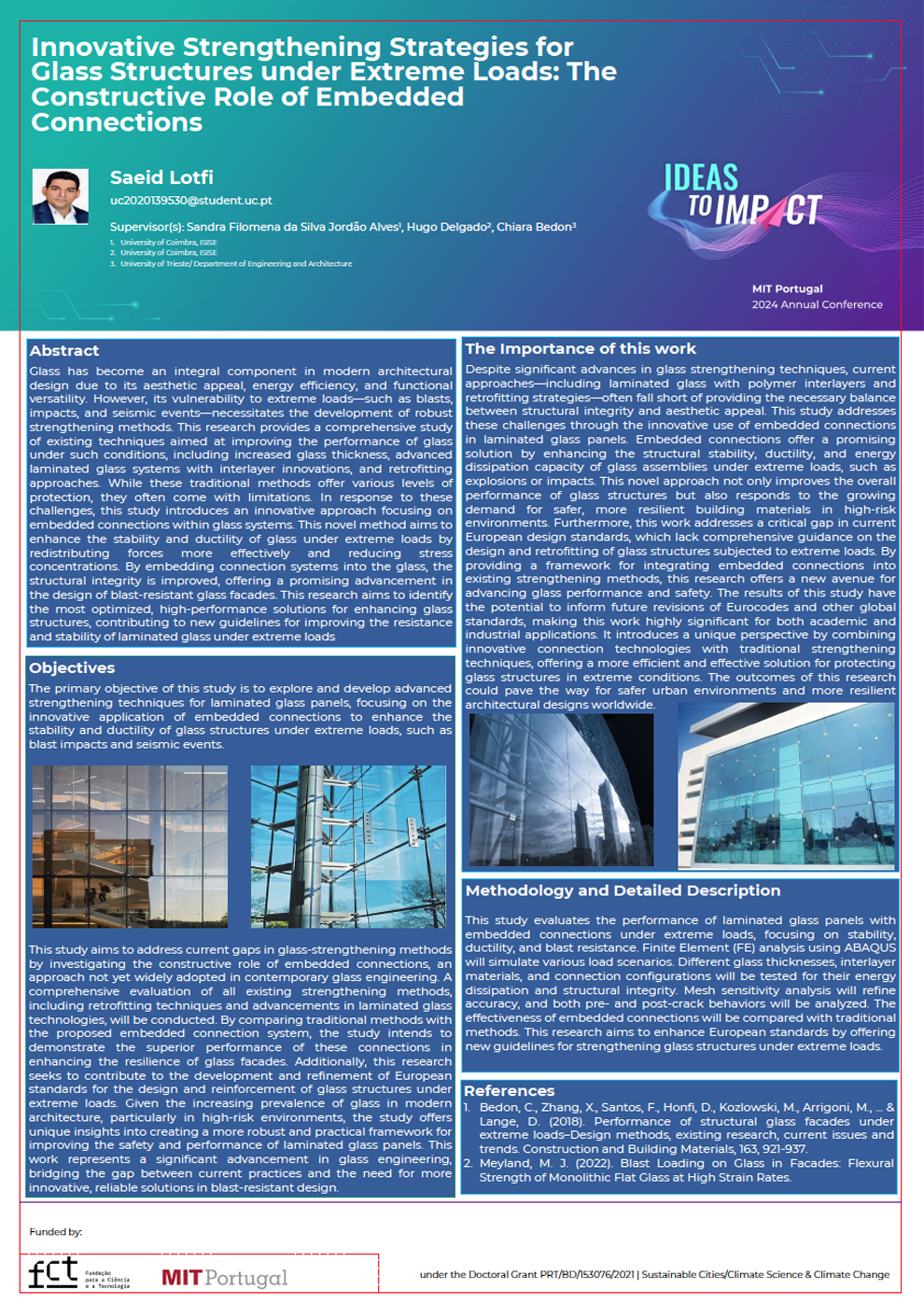
Events: 2024 Annual Conference: Research that Impacts SocietyResearch Area:Sustainable Cities91-saeid-lotfi.pdf (2.81 MB)
-
-
-
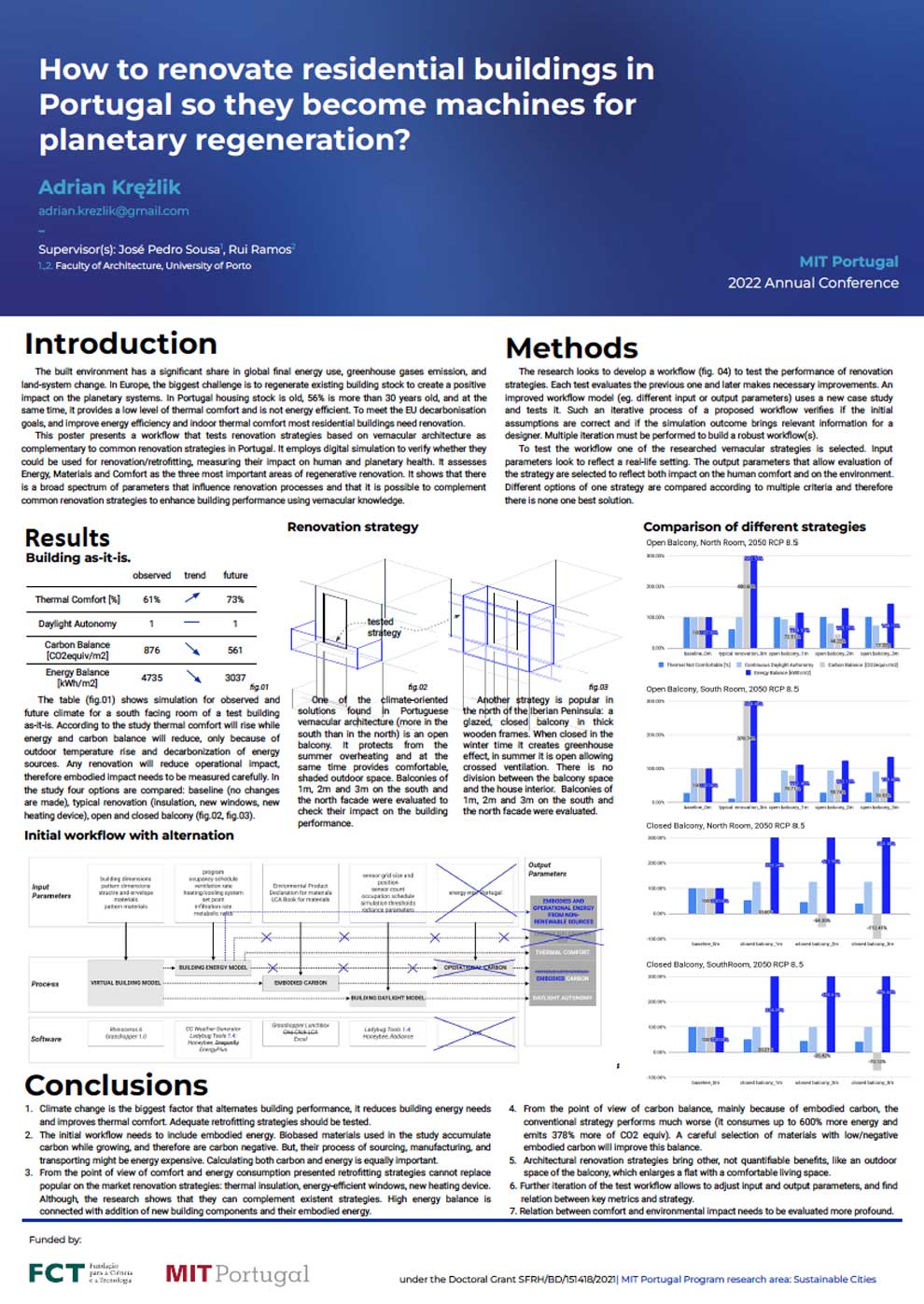
Events: 2022 Annual ConferenceResearch Area:Sustainable CitiesMPP-Posters-Adrian-Krezlik.pdf (648.7 KB)
-
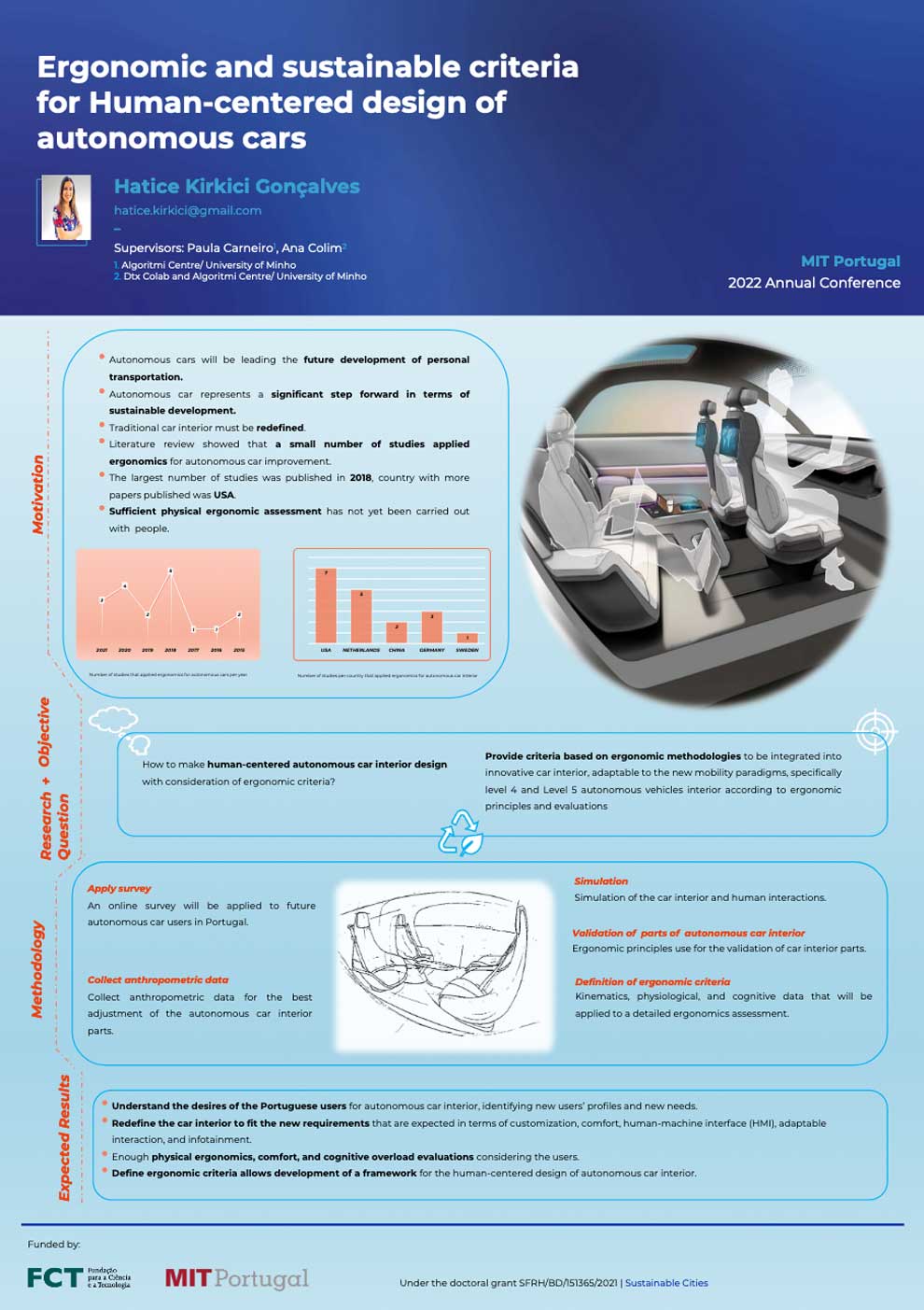
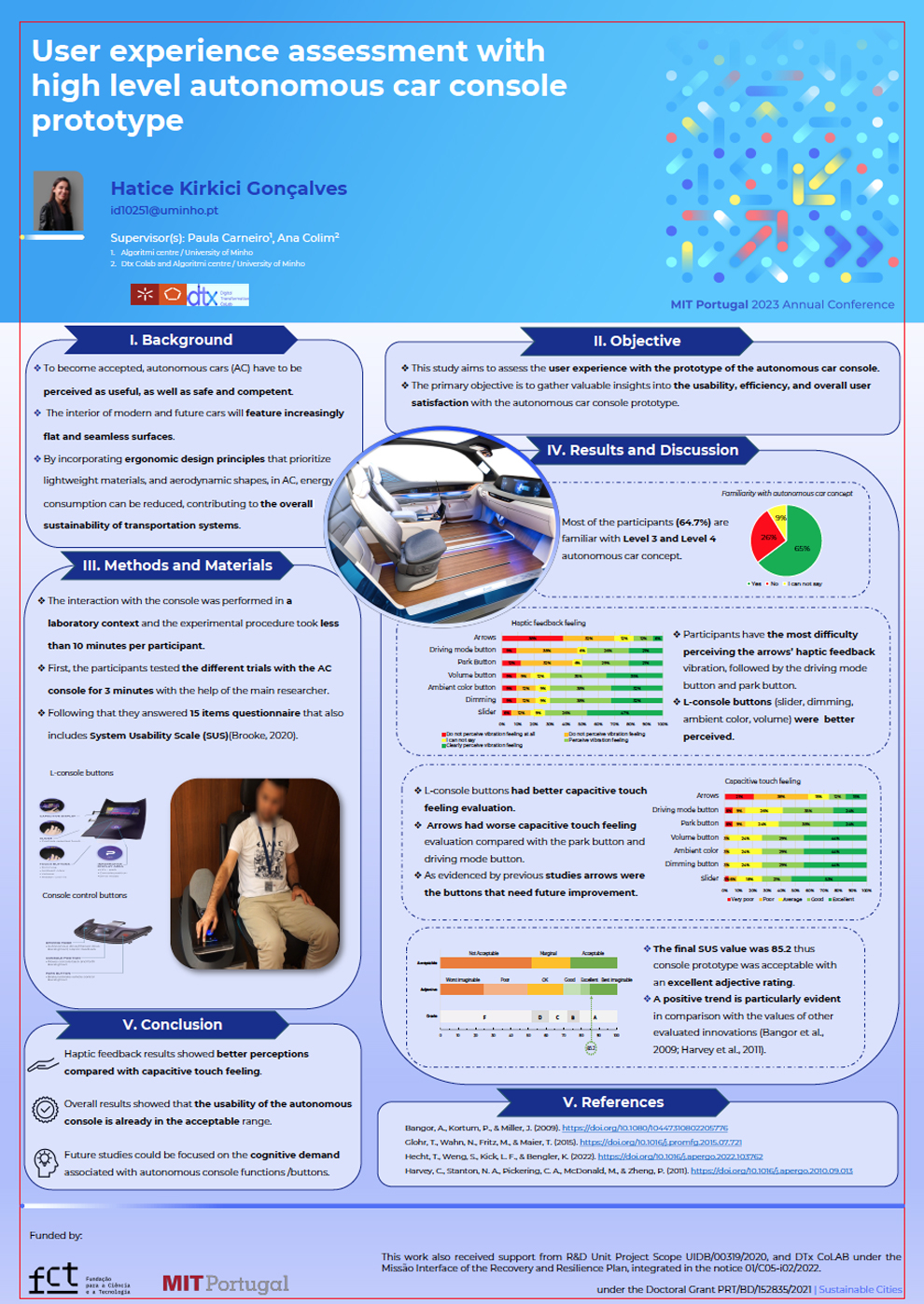
Events: 2022 Annual ConferenceResearch Area:Sustainable CitiesMPP-Posters_HaticeKirkiciGoncalves.pdf (477.31 KB)
-
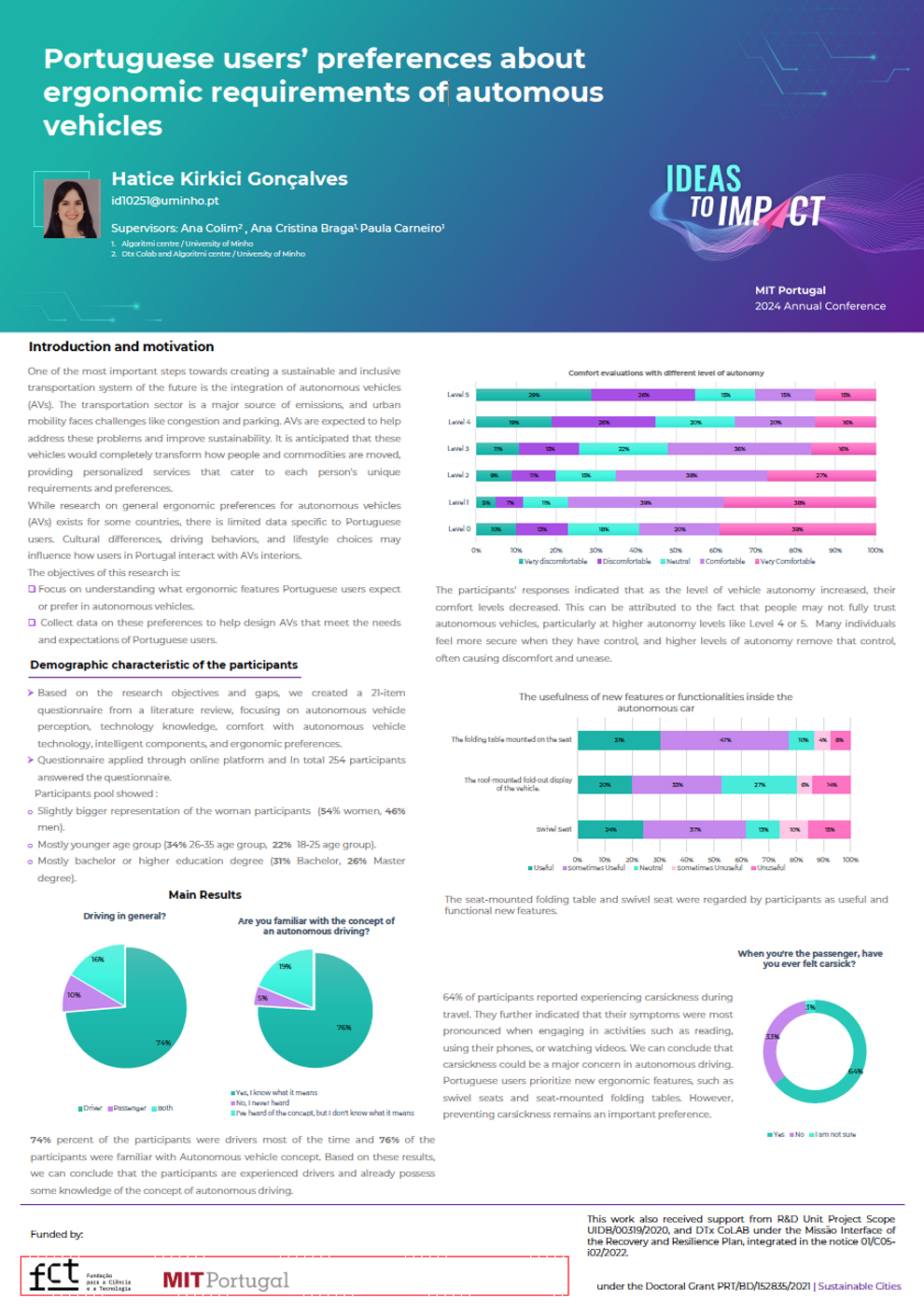
Events: 2024 Annual Conference: Research that Impacts SocietyResearch Area:Sustainable Cities107-hatice-kirkici-goncalves.pdf (2.64 MB)
-
-
-
-
-
-
Events: 2022 Annual ConferenceResearch Area:Sustainable CitiesMPP-Posters-E-Iniguez.pdf (618.82 KB)
-
-
-
-
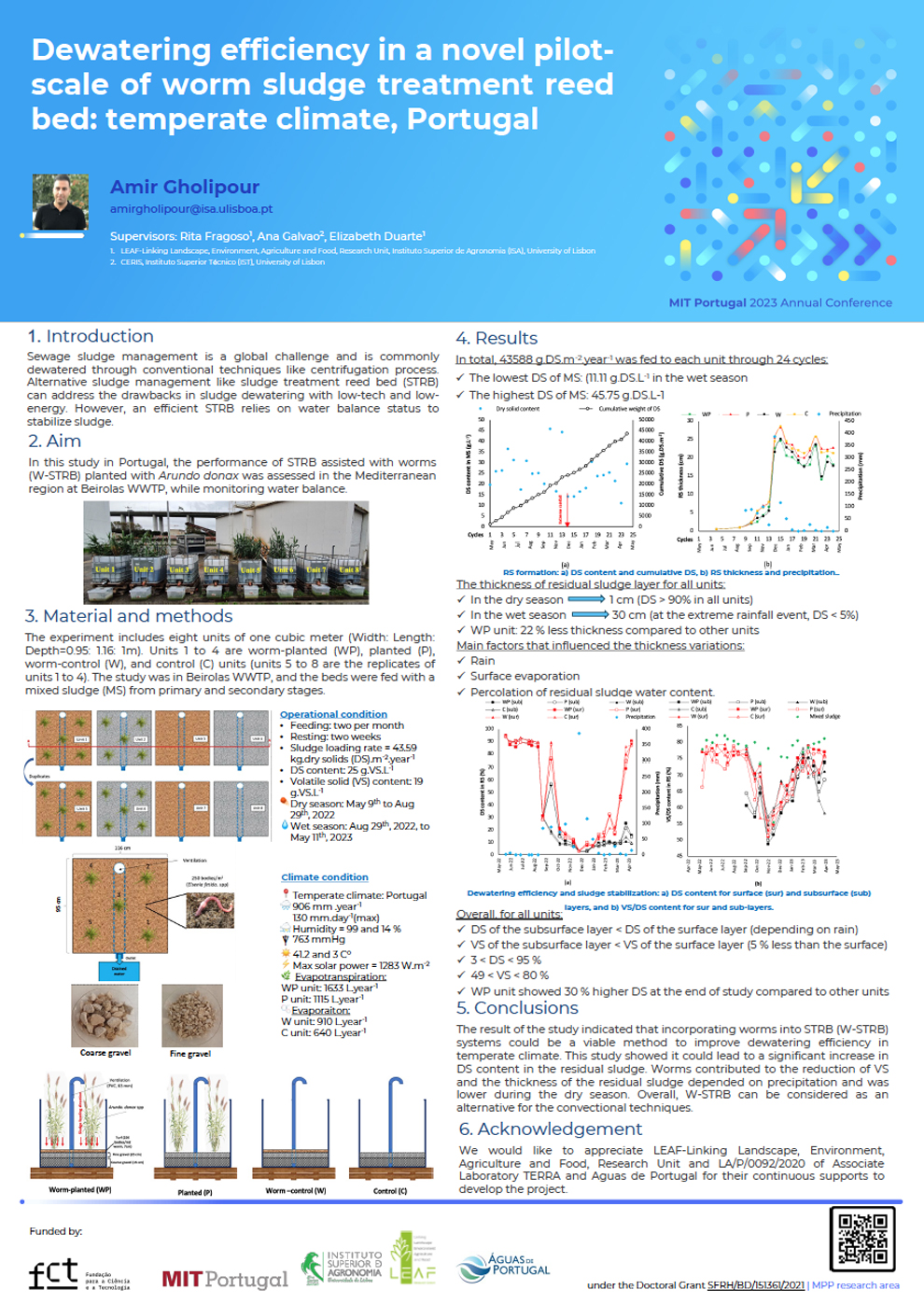
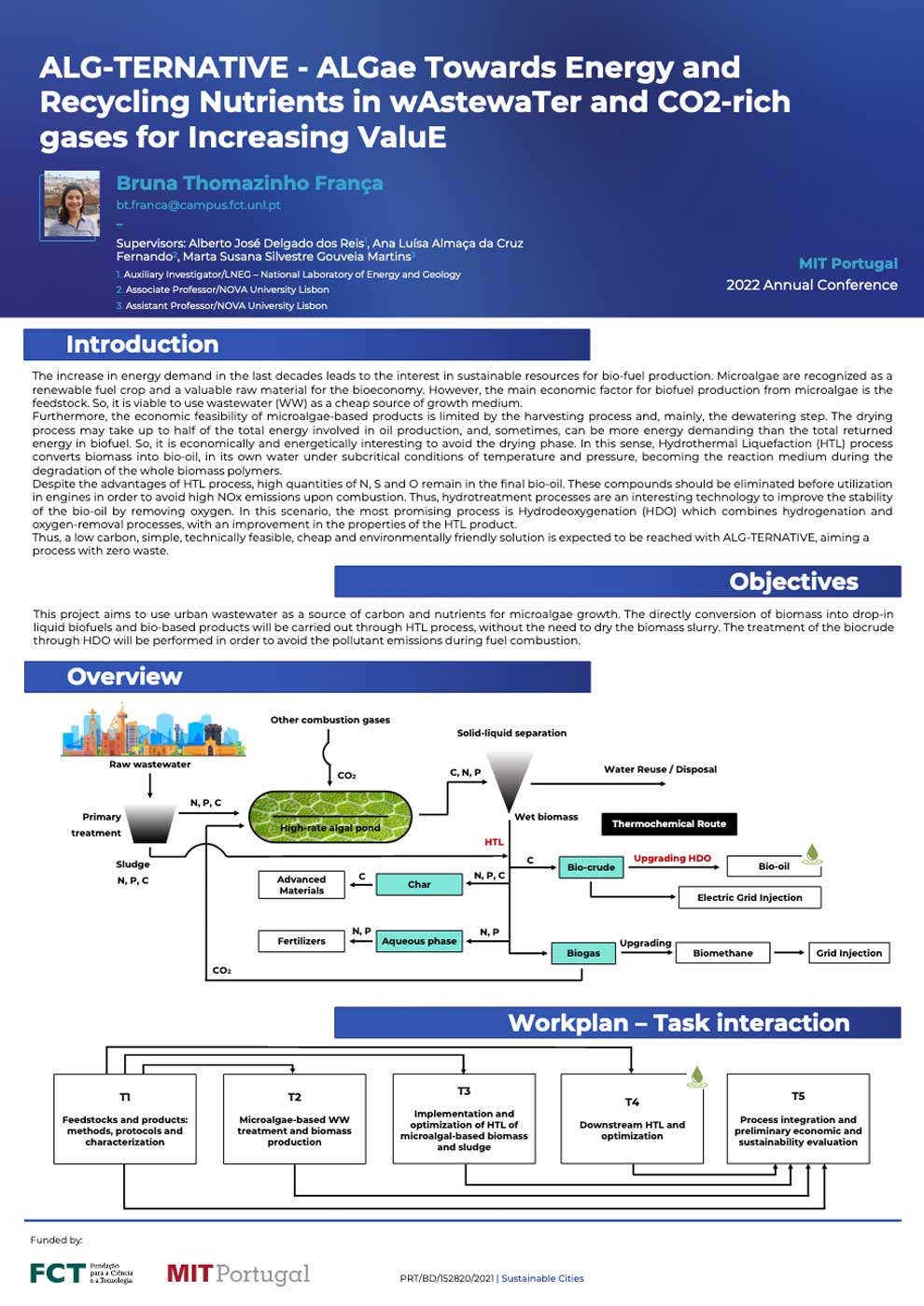
Events: 2022 Annual ConferenceResearch Area:Sustainable CitiesMPP-Poster-Bruna-Thomazinho-Franca.pdf (354.96 KB)
-
-
-
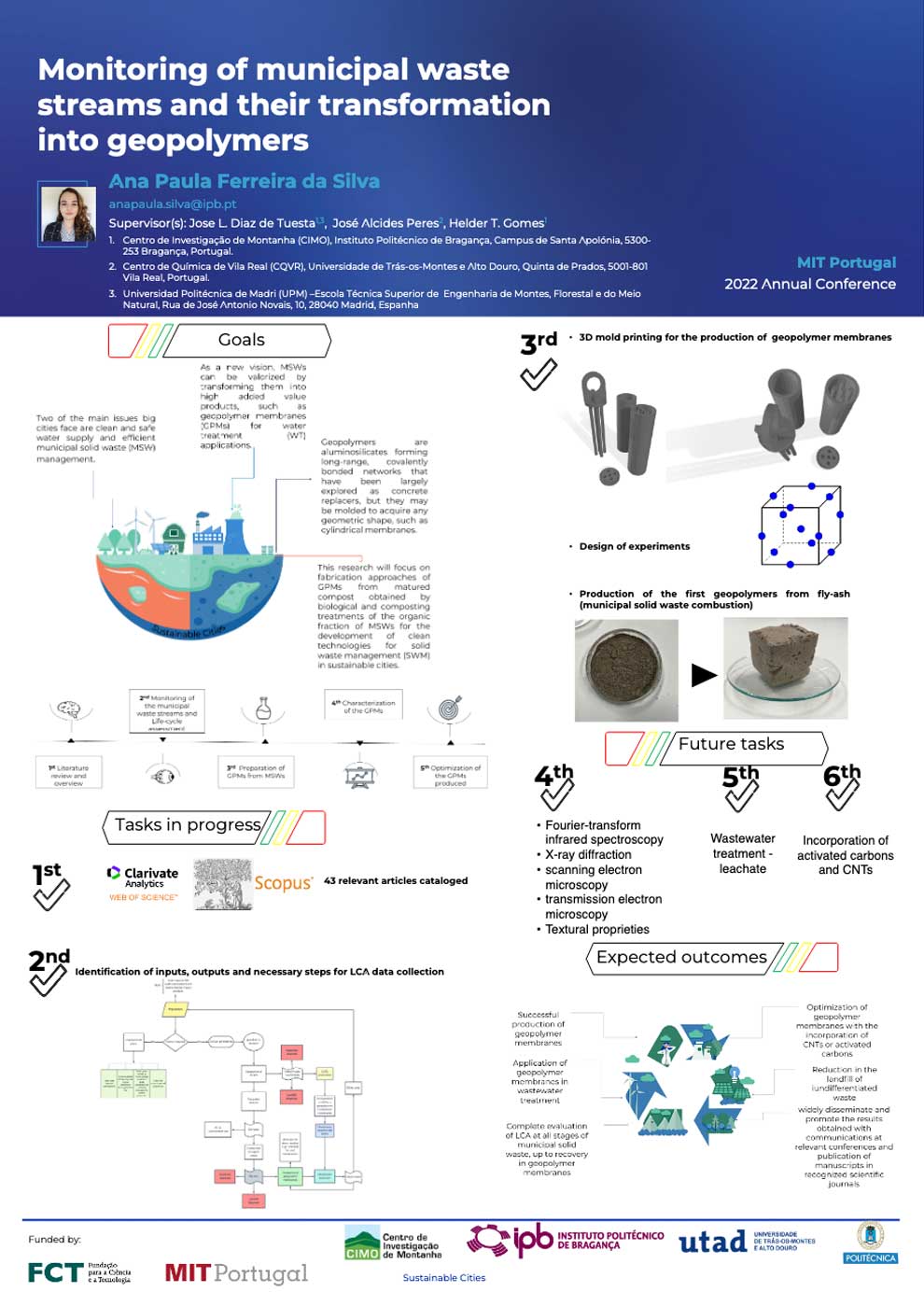
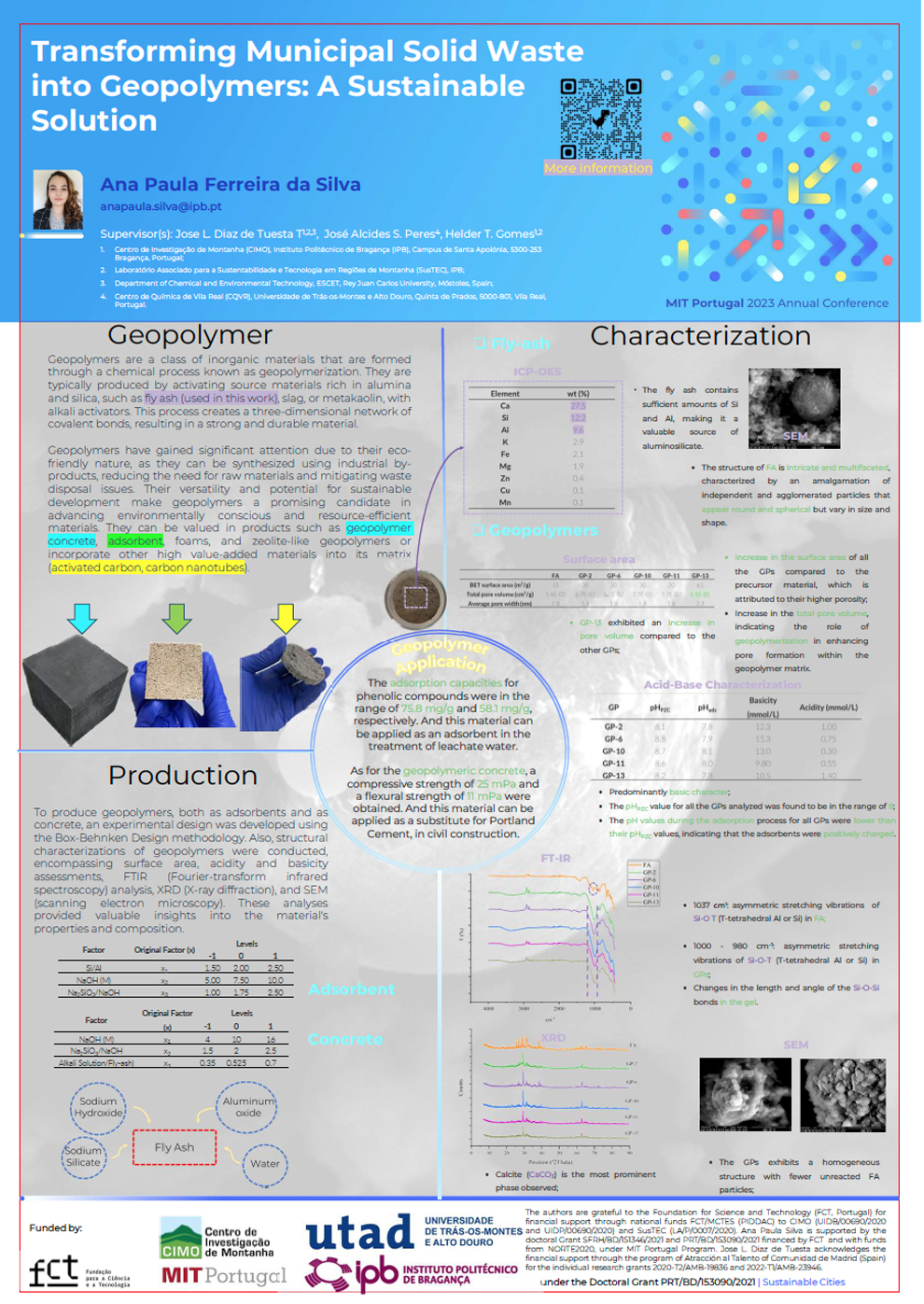
Events: 2023 Annual ConferenceResearch Area:Sustainable Cities28-AnaPaula-FerreiradaSilva.pdf (1017.33 KB)
-
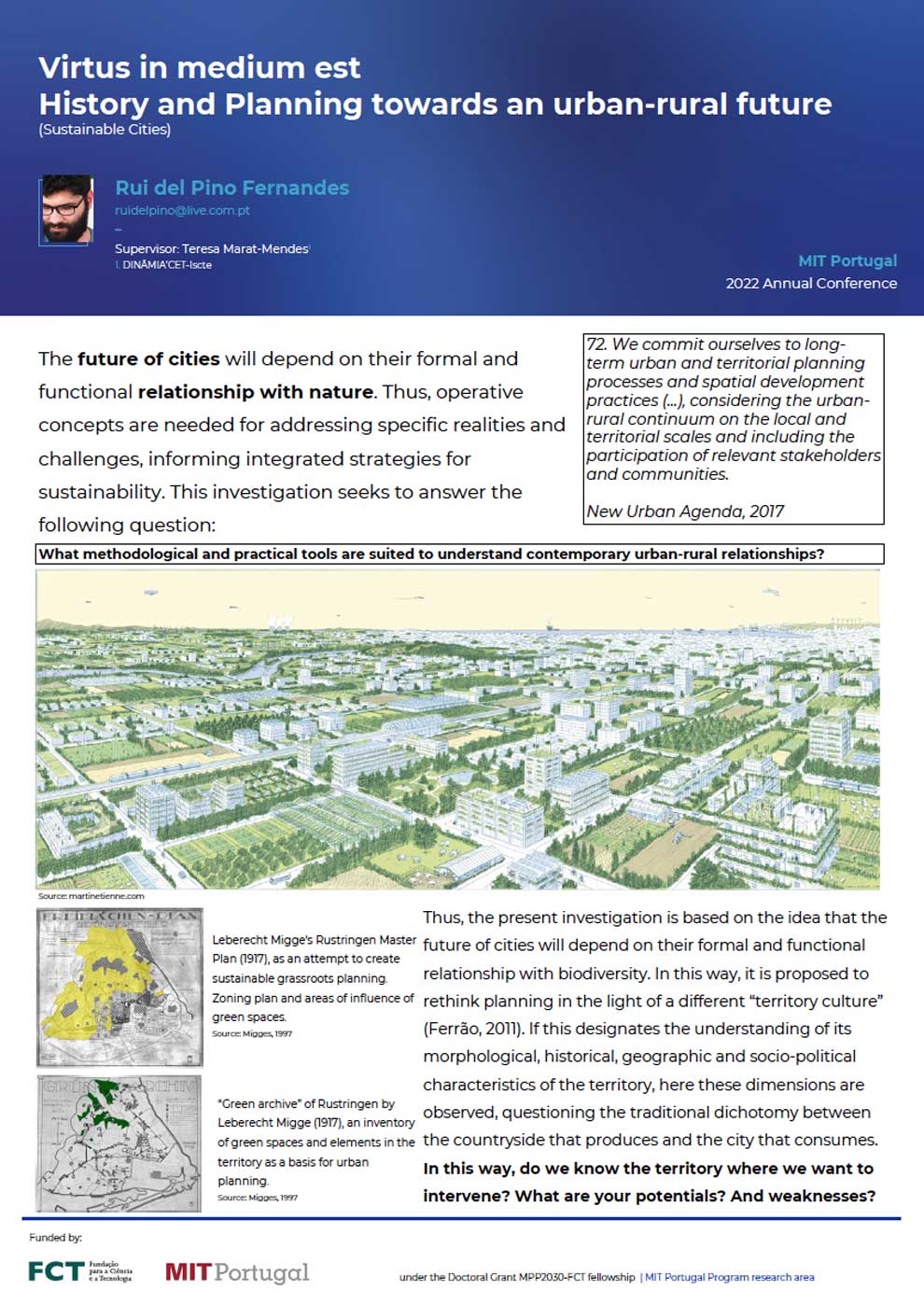
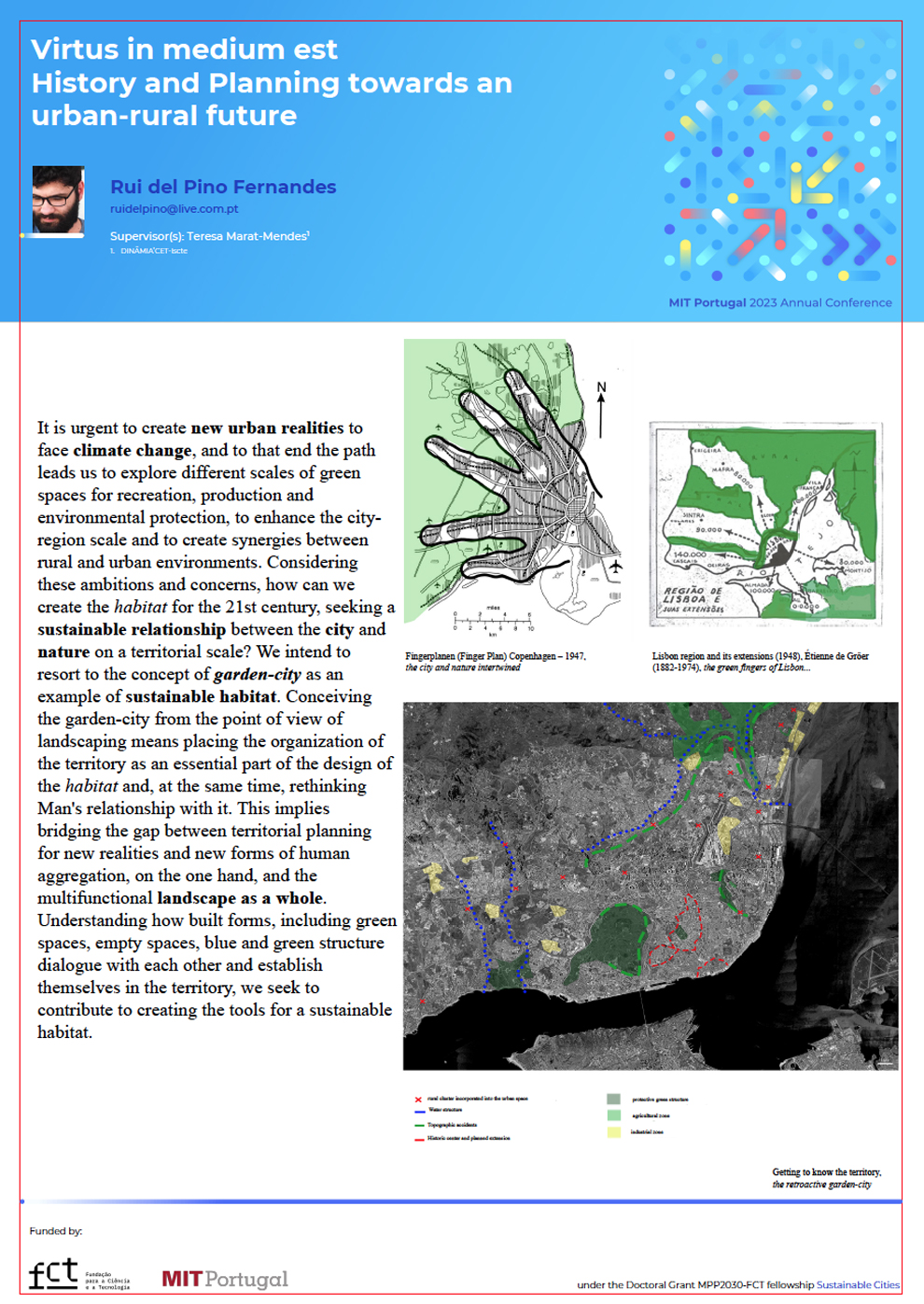
Events: 2022 Annual ConferenceResearch Area:Sustainable CitiesRuiFernandes_MPP-Posters_2022_0.pdf (1.67 MB)
-
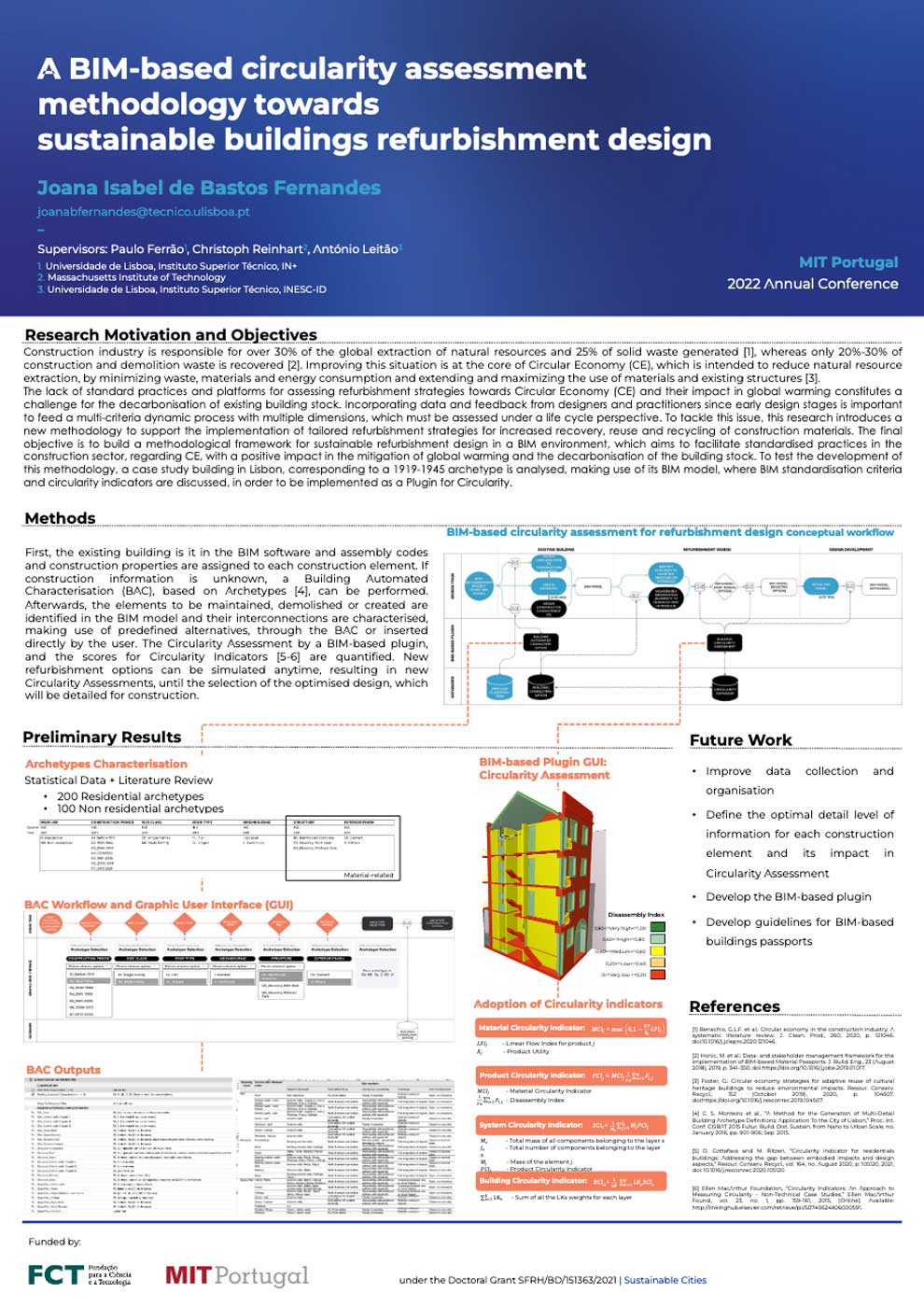
Events: 2022 Annual ConferenceResearch Area:Sustainable Cities2022-09-20-MPP-Poster_JF-20220720.pdf (4.13 MB)
-
-
-
-
-
-
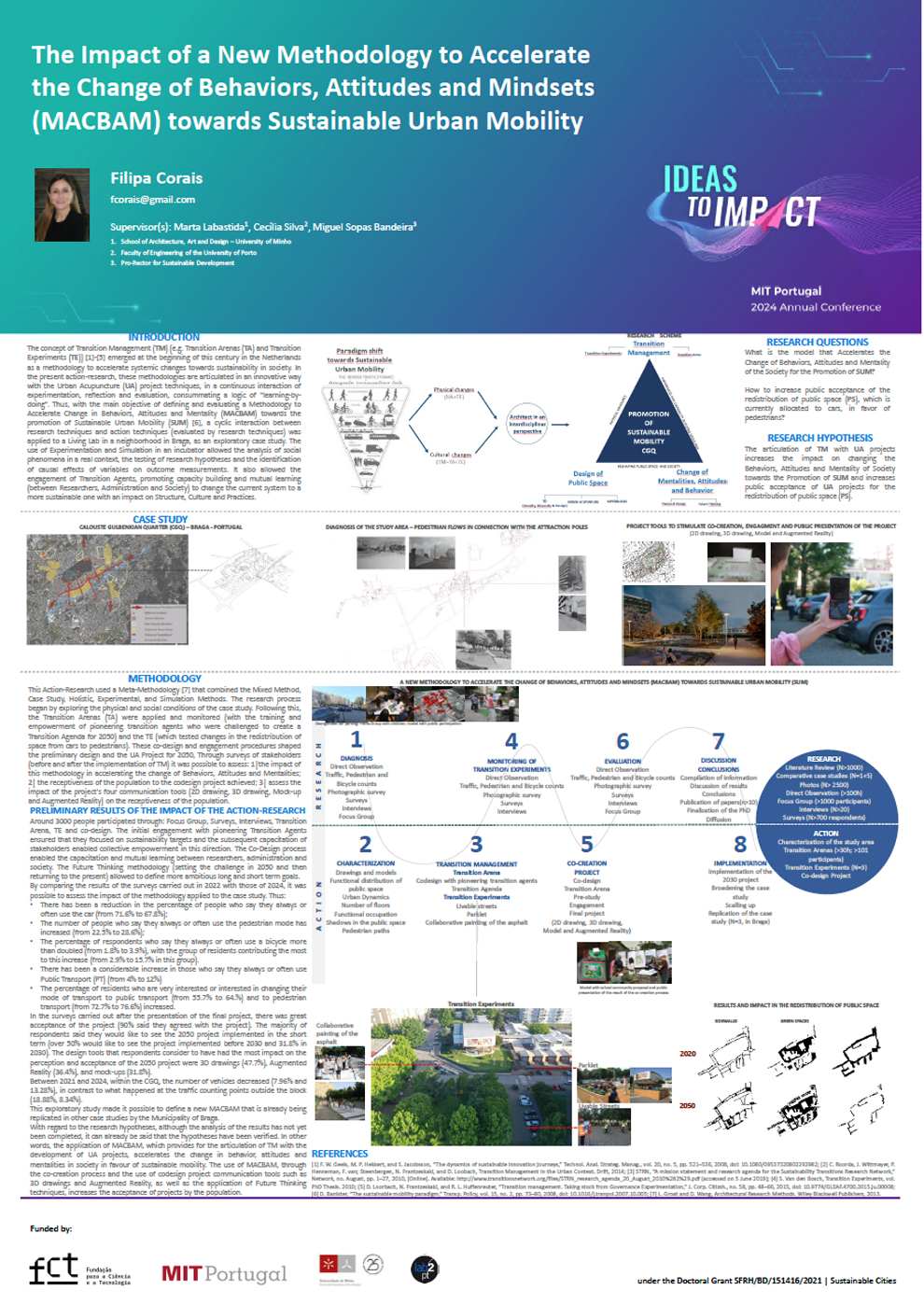
Events: 2024 Annual Conference: Research that Impacts SocietyResearch Area:Sustainable Cities72-filipa-corais.pdf (1.06 MB)
-
-
-
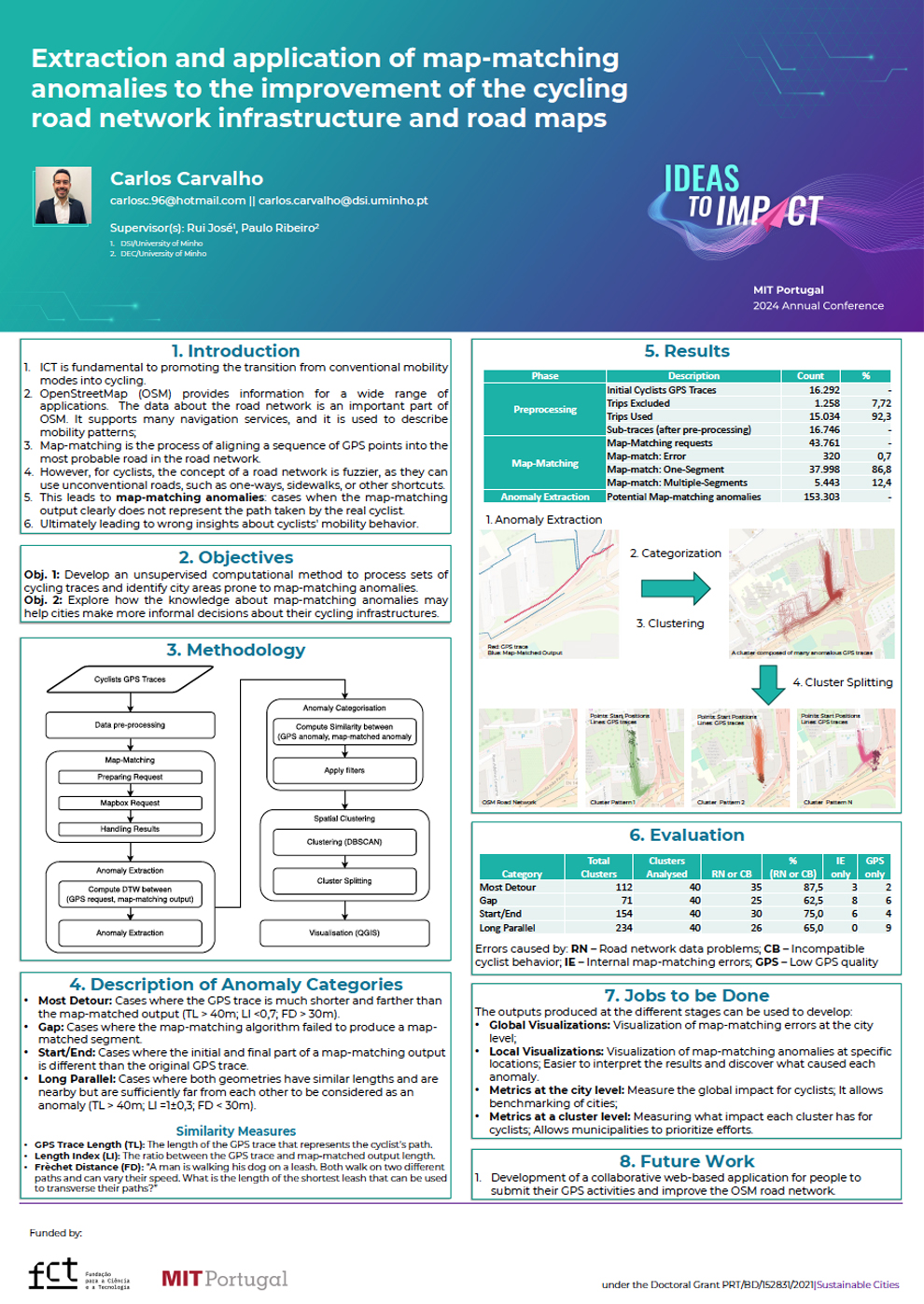
Events: 2024 Annual Conference: Research that Impacts SocietyResearch Area:Sustainable Cities100-carlos-carvalho.pdf (3.77 MB)
-
-
-
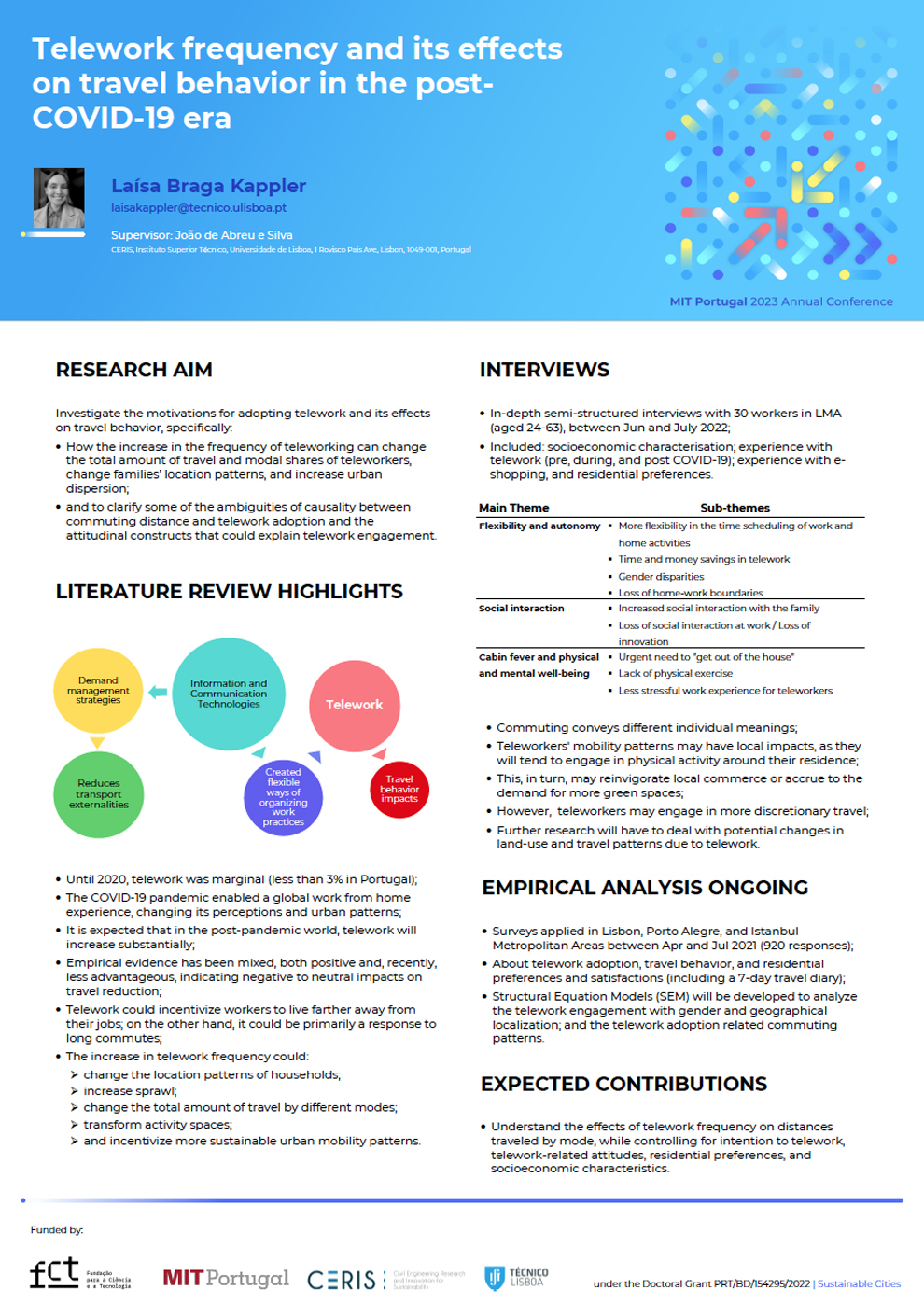
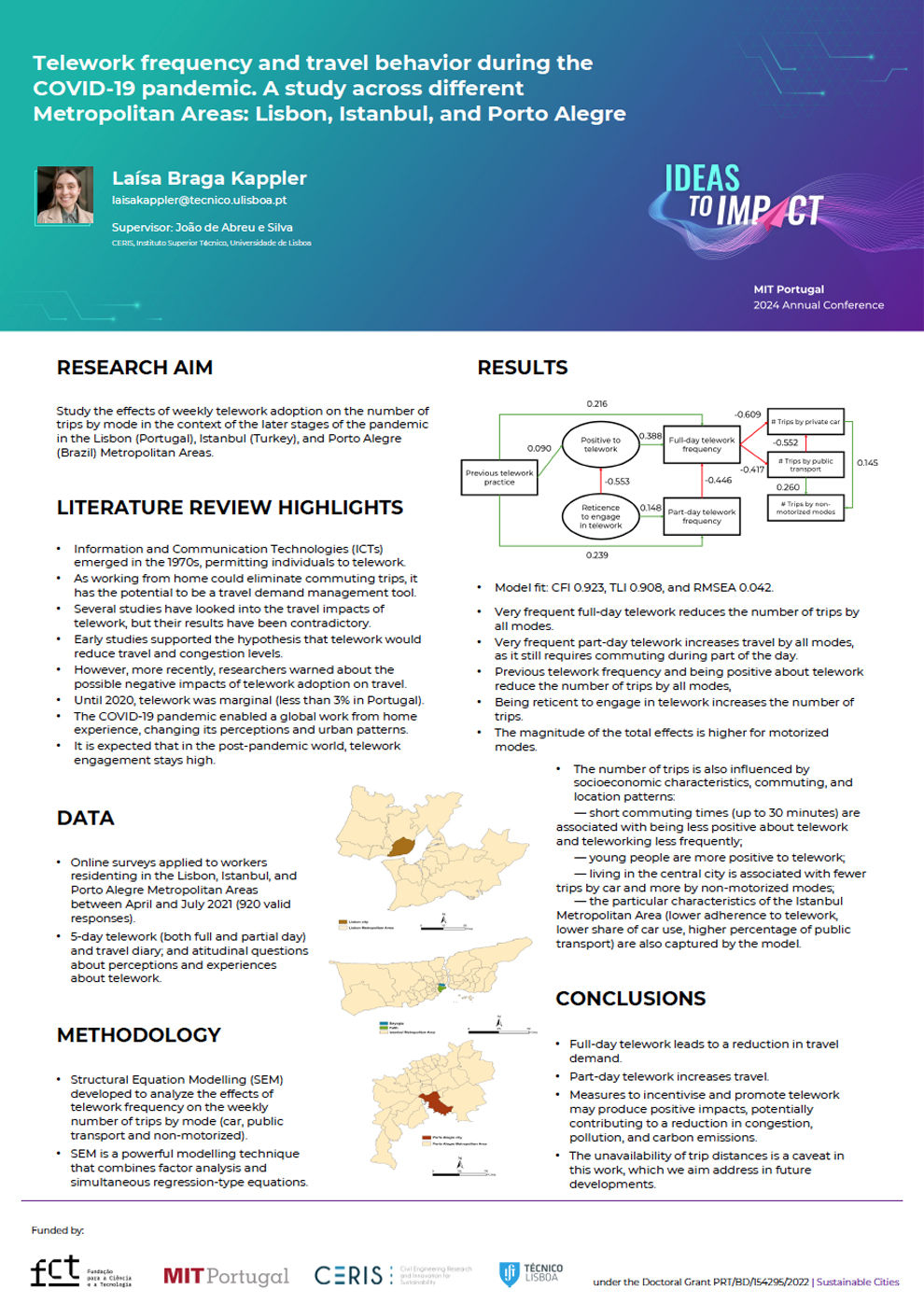
Events: 2024 Annual Conference: Research that Impacts SocietyResearch Area:Sustainable Cities83-laisa-braga-kappler.pdf (2.85 MB)
-
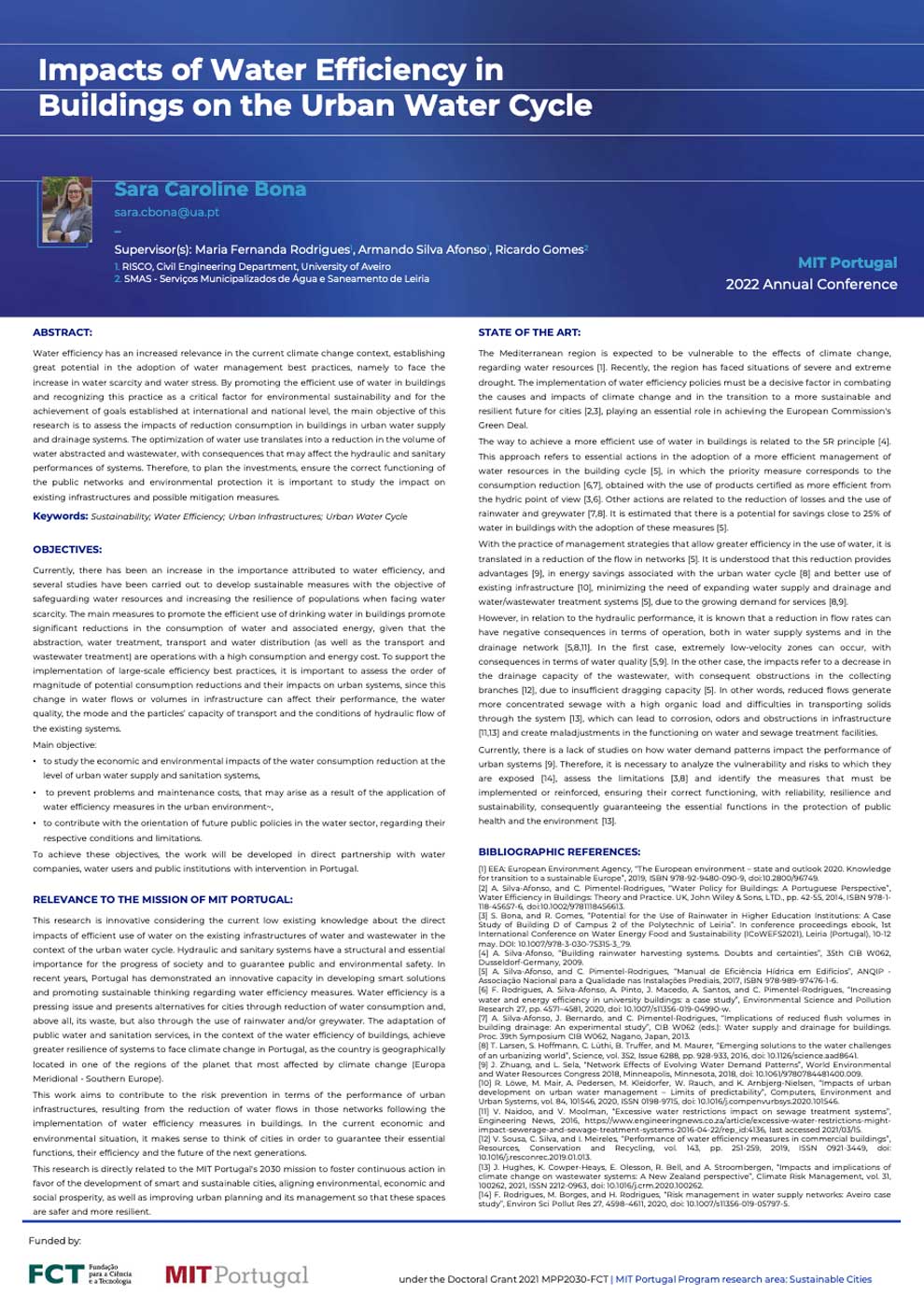
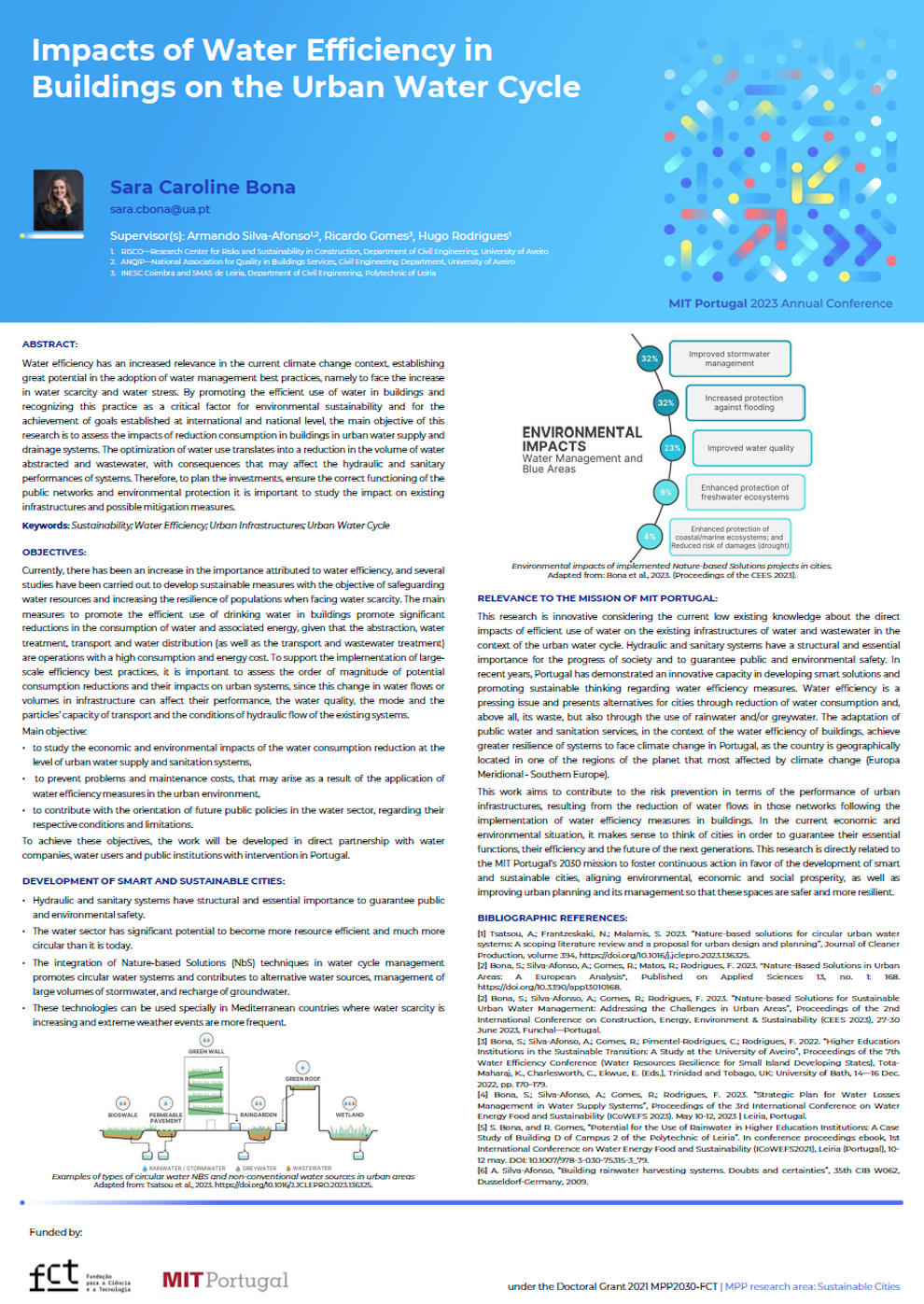
Events: 2022 Annual ConferenceResearch Area:Sustainable CitiesMPP-Posters-SaraBona.pdf (387.81 KB)
-
-
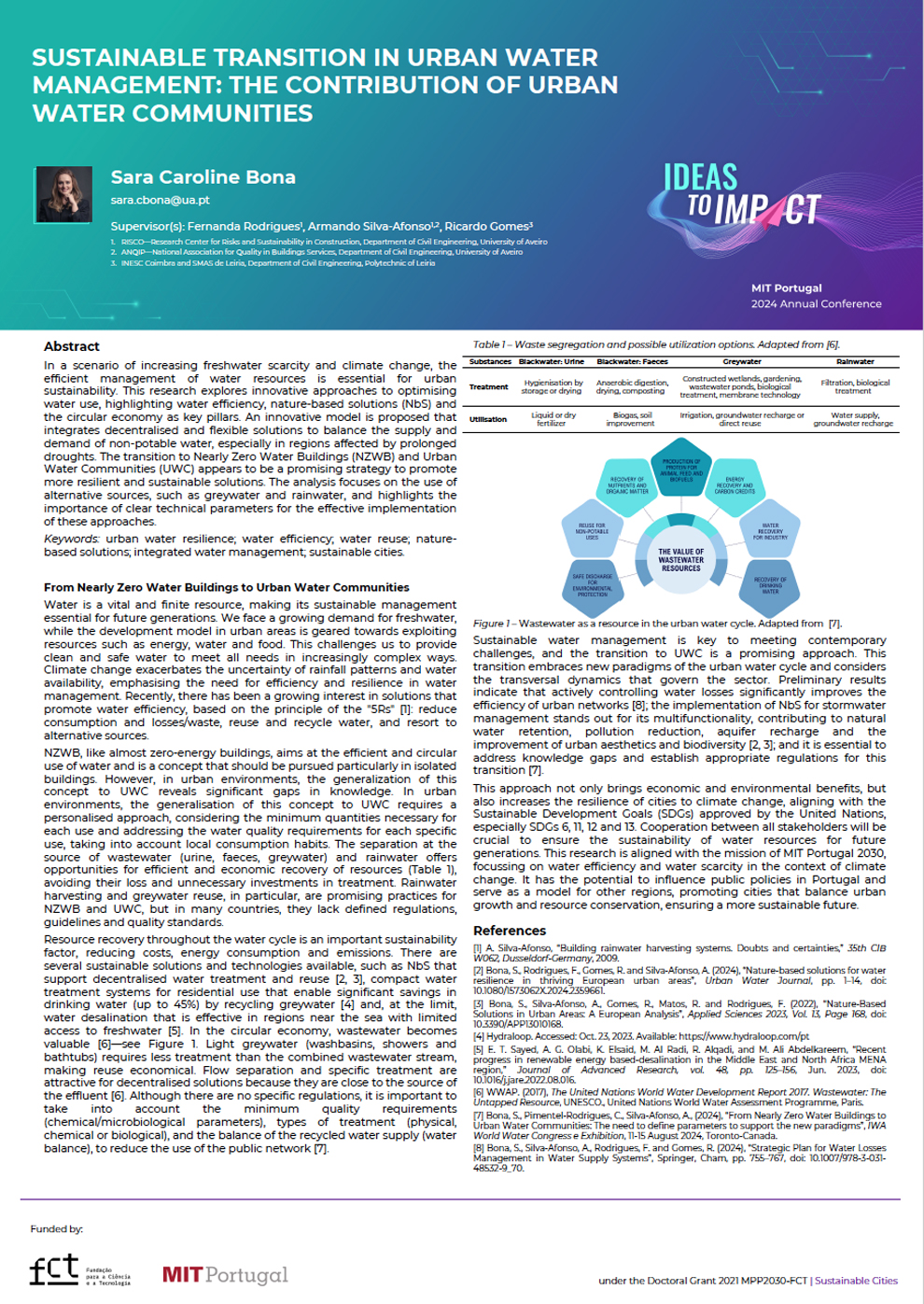
Events: 2024 Annual Conference: Research that Impacts SocietyResearch Area:Sustainable Cities82-sara-bona.pdf (2.69 MB)
-
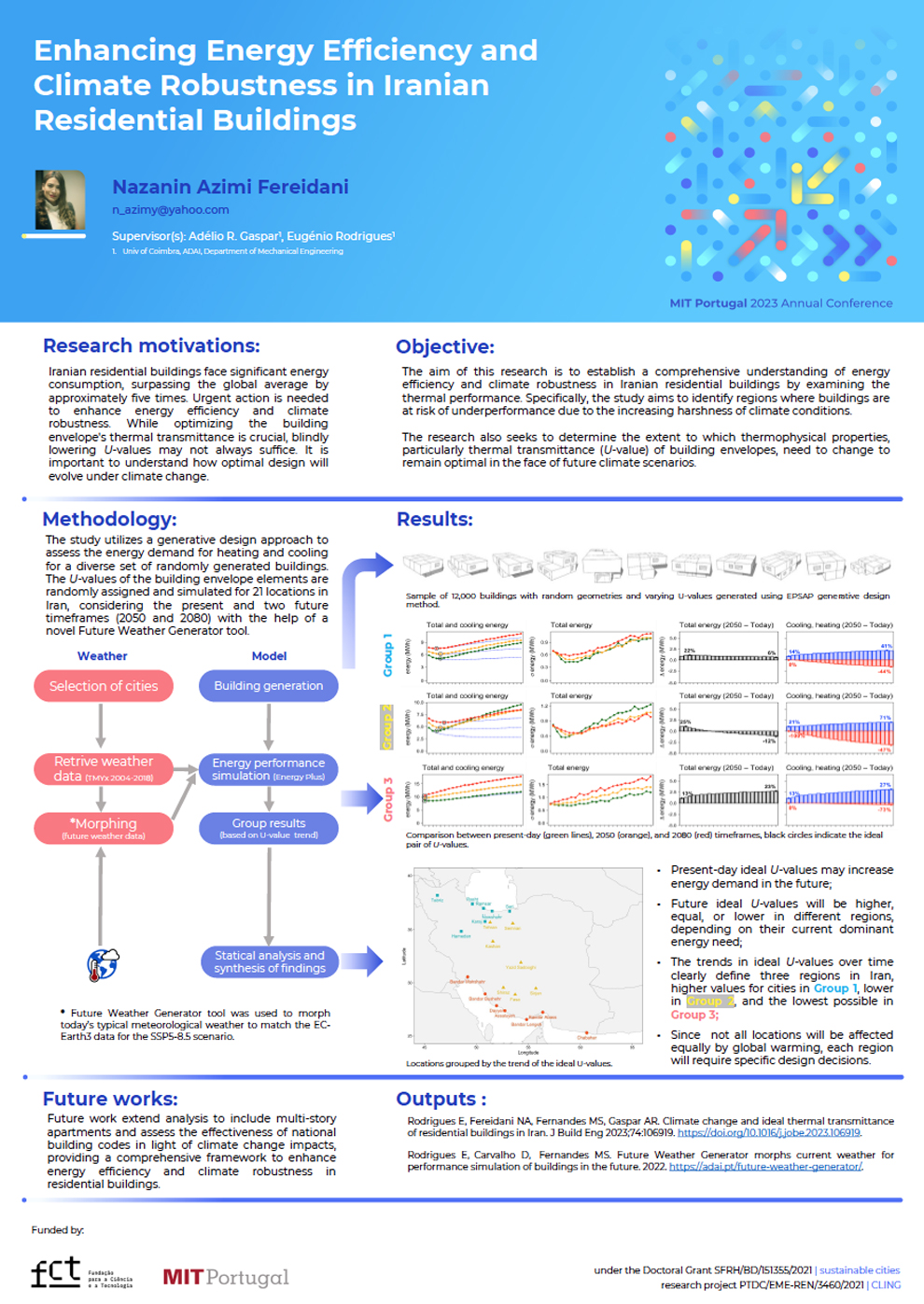
Events: 2023 Annual ConferenceResearch Area:Sustainable Cities22-Nazanin-AzimiFereidani.pdf (1.59 MB)
-
-
-
-
-
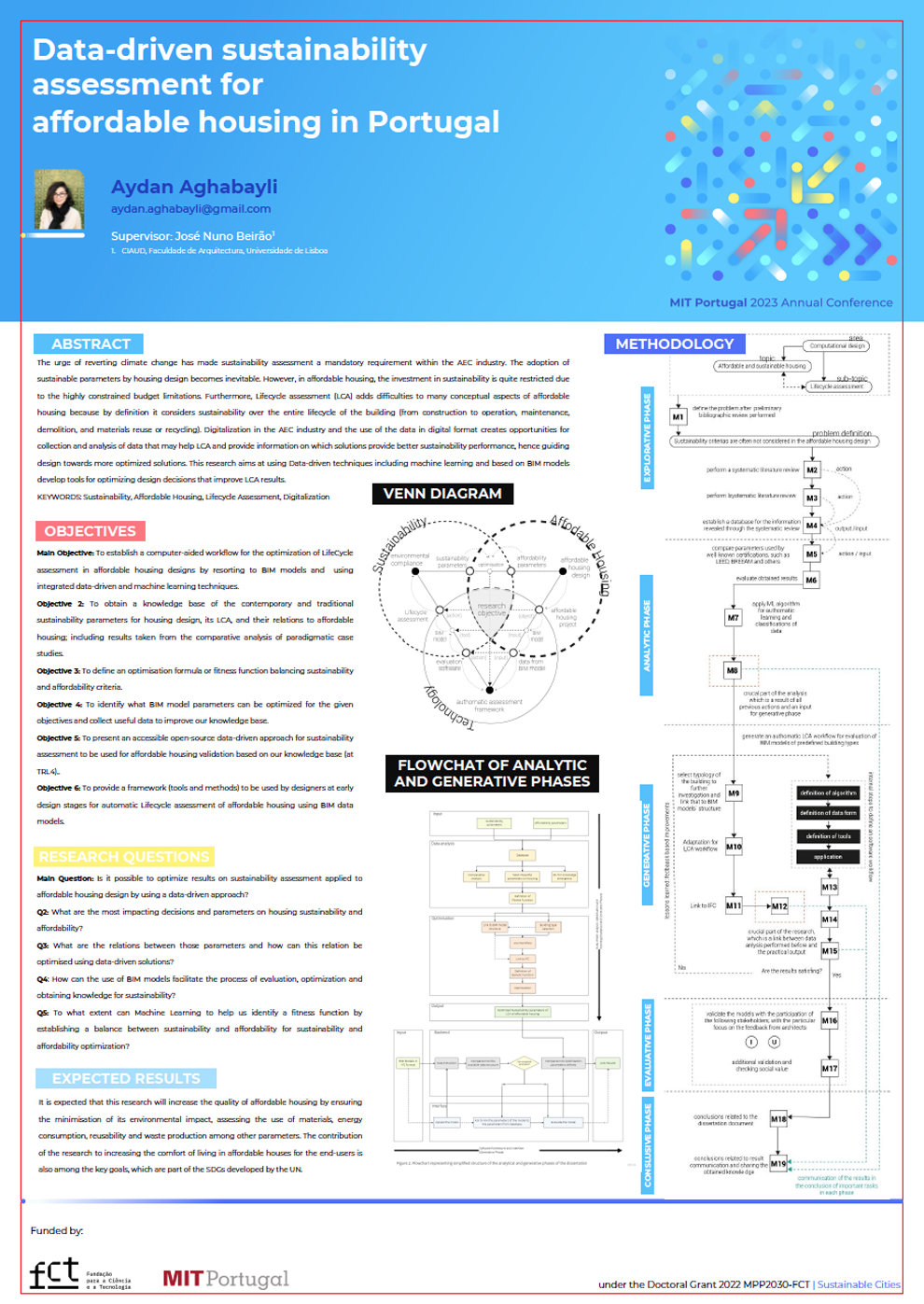
Events: 2024 Annual Conference: Research that Impacts SocietyResearch Area:Sustainable Cities102-aydan-aghabayli.pdf (3.37 MB)
-
Research Area:Sustainable Cities
-
-
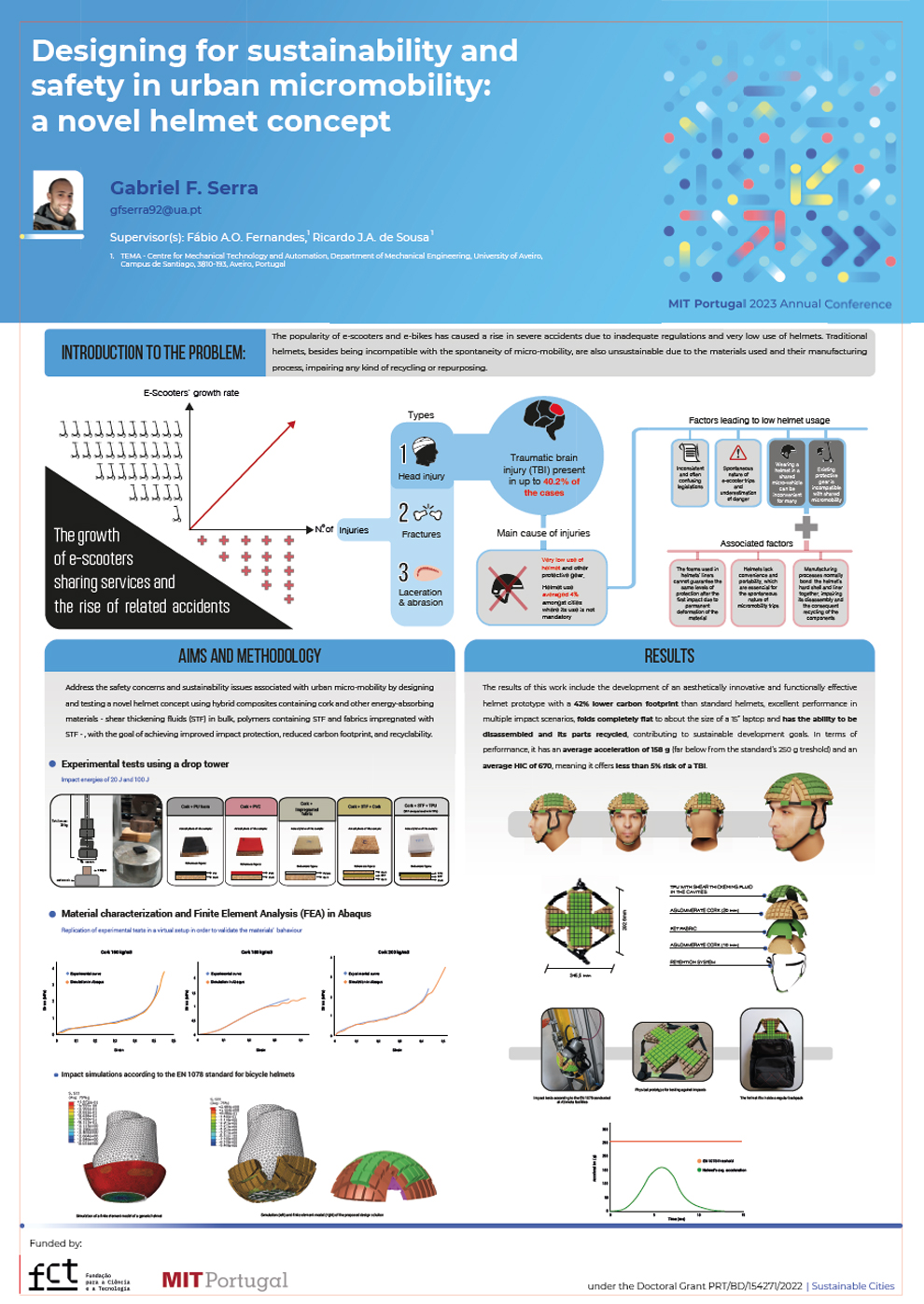
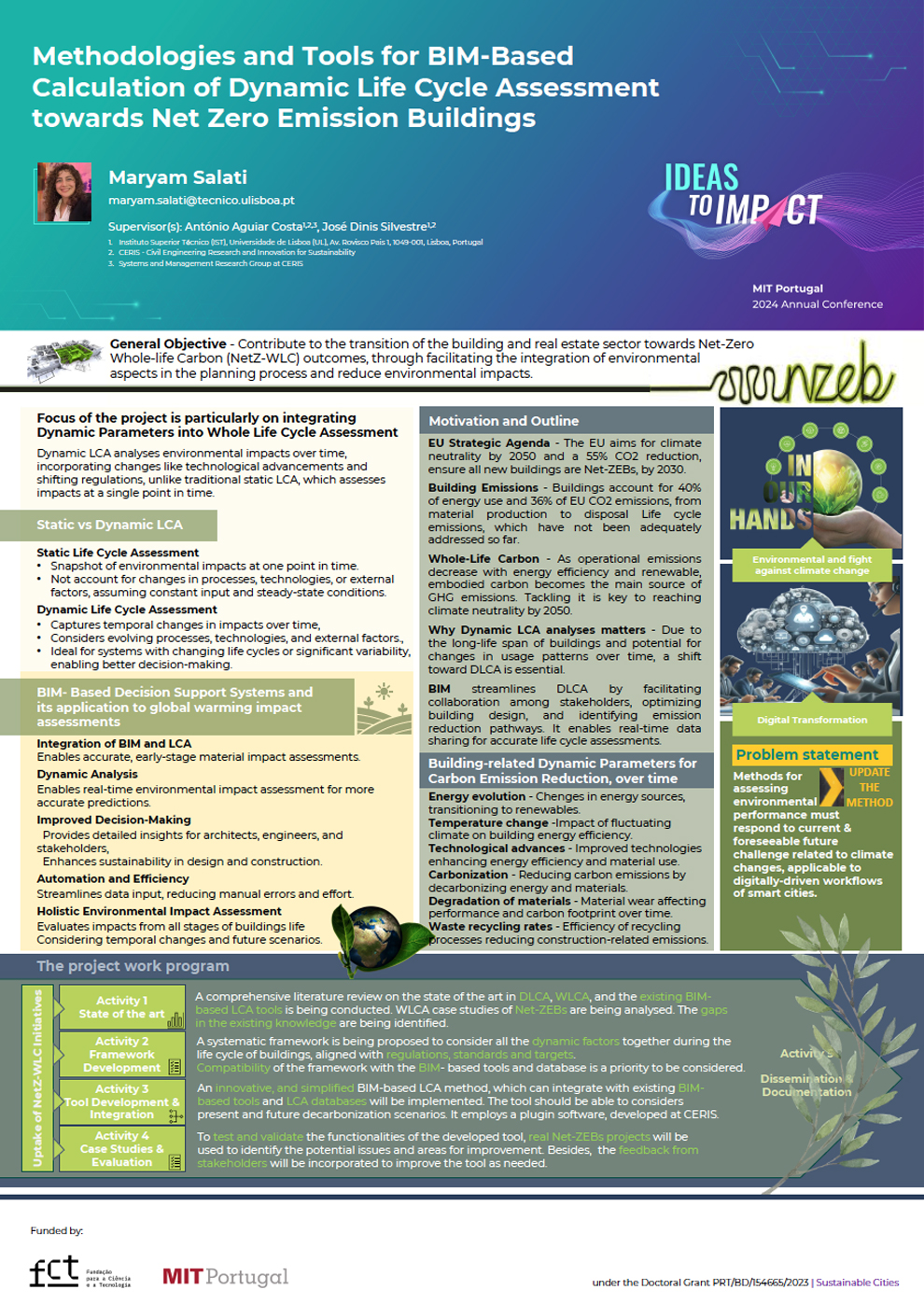
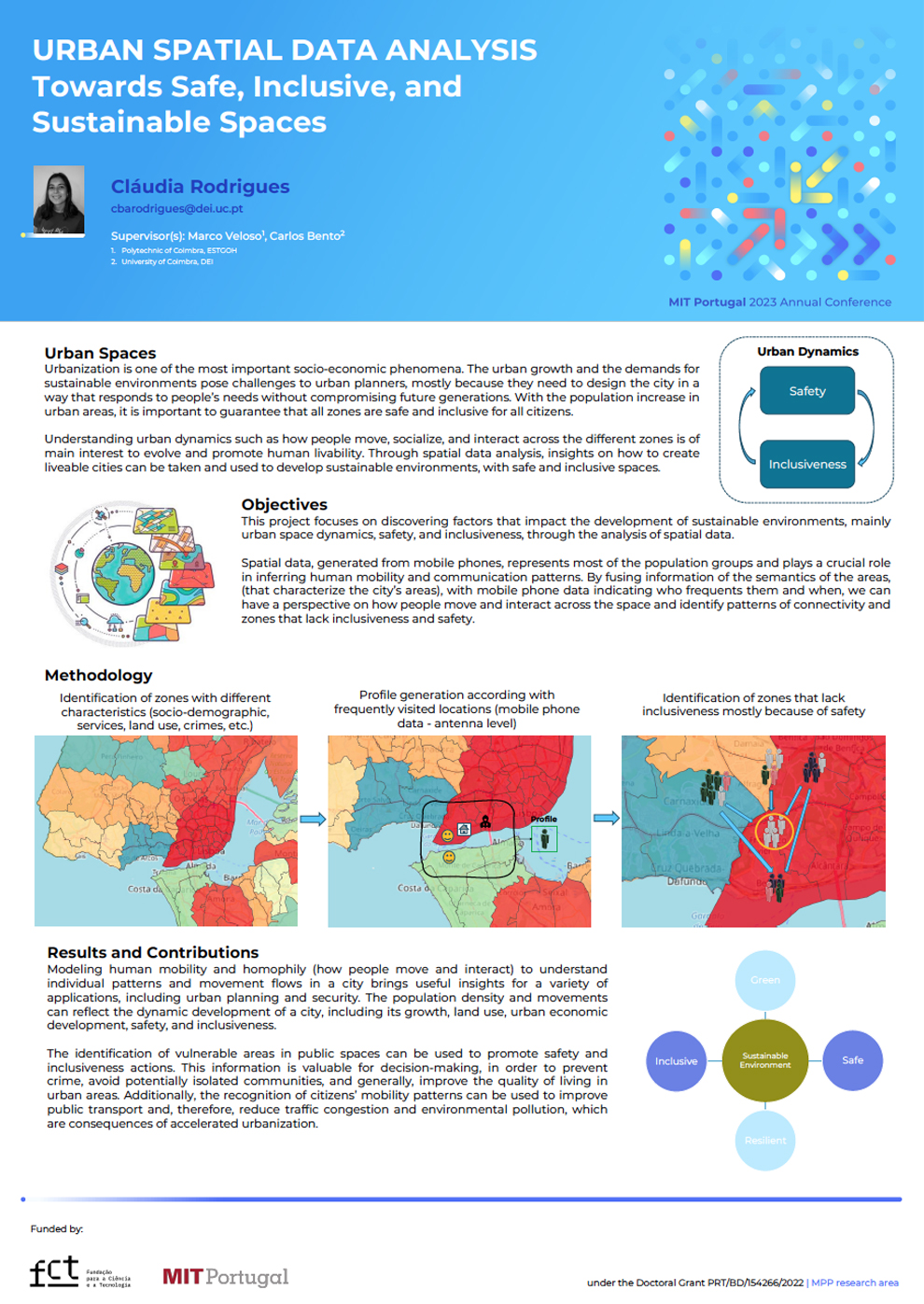
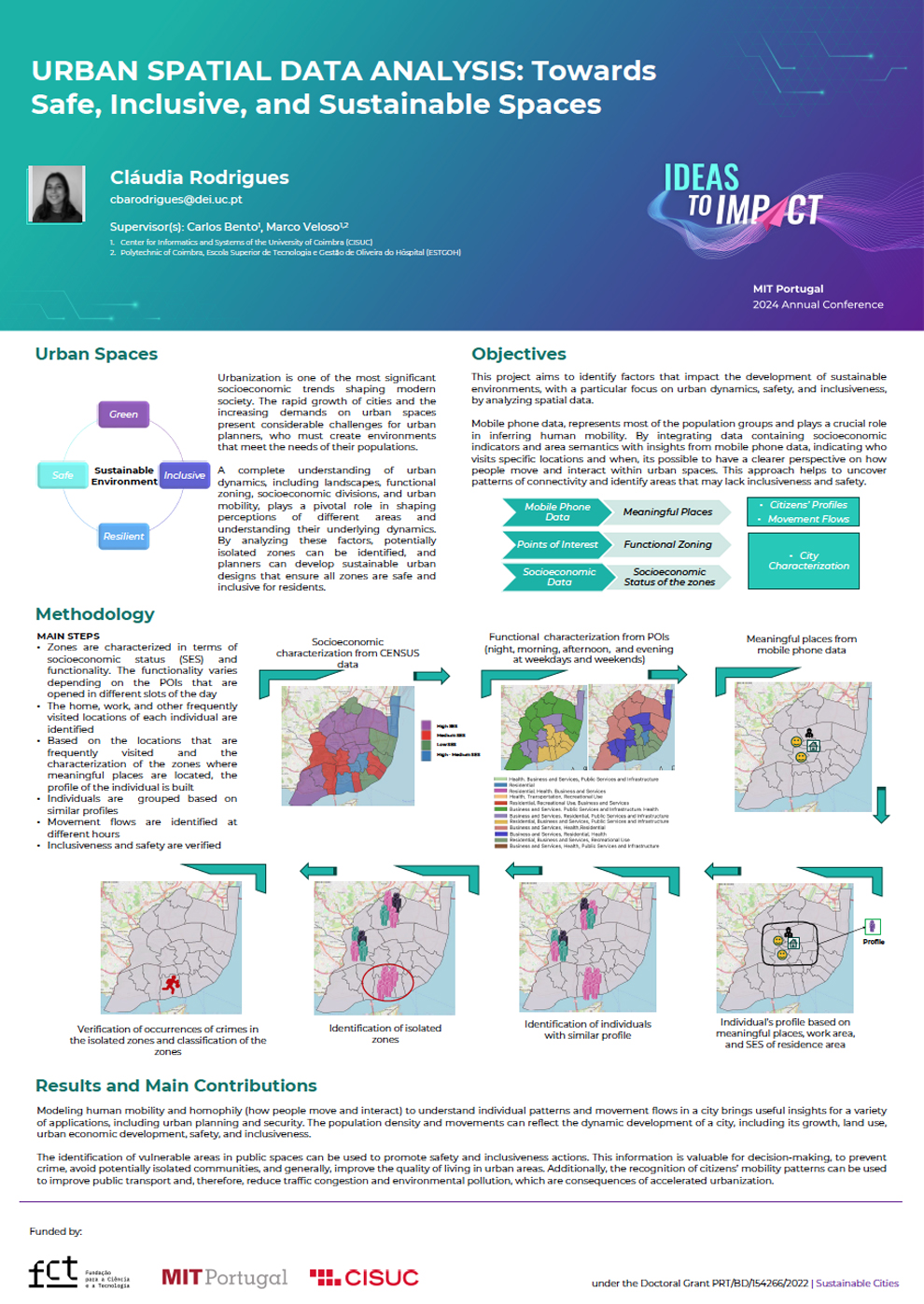
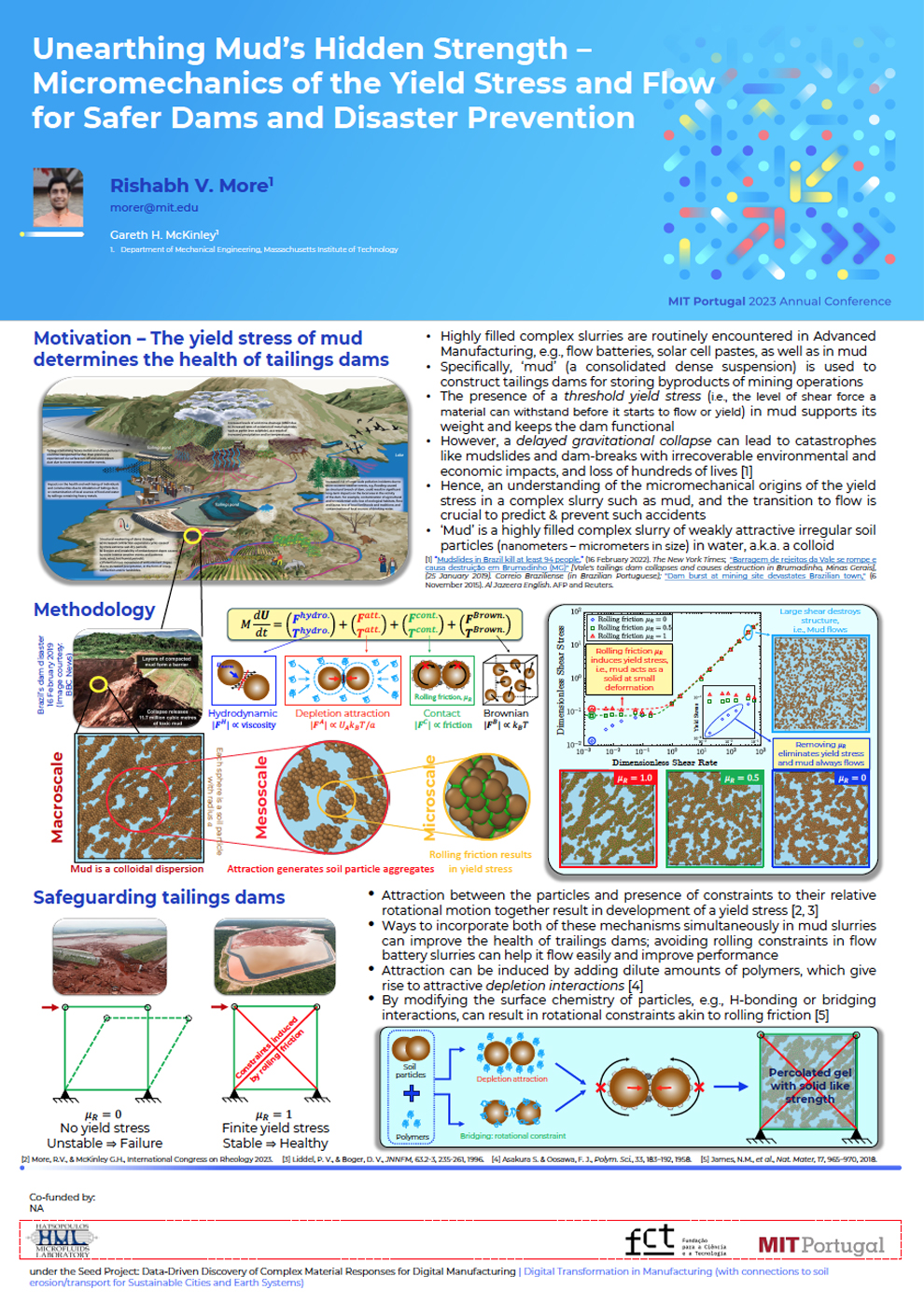
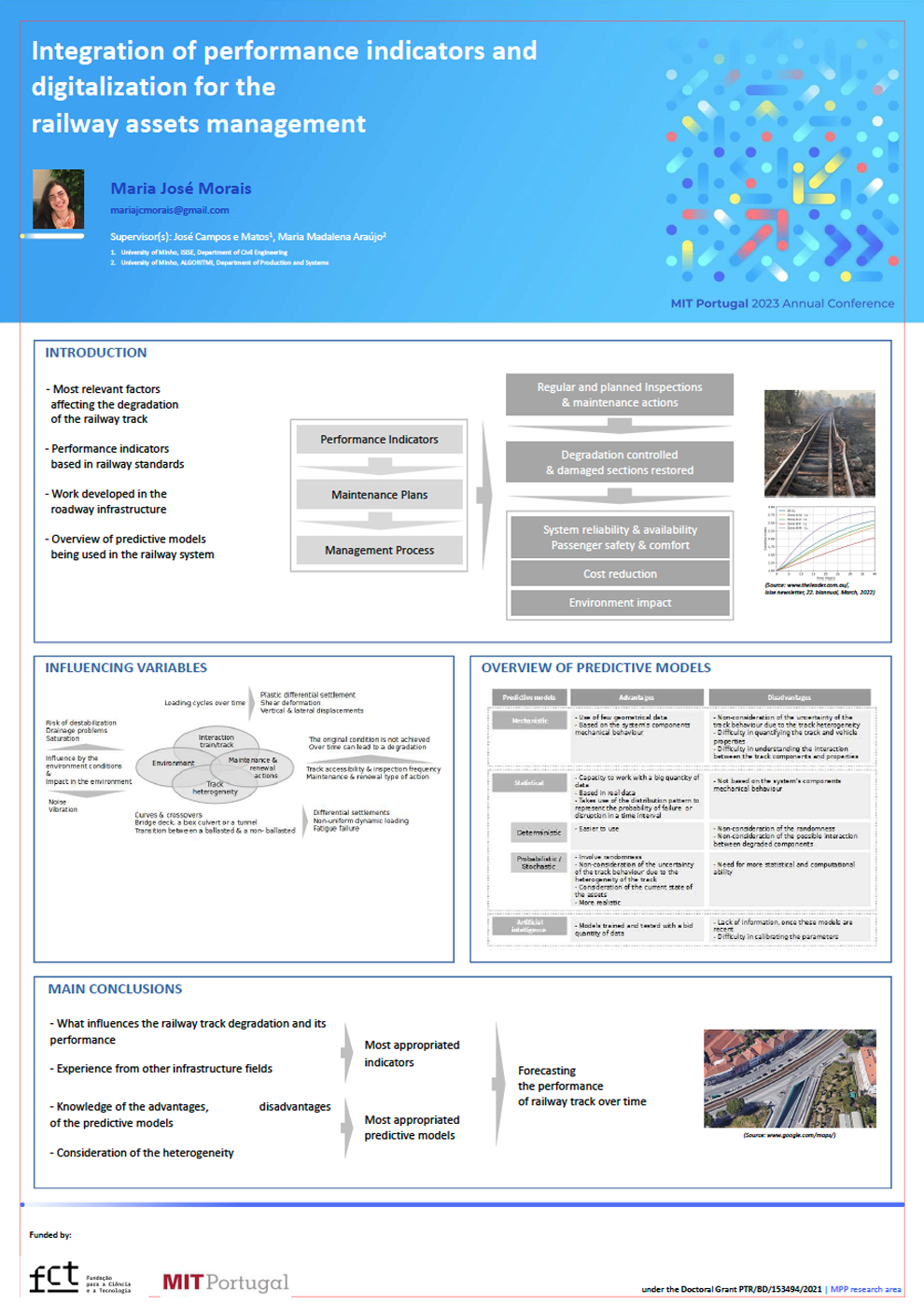
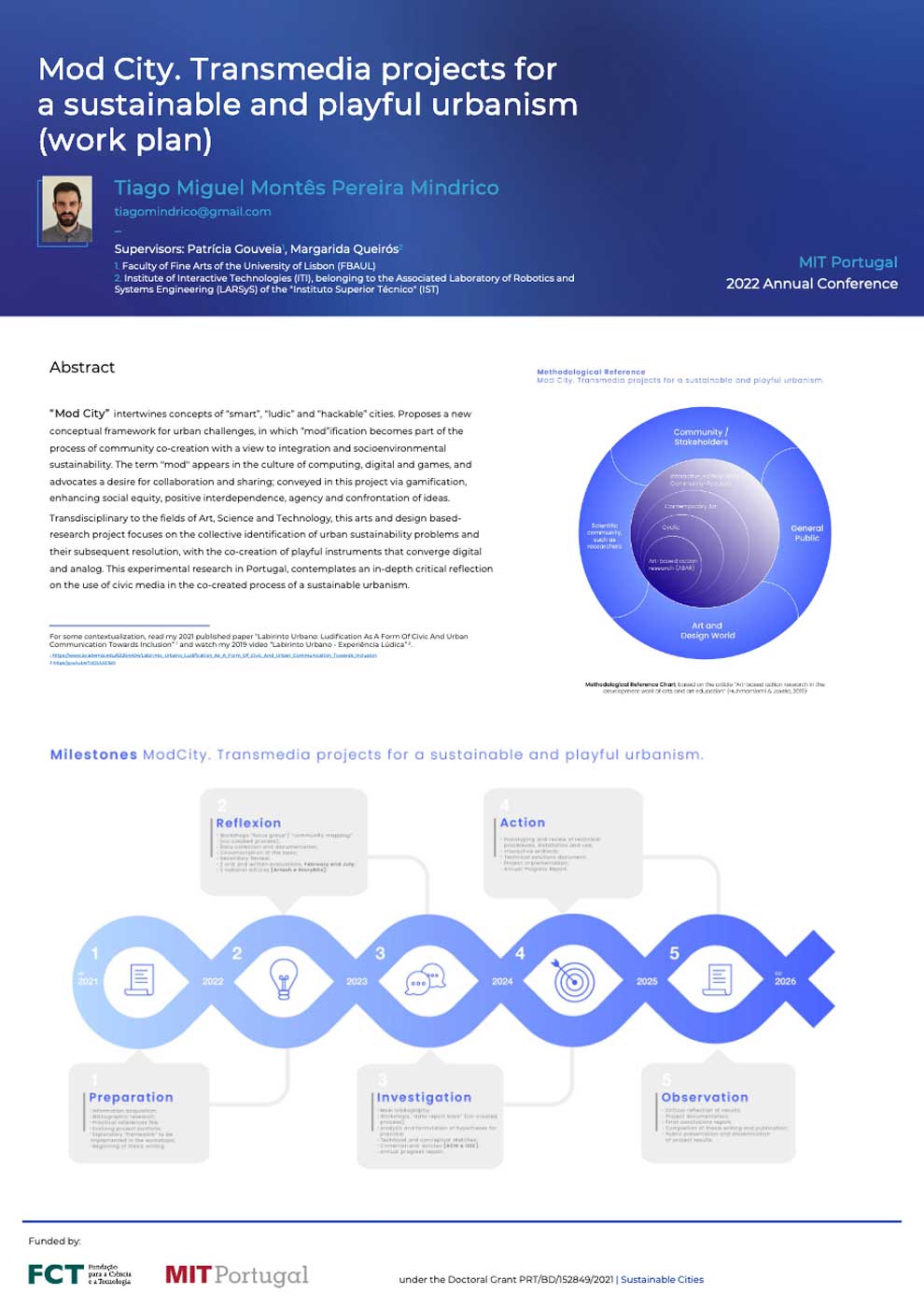
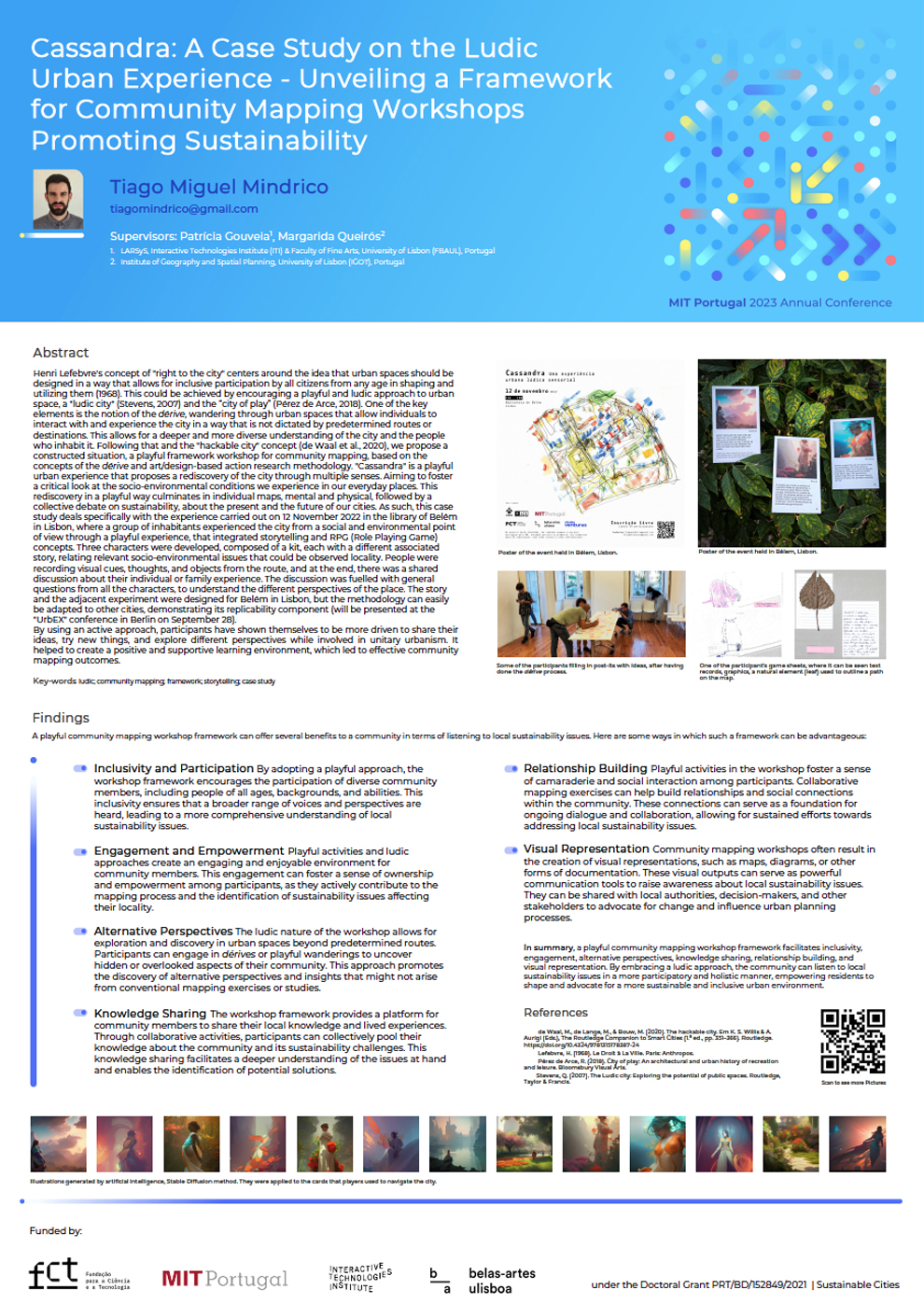
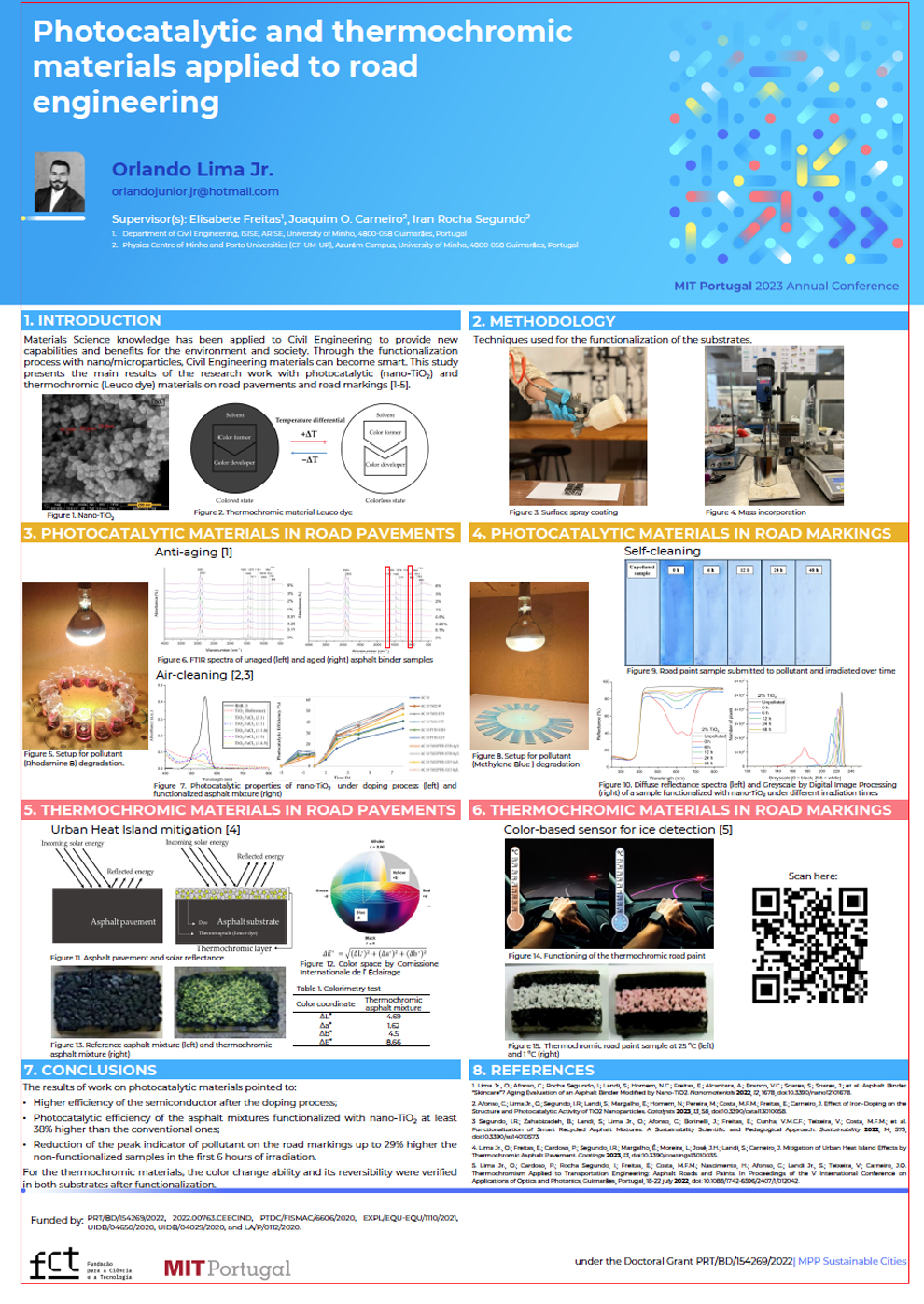
PhD Students
- Image

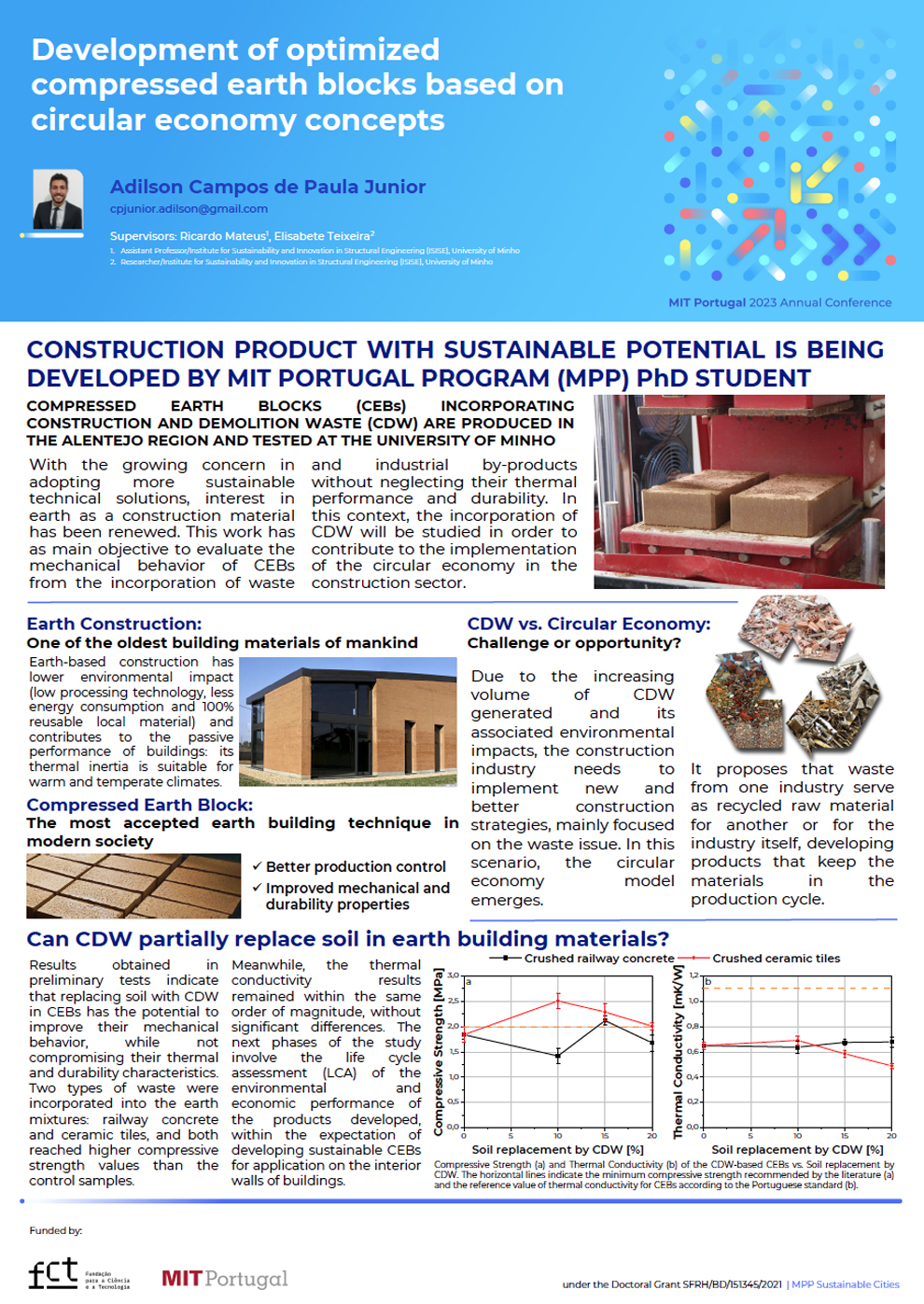
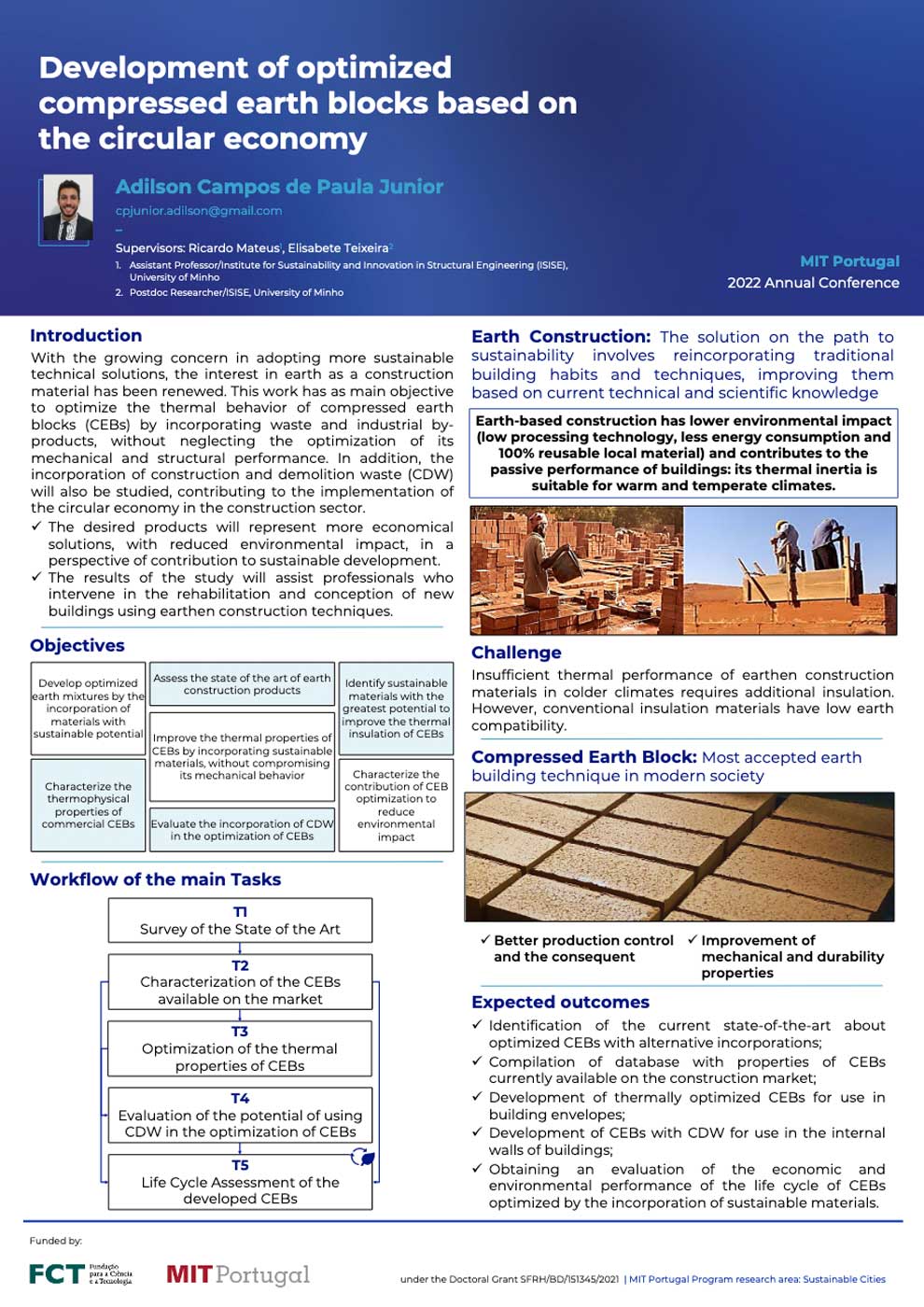
Adilson Junior
Portugal - Image

Adrian Krezlik
PhD Student
Portugal - Image
Adriano Santos Silva
Past PhD Student | CIMO, CeDRI, LSRE-LCM
Portugal - Image

Albano Martins
PhD Student
Portugal - Image
Amir Gholipour
PhD Student
Portugal - Image
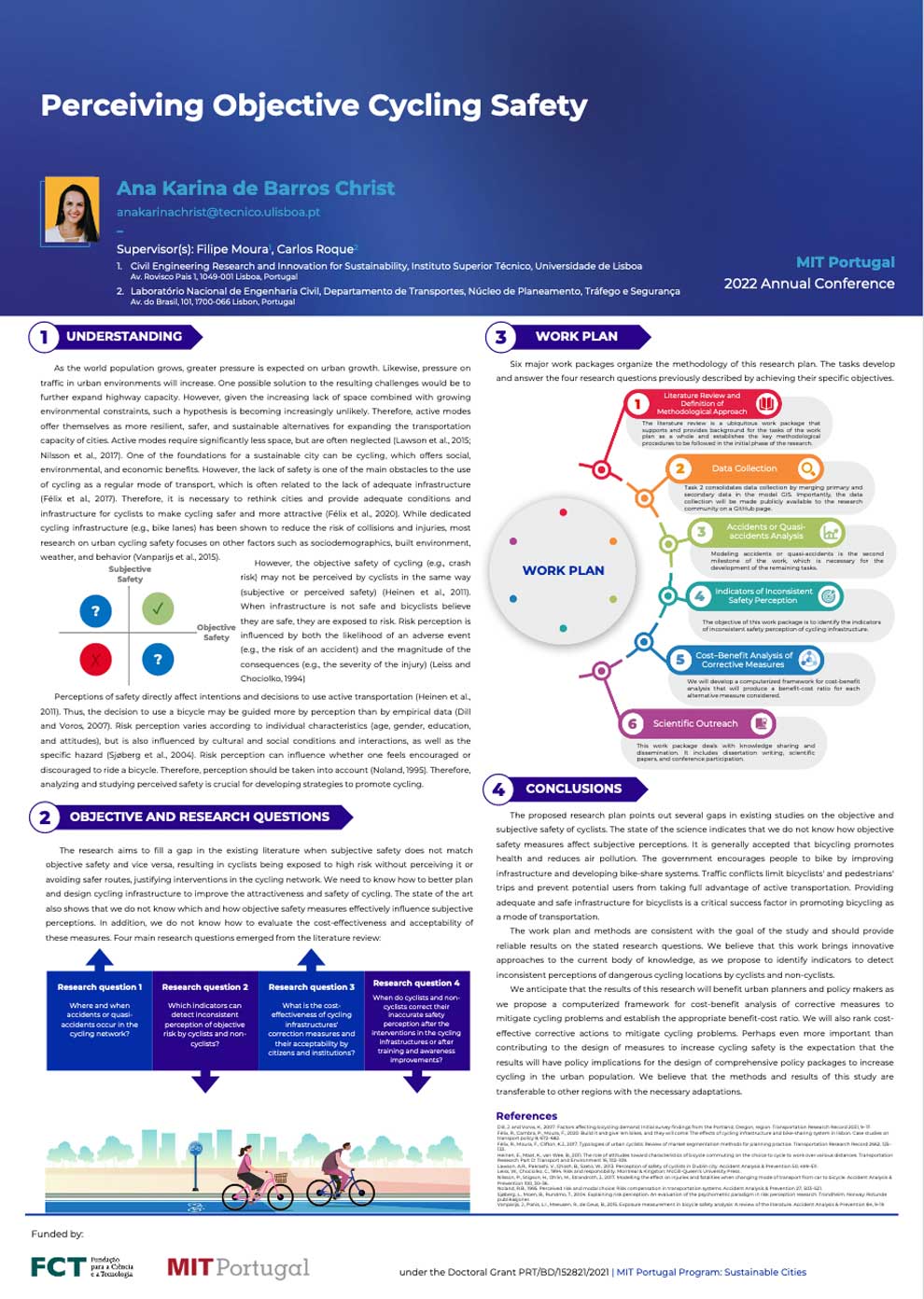
Ana Christ
PhD Student
Portugal - Image

Ana Ferreira da Silva
PhD Student
Portugal - Image
Ana Reis
PhD Student
Portugal - Image
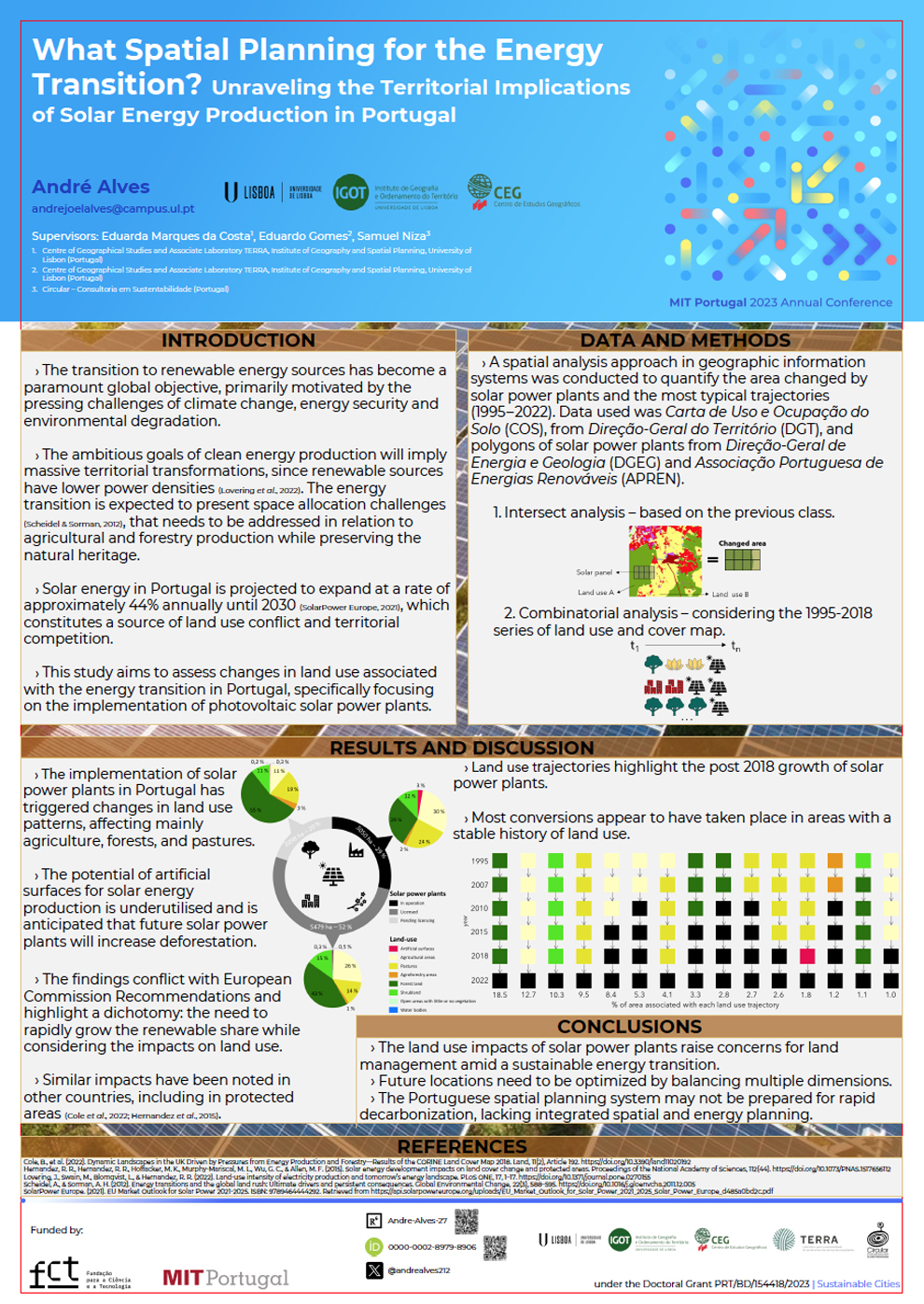
André Alves
PhD Student
Portugal - Image

André Claro
PhD Student
Portugal - Image
Andrea Tarazona
PhD Student
Portugal - Image
Andreina Zerega
PhD Student
Portugal - Image

Annalaura Vuoto
PhD Student
Portugal - Image

Arturo Sousa
PhD Student
Portugal - Image
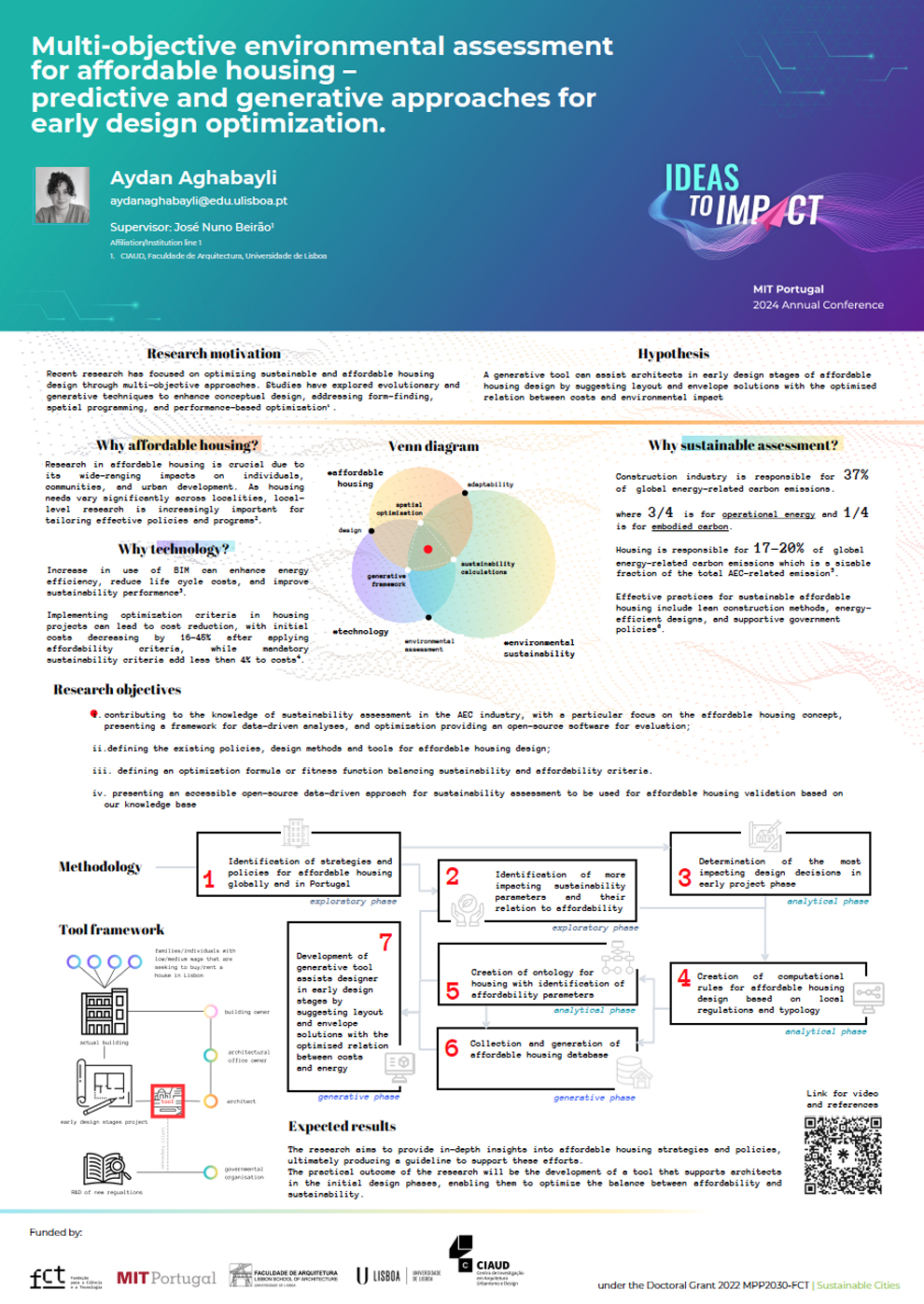
Aydan Aghabayli
PhD Student
Portugal - Image

Breno Sousa
PhD Student
Portugal - Image
Bruna Thomazinho França
PhD Student
Portugal - Image

Carla Colombo
PhD Student
Portugal - Image
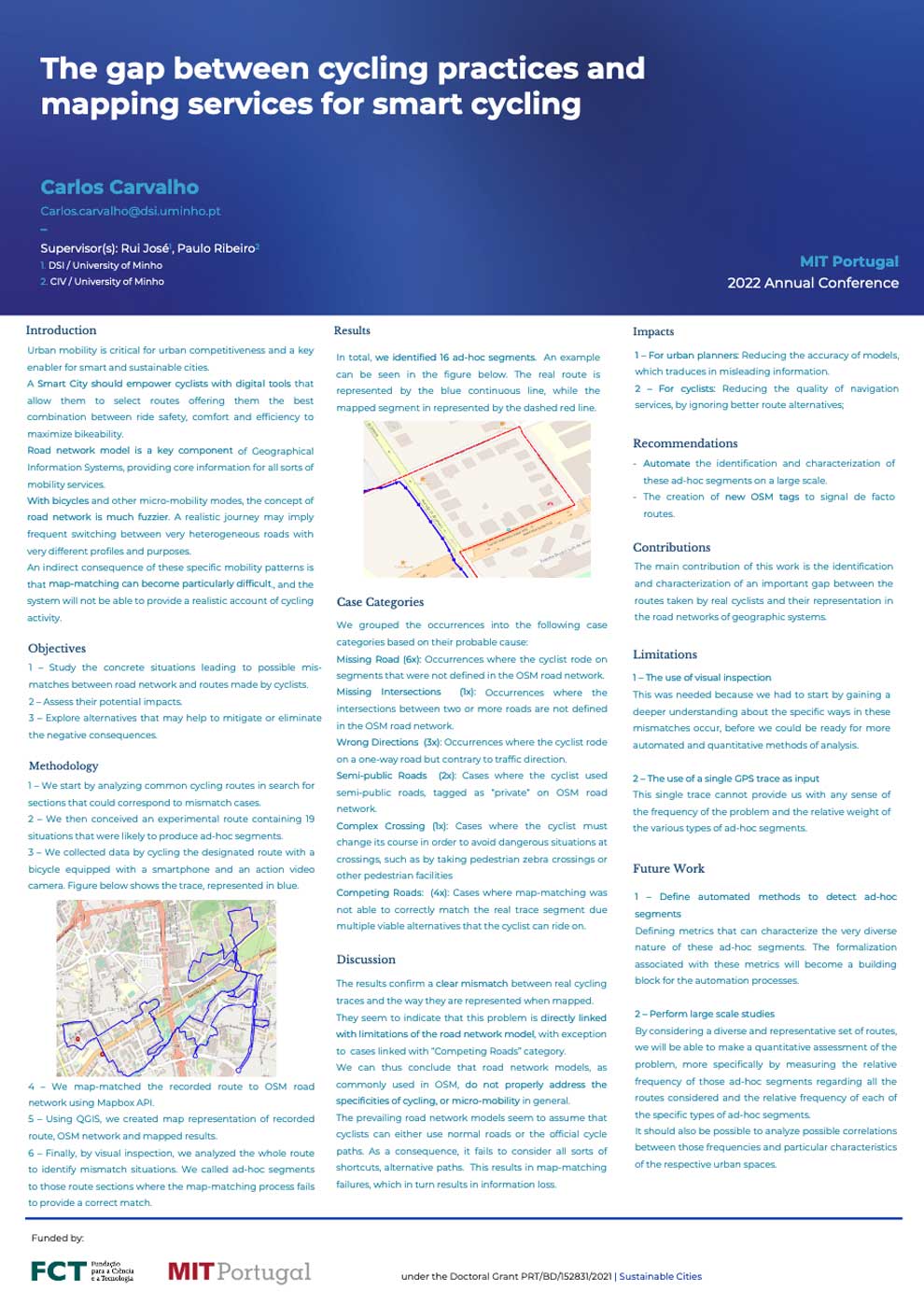
Carlos Carvalho
PhD Student
Portugal - Image

Carlos Hernandez
PhD Student
Portugal - Image

Cauê Rios
PhD Student
Portugal - Image

Cláudia Rodrigues
PhD Student
Portugal - Image
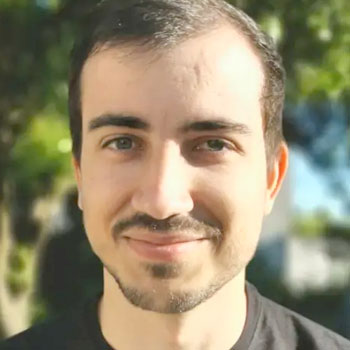
Cláudio Meireis
PhD Student
Portugal - Image
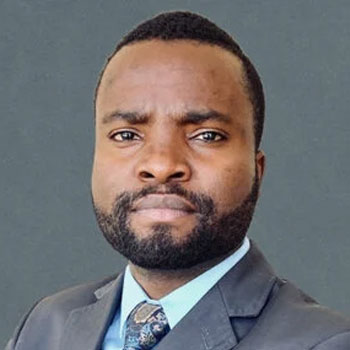
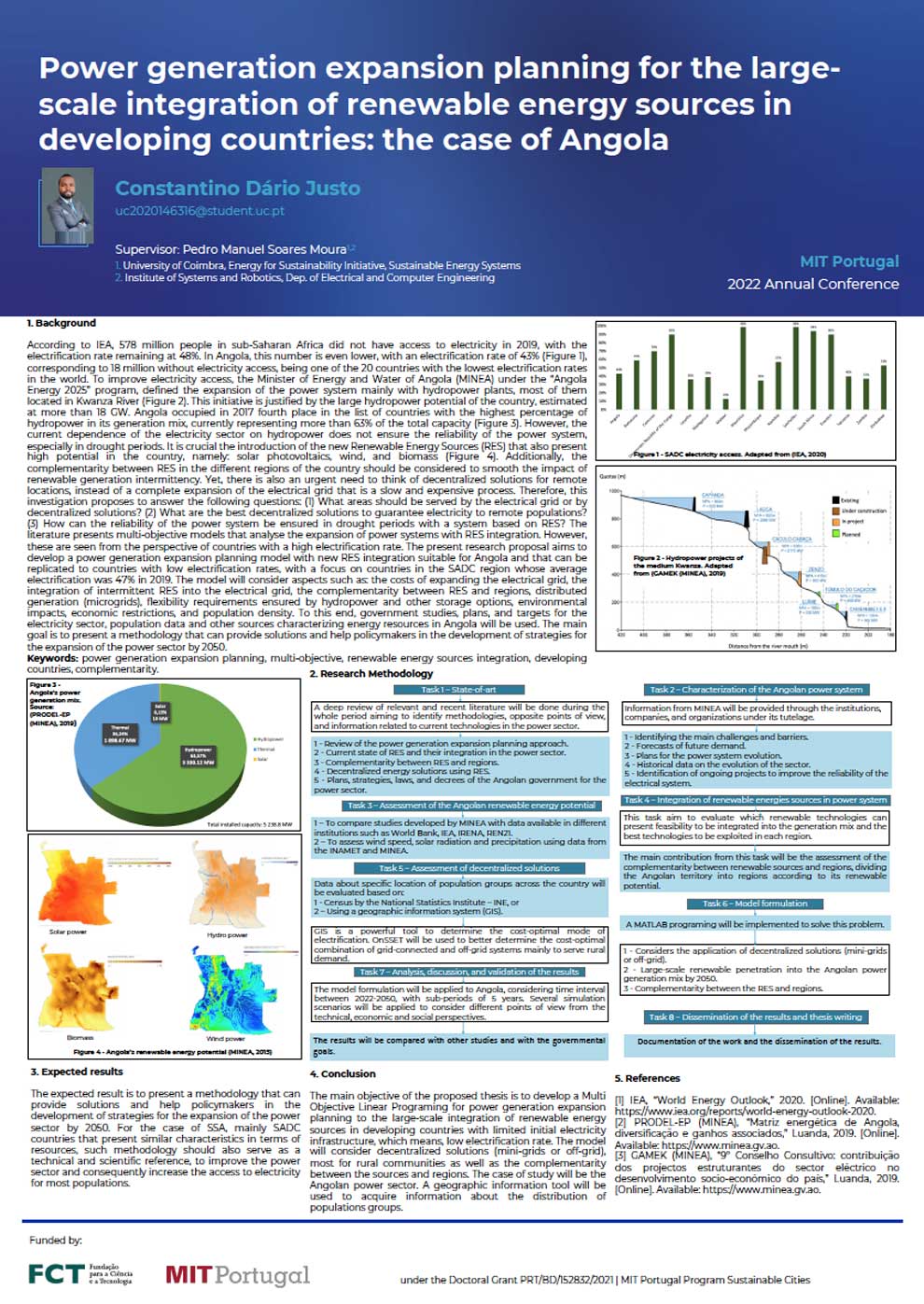
Constantino Justo
PhD Student
Portugal - Image

Daniel Freitas Lima
PhD Student
Portugal - Image

Eva Iñiguez Santamaria
PhD Student
Portugal - Image
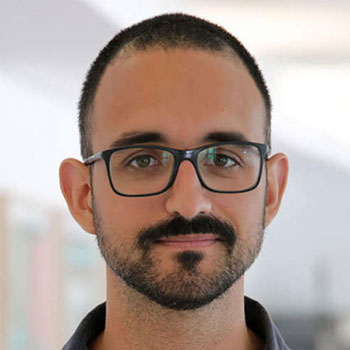
Fernando Ribeiro
PhD Student
Portugal - Image

Filipa Corais
PhD Student
Portugal - Image
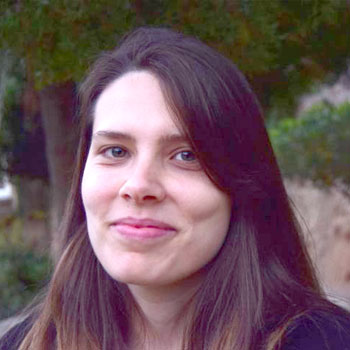
Filipa Ferreira
PhD Student
Portugal - Image

Gabriel Serra
PhD Student
Portugal - Image

Gonçalo Carvalho
PhD Student
Portugal - Image

Hatice Gonçalves
PhD Student
Portugal - Image

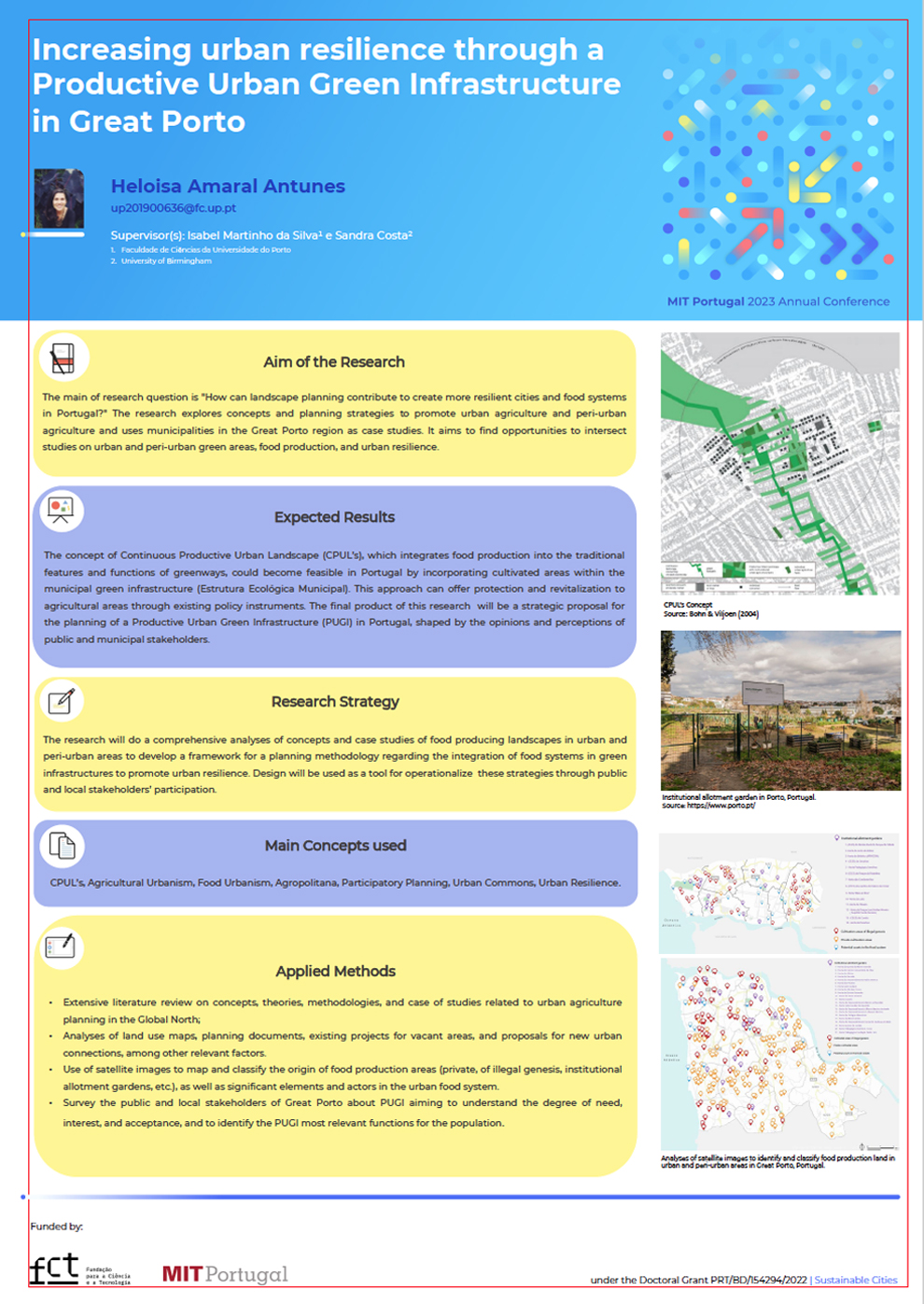
Heloisa Antunes
PhD Student
Portugal - Image

Isabel Pereira
PhD Student
Portugal - Image
Jabez Abraham
PhD Student
Portugal - Image

Jade Müller Carneiro
PhD Student
Portugal - Image

Joana Fernandes
PhD Student
Portugal - Image

Joana Martins
PhD Student
Portugal - Image
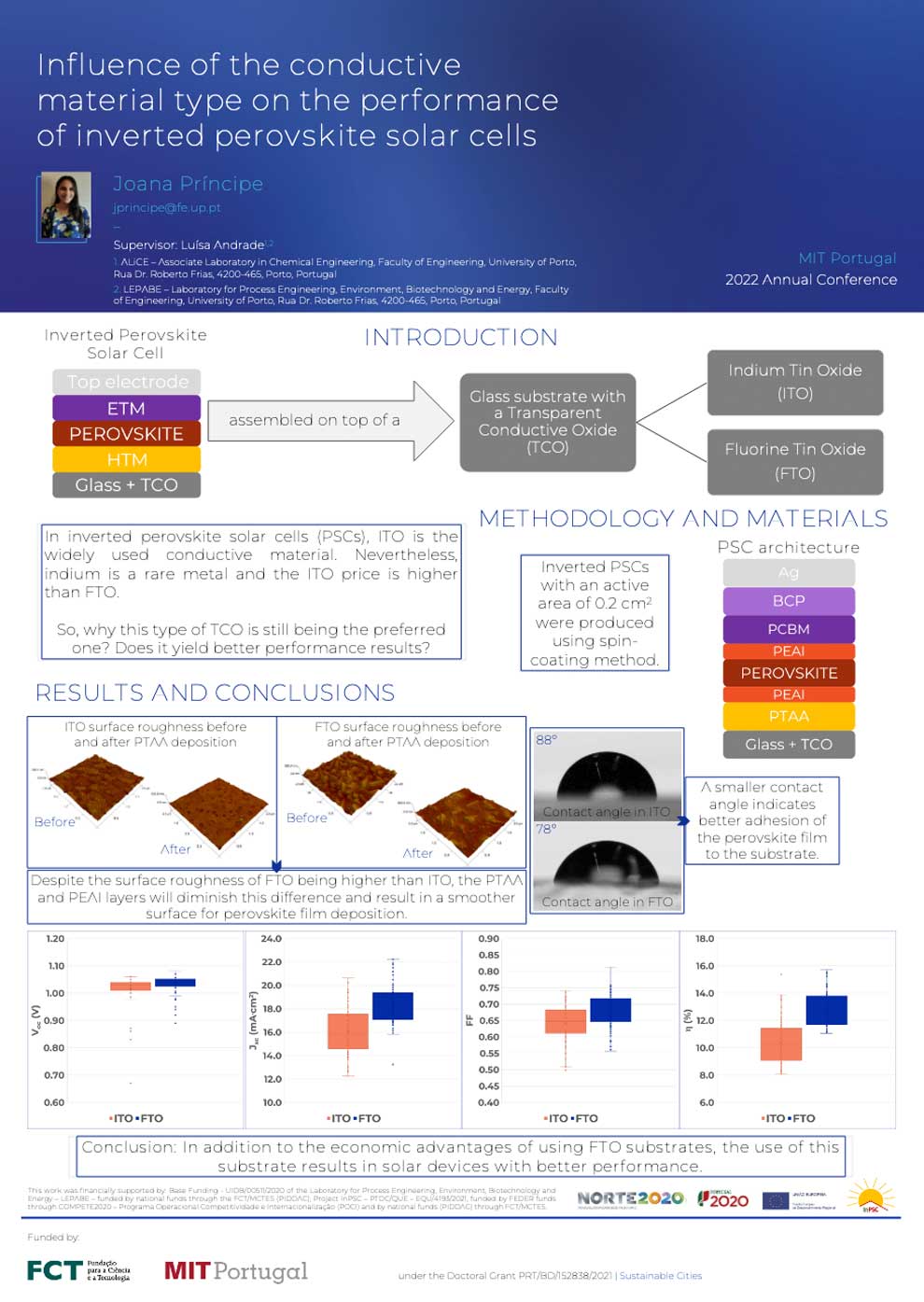
Joana Príncipe
PhD Student
Portugal - Image
João Faria
PhD Student
Portugal - Image

Livia Tavares Cosentino
PhD Student
Portugal - Image

Luana Tesch
PhD Student
Portugal - Image

Lucas Paiva
PhD Student
Portugal - Image
Luiz Claudio Navarro
PhD Student
Portugal - Image

Mahla Shariatzadeh
PhD Student
Portugal - Image

Marcos Motta
PhD Student
Portugal - Image

Maria Anastasiadou
PhD Student
Portugal - Image

Maria José Morais
PhD Student
Portugal - Image

Marina Tenório
PhD Student
Portugal - Image

Maryam Salati
PhD Student
Portugal - Image

Matheus Gomes Correia
PhD Student
Portugal - Image
Maurício Bonatte
PhD Student
Portugal - Image

Nazanin Azimi Fereidani
PhD Student
Portugal - Image

Nuno Saraiva
PhD Student
Portugal - Image

Orlando Lima
PhD Student
Portugal - Image

Pedro Oliveira
PhD Student
Portugal - Image
Rafael Anjos
PhD Student
Portugal - Image
Raul Emilio Fretes
PhD Student
Portugal - Image

Rui del Pino Fernandes
PhD Student
Portugal - Image

Saeid Lotfi
PhD Student
Portugal - Image
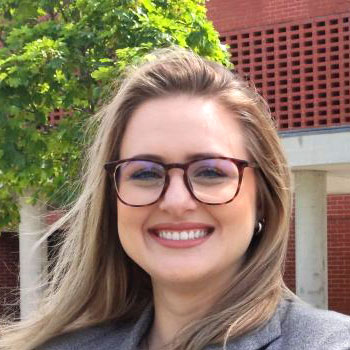
Sara Caroline Bona
PhD Student
Portugal - Image

Sara Parece
PhD Student
Portugal - Image
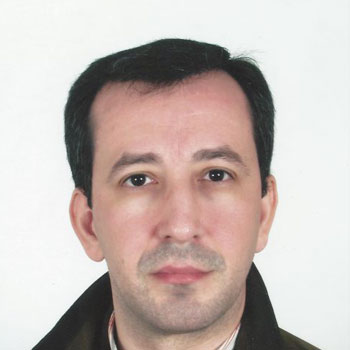
Sérgio Fernandes
PhD Student
Portugal - Image

Simon Szabó
PhD Student
Portugal - Image

Tiago Mindrico
PhD Student
Portugal - Image

Tran Quang Minh
PhD Student
Portugal - Image
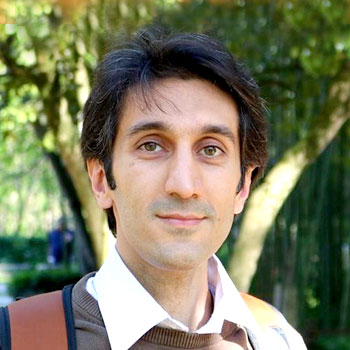
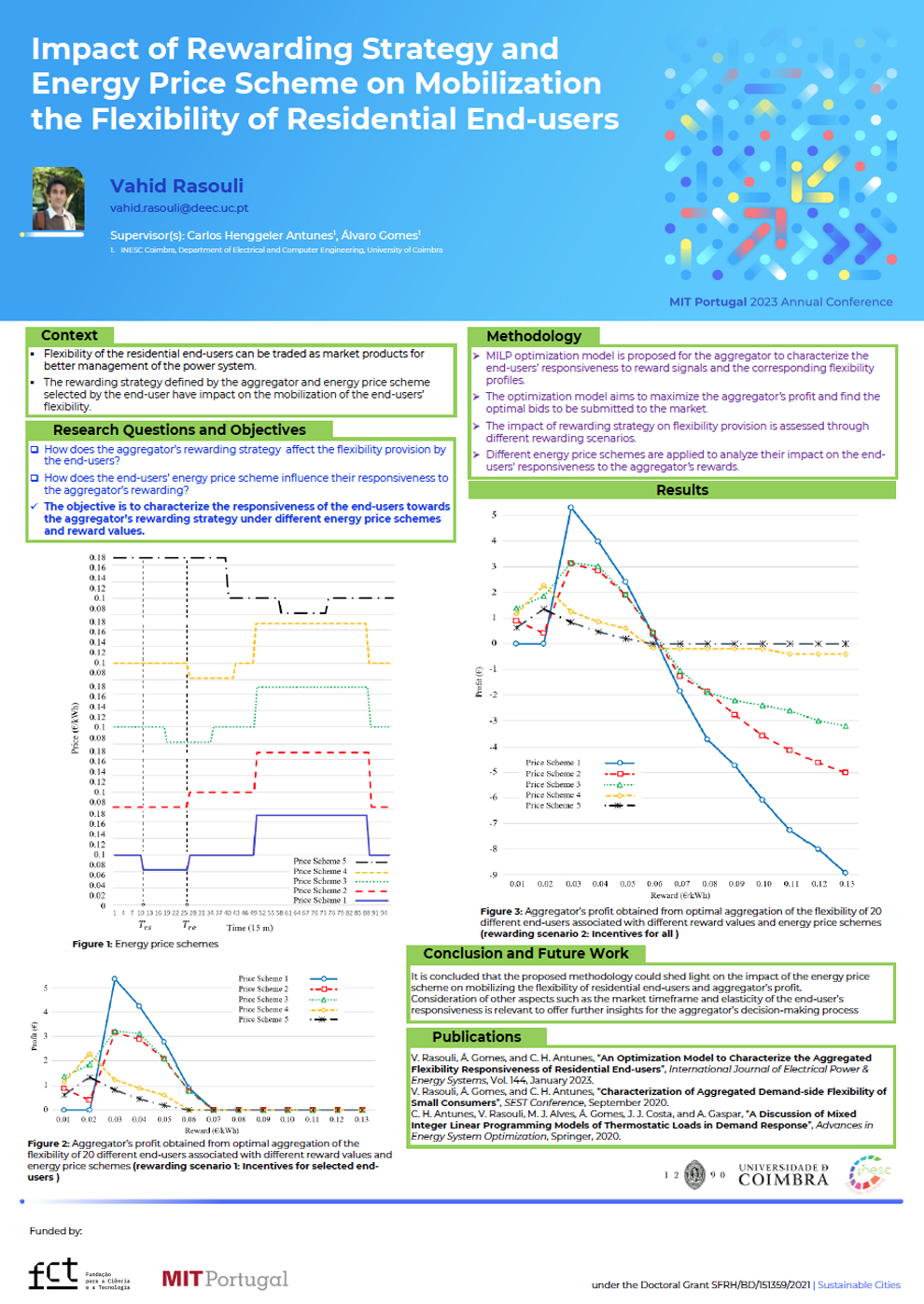
Vahid Rasouli
PhD Student
Portugal