
Student Profiles
- Image
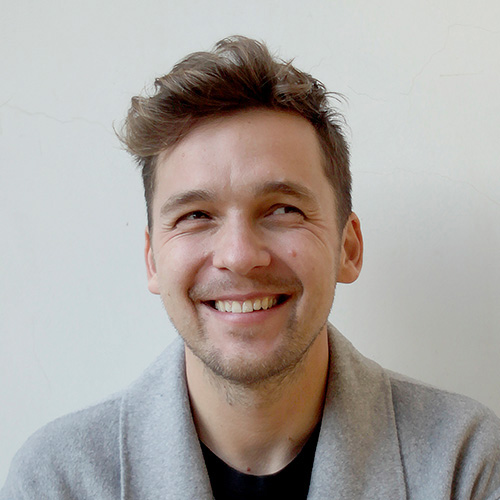
Adrian Krezlik
PhD Student
PortugalImage
Adrian Krezlik
adrian.krezlik@gmail.com
PhD Student
Faculty of Architecture, University of Porto
PortugalBioArchitect graduated from Technical University of Łódź (Poland), worked for Zaha Hadid Architects in London (2009-2011), and later for Fernando Romero (2011-2012) and Rojkind Arquitectos (2013-2014) in Mexico City. In Poland, he founded the Contemporary Architecture Foundation that has organized more than seventy events dedicated to parametric design. He is interested in science-based architectural design, especially based on building performance, its impact on the environment. He lectured in Barcelona, Cairo, Copenhagen, Helsinki and Warsaw, to list some. He was Visiting Assistant Professor at Weißensee Kunsthochschule in Berlin. He is an architecture curator for the Polish Pavilion for the EXPO 2020. Adrian has started PhD research at FAUP in 2019 and joined CEAU in 2020.
Project TitleEnergy, Materials and Health in regenerative processes of common architecture for Sustainable CitiesAbstractThe Intergovernmental Panel on Climate Change urges industries to disrupt with changes. From design to build takes years, and decades to operate, making it a long-lasting machine that has a large impact on the climate and biodiversity and could be thought to regenerate the environment. The International Style, developed at the beginning of the 20th-century, paid no interest to climate or past knowledge. The digital turn in architectural design — computer simulation and performance optimization allows not only creating ideas and processes but also revisiting vernacular, historical, early-modern and counter-culture architecture and with accurate tools in the search for solutions for better daylight conditions, energy consumption or ventilation. This proposal looks for regenerative architecture schemes in three domains (Energy, Materials and Health) for rapidly changing: retrofitting and urbanizing, regions and those researching borders concepts like tradition/innovation, local/innovation to create a sustainable built environment. Finally, the proposal is in line with the New European Bauhaus and its local version the NEB Goes South that has been developed at the University of Porto and partners recently .
Research AreasSupervisorsJose Pedro SousaRui J. G. Ramos - Image
Albano Martins
PhD Student
PortugalImage
Albano Martins
albano.jgmartins@fe.up.pt
PhD Student
Faculty of Engineering, University of Porto
PortugalBioEducation:
– PhD Student in Civil Engineering – Spatial Planning and Environment at the Faculty of Engineering of University of Porto, Portugal (MIT Portugal Program – 2020 FCT-MPP2030 PhD Grant);
– MSc in Civil Engineering – Building Construction at the Faculty of Engineering of University of Porto, Portugal.Research Interests:
– Spatial Planning and Environment;
– Bioclimatic Design and Thermal Comfort;
– Climate Science and Energy Efficiency;
– Urban Design and Built Environment;
– Vernacular Architecture and Building Construction.Project TitleBioclimatic design in urban context through the recovery of vernacular solutionsAbstractThe bioclimatic solutions of vernacular architecture and its principles of adapting the building to the climate constitute important lessons in constructive and environmental sustainability. Thus there is a strong correlation between construction and morphological characteristics and the respective local climatic contexts.
Contemporary architecture ends up neglecting these issues to a certain extent, where traditional and empirical knowledge has been lost over time, as well as cultural identity, giving rise so often to constructions disconnected from the characteristics of the “region”, and without sustainable basis in constructive and environmental terms.
The PhD work plan intends to reflect on the advantages of recovering the empirical knowledge of vernacular construction, being able to serve as a guideline in the eventual creation of specific regulations. These guidelines are also suitable for application in countries with similar climatic characteristics, highlighting the traditional materials available locally and the techniques used in construction, together with the possibility of linking these constructive solutions to the contemporary technologies available.
Research AreasSupervisorsFernando Brandão AlvesHelena Corvacho - Image
Amir Gholipour
PhD Student
PortugalImage
Amir Gholipour
amirgholipour@outlook.com
PhD Student
Instituto Superior de Agronomia, University of Lisbon
PortugalBioAmir Gholipour is MSc in water and wastewater engineering and Bachelor degree in civil engineering. Has experience in dealing with Nature based Solutions (NBSs) for wastewater treatment and reuse. He founded a start-up Company in Iran -TIGT, which provides green solutions and services for wastewater management.
Project TitleSludge treatment by earthworm-enhanced reed beds towards smart-citiesAbstractThe objective of this study is to demonstrate the potential of the sludge-treatment-reed-bed (STRB) assisted with earthworm as a sustainable solution for sewage sludge management within a smart city plan. This alternative solution can be used instead of conventional ones that are costly, low in life expectancy and by-products need further treatment. This cost-effective project will be developed in cooperation with the water industry (Frielas wastewater-treatment plant) that will supply sludge samples and validate the benefits of this innovative technology. The project comprises earthworms’ roles in sustainable sewage sludge management, dewatering and stabilization processes, evapotranspiration effect in the dewatering and the assessment of the operational requirements for STRB technology to develop a technical and economic evaluation analysis. The knowledge gathered from this research will contribute to minimize environmental impacts of climate changes as well.
Research AreasSupervisorsElizabeth DuarteAna GalvãoRita Fragoso - Image
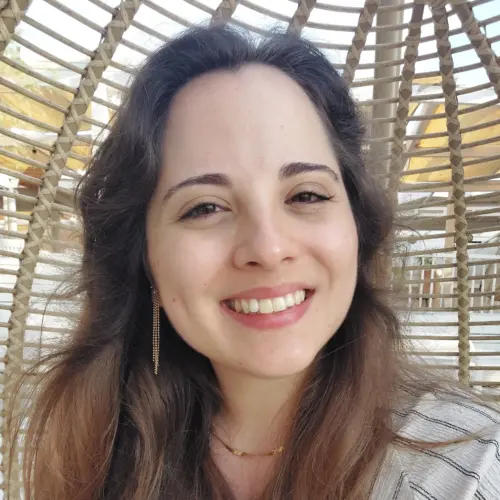
Ana Filipa Duarte
PortugalImage
Ana Filipa Duarte
filipadamasoduarte@tecnico.ulisboa.pt
CERENA, Instituto Superior Técnico, University of Lisbon
PortugalBioAna Filipa Duarte is currently a PhD candidate of Earth Resources at Instituto Superior Técnico specializing on Seismic Oceanography. Also holds a bachelor’s degree in Geological and Mining Engineering and a master’s degree in Petroleum Engineering from Instituto Superior Técnico. During the master’s, she had major interests in Geophysics and Geostatistics. In the last year of the degree, she enrolled in an internship at Heriot-Watt University, in the Lyell Research Centre, Edinburgh, where she developed the master’s thesis in seismic reflection interpretation. That project had the purpose of interpreting the morphology and extent of an igneous intrusion from Early Cretaceous and its influence in the Falkland Plateau Basin. In 2020 she joined a project to analyze and bring knowledge about COVID-19 disease, in Instituto Superior Técnico, where she collaborated with the mapping of the infection risk for Portugal, and implemented a an early warning system for anomalous values of COVID-19 incidence in the Metropolitan area of Lisbon, allowing policy makers to better act on contingency plans. Between 2021 and 2023, she was researcher collaborator at +ATLANTIC (Collaborative Laboratory), where she established modelling and analysis of the ocean having Seismic Oceanography as a tool to increase the resolution of temperature and salinity models of the water column in the North Atlantic Ocean, integrating real data from multiple sources.
Project TitleQuantitative modelling of the ocean with acoustic wavesAbstractSeismic oceanography has proven its value to imaging the ocean in high-resolution using conventional multichannel reflection seismic data (MCS). The recorded acoustic responses depend on contrasts in ocean temperature and salinity. The processed data enable tracking interfaces between thermohaline layers and the study of fine-scale processes spatially. However, their interpretation has been focused on qualitative methods, and integration with dynamic ocean models is still unexplored. In this PhD, I will develop and implement methods to predict spatially ocean temperature and salinity through the integration of MCS data with direct observations (e.g., CTD, ARGO) in a spatial data science framework. These methods will be applied to existing data from Gulf of Cadiz. As a complementary and exploratory approach, and since MCS data acquisition is complex and expensive, I will look at using high-resolution echosounders mounted in autonomous underwater vehicles to model in real-time the ocean.
SupervisorsLeonardo Raposo PereiraRenato Santos Mendes - Image
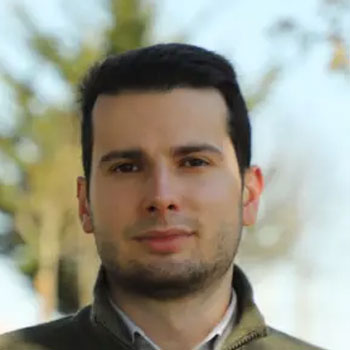
André Alves
PhD Student
PortugalImage
André Alves
andrejoelalves@edu.ulisboa.pt
PhD Student
Centre of Geographical Studies, Institute of Geography and Spatial Planning, University of Lisbon.
PortugalBioDegree in Geography. MSc in Geographical Information Systems and Modelling applied to Spatial Planning. Currently doing research at the Centre of Geographical Studies pursuing amd PhD in Geography with a focus in Regional and Urban Planning at the University of Lisbon IGOT – Institute of Geography and Spatial Planning. My research intersects planning, sustainability, land-use and renewable energy.
Project TitleIntegrating land use into the energy transition: spatial dynamics, policies and directionsAbstractThe transition from fossil fuels to renewable energy sources is a strategic goal in many countries, driven by economic concerns and the imperative to address climate change. However, land-use conflicts associated with the increase of renewable energy production sites have led to the loss of natural and semi-natural areas, casting doubt on the sustainability of this infrastructure deployment. Additionally, there is also a concern to increase efficiency of energy consumption, namely urban areas and their morphology. Therefore, this PhD project aims (i) to assess the impacts resulting from the implementation of the renewable energy production infrastructures; (ii) to analyse the connection between urban form and renewable energy consumption patterns; and (iii) to develop various spatial scenarios for 2050 to optimize land use in aligning urban form with renewable energy consumption patterns. The achieved results may help decision-makers to create more effective energy transition policies and integrating energy considerations into spatial planning, namely through land management instruments.
Research AreasSupervisorsEduarda Marques da CostaEduardo GomesSamuel Niza - Image
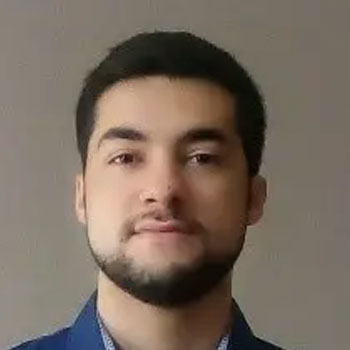
André Claro
PhD Student
PortugalImage
André Claro
andreclaro@utad.pt
PhD Student
University of Trás-os-Montes and Alto Douro
PortugalBioAndré Claro holds a bachelor’s degree in Meteorology, Oceanography and Geophysics and a master’s degree in Atmospheric and Marine Sciences from the University of Aveiro (Portugal). During his training at this university, he developed an interest for applied climatology and began a research career in this area, initially focusing on climatology applied to renewable energy production. Currently, André is a PhD candidate at Applied Physical Sciences doctoral program from the University of Trás-os-Montes and Alto Douro (Vila Real, Portugal), and a scholarship researcher at CITAB – Centre for the Research and Technology of Agro-Environmental and Biological Sciences (Vila Real, Portugal). At CITAB, he works on climatology applied to the agricultural sector, specifically the assessment of water availability for crops and the impacts of extreme atmospheric events on agricultural production.
Project TitleCrop-watershed modelling of future agricultural water availability in PortugalAbstractAlthough climate change impacts on agricultural crops in Portugal have already been extensively studied, research is still lacking on water availability for agriculture, as well as on its irrigation demands, under a climate change future. Therefore, the goal of my PhD project is to predict the future crop irrigation needs and agricultural water availability in Portuguese watersheds, using a coupled crop-watershed modelling system forced by state-of-the-art regional climate data. The outcomes of my research will be used to define climate change adaption strategies for the agricultural sector, that will be made available to farmers and other agriculture professionals through a web-based platform.
Research AreasSupervisorsJoão SantosHelder FragaAndré Fonseca - Image
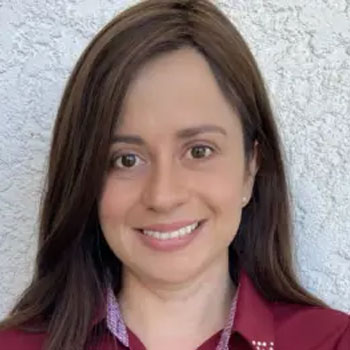
Andrea Tarazona
PhD Student
PortugalImage
BioCivil Engineer with a background in structural design and experience in Transport Infrastructure research. With over a decade of hands-on experience as a structural designer, I am deeply passionate about addressing seismic challenges and advancing construction practices within the field of civil engineering. My expertise and interest encompass not only construction and seismic engineering but also extend to the dynamic field of Transport Infrastructure Management. I am dedicated to contributing my skills and knowledge to create resilient and efficient solutions in the field of civil engineering.
Project TitleHierarchical methodology to support decision-making in infrastructure managementAbstractIn the context of ongoing climate change, awareness about transport infrastructure exposure to extreme events has been increasing. Likewise, the urgency of climate adaptation is also at the top of priorities, particularly in developed countries that have large transport networks to preserve. The main efforts conducted in the past have focused on the development of advanced models to tackle single hazards affecting one or two transport assets. While recognizing the importance of such efforts, a way to analyze several consecutive hazards affecting several assets simultaneously is still missing. Therefore, reality is actually what isn’t being simulated. This thesis proposes a hierarchical methodology to create the most probable scenarios, the vulnerability of the transport assets affected by each scenario, as well as the consequences that their failure may introduce into the transport network functionality. The results will contribute to the resilience of the transport network and decision-making improvements.
Research AreasSupervisorsJosé António MatosBryan Tyrone Adey - Image
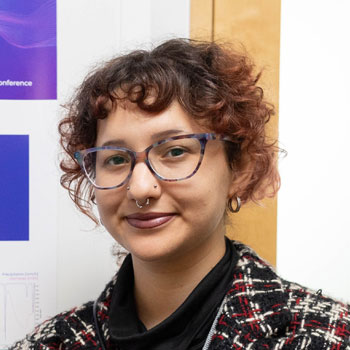
Andreina Zerega
PhD Student
PortugalImage
Andreina Zerega
zeregamarques@student.uc.pt
PhD Student
University of Coimbra
PortugalBioPhD student in environmental engineering, interested in ecological restoration, urban streams, models, hydrology, hydraulics, water quality, ecology, machine learning.
Project TitleUrban Stream Rehabilitation for Sustainable CitiesAbstractDeveloping models to simulate the biological results of hydromorphological rehabilitation on urban streams.
Research AreasSupervisorsNuno Eduardo SimõesMaria João Feio - Image

Annalaura Vuoto
PhD Student
PortugalImage
Project TitleDigital Twin implementation for heritage buildings subjected to natural hazardsAbstractThe research work aims to propose a holistic methodology for the structural integrity preservation of Built Cultural Heritage (BCH) to be framed in the broader scope of a Digital Twin (DT) paradigm implementation. The design of new DT processes and technologies for buildings requires holistic thinking. Therefore, a multidisciplinary framework will be proposed to make the BCH structures’ conservation process less expensive, more efficient and more reliable than existing approaches.
Research AreasSupervisorsPaulo B. LourençoMarco F. Funari - Image

Arturo Sousa
PhD Student
PortugalImage
Arturo Sousa
arturo.sousa@staff.uma.pt
PhD Student
University of Madeira
PortugalAbstractThe theme of sustainability of cities is a very current and interdisciplinary topic that leads to a series of interests and influences. Urban sustainability has a clear importance and interest in tourists/visitors, host populations, tourism companies and local/national governments. Tourism, as a type of mobility, leisure, practice, economic, cultural, social phenomenon, can directly and/or indirectly promote the sustainability of cities, therefore, it is proposed to explore and verify the sustainability of portuguese cities for tourism. As national case studies the objective is to present the main cities in Portugal – Porto, Coimbra, Lisbon, Faro, Ponta Delgada and Funchal. By reading and analysing various national and international sources of information, creating surveys, questionnaires, making specific visits/travels, studying good international practices, it will be possible to present strategies for improving and/or creating greater sustainability in the selected cities.
Research AreasSupervisorsSusana Teles - Image
Beatriz Biguino
PhD Student
PortugalImage
Beatriz Biguino
bibiguino@fc.ul.pt
PhD Student
Faculty of Sciences of the University of Lisbon (FCUL); University of Aveiro; Southampton University
PortugalBioBeatriz Biguino has a degree in Meteorology, Oceanography and Geophysics and a Master degree in Marine Sciences from the Faculty of Sciences of the University of Lisbon (FCUL) (18/20). She is a research fellow at MARE – Marine and Environmental Sciences Centre (FCUL) since 2019, having integrated multidisciplinary projects in the area of environmental quality. Between 2020 and 2021 she was a research fellow at the Hydrographic Institute (Lisbon), in a partnership with MARE. Currently she is taking a PhD in Marine Sciences (FCUL) with a scholarship awarded by the MIT Portugal Program (2021 MPP2030-FCT). She has four articles published in specialty journals, presented two extended abstracts and posters at conferences, and made as well three oral presentations. Areas of interest include coastal and estuarine oceanography and their monitoring with satellite remote sensing.
Project TitleClimate Change in the Western Iberian Coast: from the sea to estuariesAbstractWorldwide, climate change is critically affecting marine environments, particularly estuaries, through ocean warming, sea level rise, extreme events and acidification. Despite the global evidence, regional studies focused on this subject are still in need, especially on the Western Iberian Coast, as there is a lack of long-term temporal and spatial analysis assessing the evidence of climate change effects in an integrated study of this region. The main aim of this project is, therefore, to search for regional evidence of climate change considering estuaries and adjacent coastal ocean, using in situ observations and satellite imagery. Future scenarios will be assessed for different estuarine systems through the application of a numerical model, that will allow understanding the regional and local impacts of climate change in the Western Iberian Coast.
SupervisorsAna C. BritoJoão Miguel DiasIvan D. Haigh - Image
Carlos Hernandez
PhD Student
PortugalImage
Carlos Hernandez
carlos.hernandez@dem.uc.pt
PhD Student
Association for the Development of Industrial Aerodynamics (ADAI)
PortugalProject TitleEcodesign of plastic products: a novel approach and applicationsAbstractThe plastic industry plays an essential role in improving the quality of life for millions of people worldwide. However, the growing demand for plastic products has increased the pressure to find more sustainable solutions. Therefore, it is necessary to integrate environmental aspects into product design and development, along with economic and technical requirements, to support the sustainable production of plastic products. This research project aims to develop a novel ecodesign approach using applications from the plastic industry to improve their life-cycle performance. Three plastics applications will be analysed: nutraceutical bottle, automotive interior door handle and carrier frame for instrument cluster. The project involves exploring different ecodesign strategies, such as incorporating alternative materials. The novel ecodesign approach will integrate methodologies, such as Life Cycle Assessment & Costing, with Multi-Criteria Decision Analysis and Uncertainty analysis. The Stochastic Multi-Attribute Analysis is being explored to compare the environmental and other criteria and evaluate different weighting preferences (or decision makers with conflicting priorities). The outcome is to deliver a novel ecodesign approach that integrates complementary methodologies to provide robust decision support for the development of more sustainable plastic products.
Research AreasSupervisorsFausto FreireCarla Rodrigues - Image
Catarina Santos
PhD Student
PortugalImage
Catarina Santos
csj.santos@fct.unl.pt
PhD Student
MARE – Marine and Environmental Sciences Centre
PortugalBioI am Catarina Jóia Santos, a 28-year-old PhD Student and Researcher. My research career dates back to late 2019, when I started my master thesis, which was developed within the scope of a National Project (To-SEAlert, coordinated by LNEC – National Laboratory of Civil Engineering). My master thesis focused on studying shoreline evolution in the months after a beach nourishment, using video monitoring techniques – which endorsed my interest for coastal risk and coastal management. Due to the nature of the beach I was studying (beach in a densily urbanized area in Costa da Caparica), I soon understood that combining hard infrastructures and beach nourishment, although sometimes effective, was not the way to properly restore the ecosystem’s resilience – making me turn my focal interest to nature-based solutions. Overall, my scientific interests also rely on remote sensing techniques, sustainable coastal and urban planning, coastal risk perception and management, and stakeholder engagement.
Regarding my personal interests, asides from mindlessly scrolling on Tik Tok (as the millenial I am), hanging out with friends and loved ones, and travelling (specifically outside of Europe), I am most fond of reading. I enjoy reading both on my kindle, as well as physical copies – although I tend to enjoy the latter the most, as book-buying is another of my hobbies. I mostly read literary fiction, although I also enjoy romcoms and memoirs. Some of the books I have loved the most in the past years are: anything by Emily Henry, Hello Beautiful (Ann Napolitano), Remarkably Bright Creatures (Shelby Van Pelt), Conservations on Love (Natasha Lunn), Dear Dolly (Dolly Alderton), Know My Name (Chanel Miller), Crying in H Mart (Michelle Zauner), Persuasion (Jane Austen), Fire and Blood (George R. R. Martin).
Project TitleNature-based Solutions for Coastal DefenceAbstractCoastal areas are complex environments which face extreme challenges regarding their resilience. Over the years, eroding coastlines have mostly been protected by hard engineering structures (groynes, jetties, breakwaters). These, however, lead to sedimentary imbalance, hence the growing popularity of combining them with Nature-based Solutions – such as saltmarshes, mangroves, bivalve reefs, and coral reefs -, which enhance ecosystem services. My researcg work will analyse the possible implementation of oyster reefs in Ria Formosa, which improve water quality, while also dissipating wave energy and protecting the coast. To assess this possibility, it is first important to monitor the erosion problem in the area, through remote sensing techniques (drone and satellite imagery). Addiionally, the different existing protection strategies in Ria Formosa will be compared, regarding the opinion of regional stakeholders on their benefits and cost-effectiveness, using a multicriteria analysis (Analytic Hierarchy Process). The results will be fundamental for the application of a Cost-Benefit Analysis to determine the most cost-efficient and sutainable coastal protection alternative.
SupervisorsJosé Carlos FerreiraMichael W. Beck - Image
Cauê Rios
PhD Student
PortugalImage
Cauê Rios
up201802192@up.pt
PhD Student
CITTA – Research Centre for Territory, Transports and Environment, University of Porto
PortugalBioI graduated in Architecture and Urbanism at the Federal University of Santa Maria (UFSM), where there’s a strong tendency for urban and regional planning. My experiences during graduation have focused on urban spaces in medium-sized cities. After the bachelor’s degree, my professional and academic profile emphasised urban planning grounded on sustainable mobility. While at my master’s at the Faculty of Engineering of the University of Porto, I developed studies on promoting cycling in starter cycling cities and the planners’ attitudes in the institutions related to sustainable mobility. I worked as a junior investigator for the Brazilian National Council for Scientific and Technological Development (CNPq) for a 5-year, which allowed me to develop a scientific methodology. I am now a junior researcher for CITTA (Research Centre for Territory, Transports and Environment/Centro de Investigação do Território Transportes e Ambiente) at the FEUP. I continue my studies on sustainable transitions in transport as a PhD student at the Faculty of Engineering of the University of Porto as an FCT scholarship holder under the MIT Portugal Program.
Project TitleBottom-up mobilization: the role of social movements in sustainable mobility transitionsAbstractTo address the climate change problems, many global cities and international organisations have introduced various policies and guidelines to promote sustainability. The aim is to find ways to accelerate transitions to strengthen the resilience of cities and achieve sustainability. In documents and reports, transport and mobility are cited as important elements in the transition and reducing greenhouse gas emissions. However, the problems of urban unsustainability are persistent, and there is urgent talk about how to accelerate sustainability transitions. For a transition to take place, it is necessary to bring about changes in ways of doing things (practices), ways of thinking (culture) and ways of organising (structures), which unfold in different phases. This study draws on two theoretical and practical frameworks for analysing sustainable transitions: the multilevel perspective (MLP) and socio-practice theory (SPT). MLP has progressed in recent years in understanding the multidimensionality of socio-technical systems, niche-regime interactions and the more differentiated relationships between new participants and incumbents. SPT is a sociological theory that analyses the connection between individual human actions and the social world, explaining social and cultural phenomena. Practices are built on images (meanings and symbols), skills (know-how) and materials (artefacts and technologies). So far, academic research on sustainability transitions has tended to focus on state and market actors, leaving aside the possible role that members of civil society can play in these processes. Many scholars consider public participation to be a prerequisite for sustainability transitions. Therefore, this research focuses on analysing the role of social movements in sustainable transitions in urban mobility, namely in the starter cycling cities in the global North and South.
Research AreasSupervisorsCecília Silva - Image
Constantino Justo
PhD Student
PortugalImage
Constantino Justo
PhD Student
University of Coimbra
PortugalProject TitlePower generation expansion planning for the large-scale integration of renewable energy sources in developing countries: the case of AngolaAbstractAngola presents an electrification rate of 43% corresponding to 18 million people without electricity access and has defined the expansion of the power system mainly with hydropower plants because there is a huge potential estimated at more than 18 GW. However, this dependence does not ensure the reliability of the power system in drought periods, being important the integration of the other non-conventional power plants like renewables energies sources (RES) also with high potential. The present research proposal aims to develop a power generation expansion planning model with large-scale RES integration for developing countries. The case of study will be the Angolan power sector. The model will take into account aspects such as the costs of expanding the electrical grid, the integration of intermittent RES into the electrical grid, the complementarity between RES and regions, distributed generation, and storage options. It will provide solutions to help power sector decision-makers.
Research AreasSupervisorsPedro Moura - Image
Erany Constantino
PhD Student
PortugalImage
Erany Constantino
eranyconstantino22@hotmail.com
PhD Student
University of Minho
PortugalBioI am a Mechanical Engineer specializing in internal combustion engines, but currently studying, researching and investigating renewable energies with greater emphasis on solar concentration systems.
Project TitleHeat Transfer Enhancement of Thermal Solar SystemsAbstractSolar thermal energy systems have been considered a promising solution to achieve carbon neutrality by 2050. Concentrated solar thermal (CST) technologies collect and concentrate solar radiation to transform it into high-temperature thermal applications, such as process heat or electricity production. However, it is necessary to enhance the efficiency of CST technologies and use low-cost manufacturing processes to make them attractive to the international energy sector. Concentration Solar Power (CSP) is recognized as a renewable energy technology that can make a sounder contribution to the transformation of the energy sector since it captures and stores the sun’s radiation in the form of heat, using stable materials. From the different CSP technologies, the parabolic dish solar concentrator (PDSC) is considered one of the most promising solutions since it can be applied in several applications from the electricity production to the cooking, desalination, and irrigation. This versatility makes PDSC suitable to be implemented in regions in which the access to electricity is very scarce, improving the quality of life of rural population. This system composed of a solar concentrator, solar receiver, heat exchange fluid, and the solar tracking system, ensures high concentration ratio being appropriate for high temperature applications. Power generation through the solar thermal route relies on an efficient solar receiver that uses the incoming energy to produce electricity or thermal energy by heating a fluid. However, other components directly influence the efficiency of the system, the solar collector collects solar radiation and reflects it to the solar receiver, the material, size, angle of inclination, and distance from the receiver influence the efficiency of the system. The working fluid exchanges heat with the receiver, playing an important role on the heat transfer performance of the system. The solar tracker automatically follows the movement of the sun, ensuring that the solar collector always receives the highest intensity of solar radiation. Due to the complexity of this PDSC, the costs of materials and manufacturing technology are huge, making this technology expensive. To make this technology more effective and attractive to the market, there is a need to increase its efficiency and invest in new materials and manufacturing technologies at affordable costs. In this context, to provide an innovative solution that contributes to the clean transformation of the energy sector, this thesis proposal aims to develop an efficient PDSC technology using multiple impact jets and porous media to increase solar receiver efficiency, apply advanced manufacturing technologies, and materials sustainable to obtain an economical and reliable system. To conduct the project, experimental and numerical methods will be applied. This work presents the motivation and the literature review that supports the objectives and the research opportunity of this proposal. The methodologies and the different tasks that are expected to be conducted to achieve the project goals will be presented in this work plan.
SupervisorsFlávia Vieira BarbosaHélder Jesus Fernandes PugaSenhorinha Fátima Capela Fortunas TeixeiraJosé Carlos Fernandes Teixeira - Image
Filipa Corais
PhD Student
PortugalImage
Filipa Corais
fcorais@gmail.com
PhD Student
School of Architecture, University of Minho
PortugalBioFilipa Corais is currently developing a PhD at the School of Architecture of University of Minho. She has a degree in Architecture from the University of Coimbra (1998) and a master’s degree in “Planning and Design of the Urban Environment”, from the FAUP/FEUP of the University of Porto (2004). She has been the Head of the Mobility Division at the Braga City Council since 2016. Up to that date and since 2000 she was a Senior Technician in the Planning Division of the Municipality of Braga. Among the responsabilities performed in Braga City Council stand out: participation in the development of the Braga PDM review (2015); the coordination of the project “Braga Urban Innovation Laboratory Demonstrator (BUILD)”, that frames the SchoolBus project and the Braga Urban Innovation Laboratories, that integrates a multidisciplinary team of scholarship holders and whose main partners are the University of Minho and the International Iberian Nanotechnology Laboratory (INL); coordination, by the municipality: of the development of the Sustainable Urban Mobility Plan (PMUS); of the Municipal Transport Authority of Braga; of the partnerships and networks of cities for Mobility (e.g. Quadrilátero, URBACT, CIVITAS, Eurocities, among others) and of the several national and European applications for the promotion of mobility. She is a visiting professor at the ESA-IPVC, since 2008 and she was an invited teacher in undergraduate and master’s classes at the University of Minho, at the School of Engineering and Architecture (2015; 2018; 2019; 2020).
Project TitleThe city “walking” to 2050. Braga as a Laboratory for a resilient and sustainable systemAbstractThe Mobility concept, as an objective to achieve the Goals defined for 2050, is the catalyst pretext to explore matters intrinsic to the domain of Architecture. The central research laboratory is Braga. However, in order to incorporate the current best practices in Sustainable Urban Mobility (SUM), five cities have been selected – Bielefeld, Oxford, Pontevedra, Barcelona and Copenhagen – which will serve as a reference to the proposed research strategy. This approach aims to explore the role of Architecture in the paradigm shift in Mobility and to evaluate the level of commitment to the goals set for 2050 and its resilience in the face of calamity situations, such as COVID-19. The potentialities to combine theory and practice are underlying the methodological principles and imbued with urban acupuncture strategies and projects (SoláMorales, 2008), that have a greater influence on changing social behaviors for SUM and on the replication capacity.
Research AreasSupervisorsCidália SilvaCecília SilvaMiguel Bandeira - Image
Isabel Pereira
PhD Student
PortugalImage
Isabel Pereira
engisabelpereira@gmail.com
PhD Student
Institute for Sustainability and Innovation in Structural Engineering (ISISE)
PortugalProject TitleStrategies For Smart Ecosystems Restoration And Oceans SustainabilityAbstractThis project is focused on the development of biomimetic marine structures that support marine ecosystem restoration, coastal protection, renewable energy production or monitoring of ocean and geological dynamic systems. This sophisticated approach is based on the use of smart materials, in particular a previously developed Sustainable Bioactive Conductive Concrete (SBCC) [16,17] made especially for the marine environment. The study includes the development and characterization of a prototype of SBCC marine structures, and the study of the new paradigms and approaches that this innovation could enable, in the context of global changes. Due to its high-level characteristics, these strategies are expected to serve as future climate adaptation alternatives, providing various benefits, not only for ocean biodiversity, climate regulation and coastal protection, but also to support the implementation of ocean or geological measurement and monitoring systems, or even to produce clean energy.
Research AreasSupervisorsEduardo PereiraTiago Miranda - Image
Joana Fernandes
PhD Student
PortugalImage
Joana Fernandes
joanabfernandes@tecnico.ulisboa.pt
PhD Student
Instituto Superior Técnico, University of Lisbon
PortugalBioJoana Fernandes is conducting her doctoral research in Sustainable Energy Systems, under the IST Program. Her main focus is the research of new methodologies and tools to assess circular economy in existing buildings refurbishment and its impact in global warming.
Project TitleCircular economy of existing building stock: a methodological framework for sustainable refurbishment designAbstractThe lack of standard practices and platforms for assessing refurbishment strategies towards circular economy and its impact in global warming is a challenge for the decarbonisation of existing building stock. Incorporating data and feedback from designers and practitioners since early design stages is important to feed a multi-criteria dynamic process with multiple dimensions, which have to be assessed under a life-cycle perspective. To tackle this issue, a BIM-based “3R Assistant for Sustainable Refurbishment Design” will be developed, including three thematic areas: circularity assessment, material flows assessment and global warming impact. The digital platform will support existing building stock characterization and the design of corresponding refurbishment strategies in a BIM environment, which aim to facilitate standardized practices in construction sector, regarding circular economy in buildings refurbishments, with a positive impact in the mitigation of global warming and the decarbonisation of Portuguese building stock.
Research AreasSupervisorsPaulo FerrãoChristoph ReinhartAntónio Leitão - Image
Joana Martins
PhD Student
PortugalImage
Project TitleDevelopment of an optimized system for wind energy prediction in PortugalAbstractAccording to APREN, in 2019, wind energy was the main source of electricity in Portugal, with a weight of 27% when compared to other national electricity sources. However, current methods of mapping the wind resource and forecasting wind production still present considerable errors, resulting in the waste of significant amounts of wind energy produced. It is crucial to develop tools that minimize these errors, contributing to the development of new wind farms and greater use of the wind energy currently produced.
This project aims to develop a wind production forecasting system in Portugal that significantly reduces the errors obtained with current tools. This modelling system will be based on a mesoscale meteorological model optimized for Portugal considering its physical parameterization options according to the present atmospheric situation. As this research is a pioneer in Portugal, it is expected a strong scientific impact and political-socio-economic benefits for the country.Research AreasSupervisorsDavid Carvalho - Image
Joana Príncipe
PhD Student
PortugalImage
Joana Príncipe
jprincipe@fe.up.pt
PhD Student
Faculty of Engineering – University of Porto (FEUP)
PortugalProject TitleStudy of flexible perovskite solar cells for street furnitureAbstractPerovskite solar cells (PSCs) are seen as the next generation of power source, contributing for fostering the use of photovoltaics in urban environments. Actually, their transparency, various possibilities of colors and high kWh/nominal power ratio offer to PSCs an opportunity to conquer markets that are not attainable by traditional silicon solar cells. However, efficiencies nearing and even outperforming other PV technologies remain insufficient to justify the move to industrial-scale. The main limitations reside in the yet to be proven long-term stability and the evidence that PSC can be produced at large-scale and low-cost. Thus, this workplan follows a research strategy that extends from fundamental research, namely by studying PSC operating phenomena for guiding future developments, to applied technology development, including focus on stability, upscaling and cost. The final goal is to demonstrate PSC innovative potential for street furniture by proposing a device-prototype.
Research AreasSupervisorsLuísa Andrade - Image
João Faria
PhD Student
PortugalImage
João Faria
joao.pedro.faria@ubi.pt
PhD Student
Instituto de Telecomunicações
PortugalProject TitleAI Based Market Model for Renewable Energy Communities with Storage SharingAbstractThis PhD project proposes an innovative Market Model suited to the concept of a renewable energy community, in which its members can interact through Energy Sharing and share, among themselves, the storage capacity of their stationary batteries or electric vehicles, Storage Sharing. In order to obtain an optimum energy planning for the community, the proposed multi-agent Market Model will be based on Artificial Intelligence (AI), with a hierarchical control structure, which will base their decisions on technical and economic aspects, considering the community load and renewable production forecasts and the restrictions, imposed by each member, for the community participation. To ensure the applicability of the proposed Market Model, a long-range wireless communication module will be developed, based on the Internet of Things (IoT), which will allow the monitoring and control, in real time, of the parameters of each member of the community.
Research AreasSupervisorsMaria do Rosário Alves Calado - Image

João Rocha
PhD Student
PortugalImage
João Rocha
id10563@alunos.uminho.pt
PhD Student
University of Minho
PortugalProject TitleDeep-sea Acustic Transducers DevelopmentAbstractDevelopment of acoustic transducers for underwater application. The main goal is to enable wireless communications underwater, with high data rates at close distances and lower data rates at longer distances. The transducers may also be used to monitor the soundscape of the underwater environment. The main challenge of this project is to evaluate and optimize the transducer’s efficiency in deep waters, at least 1 km.
SupervisorsMarcos Silva MartinsLuís Miguel Gonçalves - Image
Lázaro Costa
PhD Student
PortugalImage
Lázaro Costa
lazaroosta@hotmail.com
PhD Student
INESC TEC – Institute for Systems and Computer Engineering, Technology and Science
PortugalBioI am a 24 years old man and in 2019 I have completed my Integrated Master’s in Informatics and Computing Engineering at FEUP. During my master’s degree, I did research work on sharing research data. In my dissertation, I developed an extension to the Dendro platform to enable the deposit, sharing, indexing and retrieval of research data sets. With this new extension, researchers can view data published by other researchers, if they have permission to do so, make parts of data sets accessible to the public and automatically obtain a quote to encourage their reuse. As soon as I finished the course, I was invited to join an INESC TEC research project whose main objective is to build an entity extraction tool based on Machine Learning, and fed by the archival descriptions contained in the Portuguese National Archive Torre do Tombo, taking advantage of the representations Linked Open Data (LOD), to be processed by machines.
Project TitleClimateCollab: A collaborative graph for reproducible evidence of climate changeAbstractThis project aims to prove to improve the reproducibility of scientific results in the area of climate change through the construction of an interoperable search engine for sharing evidence of climate change, with a data model based on ontologies and able to link each evidence to the data and algorithms that support it. As testbed, a collaborative platform will be developed for the representation and retrieval of data sets and the remote execution of associated algorithms. It will use a Linked Data representation to allow the representation of evidences of climate change, georeferenced datasets and algorithms in a single knowledge graph.
The evaluation will be carried out with domain researchers, who will test the retrieval performance when compared to search engines based on metadata indexes and also the computing capabilities of the platform. Actual sensor data from the SAIL project will also be used, combined with other georeferenced data in the area of climate change.Research AreasSupervisorsJoão Miguel Rocha da SilvaSusana Alexandra Barbosa - Image
Leandro Madureira
PhD Student
PortugalImage
Leandro Madureira
leandromadureira@ceb.uminho.pt
PhD Student
School of Engineering, University of Minho
PortugalBioI hold a BSc degree (2017) in Biotechnology from the Faculty of Sciences at the University of Beira Interior, and I completed my Master degree (2019) in Biotechnology from the School of Engineering at the University of Minho. During my academic research, microalgae turn into the subject of my work when I realised the potential of its biomass and natural products for several biotechnological applications, namely as a more sustainable and healthy food or feed chain and as an attractive approach to CO2 mitigation. For this reason, I developed my Master´s thesis project at the Centre of Biological Engineering, at the University of Minho (CEB-UM), which was focused on the evaluation of agro-industrial by-products for auto- and heterotrophic growth of Pavlova spp. and Nannochloropsis spp., respectively. In November 2019, I was granted with a Research Fellow (BSc) to work on the evaluation of agro-industrial by-products as ingredients for microalgae Pavlova gyrans culture medium. In March 2020, I was granted with other Research Fellow (MSc) at CEB-UM, in a project framed in microalgal biomass valorisation, by assessing microalgae cell growth, both in photobioreactors and fermenters, and applying electric fields processing for lipid extraction (ALGAVALOR). Currently, I have been awarded the 2020 MPP2030FCT PhD Grant, hosted under the MIT Portugal Partnership 2030, with the project entitled “Methane biofixation by microalgae/cyanobacteria systems”. This project is the basis of my doctoral program in Chemical and Biological Engineering at CEB-UM.
Project TitleMethane biofixation by microalgae/cyanobacteria systemsAbstractCO2 is the most concentrated greenhouse gas (GHG) in the atmosphere and, for this reason, it is the basis of climate policies, leaving other GHGs, such as CH4, in the background. CH4 is the second most prevalent GHG emitted by human activities; although its lifetime in the atmosphere is much shorter than CO2, CH4 is more efficient on trapping radiation than CO2, presenting a global warming potential 84-87 times greater over 20 years. Additionally, the methodologies currently employed for CH4 emissions mitigation, typically physicochemical-based procedures, comprise high-energy requirements and the production/release of CO2 to the atmosphere. Therefore, this project aims at evaluating the ability of microalgae and cyanobacteria (monocultures and cocultures) to fixate CH4 (and the resulting CO2), in order to convert it into biomass and high-value biocompounds for different biotechnological fields.
SupervisorsAntónio Augusto Martins de Oliveira Soares VicenteMaria Madalena dos Santos AlvesVitor Manuel de Oliveira e Vasconcelos - Image
Livia Tavares Cosentino
PhD Student
PortugalImage
Livia Tavares Cosentino
PhD Student
University of Minho
PortugalBioAn innovation and sustainability enthusiast, I love learning and teaching, as I taught interior design in a Brazilian higher education centre a few years ago. I stopped teaching and moved to another country to dedicate myself to a higher qualification to be more prepared for the obstacles related to climate change and our living spaces.
Project TitleDevelopment of an ecological thermal insulation product to a regenerative designAbstractGlobal environmental awareness is leading the building industry to shift to a circular production model.
Regarding thermal insulation materials, although they contribute to reducing energy demand, the most used materials have high embodied energy. Bio-based thermal insulation products are an eco-efficient alternative to meet climatic goals since they stock CO2 and have lower EE.
The research work aims to develop a modern bio-based thermal insulation product based on reeds (Arundo Donax and Cortaderia Selloana), invasive species in Portugal. Its use has a positive impact in controlling the spread and creates a value chain for this resource. The objectives include: evaluating the thermophysical properties of both species; developing two prototypes of insulation panels; and analyzing the environmental and economic life cycle performance of the new insulation products. The research work expects to contribute by creating a bio-based material to be used by the building industry.Research AreasSupervisorsRicardo MateusJorge Fernandes - Image
Luana Tesch
PhD Student
PortugalImage
Project TitleImpact of climate change-driven wildfires on the life cycle of wood materialsAbstractLife cycle assessment (LCA) is an approach that can support decision-makers in implementing efficient solutions for the construction industry and reducing carbon emissions. Recently, wood has gained popularity as a sustainable alternative material. However, most LCA studies of wood materials currently rely on old studies, not accounting for the dynamic of forests and the effects of climate change, like wildfires, on the carbon cycle. The Mediterranean region has always been prone to Wildfires, constituting a significant source of carbon emissions, and climate change exacerbates this problem by drastically increasing the frequency, intensity, and duration. Therefore, this study aims to analyze the effects of wildfires on the carbon cycle of forests for the current and future climate change scenarios and to assess the effects of it on the built environment. Finally, the goal of this project is to develop a dynamic LCA of wood-based products considering the effects of climate change on Southern Europe, using Portugal as a case study.
Research AreasSupervisorsHelena GervásioHélder Craveiro - Image
Marcos Tenente
PhD Student
PortugalImage
Marcos Tenente
marcos.tenente@inescc.pt
PhD Student
Faculty of Sciences and Technology, University of Coimbra
PortugalBioHello, my name is Marcos Tenente, I am a PhD candidate in Sustainable Energy Systems doctoral program at University of Coimbra and a researcher at INESC Coimbra in the field of multiple benefits of energy efficiency. Until this moment in my life I have always studied and worked simultaneously which provided me the necessary skills, motivation, sense of responsibility and resilience needed to pursue my goals. One of these goals is related to the development of new methodological approach designed to assist Portuguese policy makers in the development of tailored programs for the financing of energy efficiency technologies for the residential sector, considering the energy, environmental, economic and social benefits created in the countries, thereby reducing their energy consumption, lowering emissions, fostering a bust in innovation and economy and reducing energy poverty’s related problems.
Project TitleMultiple benefits of energy efficiency policies: Exploring new assessment toolsAbstractAccording to European Commission (EC), 75% of the European Union (EU) building stock is energy inefficient according to the current standards. Furthermore, more than 85% of these buildings will still be in use in 2050. In Portugal, 66% of residential buildings were built before the introduction of the energy efficiency (EE) requirements for new buildings. In fact, 33% of the residential building stock was built before 2012 and shows low energy performance levels. In this context, the need to promote EE in buildings was brought to the European energy and climate policy agenda as a key factor in reducing energy consumption and emissions. In the same vein, Portugal has deployed several programs to promote EE. However, the evaluation of the EE measures to be financed is mainly based on cost-benefit analysis during the operation phase mainly accounting for energy and emissions savings, neglecting other potential benefits, and neglecting the potential impacts of other lifecycle phases, inherent to the investment in these types of actions. Nevertheless, some programs put new evaluation criteria into play such as job creation and compliance with national energy policies. With the foregoing in mind, this work aims to develop a new holistic approach based on the combination of mathematical programming models with Hybrid Input-Output – Life cycle Analysis (HIO-LCA) to help public Decision-Makers (DMs) in the choice and evaluation of EE measures that can be supported and adopted in the residential sector, which allows considering the potential economic, energy, environmental, and social impacts, and other benefits generated throughout its lifecycle, promoting a more adequate assessment of measures, potentially contributing to increase the their attractiveness. In this study the Portuguese residential sector will be used as case study, however, this approach is ready to be employed to any technology in any country as long as the available supporting data is adapted.
Research AreasSupervisorsÁlvaro GomesCarla Margarida Saraiva de Oliveira HenriquesPatrícia Pereira da Silva - Image
Maryam Salati
PhD Student
PortugalImage
Maryam Salati
maryam.salati@tecnico.ulisboa.pt
PhD Student
CERIS, Instituto Superior Técnico, University of Lisbon
PortugalBioI am currently a Ph.D student of Civil engineering in the University of Lisbon. My research focuses on the areas related to LCA, Carbon Emissions mitigation and Digitalizing the Calculations.
I have a MSc in Sustainable Built Environment, MArch in Urban Design, and BSc in Architecture.
Broadly, I am interested in interdisciplinary field-based research on resource use, environmental change and reducing climate change uncertainty, and environmental policy matters at multiple levels of governance.Project TitleMethodologies and tools for BIM-based calculation of the Whole Life Cycle Assessment emissions of NZEBsAbstractThe European Architecture, Engineering, and Construction (AEC) sector is currently undergoing a smart transformation, driven by the increased use of Building Information Modelling (BIM). This is particularly crucial today, as buildings need to present Net Zero Emissions (Net-ZEBs) during their whole life cycle, and BIM is an essential tool for the construction industry to improve the information flow. This project will develop a BIM-enabled LCA method that can facilitate low-carbon design under the transition for a smart AEC in Portugal.The findings of this project contribute to the achievement of UN Sustainable Development Goals related to sustainable cities and climate action targets, and the goal of reducing carbon emissions in the AEC sector.
Research AreasSupervisorsAntónio Aguiar CostaJosé Dinis Silvestre - Image
Matilde Marques
PhD Student
PortugalImage
Matilde Marques
matildesangremanmarques@tecnico.ulisboa.pt
PhD Student
Instituto Superior Técnico, University of Lisbon
PortugalBioCurrently developing my PhD on coral microbiomes, I obtained my Master’s degree in Biotechnology in December 2019 from the Instituto Superior Técnico (University of Lisbon), and my Bachelor’s degree in Biology, with specialization in Molecular Biology and Genetics, in July 2017 from the Faculdade de Ciências (University of Lisbon). In my master thesis, I investigated the bioactivity of chemical extracts from marine bacterial symbionts of soft corals and sponges against human lung and breast cancer cells. Fascinated by the myriad facets of Biology, during my undergraduate studies, I have worked in the area of phytoremediation, completed an internship in the Laboratory of Molecular Biology and HIV Epidemiology (Faculty of Pharmacy, University of Lisbon) and attended workshops related with Forensic Entomology and Biological and Forensic Anthropology. In my academic as well as personal life, I value both, learning new things and sharing knowledge and experiences. Guilty of being an avid reader and sun addict, I enjoy plenty outdoors adventures – mountain biking, hiking, (inline) skating. Currently working on my painting, programming and surfing skills.
Project TitleMicrobiome therapy for improved coral health and reef resilienceAbstractThe conservation of coral reefs is under unparalleled pressure due to climate change. Coral-microbiome interactions play key roles in coral health in climate change scenarios, but our ability to benefit from such interactions to conserve the reefs’ ecological balance is unexplored. This project addresses this pressing demand using unprecedent microbiome manipulation of foundational octocoral species of the genus Eunicella. It aims to develop multi-species inoculants of octocoral-associated bacteria and test their effectiveness in boosting coral resilience towards temperature and pathogen pressures. This will be achieved via 1) phenotypic and genotypic screening of octocoral bacterial symbionts for host-beneficial properties; 2) development of multi species inoculants and in-vivo evaluation of successful host colonization in microcosm experiments; 3) in-vivo determination of the effect of microbiome therapy on host resilience using a high-end mesocosm facility. This project will increase our knowledge of coral-microbiome functioning, while delivering custom methodology useful for future coral reef restoration practices.
SupervisorsRodrigo CostaTina Keller-CostaRaquel Peixoto - Image
Maurício Bonatte
PhD Student
PortugalImage
Maurício Bonatte
mbonatte@civil.uminho.pt
PhD Student
University of Minho | University of Strathclyde
PortugalBioStructural engineer, computer programming enthusiast, and specialist in probabilistic analysis and asset management, with a curiosity for surrogate modeling.
Project TitleVulnerability assessment of masonry arch bridges due to flood eventsAbstractThe research focuses on masonry arch bridges (MABs), which are vital elements of Europe’s transportation infrastructure. These historic structures have faced recent challenges, especially in dealing with natural disasters like floods, worsened by climate change. Additionally, increased traffic loads, aging bridges, and limited maintenance resources add to the complexity of ensuring their long-term functionality.
The project’s goal is to create a practical management approach to assess and enhance the resilience of MABs during and after flood events. By developing a risk-informed framework, we aim to optimize resource allocation and contribute to the preservation of our cultural heritage.
Research AreasSupervisorsJosé Campos e MatosDaniel OliveiraEnrico Tubaldi - Image
Miguel Fernandes
PhD Student
PortugalImage
Miguel Fernandes
PhD Student
Faculty of Sciences, University of Lisbon | Nova School of Business and Economics
PortugalProject TitleSupporting the development of climate smart marine spatial planning in PortugalAbstractMarine spatial planning (MSP) has become the prime focus for many policy-makers, being
considered an important tool for promoting a better management of the oceans, through spatial and temporal planning of different maritime activities. Among the many threats faced in MSP development, climate change is considered to be one of the biggest. The intensification of climate-related impacts will continue to cause numerous problems to marine ecosystem services and depending human activities, thus affecting the development of a sustainable blue economy. Developing climate-smart marine spatial plans that properly integrate knowledge on climate risks and opportunities is fundamental. Hence, the main objective of the present proposal is to support such integration of knowledge by exploring the Portuguese case study to assess the vulnerability of national MSP initiatives and the blue economy to climate change.SupervisorsCatarina Ribeiro dos SantosMaria Antonieta Ejarque da Cunha e Sá - Image
Miguel Lima
PhD Student
PortugalImage
Miguel Lima
malima@fc.ul.pt
PhD Student
Instituto Dom Luiz, Faculty of Sciences, University of Lisbon
PortugalBioMy name is Miguel Lima and I am a PhD student, having started this degree in the fall of 2023. I completed my licenciatura in Meteorology, Oceanography, and Geophysics at the Faculdade de Ciências in the University of Lisbon in 2020, and have in 2023 completed the master course in Geophysical Sciences, specializing in Meteorology and Oceanography, at the same institution. I have since 2019 been working at the Associated Laboratory Instituto Dom Luiz (IDL) in a rich multidisciplinary environment, being part of two international projects (STorM & DISCOVERAzores) and participated in four others (ROADMAP, WEx-Atlantic, FireCast, & MEDCYCLONES). My first focus was on the relation of oceanic waves and microseismicity, which then moved to the in-depth study of the evolution and impacts caused by Tropical Cyclones in the Northeastern sector of the Atlantic basin. Currently, I am focused on large- and synoptic-scale patterns affecting extreme events in the northern hemisphere, and have since the beginning of my career been using advanced computational methods with a heavy focus on data science. I have authored 2 published papers and co-authored 4 others (3 published and 1 under review), further fostering relations which will lead to more publications in the near future, additionally I have worked on several technical documents. I have given several talks at an international level and participated in the production of others. I have successfully advised an undergraduate student in his final project and look forward to many more.
Project TitleThe role of large-scale patterns in climate extremes in a changing climateAbstractExtreme weather and climate events occur in complex dynamic conditions. Understanding the role of large-scale patterns in these extreme events is paramount to increase our knowledge on their impacts and future evolution in the context of climate change. In this context, this PhD work aims at studying large quasi-stationary areas of high atmospheric pressure, or atmospheric blockings, which are known for their links to temperature extremes, as well as the induction of dry or wet areas in the mid-latitudes by affecting the tracks of cyclones. Methodologically, this PhD aims at introducing machine learning in the identification and classification of these blockings as well as in the association with extreme weather. Furthermore, this study aims at assessing the past and future changes in the evolution of these large-scale events through the use of state-of-the-art paleo and climate models, respectively.
Research AreasSupervisorsRicardo TrigoPedro Matos Soares - Image
Nazanin Azimi Fereidani
PhD Student
PortugalImage
Nazanin Azimi Fereidani
n_azimy@yahoo.com
PhD Student
Faculty of Sciences and Technology, University of Coimbra
PortugalBioNazanin Azimi Fereidani is a first year PhD student in Energy and Sustainability at university of Coimbra. She is a research member at Association for the Development of Industrial Aerodynamics (ADAI). Her research interests center around the climate change and sustainability. With a MA in Architecture, her current work focuses on the impacts of climate change on the thermal performance of buildings, particularly in the Middle East. She has recently published a paper about the impact of global warming on the energy consumption of buildings in this region in which possible adaptation and mitigation strategies for reduction of buildings’ energy demand have been identified and introduced (https://doi.org/10.1016/j.jclepro.2021.127152).
Project TitleA decision-making tool for the renovation of buildings in Middle East coastal cities under future climate scenariosAbstractMiddle East countries lag in renovating their built environment to counteract the impact of climate change. The main reason for this is the low tax policy on fossil fuels, contributing to global warming and extreme weather events. This project aims to identify clean energy technologies and construction solutions that reduce the buildings’ dependence on fossil fuels. The project will analyze the energy, economic, and environmental impacts, which have not yet been assessed comprehensively in this region. As coastal cities are more susceptible to global warming impacts, Bandar Abbas, a coastal city in Iran, is considered a case study. Energy simulations are employed to investigate the performance of a set of reference buildings and determine the most effective measures to cope with this impact under different climate scenarios. A tool will be developed to assist in the decision-making process of planners and architects. The expected outcomes will ultimately influence policy-making in those coastal cities.
Research AreasSupervisorsAdélio R. GasparEugénio Rodrigues - Image
Paolo Tufoni
PhD Student
PortugalImage
Paolo Tufoni
a59862@ualg.pt
PhD Student
University of Algarve – Faculty of Science and Technology
PortugalBioThanks to the MPP2030-FCT, I’m attending the PhD Program in Marine, Earth and Environmental Sciences at Faculty of Sciences and Technology of the University of Algarve (Portugal). I obtained the Master degree in Marine and Coastal Systems (University of Algarve, Portugal) and the Bachelor’s in Geological Sciences (University of Roma 3, Italy).
Project TitleWater quality in coastal aquifers: Forecasting long term effects of Climate ChangeAbstractCoastal aquifers present in Mediterranean climate areas are susceptible to the Climate Change’s effects, which can lead to their degradation, and thus, to severe environmental, economic, and social consequences. Campina de Faro aquifer (Faro, Algarve, South of Portugal) is already considered to have poor quality status, therefore, to reduce the uncertainties of the models used for water assessment and management it is suggested to integrate the aquifer’s actual knowledge (data from authorities and national databases), with new data coming from a monitoring programme. Using a set of methods like hydro-chemical techniques and groundwater modeling will be then possible to better understand and forecast the aquifer’s state/pressures/driving forces and discuss the best combination of management solutions, which can provide the lowest chemical alteration/risk of contamination, meanwhile guaranteeing the preservation of water levels. The expected results will not only allow the better understanding of the study area but will be also of interest to water-stressed regions with similar conditions.
Research AreasSupervisorsLuís Miguel NunesJosé Paulo Monteiro - Image
Raquel Fernandes
PhD Student
PortugalImage
Raquel Fernandes
raquel.fernandes@campus.ul.pt
PhD Student
Institute of Geography and Spatial Planning , University of Lisbon
PortugalBioRaquel graduated in Geography from Institute of Geography and Spatial Planning of the University of Lisbon (IGOT) and did her Masters in Physical Geography and Spatial Planning in the same institution. Currently she’s doing her PhD research focused on the study of the impacts of climate change, presence of invasive flora and land use change on the climate regulation and carbon storage services of organic soils and peatlands in the Iberian Peninsula.
Project TitleHarnessing technology to peatland landscapes & GHG in the Iberian PeninsulaAbstractPeatlands are unique ecosystems providing key contributions to carbon storage and climate regulation. However, human impacts are increasingly degrading these ecosystems, converting them from sinks to sources of atmospheric carbon. To mitigate and prevent further degradation and help accomplish the Paris Agreement, it is needed to assess the current status of these ecosystems and anticipate the impacts caused by the distinct drivers of degradation. Over the last decades, multiple factors have accelerated peatland degradation in the region, including changes in climate, colonization by invasive plant species and human-driven changes in land-use and land-cover. This project will focus on the peatlands and organic soils of the Iberian Peninsula and The effect of these processes over them and the services they provide remain poorly known.
SupervisorsCésar CapinhaElizabete MarchanteJorge Durán Humia - Image
Raul Emilio Fretes
PhD Student
PortugalImage
Raul Emilio Fretes
fretes@edu.ulisboa.pt
PhD Student
Instituto de Ciencias Sociais, University of Lisbon
PortugalProject TitleInvigorating Climate Policy: Predicting decision tendecies for sustainable developmentAbstractClimate change effects and impacts have exponentially increased causing global concerns across all sectors. In response, policymakers began to plan policies and responses to mitigate and adapt to these issues. However, due to climate change unique complex problems (e.g. short time to act, global impacts, high unceranty, high costs) it has hinder and stifles decision-maker’s ability (or taken actions) to adress the many problem.
Often, policy and decision-makers are not been able to meet the necessary climate criteria needed to progressively act as they are inexperience with a problem of such magnitude, using outdate policy approaches, and lacking policy infrastructure to monitore, evalute and monitore (MRE) the progress of the decision they made. The latter been important, as climate change may influence and alters the enviroment were these policies are implemented, potentially rendering them useless or worst, creating more damages.
This project seek to explore the constrains of policy approach to climate change, the challenges that policy and decision-makers, from key sectors, face, and how come the introduction of innovative policy instruments and tools (climate indicators and real-time data gathering) for MRE decisions may improve the rate of positive outcome throught the prediction of policy tendencies.
Research AreasSupervisorsJoão GuerraTiago Capela Lourenço - Image
Rita Dantas
PhD Student
PortugalImage
Rita Dantas
rdantas@inegi.up.pt
PhD Student
Faculty of Engineering, University of Porto
PortugalBioI’m a PhD student at the Faculty of Engineering of the University of Porto since 2020 and my main goal is to develop a fatigue methodology to extend the operation time of ocean structural systems that are used to produce energy from the wind. I completed my Master in Mechanical Engineering in 2019 at University of Porto and, after that, I worked in a multinational company at the R&D department. However, I felt the will to take on a new challenge and the need to improve my skills as a problem solver. My main interests are mechanical engineering; fatigue; fracture; new materials and structural analysis (bridges; wind turbines; bolted connections; welded joints,…)
Project TitleAn integrated multiscale fatigue methodology applied to ocean structural systemsAbstractEarth is mostly composed of oceans, which are the least explored resources on our planet. The European Council predicts that in 2050, 50% of electricity needs will come from marine renewable energy systems. In Portugal, the production of marine renewable wind energy started in 2011, with the installation of a 2MW floating wind turbine platform. Recently, in 2020, the first offshore renewable wind farm, Windfloat Atlantic, with a capacity of 25MW, was inaugurated. In this sense, this Ph.D. research project intends to develop an integrated fatigue methodology applied to support structures for wind towers in an offshore environment, more specifically the fatigue damage assessment based on multi-scale modelling and in full-range fatigue models. The benefits to the environment are obvious, since the proposed methodology will allow the optimization of design fatigue criteria, contributing to a more responsible renewable energy structural systems generation.
SupervisorsJosé António Fonseca de Oliveira CorreiaAbílio Manuel Pinho de JesusGrzegorz Stanislaw Lesiuk - Image
Saeid Lotfi
PhD Student
PortugalImage
Saeid Lotfi
PhD Student
ISISE-Institute for Sustainability and Innovation in Structural Engineering, University of Coimbra, Portugal
PortugalBioAs an enthusiastic researcher, I have always looked for opportunities of research and development. My research area include Finite Element Analysis, Steel and Glass Structures, Extreme Dynamic Loads, Structural Mechanics and Dynamics. I have some publications including 1 book, some journal papers as well as some conference papers available on my ResearchGate.
Project TitleThe structural behavior of laminated glass (LG) panels under various impulsive loadsAbstractThe continuously increasing use of glass in buildings as well as the higher frequency of accidental or man-induced blast events has motivated significant research effort in recent years. The prosed research is established in this framework and aims to contribute to the characterization of the behavior of glass façade panels subjected to blast action. The work plan addresses aspects that haven´t been tackled yet and will pave the way for the establishment of design guidance regarding blast action in glass structures, aligned with Eurocodes design philosophy. The work entails an extensive parametric analysis, based on Finite Element Models (Abaqus software) calibrated with experimental data, covering the most representative structural parameters, leading to a large enough data for statistical validation regarding the typologies and material commonly used in practice and a vast extent of blast actions.
Research AreasSupervisorsSandra JordãoChiara Bedon - Image
Samruddha Kokare
PhD Student
PortugalImage
Samruddha Kokare
s.kokare@campus.fct.unl.pt
PhD Student
NOVA School of Science & Technology, University NOVA de Lisboa
PortugalBioSamruddha Kokare is a PhD student in Industrial Engineering at NOVA School of Science and Technology, Universidade NOVA de Lisboa. He has a master’s degree in Production Engineering and Management from KTH Royal Institute of Technology, Sweden, and a bachelor’s degree in Production Engineering from the National Institute of Technology Tiruchirappalli, India. Samruddha’s research interests include sustainable manufacturing, circular economy, environmental impact assessment of traditional manufacturing processes, and additive manufacturing. He has gained industrial experience in sustainable manufacturing in Sweden for 2 years and has been a part of 3 European-level research projects financed through the EU Horizon 2020 research and innovation program.
Project TitleTowards climate change mitigation by sustainable wire-arc additive manufacturingAbstractWire-Arc Additive Manufacturing (WAAM) is an emerging additive manufacturing (AM) process that uses wire as the feed-stock and an electric arc to melt it. WAAM has a promising sustainability potential due to its better material efficiency, higher build rates, and low cost. However, research on its sustainability from a Triple-Bottom-Line perspective i.e., environmental, economic, and social impacts is still new. This PhD plan proposes to evaluate the WAAM´s environmental, economic, and social sustainability using Life Cycle Assessment (LCA), Life Cycle Costing (LCC), and Social Life Cycle Assessment (S-LCA) methodologies, respectively. Based on these assessments, process parameters, variables, and production scenarios ensuring sustainable production by WAAM will be recommended. Furthermore, an online platform will be created to quickly calculate and compare the environmental, economic, and social impacts of WAAM and other manufacturing processes to select the most sustainable approach.
SupervisorsRadu GodinaJoão. P. Oliveira - Image
Sara Aparício
PhD Student
PortugalImage
Sara Aparício
PhD Student
Center for Environmental and Sustainability Research, NOVA School of Science and Technology
PortugalBioSara Aparício is an Earth observation data scientist, with a master in environmental Engineering. Her main interests regard data fusion (and visualization) of satellite data for climate and societal-related applications. Sara has a keen interest in Artificial Intelligence (AI) applied to Earth observation (EO) and she’s been involved in multiple activities in this context. Sara’s passion for extreme environments, especially the Arctic, lead to her choice on pursuing a PhD combining these three thematic areas: EO, AI and the Cryosphere.
Her personal interests range from high intensity sports, to more artsy ones like music, violin, drawing and painting.Project TitleAI applied to Earth observations of the Arctic Sea Ice Melt PondsAbstractThe project main goal is to enhance the understanding and information retrieval of the seasonal formation of melt ponds on the Arctic Sea ice. Melt ponds have a great importance in the context of climate change and Arctic energy budget. They lower sea ice albedo (fraction of incident radiation that is reflected by the surface) contributing to further ice melt. However, information on these features is currently very scarce. To tackle this issue, this research aims at using a combination of differente types of satellite sensors (namely Synthetic Aperture Radar and optical) and Artificial Intelligence (AI) methods, to help generate new, timely and more accurate information on these Arctic sea ice features.
SupervisorsJulia SeixasMark DrinkwaterMarco Tedesco - Image
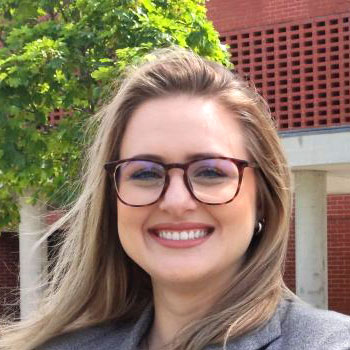
Sara Caroline Bona
PhD Student
PortugalImage
Sara Caroline Bona
sara.cbona@ua.pt
PhD Student
RISCO, Civil Engineering Department, University of Aveiro
PortugalProject TitleImpacts of Water Efficiency in Buildings on the Urban Water CycleAbstractWater efficiency has an increased relevance in the current climate change context, establishing great potential in the adoption of water management best practices, namely to face the increase in water scarcity and water stress. By promoting the efficient use of water in buildings and recognizing this practice as a critical factor for environmental sustainability and for the achievement of goals established at international and national level, the main objective of this research is to assess the impacts of reduction consumption in buildings in urban water supply and drainage systems. The optimization of water use translates into a reduction in the volume of water abstracted and wastewater, with consequences that may affect the hydraulic and sanitary performances of systems. Therefore, to plan the investments, ensure the correct functioning of the public networks and environmental protection it is important to study the impact on existing infrastructures and possible mitigation measures.
Research AreasSupervisorsMaria Fernanda RodriguesArmando Silva AfonsoRicardo Gomes - Image
Sara Parece
PhD Student
PortugalImage
Sara Parece
sara_parece@iscte-iul.pt
PhD Student
ISCTE – Instituto Universitário de Lisboa
PortugalBioParece is an Architect, PhD candidate (Iscte-IUL) and research assistant at Information Sciences, Technologies and Architecture Research Center (Iscte-ISTAR). Parece’s research interests are Circular Economy, Sustainable Architecture, Decision Support Tools, Life Cycle Assessment and BIM. She has been dedicated to researching digital technologies to facilitate the Circular Economy transition in the construction sector, sustainable design practices and construction material efficiency.
Project TitleAddressing Material efficiency in Building Renovation Scenarios: A BIM-based decision support toolAbstractConstruction faces increasing sustainability performance, material and manpower scarcity and a growing shift into urban renovation processes, demanding time, cost and material efficiency. High-performing renovations can significantly reduce the building life cycle impact, but as Architects and Engineers transition to the BIM methodology, they find that computational tools and data to support sustainability and circular economy goals are primarily non-existing. This research aims to support informed decision-making on building renovation scenarios at early design phases from a circular material management perspective. The specific goals are: i) collect and define design criteria that guide construction designers to informed decisions, ii) develop BIM-based tools that identify the optimal design scenarios, and then iii) optimise the proposed tools with machine learning techniques. The expected results are a bim-based methodology that, through computational techniques, becomes more accurate over time and a database with the characterisation and environmental assessment of several renovation projects.
Research AreasSupervisorsRicardo ResendeVasco Rato - Image
Sérgio Fernandes
PhD Student
PortugalImage
Sérgio Fernandes
sfernandes@civil.uminho.pt
PhD Student
ISISE – Institute for Sustainability and Innovation in Structural Engineering
PortugalProject TitleRisk-informed transport infrastructure network managementAbstractTransportation systems have a significant impact on the sustainability of urban areas. The economic impact on budgets and travel time and distance due to climate change is evidence of this. The present thesis aims at defining a holistic framework for the risk-based management of transport infrastructure networks. To anticipate the effects of climate change and ensure, in the medium and long term, that network service levels and resilience remain at acceptable levels, it is necessary to consider the level of asset exposure to disruptive events. In addition, transportation systems are composed of different types of assets, which react differently to different stimuli, depending on the surrounding environment.
The proposed work intends to establish an alternative to conventional infrastructure risk assessment procedures by accommodating, in a single methodology, the performance of different asset types, subjected to different hazards, independently of their particular characteristics.Research AreasSupervisorsJosé António Silva Carvalho Campos e Matos - Image

Simone Fernandes
PhD Student
PortugalImage
Simone Fernandes
up201603496@edu.fc.up.pt
PhD Student
Rede de Química e Tecnologia (REQUIMTE) – Laboratório Associado Para a Química Verde (LAQV)
PortugalBioSimone C. Fernandes is a PhD student in Sustainable Chemistry under the MPP2030-FCT MIT Portugal grant. The PhD candidate has a BSc and MSc in Chemistry from the University of Porto – Faculty of Sciences. In 2016, she received “Prémio de Apoio à Licenciatura em Química da Faculdade de Ciências da UPorto” awarded by the Sociedade Portuguesa de Química to the best five first-year students.
The student was always fascinated with the idea of scientific research as an answer to today’s world problems. Her academic path has led to the exciting conception of inorganic nanomaterials and catalysis as an answer to societal and ecological concerns. Her master’s thesis was centered on the synthesis of inorganic catalysts for the removal of sulfur and nitrogen pollutants from fuels.
In 2020, she was granted an FCT research summer scholarship “Hands-On-Nano” where she deepened her knowledge of characterization techniques of nanomaterials. She has also participated in several scientific events, with posters and oral communications. As of 2023, she has three scientific articles published and is working on publishing previous work, including one in collaboration with researchers from the University Rey Juan Carlos, Spain.
She is currently embarking on an exciting new project for her PhD thesis, which concerns the preparation of new hybrid nanomaterials to capture and convert atmospheric carbon dioxide (CO2) a primary greenhouse gas.Project TitleAdvanced MOF-based materials towards dual carbon dioxide capture and conversionAbstractThe release of colossal amounts of carbon dioxide (CO2) into the atmosphere is causing catastrophic climate changes and conditioning the future of the Earth. To preserve our planet, it is imperative to control and minimize the CO2 release. However, the reduction of CO2 emissions remains a challenge as the global energy consumption is increasing incessantly and is still mainly supported by fossil fuels. Currently, the capture of CO2 to store in underground reservoirs is well-known, but it can be considered a waist an abundant feedstock for valuable chemical products.
Concerning these problems, the project aims to develop advanced porous metal-organic framework-based platforms to optimize the capture of CO2 and, simultaneously, convert CO2 into an added-value product in various industries. The combination of both functionalities is a strategy for an efficient and cost-effective reduction of the CO2 levels, and allow the production of useful products from an inexpensive feedstock.Research AreasSupervisorsLuís Manuel Cunha SilvaMaria de La Salete Balula - Image
Tiago Ermitão
PhD Student
PortugalImage
Tiago Ermitão
PhD Student
Instituto Português do Mar e da Atmosfera | Instituto Dom Luiz – Faculty of Sciences, University of Lisbon | Max-Planck Institute for Biogeochemistry
PortugalProject TitlePost-Fire Vegetation Recovery under Present and Future Climate Change ConditionsAbstractWorldwide ecosystems are currently experiencing increasing fire weather conditions caused by environmental changes and human activities, which have been amplifying the severity and length of fire seasons. Therefore, ecosystems’ ability to recover from fire may be impaired. Moreover, more frequent and severe hot and dry extreme events, projected to increase in many fire-prone regions, may result in faster fire recurrence than recovery times, leading to loss of ecosystem resilience to extreme events and, potentially, forest degradation. The current PhD proposal aims to analyse the post-fire vegetation recovery globally, focusing on fire-prone regions but also on areas which are observing an increment in fire weather conditions and fire occurrence. By combining long-term remote-sensing datasets with dynamical vegetation and land surface models’ outputs, this project aims to identify patterns and quantify trends in post-fire recovery data to assess changes in fire disturbance regimes, both under present and future climate conditions.
Research AreasSupervisorsCélia GouveiaAna RussoAna Bastos - Image
Tiago Mindrico
PhD Student
PortugalImage
Tiago Mindrico
tiagomindrico@gmail.com
PhD Student
Faculty of Fine Arts of the University of Lisbon (FBAUL) & Institute of Interactive Technologies (ITI), – Associated Laboratory of Robotics and Systems Engineering
PortugalBioResident of Almeirim, Santarém. I have a degree in Multimedia Design (ESAD.cr – IPL) and a Master’s in Communication Design and New Media (FBAUL).
User experience and socio-environmental impacts have always been very important in my work. During the last years I have developed mobile applications (UX/UI) for Portuguese museums, culture and leisure, with sign language functionality; I was part of the research project “ViViDo – Management Platform of the National Support Network for Victims of Domestic Violence”; and my academic studies focus on urban ludic interaction for the identification and resolution of socio-environmental problems.
Recently, I am a guest assistant in the Master’s course “Design for Health and Well-being” (ESAD.cr – IPL).Project TitleMod City. Transmedia projects for a sustainable and playful urbanism.Abstract“Mod City” intertwines concepts of “smart”, “ludic” and “hackable” cities. Proposes a new conceptual framework for urban challenges, in which “mod”ification becomes part of the process of community co-creation with a view to integration and socioenvironmental sustainability. The term “mod” appears in the culture of computing, digital and games,
and advocates a desire for collaboration and sharing; conveyed in this project via gamification, enhancing social equity, positive interdependence, agency and confrontation of ideas.
Transdisciplinary to the fields of Art, Science and Technology, this art-based actionresearch
project focuses on the collective identification of urban sustainability problems and their subsequent resolution, with the co-creation of playful instruments that converge digital and analog. This experimental research in portugal, contemplates an in-depth critical reflection on the use of civic media in the co-created process of a sustainable urbanism.Research AreasSupervisorsPatrícia GouveiaMargarida Queirós - Image
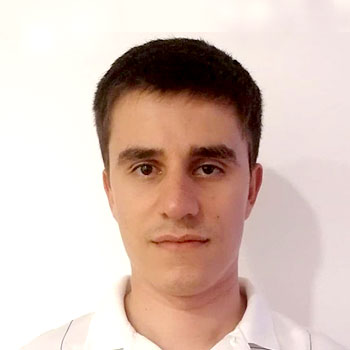
Willian Weber de Melo
PhD Student
PortugalImage
Willian Weber de Melo
id9257@alunos.uminho.pt
PhD Student
School of Engineering, University of Minho
PortugalBioWillian Weber de Melo is a civil engineer graduated at Federal University of Santa Maria (Brazil), MSc in Urban Engineering by the University of Minho, and is currently enrolled in the doctoral program in Civil Engineering at University of Minho. He has experience in modelling estuaries and coastal areas focusing on forecasting climate change effects in the hydrodynamics and morphodynamics. His scientific interests are in the application of artificial intelligence models, as deep learning and machine learning, and in understanding how the climate change will affect the world as we know.
Project TitleOperational forecasting platforms based on morpho-hydrodynamics emulation methodsAbstractUnderstanding climate change and its impacts is one of the scientific challenges of the 21st century. The increase of the Earth’s atmosphere and oceans mean temperature since the Second Industrial Revolution is affecting our world in many ways. Extreme events, such as floods, droughts, hurricanes, and storms are more frequent and are becoming more intense.
One of the most selected approaches to understanding the impacts of climate change on beaches and estuaries is through simulation based on numerical models, that are developed using mathematical descriptions of the main physical processes that are responsible for the dynamics of those areas. However, models with high resolution, which results are more reliable, need considerable computational times and the analysis of complex scenarios could be limited by the available computational resources and the time needed for their simulation. Therefore, the main objective of this PhD project is to develop a new methodology that will apply data science concepts to implement and configure emulators capable of surrogate high-resolution numerical models, aiming to evaluate the impacts of climate change, extreme events and anthropic intervention in estuarine and coastal zones. These emulators will reduce the computational resources needed for long-term simulations, making it feasible to apply them in operational forecast platforms, which will optimize the decision-making process regarding the adoption of mitigating measures against the impacts of climate change.Research AreasSupervisorsJosé Luís PinhoIsabel Iglesias