Image
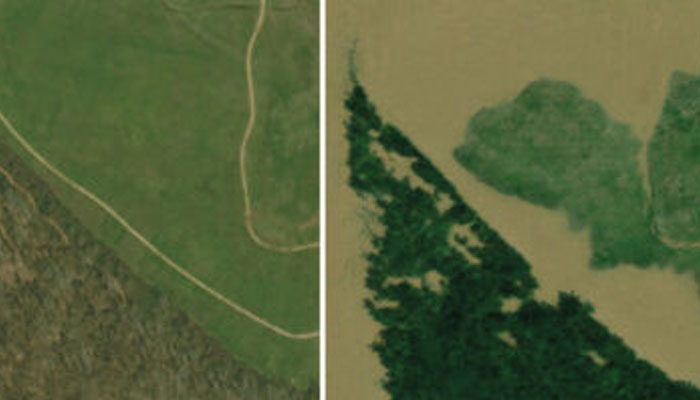
New AI tool generates realistic satellite images of future flooding
November 5, 2024
The method could help communities visualize and prepare for approaching storms.


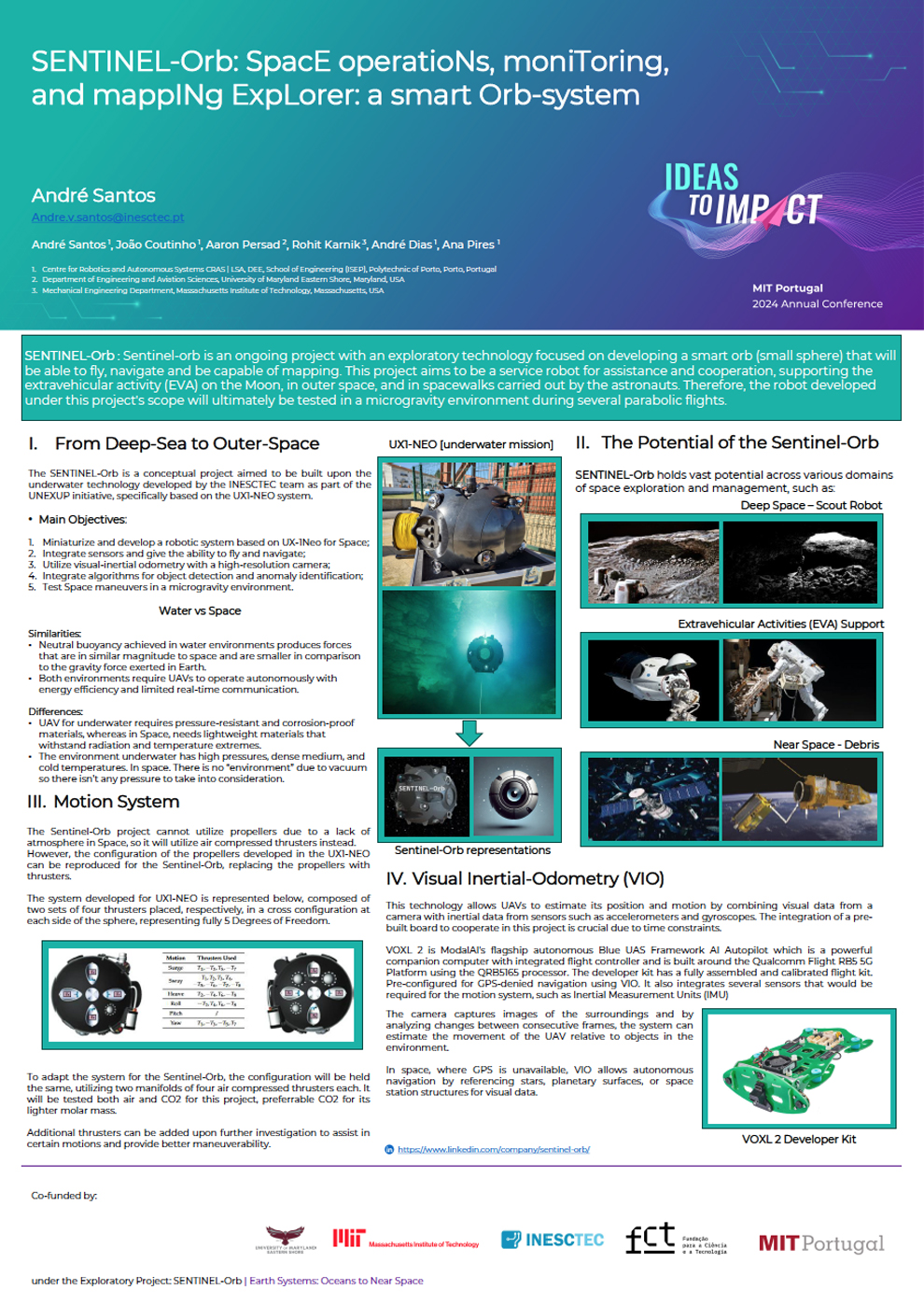
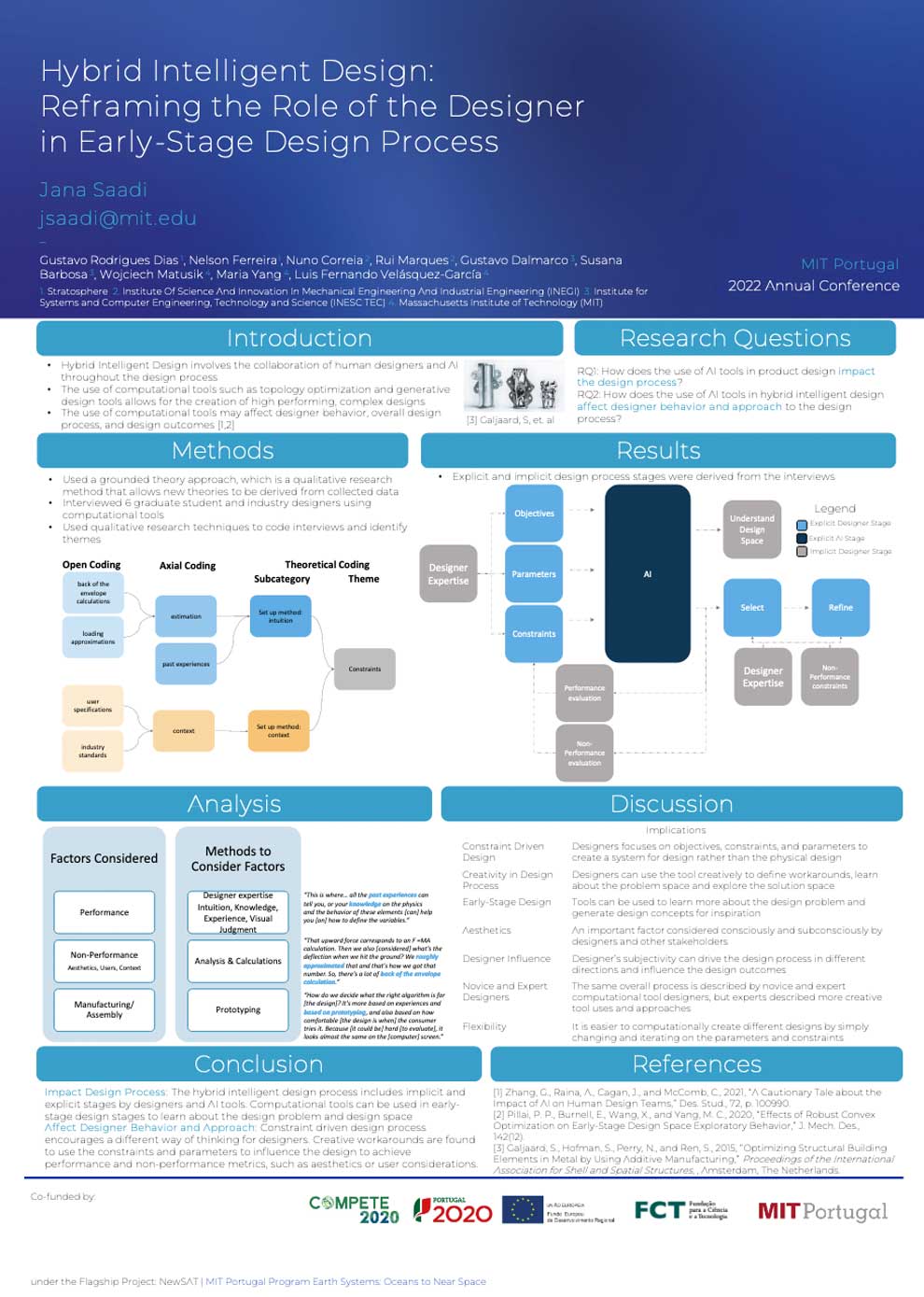
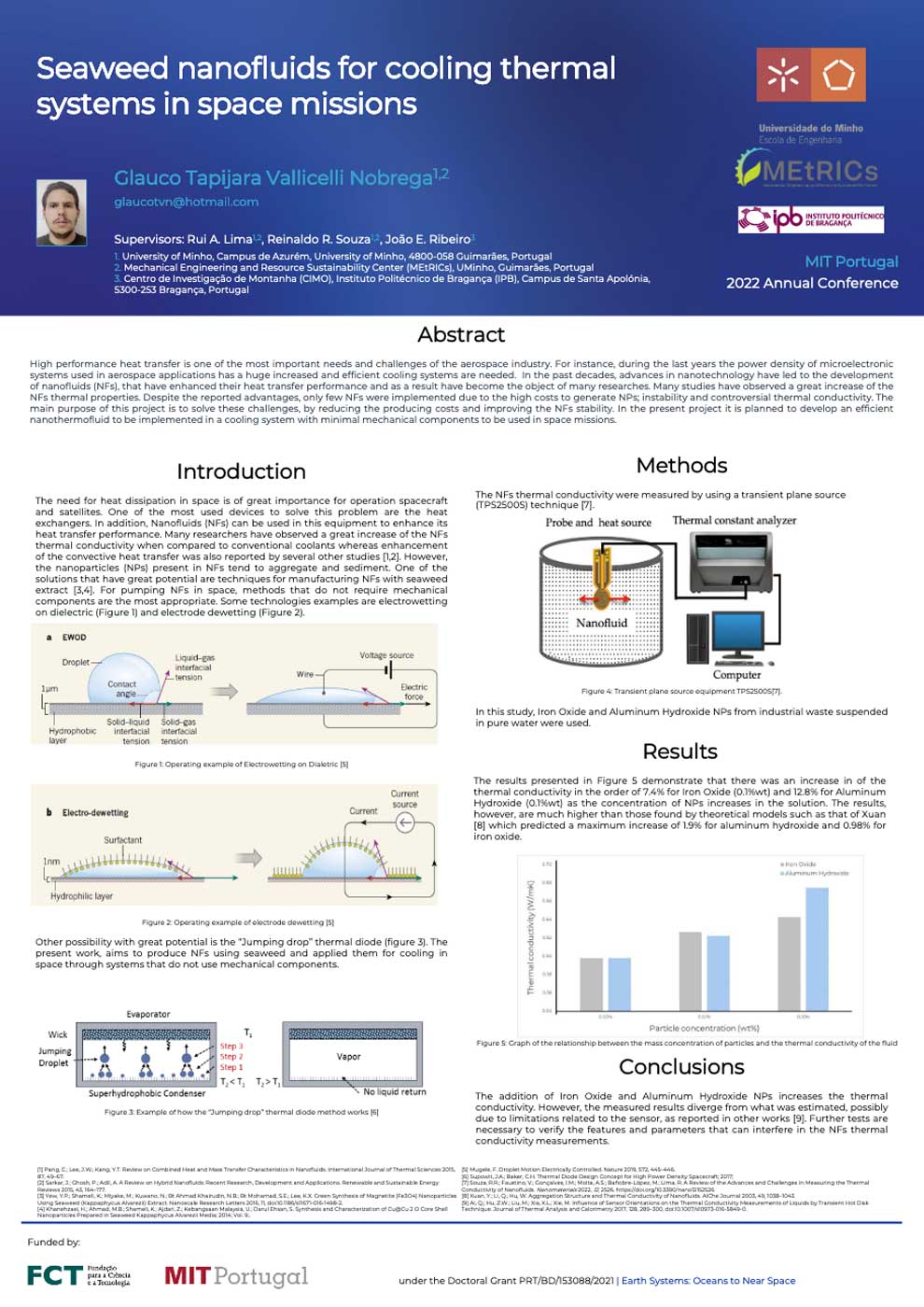
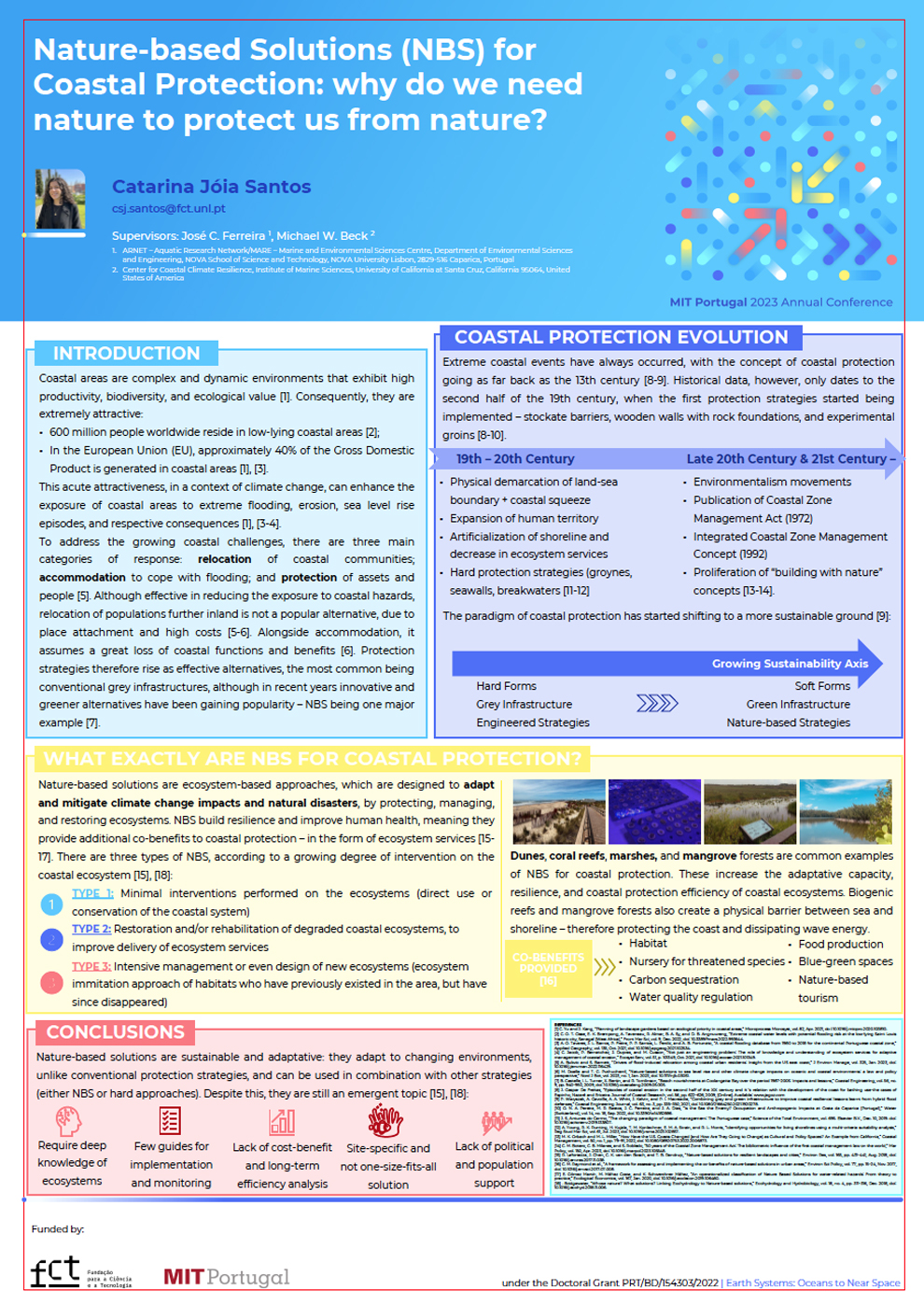
Earth is the epitome of interconnection. Greatly transcending the sum of its parts, the planet functions and sustains life through a complex web of interdependence. Observing the full expanse of these connections and interactions – from the depths of the ocean to the furthest reaches of the atmosphere – is essential for understanding Earth’s subsystems of oceans, land, air and near space, and the intricate dynamics among them.
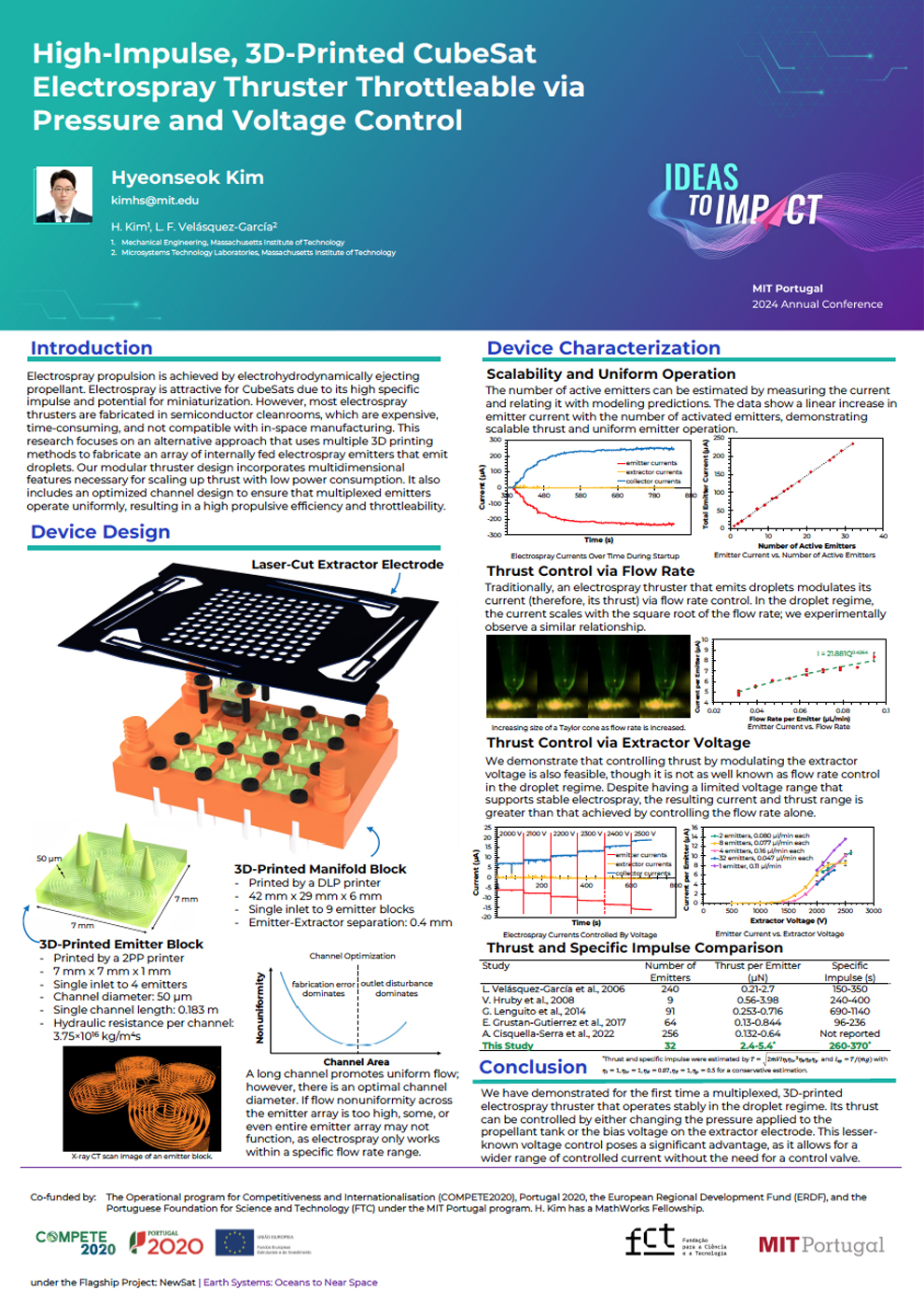
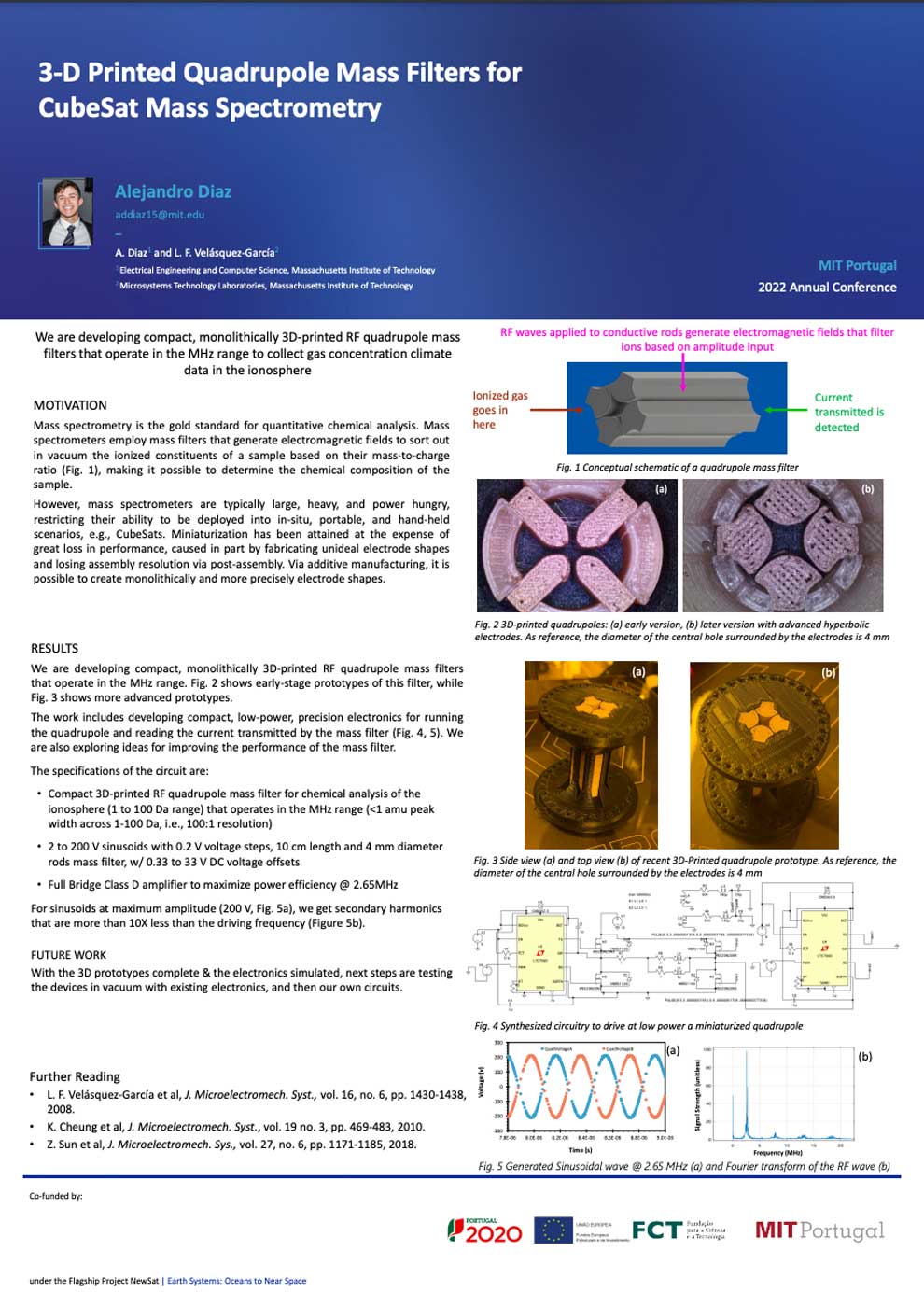
In this area, MPP researchers are putting particular emphasis on measurement and monitoring. Projects involve developing technologies and capabilities through technological innovation, big data and comprehensive systems analysis. There is also a focus on autonomous operations to enable exploration and research, including field deployment of autonomous ocean research vessels. Human-machine concept of operations (ConOps) applied to small-satellite technology and launch capabilities is another research focus.
Calls: 2025 Call for Seed Grant Proposals
Research Areas: Earth Systems: Oceans to Near Space
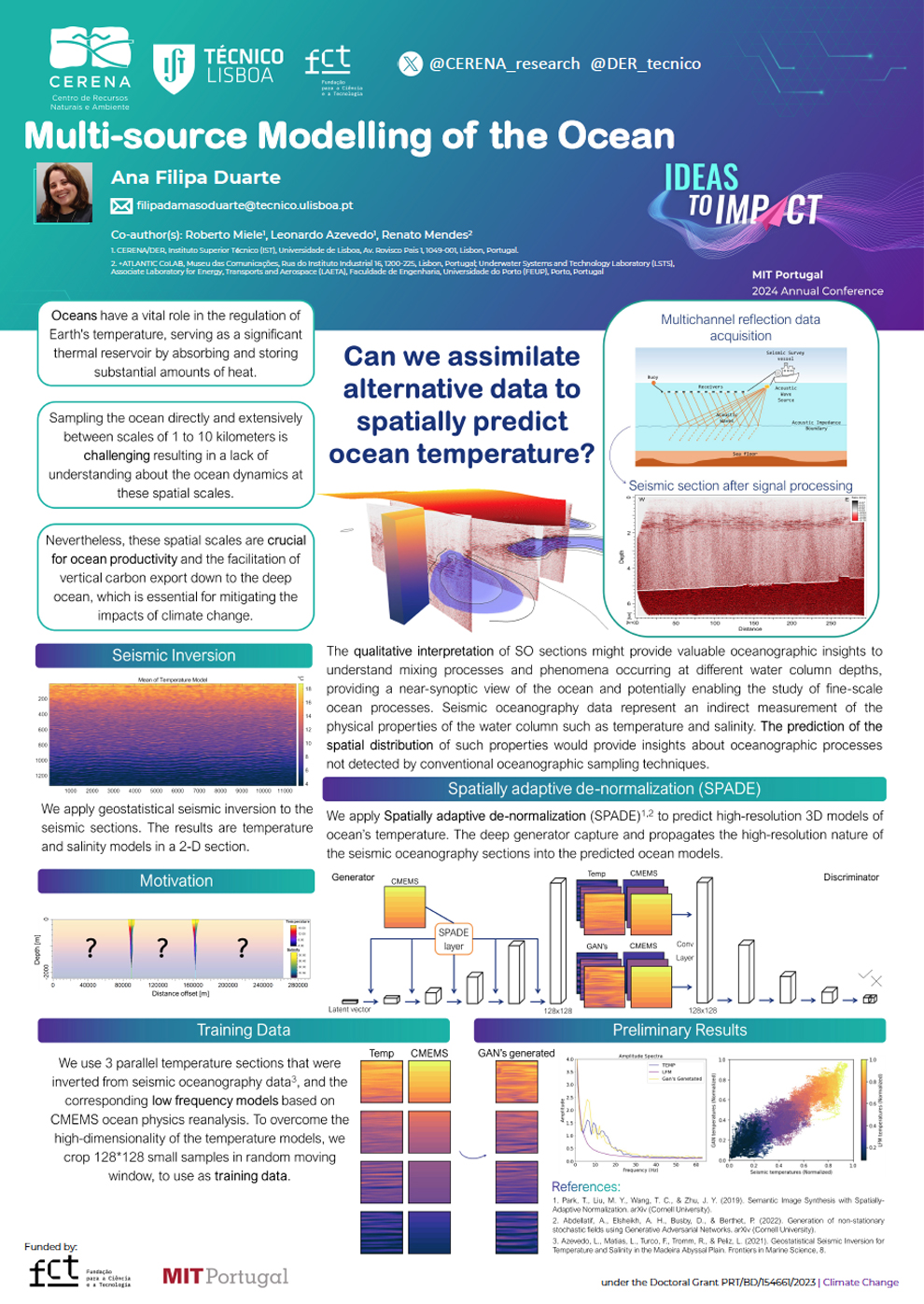
Near the sea surface, interactions between small-scale ocean processes, turbulence, and Earth’s climate are not fully resolved by either models or observations. However, we can make decisive progress by fusing models with data through innovative AI techniques. We propose to advance understanding by integrating MIT’s ocean models with satellite data from the Azores ESA Lab. Our focus is on two critical regions for climate change, where well developed AI techniques can help address key questions about small-scale processes. In the Azores region, we will forecast thermal fronts, mesoscale eddies, internal waves, and other mixing indices. Additionally, we will train AI to detect and predict internal waves at the equator during La Ninã seasons, where their interactions with thermal fronts have important implications for climate. In both cases, simulation data from MIT models will be used to train generative AI and fine-tune foundation models, which will then be applied to satellite data.
MIT PI
Gael Forget, Research Scientist, Department of Earth, Atmospheric & Planetary Sciences
PT PI
Dr. Adriana Ferreira (AIR Centre)
Dr. Jorge M. Magalhães (CIIMAR)
M. João Pinelo (AIR Centre)
Pr. José da Silva (FCUP)
This is a two-year grant
Calls: 2024 Call for Seed Grant Proposals
Research Areas: Earth Systems: Oceans to Near Space
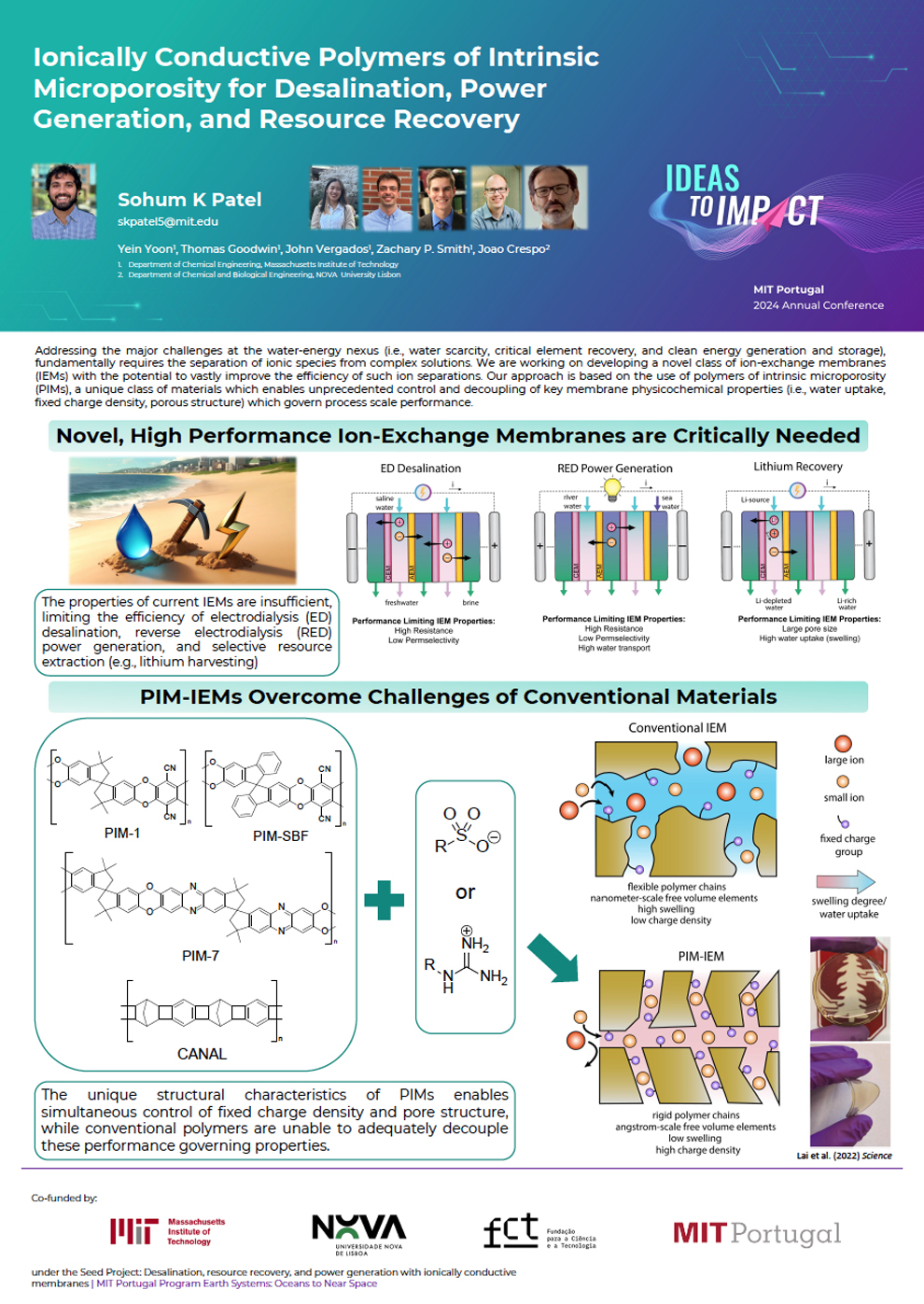
There are a variety of high-impact opportunities in Portugal to leverage advanced membrane technologies for desalination, ion recovery, and power generation. Unfortunately, current membrane materials lack the structural and functional-group characteristics needed to enable these technologies, so this proposal aims to infuse new materials concepts into membrane technology to address the water–mineral–energy nexus. The two research teams are uniquely positioned for this work. The Smith lab is a world leader in membrane materials but has not focused significant prior effort on aqueous separations. In contrast, the Crespo group has a longstanding effort in aqueous separations for desalination, lithium recovery, and energy generation. Taken together, this proposal will leverage a unique series of membrane materials developed by the Smith lab to address major application challenges in water, minerals, and energy through a robust collaboration and exchange with the Crespo group.
MIT PI
Zachary P. Smith, Associate Professor, Department of Chemical Engineering
PT PI
Prof. João Crespo, Full Professor of Chemical and Biological Engineering, NOVA University Lisbon
This project is extended
Calls: 2026 Call for Joint Integrated and Seed Grant Proposals
Research Areas: Earth Systems: Oceans to Near Space
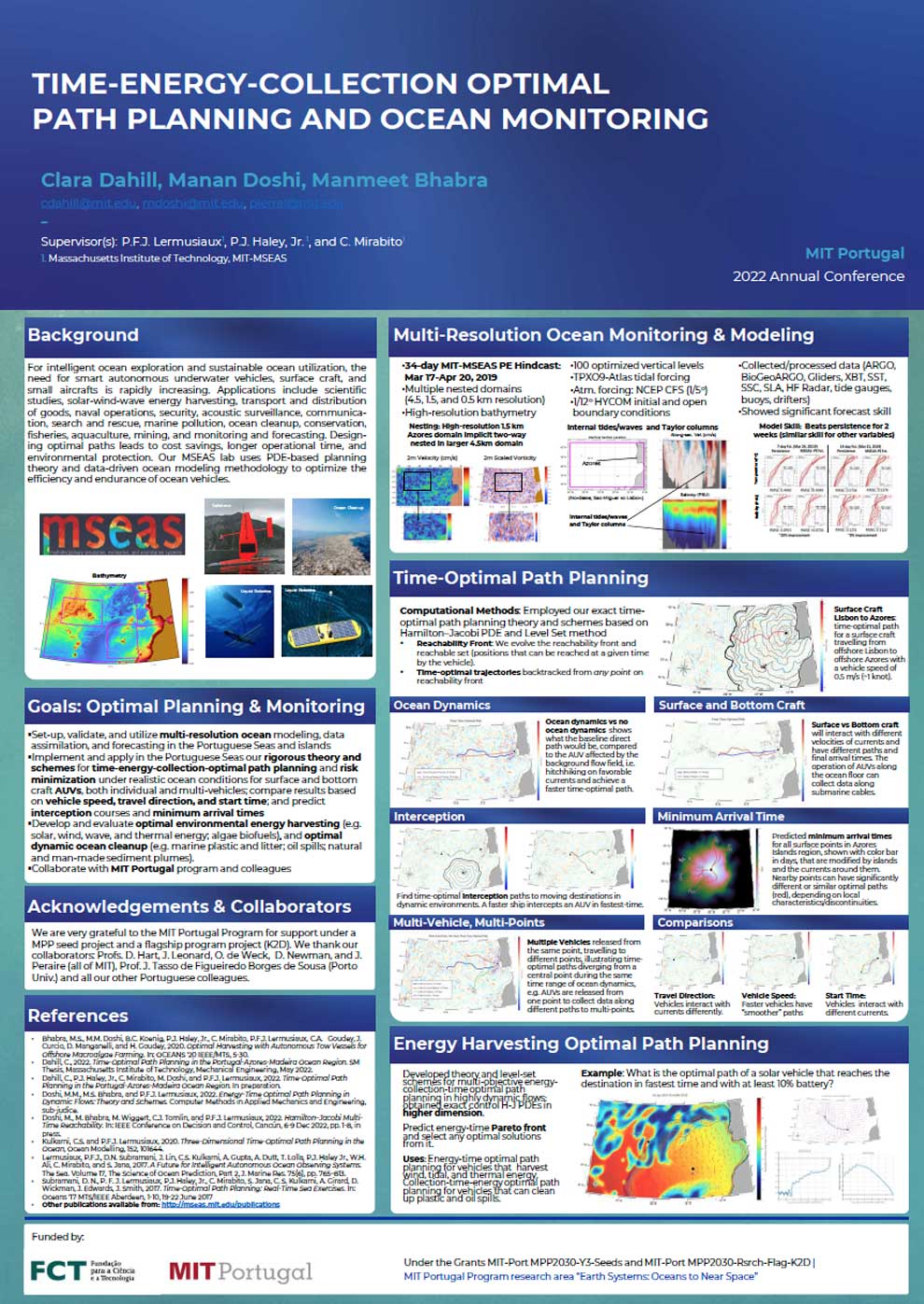
Autonomous systems are rapidly advancing in both aerial and maritime domains, yet integrated air-sea autonomy remains rare. Our “Adaptive Intelligent Sea and Air Formations for Environmental Responses” (AI-SAFER) project will pioneer robust, reproducible coordination of air-sea robots for environmental monitoring, security, infrastructure protection, disaster response, and adaptive sensing in the Portugal-Azores region. AI-SAFER combines multiscale probabilistic ocean and acoustic modeling with Bayesian and generative data assimilation, principled multi-objective reachability analysis and path planning based on differential equations, and deep reinforcement learning for rapid optimization. These components will enable autonomous air-sea formations to execute optimal hazards-time-coverage missions, adapting to uncertain ocean and weather conditions. Our MIT-Portugal collaboration will simulate and field-test the system in Portugal. AI-SAFER will advance robust air-sea autonomy, contributing to climate resilience, maritime operations, transport, and security, with benefits for Portugal, the EU, the US, and global ocean-monitoring initiatives.
MIT PI
Pierre F.J Lermusiaux, Professor, Department of Mechanical Engineering
PT PI
João Borges de Sousa, Professor, Department of Electrical and Computer Engineering Department, Porto University in Portugal
Additional collaborators
John Leonard, Professor, Department of Mechanical Engineering, MIT
Renato Mendes, Post-doctoral researcher, Faculty of Engineering, University of Porto, LAETA-INEGI
Leonardo Azevedo, Professor, CERENA, University of Lisbon (IST).
Calls: 2024 Call for Seed Grant Proposals
Research Areas: Earth Systems: Oceans to Near Space
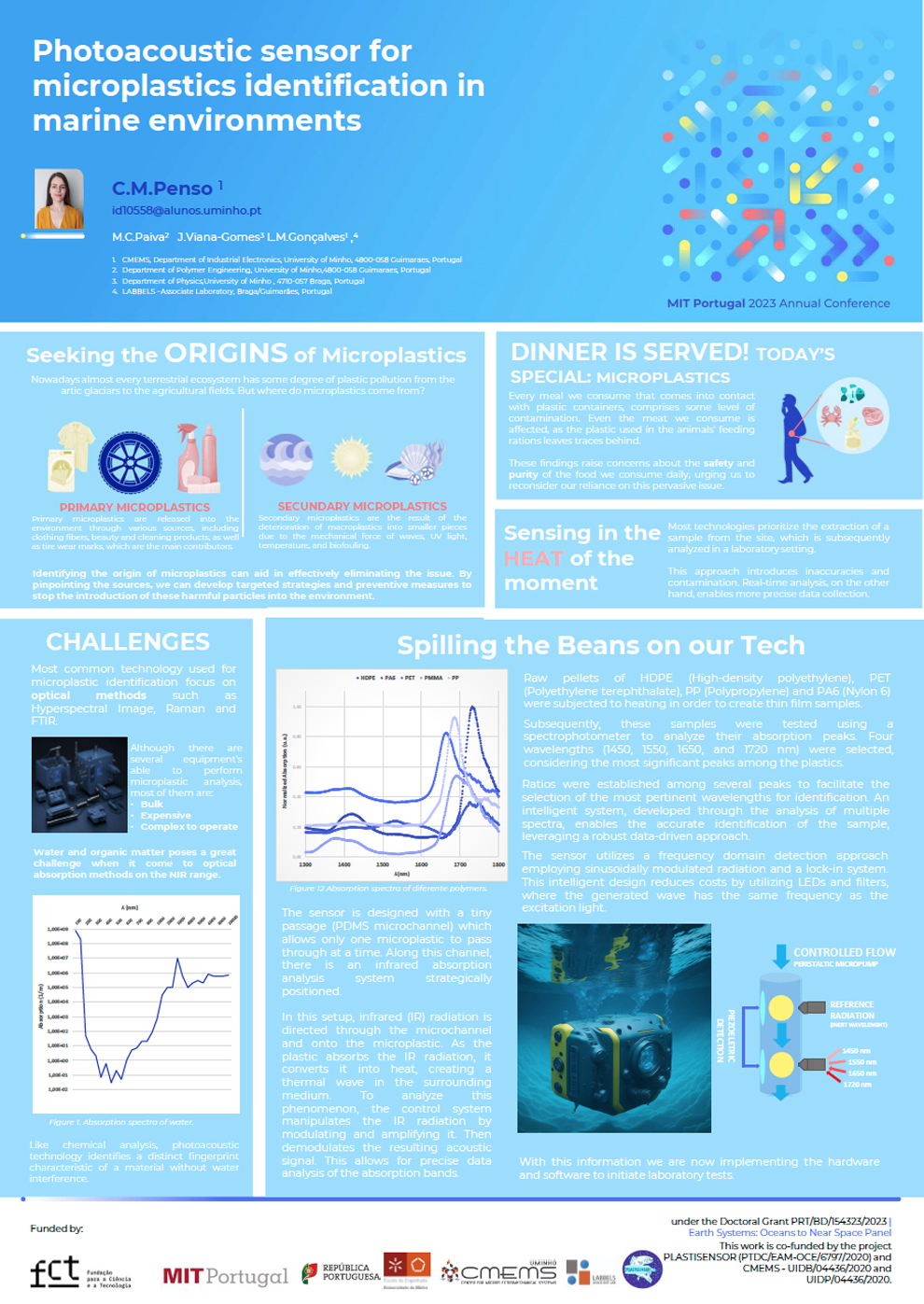
Building on their complementary expertise and capabilities, the MIT META Lab and the Portuguese Fibrenamics team will develop degradation-resistant polyolefin-algae composite fibers and fabrics. These composite textiles will be fabricated via a combination of melt-, wet-, and electrospinning as well as knitting, and will provide passive cooling, antibacterial, anti-inflammatory, radiation shielding, and carbon dioxide sequestering properties. The experimental development process will be guided and aided by the ab-initio and thermo-mechanical modeling as well as AI-enabled optimization algorithms. The new technology will help to address microplastic pollution at its source and will open many applications in healthcare, aero-space, high-performance athletics, and consumer textiles. The project will complement and support the ongoing “Pacto Bioeconomia Azul” Project led by the Fibrenamics team and funded via the EU Plan for Recovery and Resilience (PRR) program, which aims to develop new products, processes, and services resulting from incorporation of blue bioeconomy products into value chains.
MIT PI
Svetlana Boriskina, Principal Research Scientist, Department of Mechanical Engineering
PT PI
Raul Fangueiro, President of the Board Fibrenamics, Universidade do Minho
Calls: 2025 Call for Seed Grant Proposals
Research Areas: Earth Systems: Oceans to Near Space
To answer urgent questions about climate change, food security, and sustainability, it is necessary to mechanistically understand microscale soil processes. From interviews with experts in soil microbial biogeochemistry, it is clear that current soil characterization techniques provide inadequate spatial resolution, analyte variety, and levels of perturbation to study dynamic processes in the challenging soil environment. We propose a novel sensing platform to detect diverse soil analytes in two dimensions on the microscale, composed of a planar matrix housing whole-cell microbial biosensors that contacts the soil through an engineered membrane interface. This project is divided into three stages: (1) designing and modeling the sensor platform; (2) building and validating three sensors to map three diverse soil analytes (a plant metabolite, a microbial electron acceptor, and a contaminant); and (3) testing the sensors by using them to investigate scientific questions of interest for the three model analytes.
MIT PI
Rohit N. Karnik, Professor, Department of Mechanical Engineering
PT PI
Paula Morais
Associate Professor with Habilitation, Department of Life Sciences, Faculty of Sciences and Technology, Laboratory ARISE
University of Coimbra
This grant is renewed until August 31, 2027
Calls: 2023 Call for Seed Grant Proposals
Research Areas: Earth Systems: Oceans to Near Space
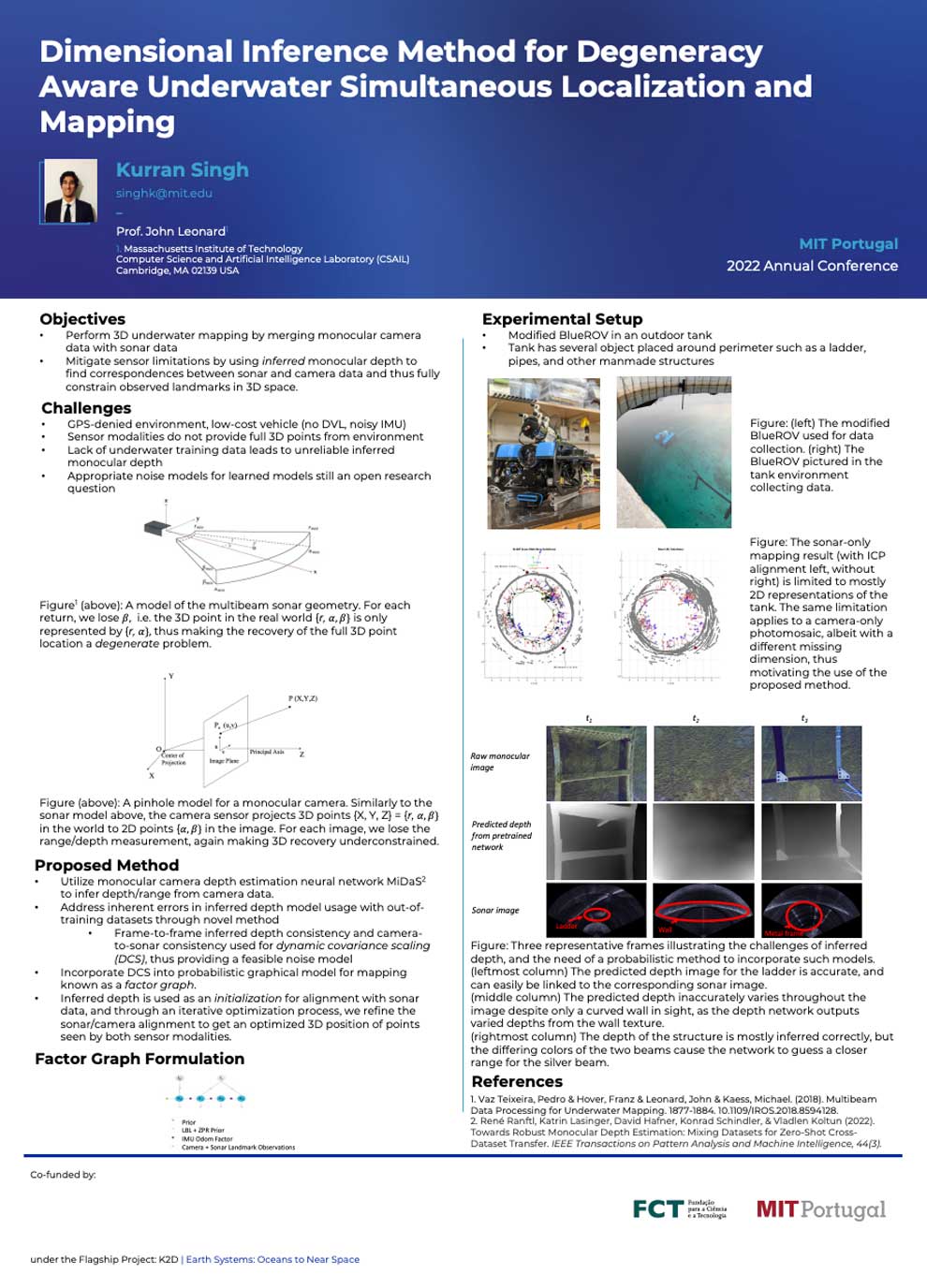
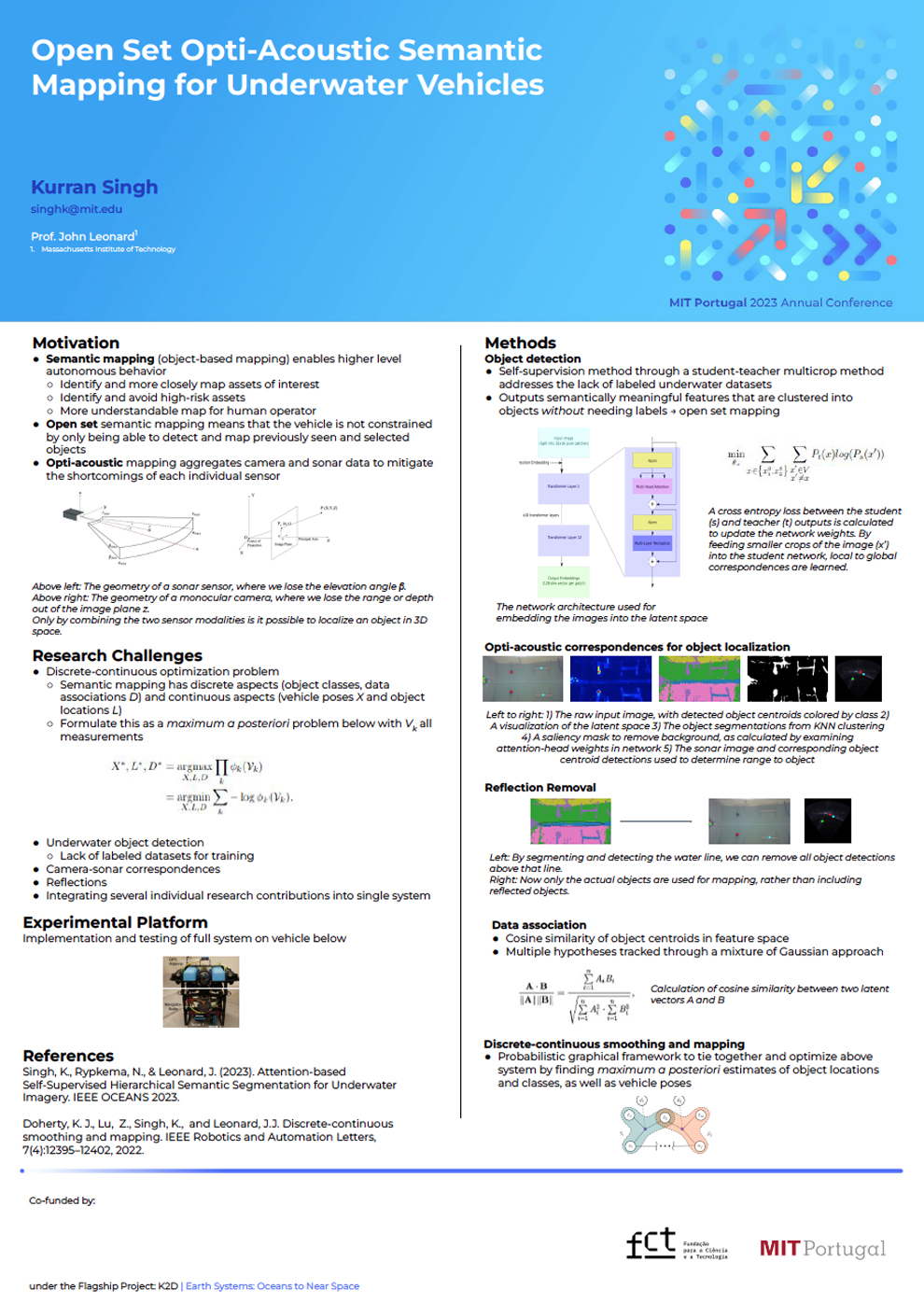
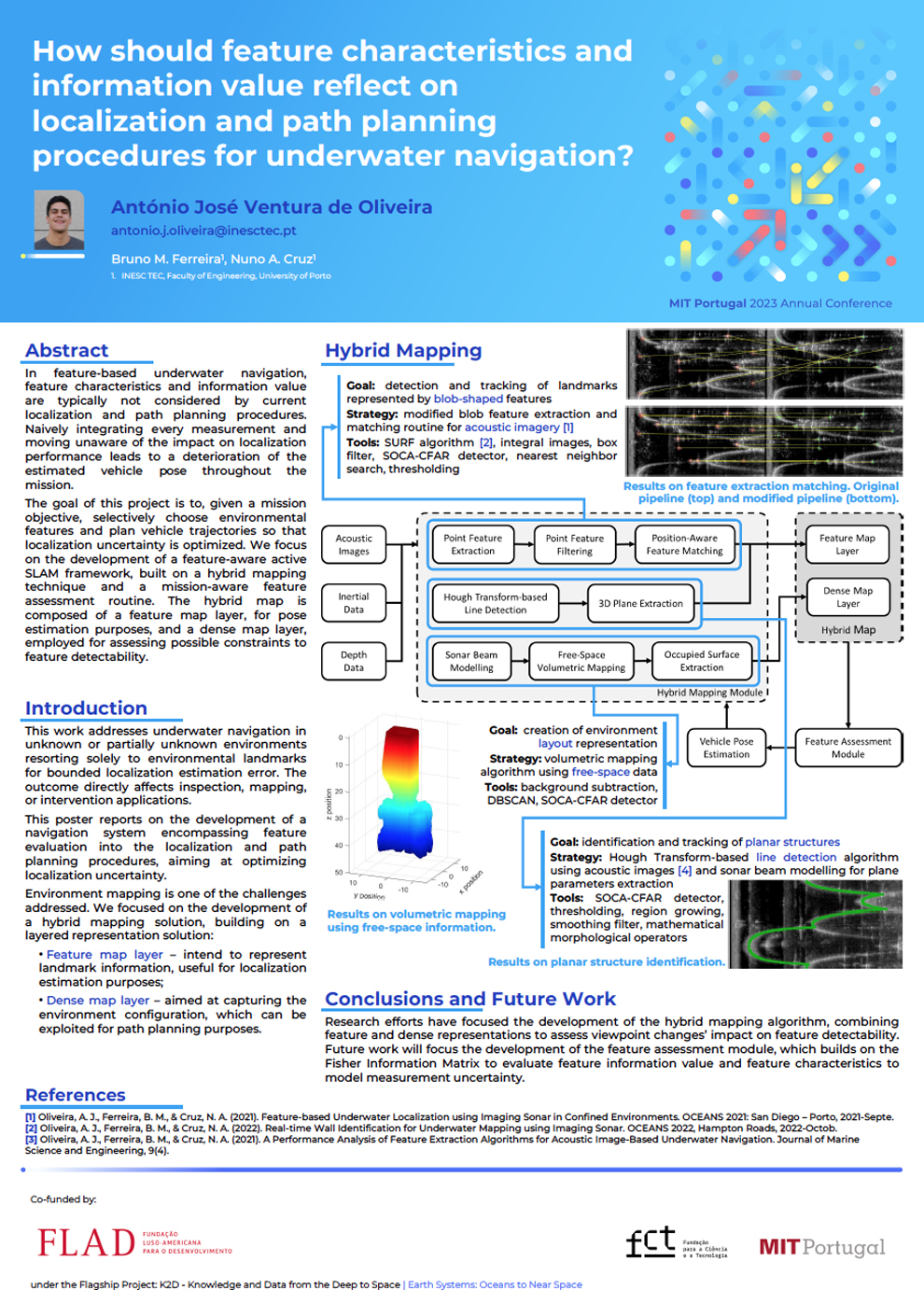
Semantic Simultaneous localization and mapping (SLAM) refers to the ability of a robot to build object-based models of the environment, accounting for uncertainty. To do so, a robot must combine continuous geometric information about its trajectory and object locations with discrete semantic information about object classes. We are investigation several gaps in existing capabilities, including: (1) the ability to robustly estimate both the shape and the pose of objects, (2) the ability to transfer vision techniques. from terrestrial scenes to underwater scenes, and (3) the ability to create self-improving perception system for robots using semi-supervised machine learning, with location information from SLAM as a supervisory signal.
MIT PIs
John Leonard, Professor, Department of Mechanical Engineering
PT PIs
Nuno Alexandre Cruz, Senior researcher at the Ocean Systems Group, Lecturer at the Dept. of Electrical and Computer Engineering, FEUP, Porto, Portugal
This grant is renewed until August 31, 2026
Calls: 2019 Call for Flagship Projects
Research Areas: Earth Systems: Oceans to Near Space
Abstract: In earth systems, oceans represent an important element of equalization and normal functioning. Nowadays oceans are believed to represent perhaps the most important contribution to the current balance between all earth elements for a healthy and sustainable earth global system. However, oceans remain as the most remote and unexplored frontier among all earth elements. Ocean-atmospheric interactions are nowadays believed to be at the heart of all earth vital signs and climatic behaviors, and therefore are essential to an accurate monitoring and understanding of earth systems, their changes and the results of human impacts. As the continuous acceleration of human systems complexity is expected, novel and disruptive ways to tackle this major challenge are urgent.
---------------------------------------------------------------------------------
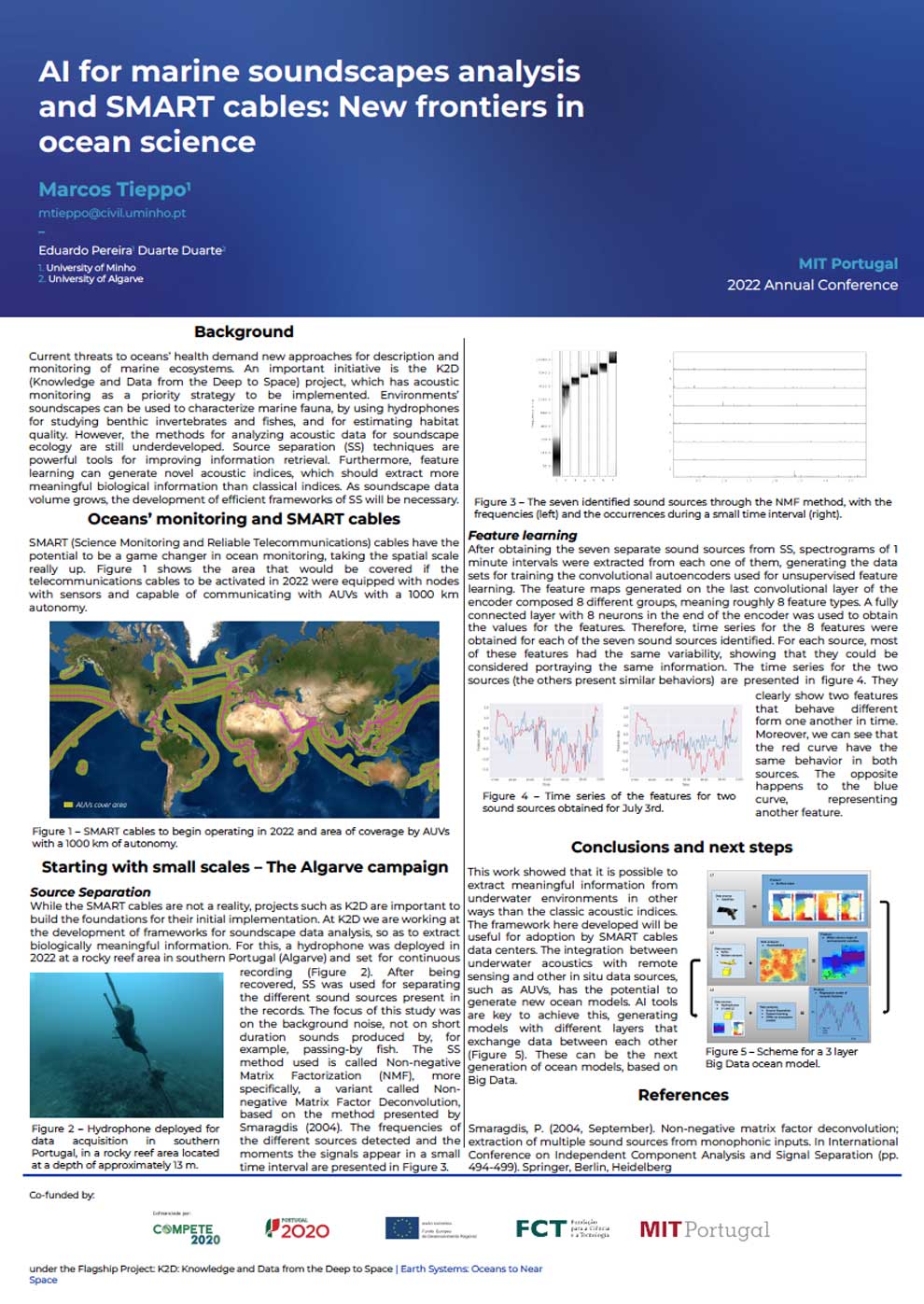
K2D addresses this challenge by proposing the development of a synergistic set of components, including electronic components and Autonomous Underwater Vehicles, that permit the cost-effective gathering of extensive and complete data from the oceans, including physical, chemical, biological and environmental variables. For that purpose acoustic information and environmental DNA will be combined, as well as advanced Geoinformatics modeling hybridized with Artificial Intelligence tools to enrich geospatial and temporal information models to describe and anticipate oceans health patterns and human activities, mostly the ones more prone to hazards and extreme events. To close the loop, the same Geostatistics models can be used to create a continuum from deep-see to near space, by integrating remote sensing and satellite information describing earth global systems in a holistic manner.

University of Minho ; INESC TEC; AIR CENTRE ; Alcatel Submarine Networks; Cintal ; Azores University ; MIT ;
From DSTelecom :
Sérgio Fernandes;
João Bento
Bruno Correia
João Carvalho
Carlos Caldas
From UMINHo-IB-S :
Filipe Costa;
Cláudia Pascoal
Eduardo Borges Pereira
Tiago da Silva Miranda
L.M Gonçalves
Graça Minas
Marcos Martins
Sérgio Fernandes
From Azores University :
José Azevedo
From INESC TEC :
Nuno Cruz
Bruno Ferreira
Aníbal Matos
Andy Pinto
Nuno Abreu
From AIR Centre :
Jose Luiz Moutinho
Frank Newman
Tânia Chen
From Cintal :
Sérgio M. Jesus
António Silva
Prof. Douglas Hart
MIT Mechanical Engineering
Prof. Dava Newman
MIT Department of Aeronautics and Astronautics
Harvard- MIT Health, Sciences and Technology
Prof. John Leonard
MIT Mechanical Engineering
Prof. Pierre Lermusiaux
MIT Mechanical Engineering
Duration: 3 years
Calls: 2019 Call for Flagship Projects
Research Areas: Earth Systems: Oceans to Near Space, Space
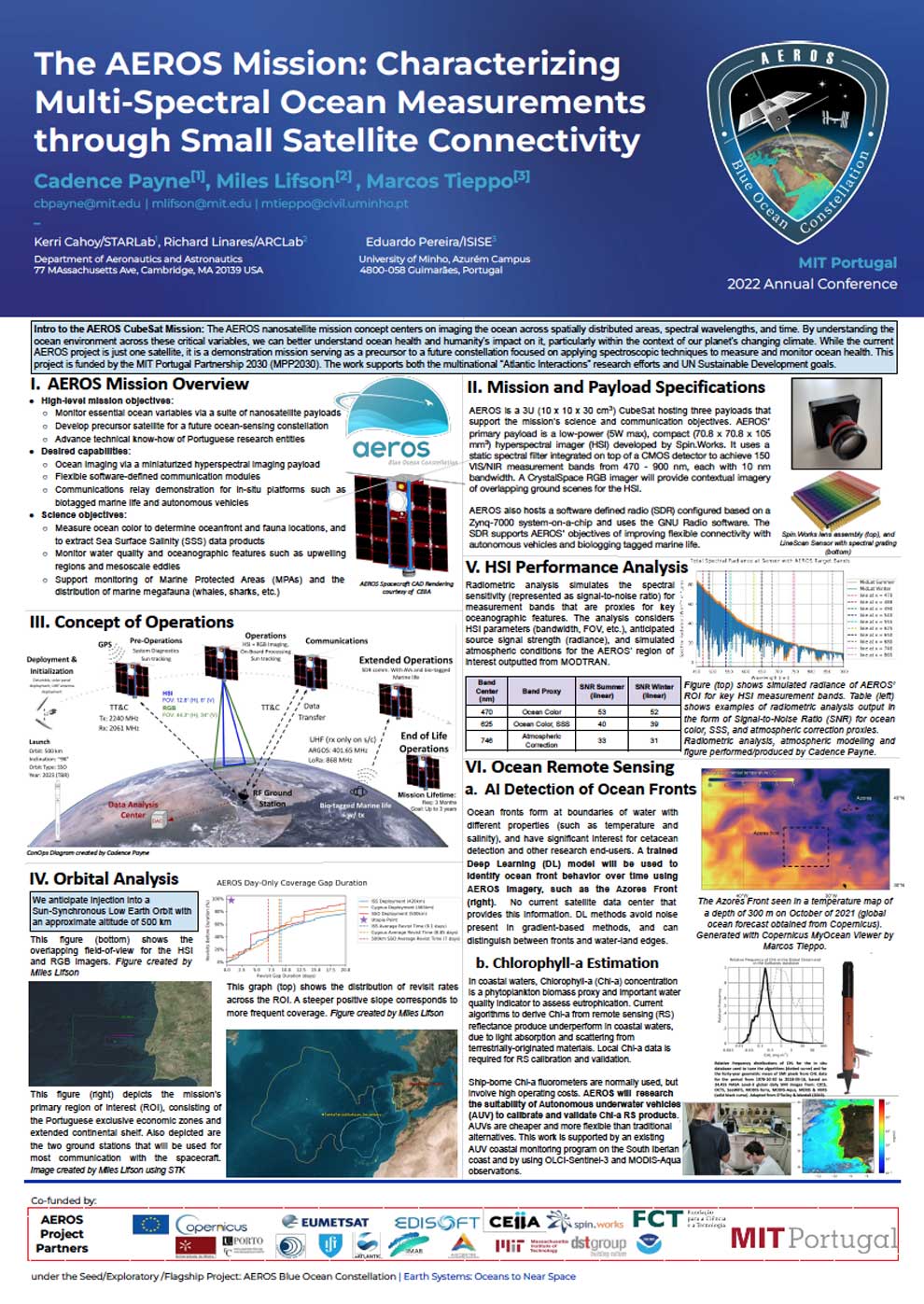
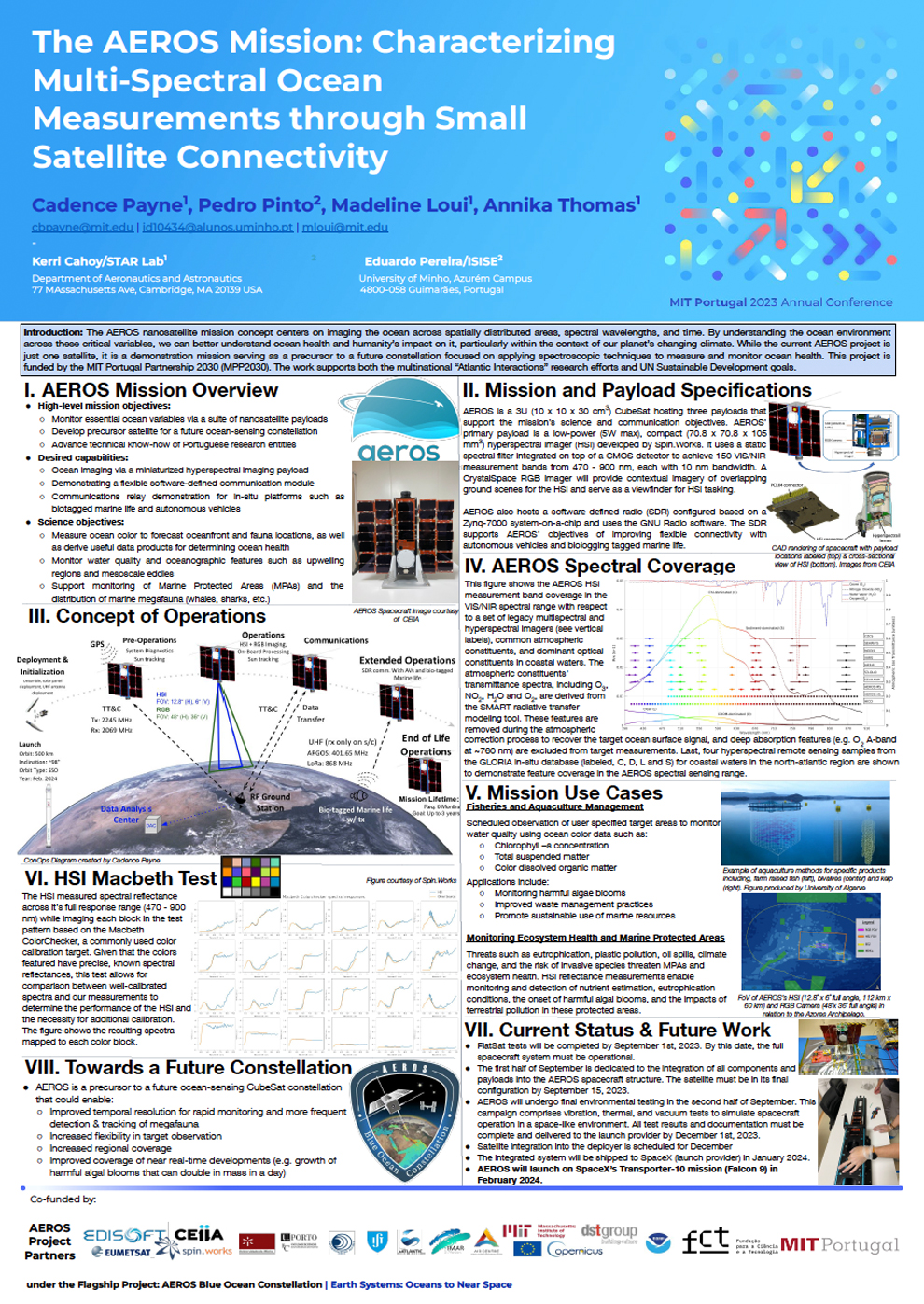
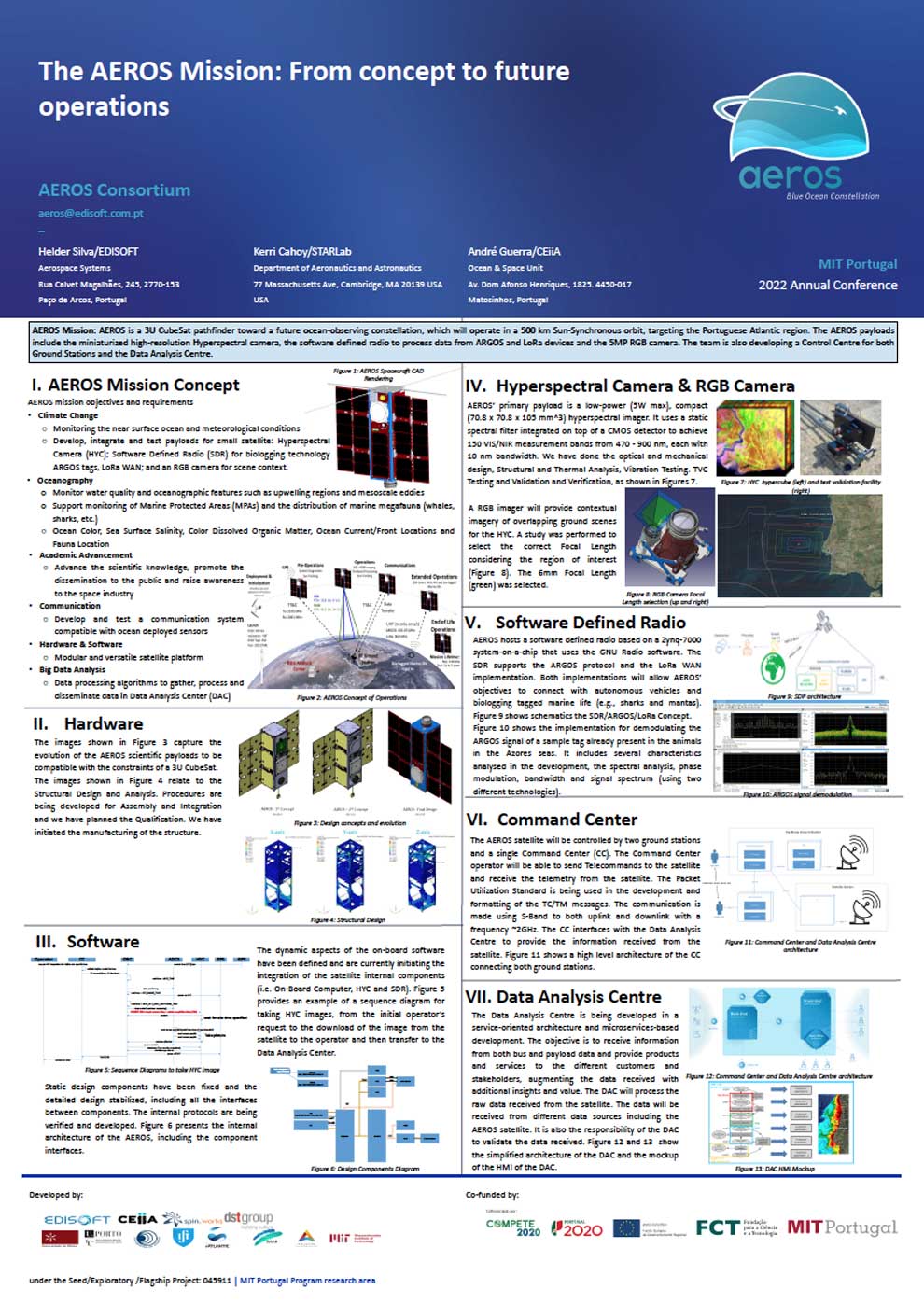
Abstract: One of the most valuable resources we have to protect are the world’s Oceans. They have a prominent role in the Earth ecosystem, as they cover most of the Earth’s surface, contain millions of plants and animals, influence global weather, and produce about 70 percent of the oxygen we breathe. Oceans are thus essential for technological, scientific, economic and social development, having enabled exploration and commerce for hundreds of years. As Portugal starts to assume a stronger position as a robust space-faring nation, the Consortium looks for the scientific and economic synergies from New Space technologies and opportunities that could be leveraged to prospect, monitor and value the Oceans in a sustainable manner, aligned with both the “Atlantic Interactions” research agenda and the UN Sustainable Development Goals.
----------------------------------------------------------------------------------------
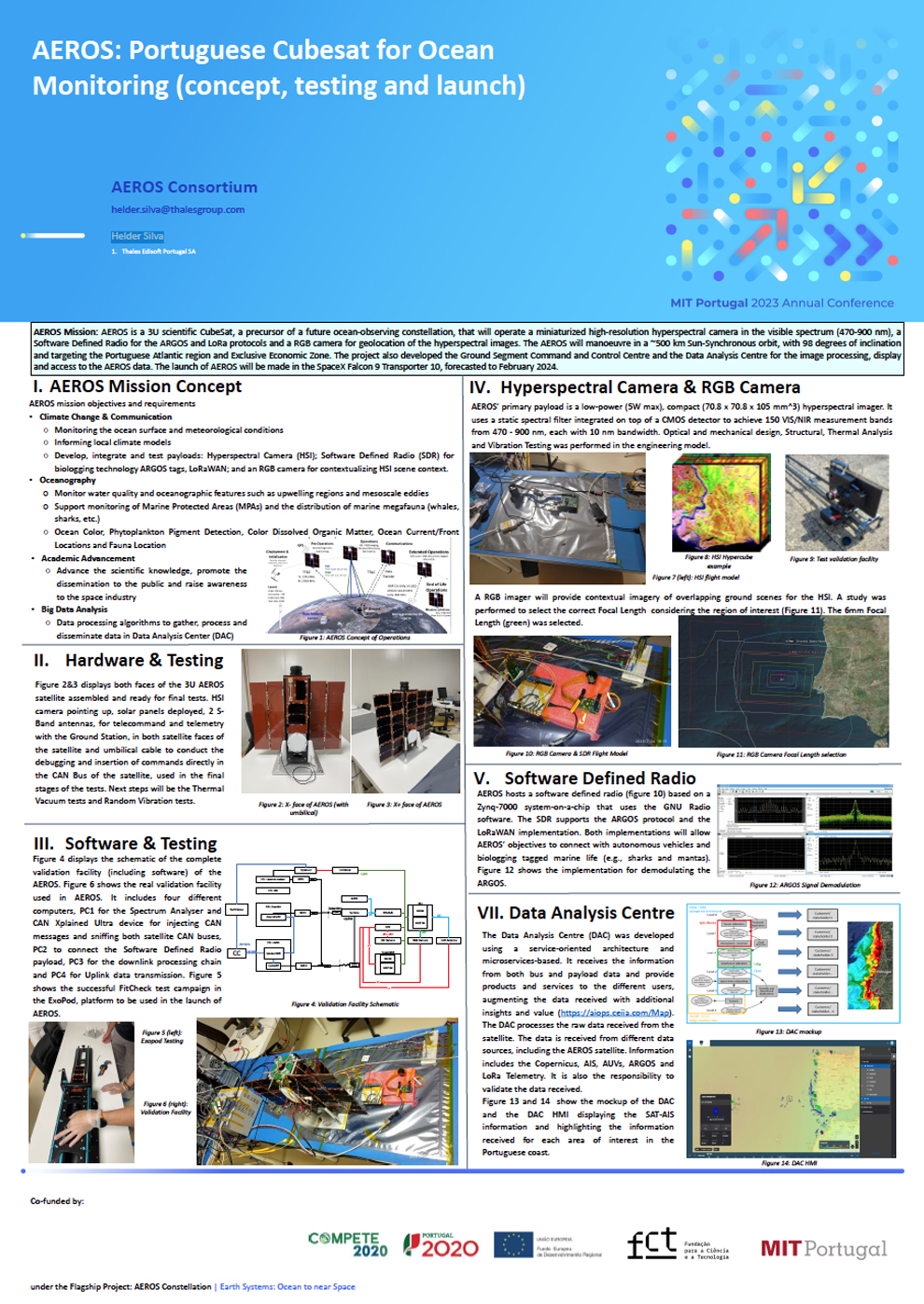
The Consortium shall develop Portuguese technologies and competences to monitor and value the ocean, by combining national and international knowhow to build the AEROS nanosatellite constellation Managed from Portugal. AEROS is an integrated system of assets and capabilities including different existing, improved, and new platforms operating in the Ocean and Space, equipped with state-of-the-art sensors and technologies, all connected through a communication network linked to a data gathering, processing and dissemination system.
To promote the national scientific and entrepreneurial ecosystems, and boost the links and connections between both, AEROS combines private companies like Edisoft, SpinWorks and DST, universities, as UMinho, FCUP, UAlgarve, IST and IMAR, as well as research and interface institutions including CEiiA and +Atlantic. To fast track innovation and industrial development and the internationalization that AEROS can achieve, the national entities have partnered with researchers from different fields within MIT.
AEROS will develop and launch into orbit a new nanosatellite platform as a precursor to a future constellation that can leverage the great potential of the study of the Earth, its oceans and atmosphere in liaison with advanced communications technologies to deliver tangible scientific and economic value to society.
Hélder Silva
Head of Space Software and Embedded Systems
Manuel Coutinho
Embedded Systems Technical Manager
Teresa Cardoso
Defense Security & Space Director
José Freitas
Space Systems – Sales & Business Development
IMAR; CEiiA; AIR CENTRE ; SPINWORKS ; DSTELECOM ; +ATLANTIC ; University of Minho ; FCUP University of Porto ; University of Algarve ; Técnico, University of Lisbon ; MIT ;
From DSTelecom:
Sérgio Fernandes
Catarina Araújo
Nuno Morgado
From AIRCentre:
Pedro Freire Silva
Tânia Chen
From University of Minho:
Eduardo Pereira
From University of Algarve:
Flávio Martins
João Janeiro
From University of Porto :
Frederico Francisco
Orfeu Bertolami
From CEiiA:
André João
Inês Brandão
Liliana Baptista
From Spinworks :
Tiago Hormigo
From Técnico Lisboa :
Joana Mendonça
Rodrigo Lapa
Prof. Kerri Cahoy
MIT Department of Aeronautics and Astronautics
Prof. Richard Linares
MIT Department of Aeronautics and Astronautics
Prof. Dava Newman
MIT Department of Aeronautics and Astronautics and Harvard-MIT Health, Sciences and Technology
Duration: 3 years
Begin Date: 19, Nov 2020
Calls: 2023 Call for Seed Grant Proposals
Research Areas: Earth Systems: Oceans to Near Space
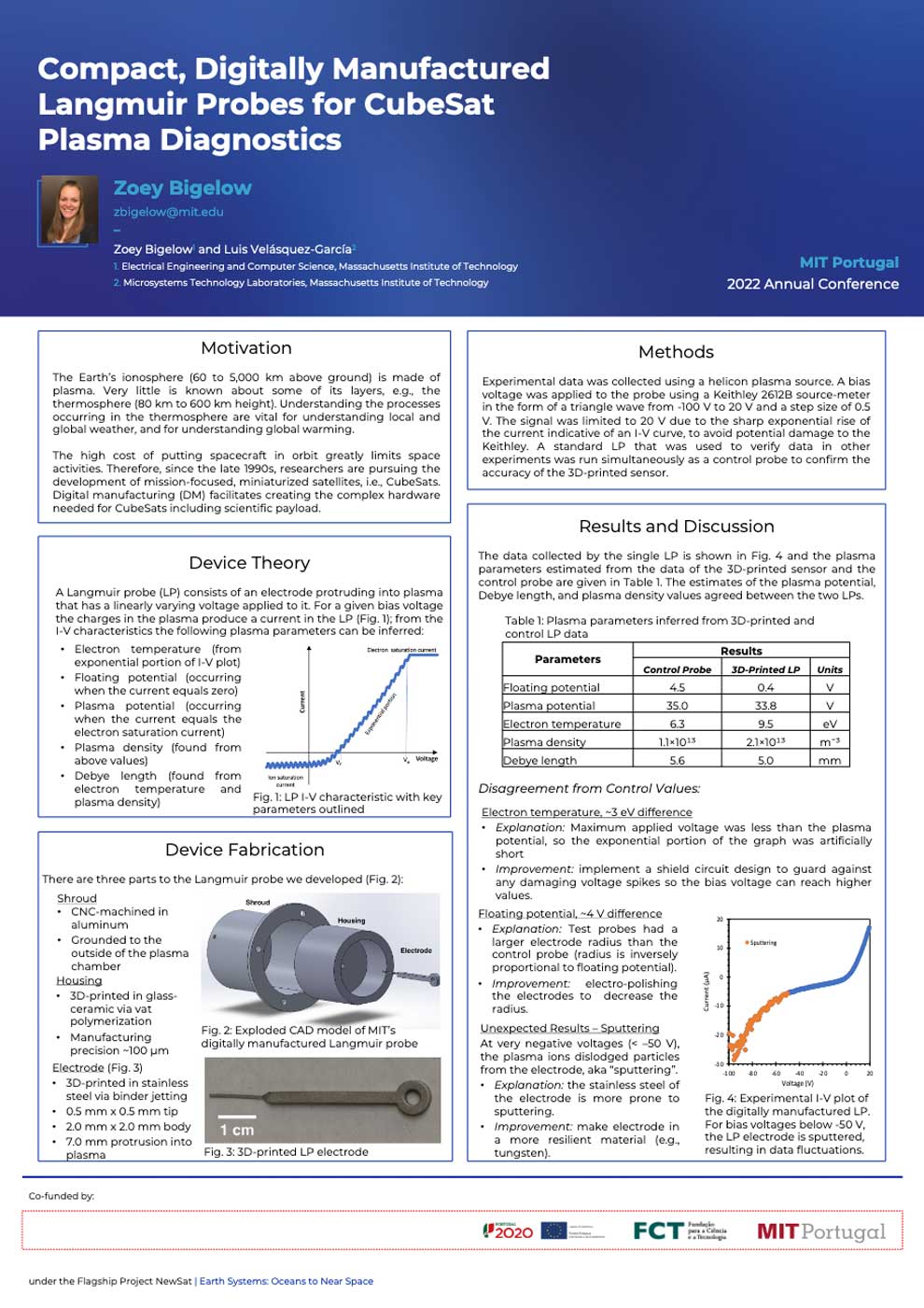
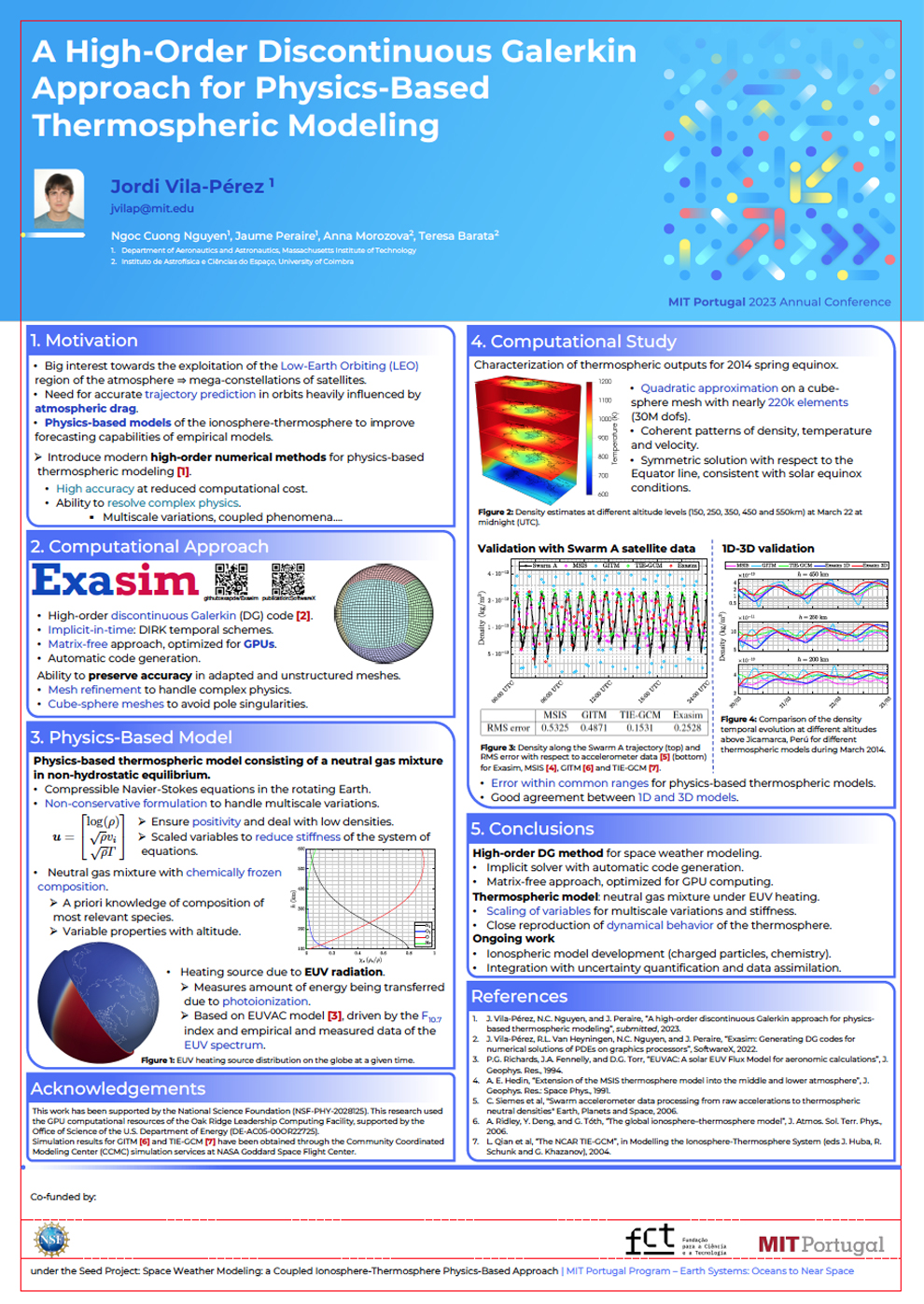
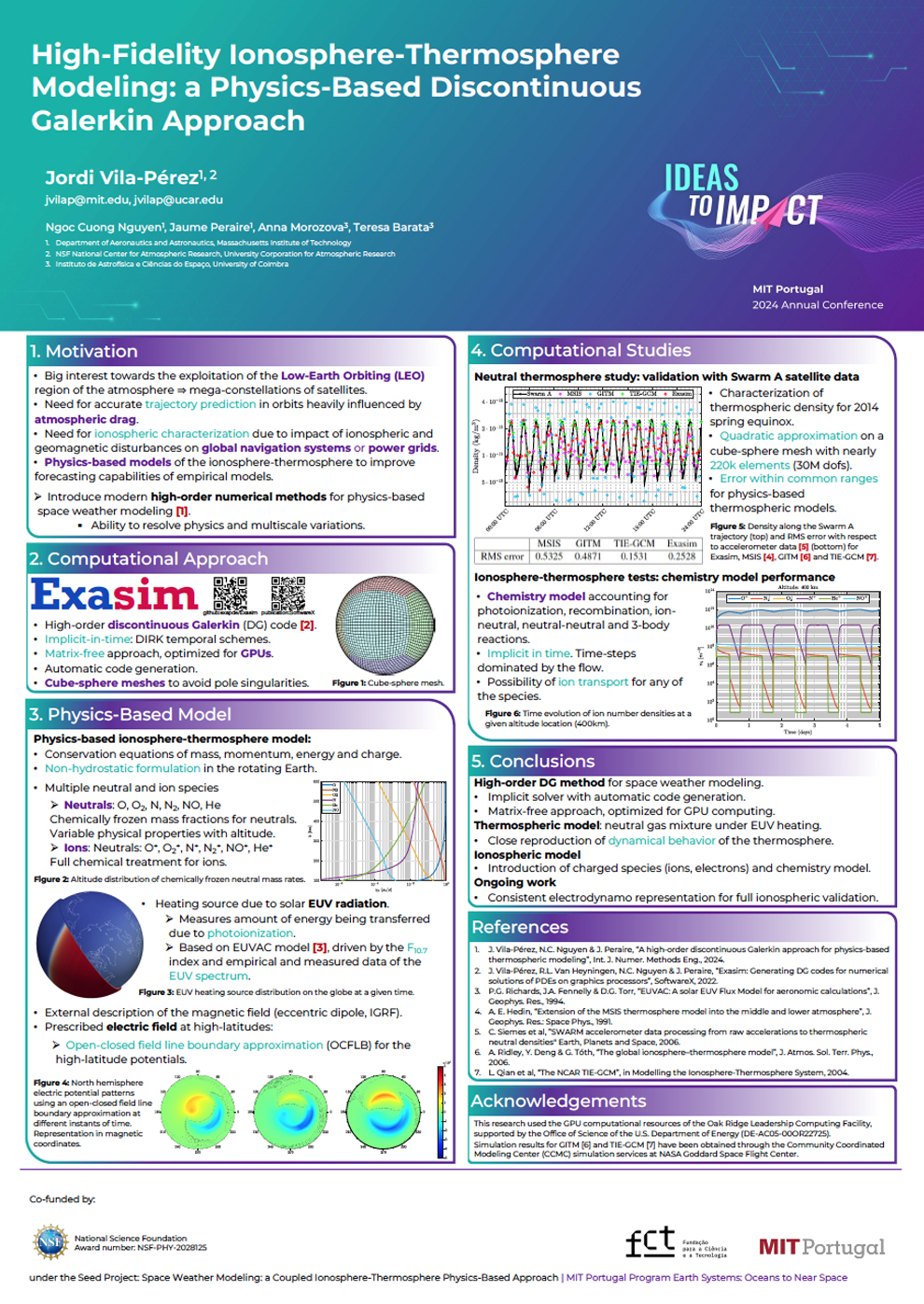
This project aims to develop an open-source physics-based model of the ionosphere-thermosphere
system in order to enable real-time forecasting of neutral and charged particle densities, which is critical for predicting atmospheric drag and modeling radio signal propagation for low-Earth orbit satellite operations. The proposed model builds upon MIT’s physics-based model of the neutral thermosphere by incorporating charged particles and complex chemical reactions of various species.
The Instituto de Astrofísica e Ciências do Espaço will collaborate on this project to provide valuable validation data and complementary expertise in space physics. The approach will be validated using observational data as well as experimental data from satellite measurements and GNSS receivers under different space weather conditions. The project’s objective is to provide a reliable and efficient
solution to the challenges faced by low-Earth orbit satellite operators, particularly the unpredictability of solar activity that drives highly variable space weather.
MIT PIs
Jaime Peraire, Assistant Professor,Department of Aeronautics and Astronautics
MIT Co-PIs
Jordi Vila-Perez, Department of Aeronautics and Astronautics, Postdoctoral Associate
Ngoc-Cuong Nguyen, Department of Aeronautics and Astronautics, Principal Research Scientist
PT PIs
Anna Morozova, Inst. de Astrofísica, U. of Coimbra, Researcher
Teresa Barata, Inst. de Astrofísica, U. of Coimbra, Researcher
Calls: 2023 Call for Seed Grant Proposals
Research Areas: Earth Systems: Oceans to Near Space
Proposed activities to extract vast critical mineral resources from the deep seabed, mostly in international waters, will generate sediment plumes whose impact on the marine environment is currently unclear. The size and settling velocity distributions of the suspended sediment are crucial parameters that govern the plume dynamics and extent, and in situ measurements of these parameters is essential due to the fragile and cohesive nature of marine sediment. The ENDLab research group at MIT has recently developed and tested a Real-Time Size and Settling Velocity (RTSSV) sensor for in situ measurements of sediment morphology and settling velocity distribution at abyssal depths. For this project, the MIT team will collaborate with the newly formed EU-funded TRIDENT program, which is being coordinated by INESC TEC. The objective is to develop and integrate the RTSSV with novel sensing platforms being developed by TRIDENT for real-time environmental monitoring.
MIT PIs
Thomas Peacock, Professor, Department of Mechanical Engineering
PT PIs
Eduardo Silva, Professor, INESC TEC
Calls: 2024 Call for Seed Grant Proposals
Research Areas: Earth Systems: Oceans to Near Space
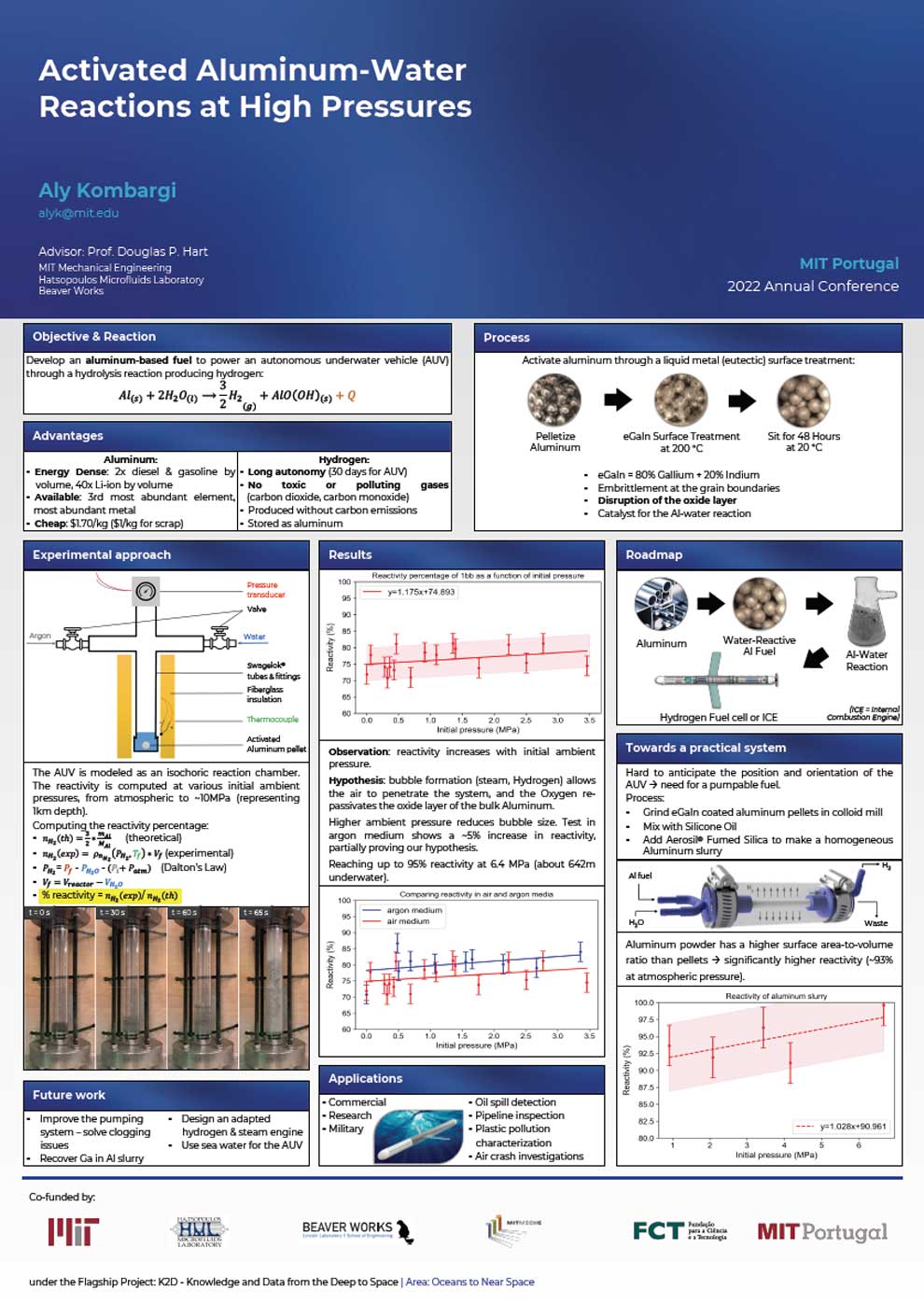
Long endurance autonomous ocean monitoring systems such as profiling floats and ocean gliders, which can measure at multiple depths, use buoyancy engines to drive them. These engines are typically based on changes in flotation volume driven by hydraulic pumps which are, in turn, powered by lithium batteries. These systems are highly efficient but are severely limited by the storage capacity of the batteries. Because of this, ocean monitoring systems often require surface support ships costing upwards of $75,000/day. The costs of these ships are so prohibitive that many ocean monitoring systems, though very expensive themselves, are often designed to be disposable as it is cheaper to send them on one-way missions rather than try to recover them. Thus, even small improvements in operational life of these systems have an enormous impact on our ability to monitor the ocean.
The current proposal aims to extend typical operational life by a factor of three by developing a new type of buoyancy engine that relies on an extremely dense aluminum-based energy storage method developed here at MIT.
MIT PI
Douglas P. Hart, Professor, Department of Mechanical Engineering
PT PI
Joao Sousa Tasso, FEUP UPorto EU Horizon program funded research, Diversea project and Center for Atlantic Operations, Portuguese Recovery and Resilience Funds
Calls: 2024 @PT Call for Exploratory Proposals
Research Areas: Earth Systems: Oceans to Near Space
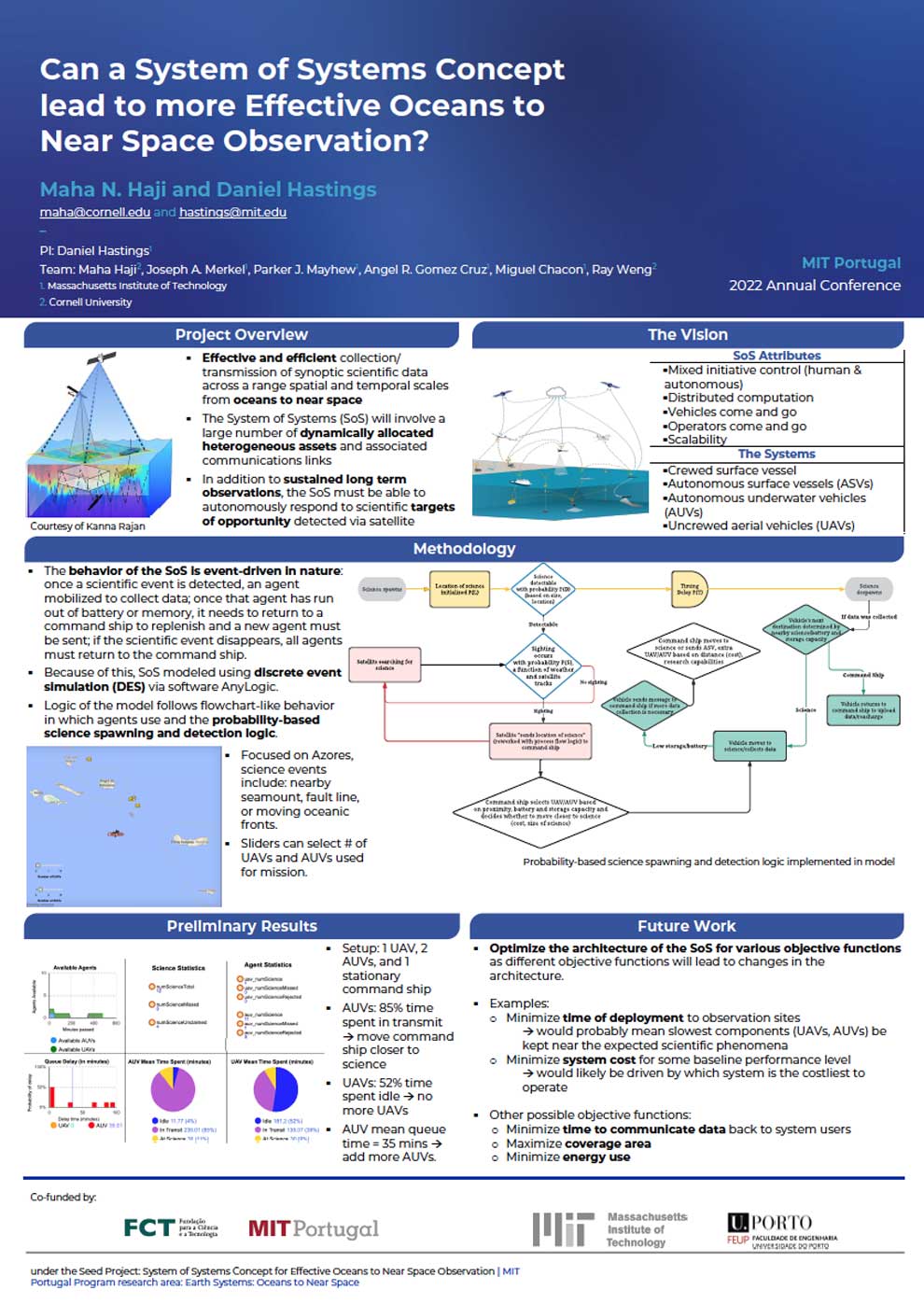
The ocean plays a pivotal role in the blue economy. However, the increasing intensity of economic activities exerts significant pressure on the marine environment, thereby threatening ocean health. Sustaining ocean health requires advanced observation systems capable of delivering persistent, wide-area monitoring. Autonomous surface vehicles (ASVs) provide a promising solution; however, single ASVs face limitations in endurance, communication, and data storage. Multi-ASV systems can overcome these barriers, but coordinating their operations poses significant challenges due to underactuated dynamics, poor manoeuvrability, and the risk of collision in confined or dynamic ocean environments.
This project proposes the development of a distributed intelligent ocean monitoring system using multi-ASVs, with the long-term goal of enabling efficient and adaptive ocean observation. In collaboration with Dr. Michael Benjamin at MIT, the study focuses on creating an onboard distributed decision-making framework for optimal path planning. The system will employ multi-objective optimisation methods to ensure complete coverage of designated areas while avoiding collisions and accounting for the kinematic constraints of ASVs. Three custom-built ASVs at CENTEC and eight Heron ASVs at MIT will be deployed to conduct preliminary experimental tests, validating the proposed approach through evaluation of coverage efficiency and real-time navigation performance.
The project outcomes are expected to provide a cost-effective, scalable, and intelligent solution for sustainable ocean observation, with broader benefits for periodic monitoring and offshore inspection. By advancing distributed autonomy in multi-ASV systems, the project directly contributes to the development of measurement technologies aligned with Earth systems research priorities, particularly in ocean monitoring.
PT PIs
Haitong Xu, Centre for Marine Technology and Ocean Engineering (CENTEC), Instituto Superior Técnico
MIT PIs
Michael Benjamin, Center for Ocean Engineering, Department of Mechanical Engineering, MIT
Calls: 2025 Call for Seed Grant Proposals
Research Areas: Earth Systems: Oceans to Near Space
Climate is changing. As Earth warms, the oceans are projected to lose dissolved oxygen, with countless impacts on the distribution and productivity of global fisheries, the rates of respiration that governs natural carbon sequestration, and the flux of the potent greenhouse gas nitrous oxide from the oceans. Yet, the driving mechanisms escape science, preventing accurate climate predictions and precluding a scientific basis for maintaining robust fishery and conservation policy. Here we present a new mechanism for not only revealing the natural cycles and anthropogenic perturbation of oxygen in the ocean but also for monitoring into the future. We intend to deploy a prototype electronic tag that can measure dissolved oxygen, developed by our Portuguese collaborators, to monitor the ocean environment using sharks as ocean observing platforms. These novel measurements are critical for constructing a dynamic view of ocean change and making predictions for both fisheries management and climate change mitigation.
MIT PI
Andrew Babbin, Associate Professor, Department of Earth, Atmospheric & Planetary Sciences
PT PI
Dr. Nuno Queiroz, Principal Researcher Research Centre in Biodiversity and Genetic Resources and the Universidade do Porto
Calls: 2025 Call for Seed Grant Proposals
Research Areas: Earth Systems: Oceans to Near Space
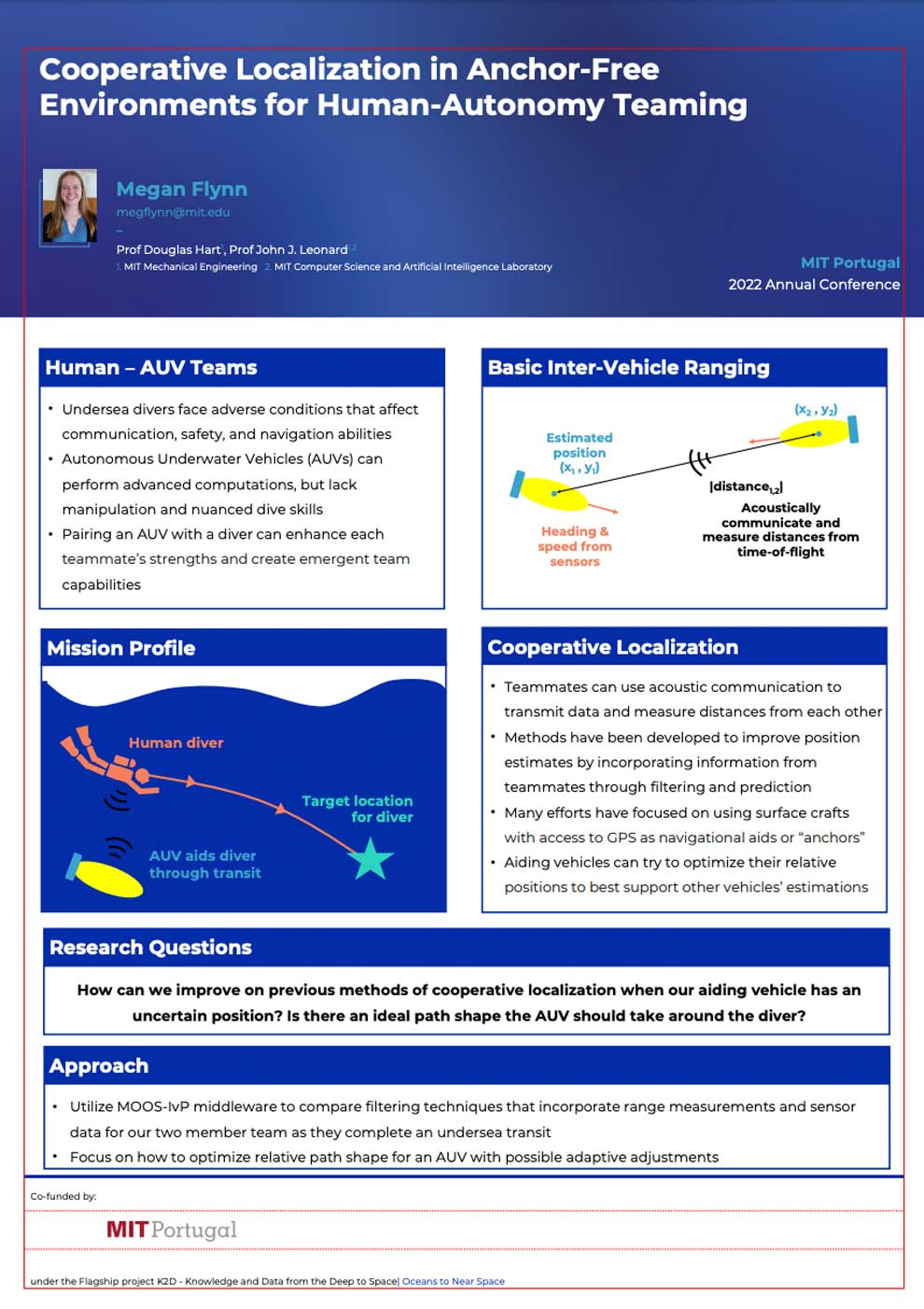
In this project we proposed to develop algorithms and software for coordinated path planning of multi-robot marine robotic platforms. The goal of this work is to enable effective deployments of large numbers of vehicles, both at the surface and underwater, with very little need for operator control. The new algorithms will leverage MIT’s unique software libraries for multi-objective optimization and decentralized decision-making available in MIT’s online moos-ivp.org open-source project. The initial phase of this project will focus on collaborative surface vehicle autonomy, and the second phase will focus on nested swarm clusters of both surface and underwater vehicles. The end-of-project target experiment is deployment of surface and underwater vehicles in Pico Straight in Horta Portugal. MIT will validate Year 1 algorithms in its 100-node sim cluster and using 10 unmanned surface vehicles at the MIT Marine Autonomy Lab on the Charles River. Prof. Haitong Xu from Instituto Superior Técnico, University of Lisbon, will develop complementary algorithms and visit MIT lab for the Spring Semester 2026, co-testing autonomy capabilities.
MIT PI
Michael Benjamin, Principal Research Scientist, Department of Mechanical Engineering
PT PI
Prof. Haitong Xu, Instituto Superior Técnico, University of Lisbon
Prof. Carlos Guedes Soares, Instituto Superior Técnico, University of Lisbon
Ana Filipa Duarte

Andry Castro
PhD Student
Beatriz Biguino
PhD Student

Camila Penso
PhD Student
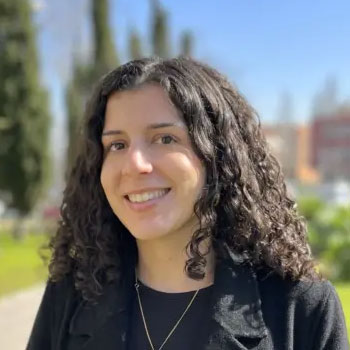
Catarina Santos
PhD Student

Erany Constantino
PhD Student
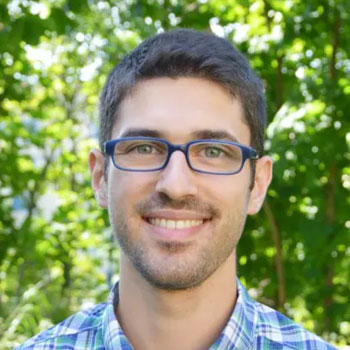
Gil Serrano
PhD Student
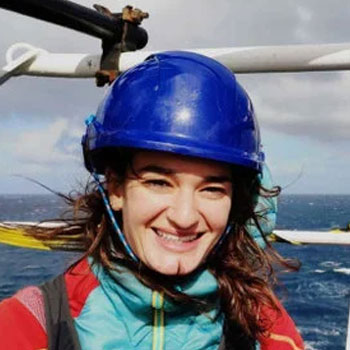
Giulia Sent
PhD Student
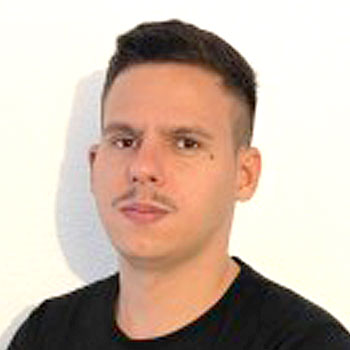
Glauco Nobrega
PhD Student

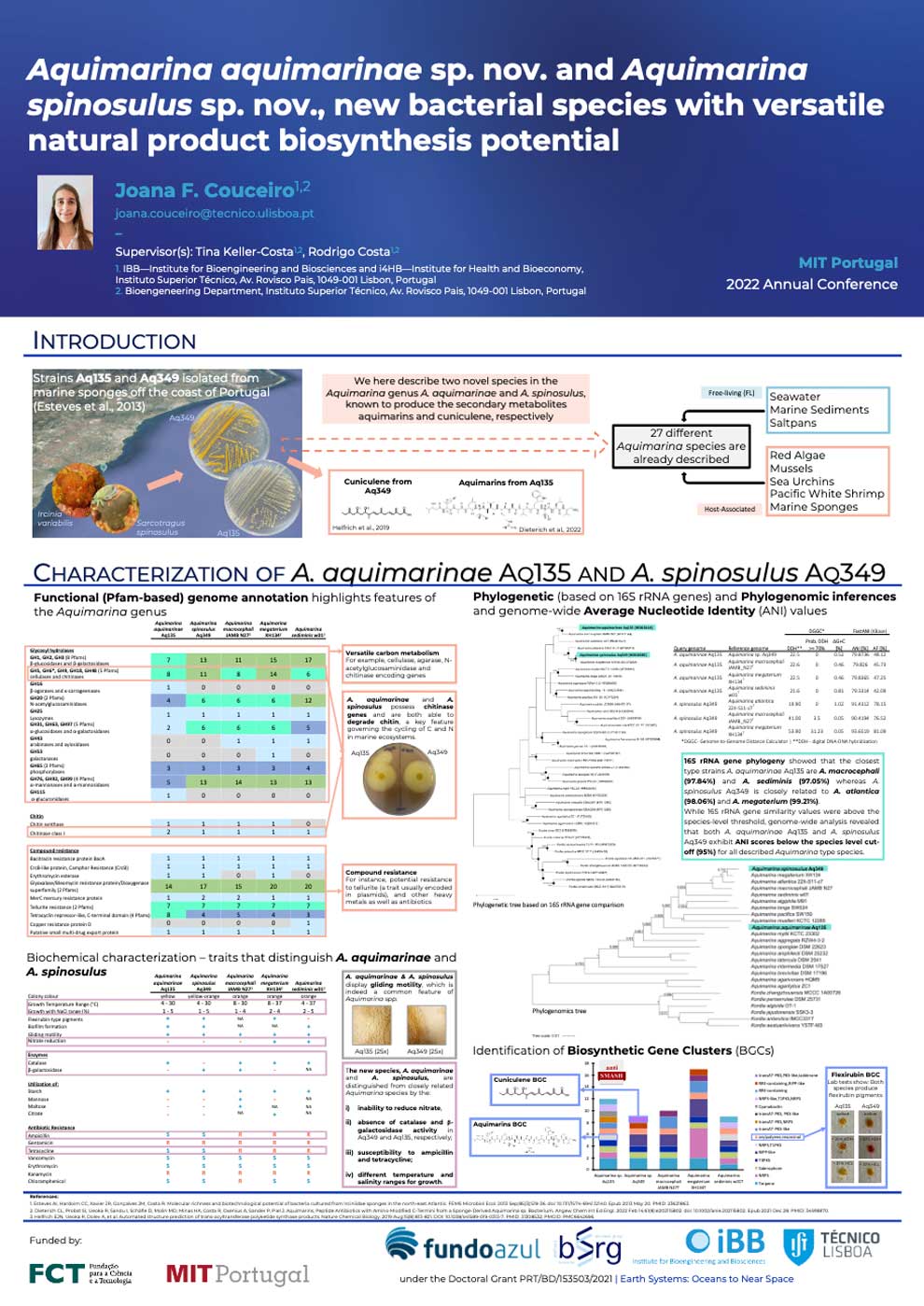
Joana Couceiro
PhD Student

João Fonseca
PhD Student
João Rocha
PhD Student

Leandro Madureira
PhD Student

Matilde Marques
PhD Student
Miguel Fernandes
PhD Student
Raquel Fernandes
PhD Student
Rita Dantas
PhD Student
Rita Pombo
PhD Student
Sara Aparício
PhD Student
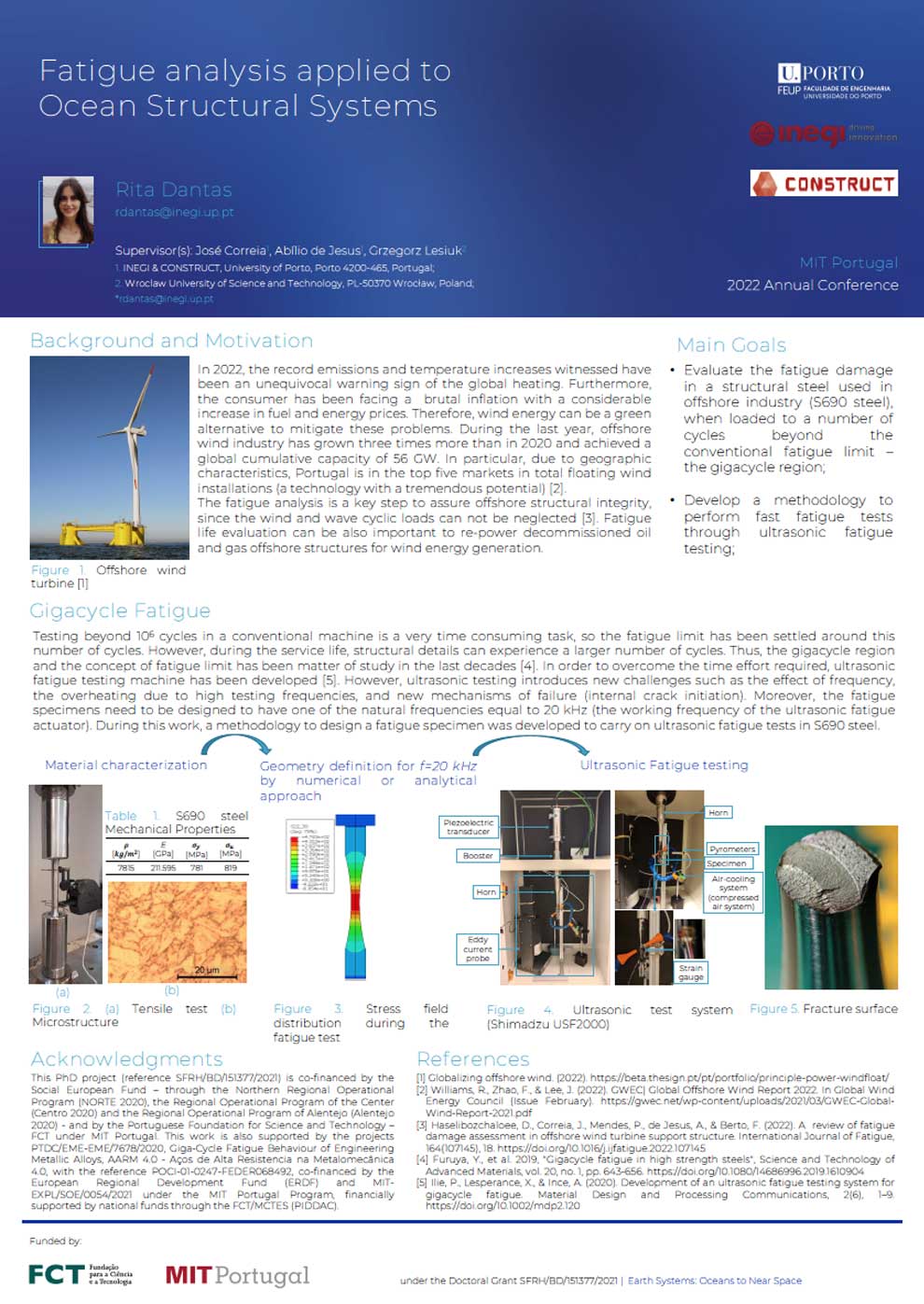
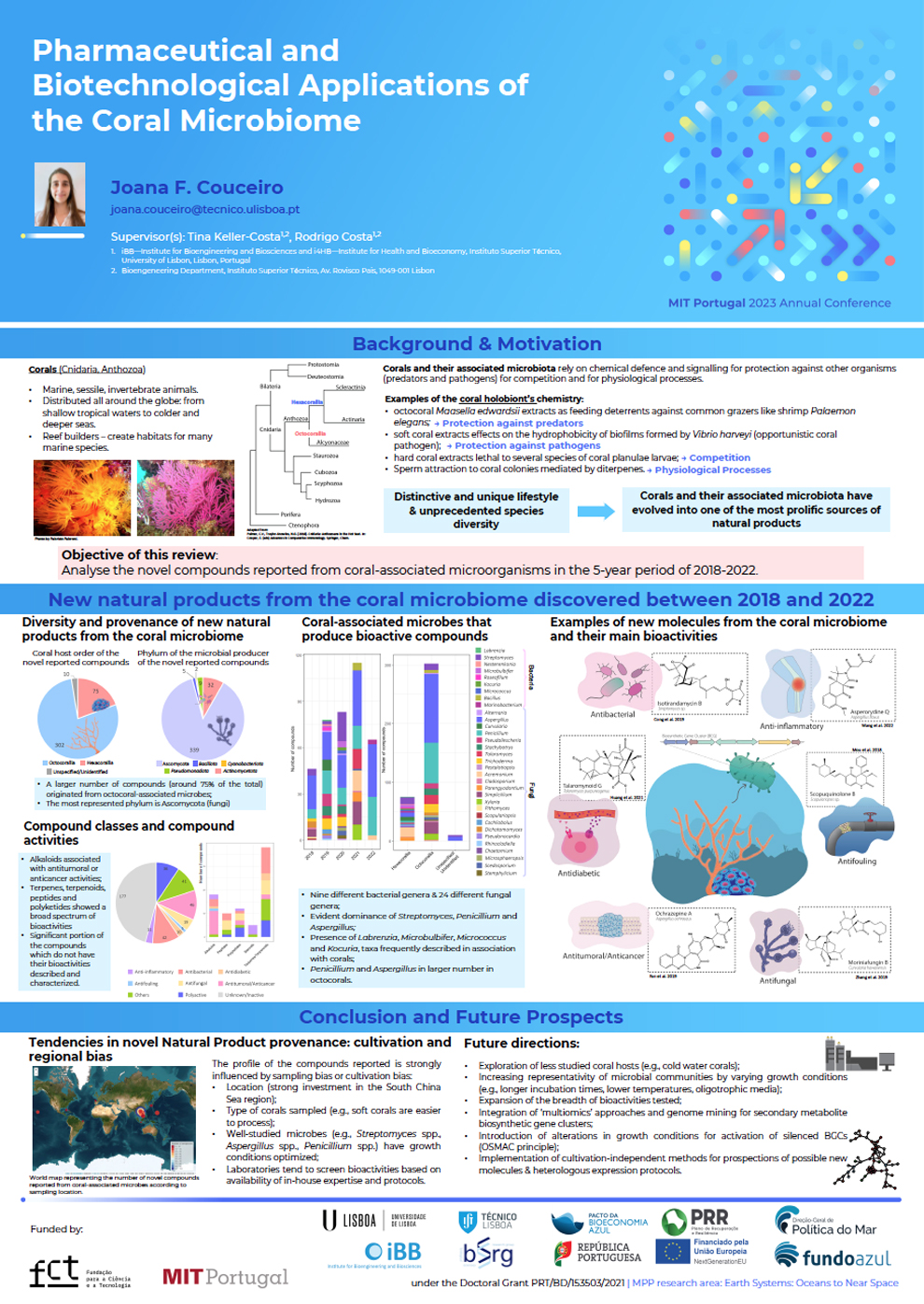
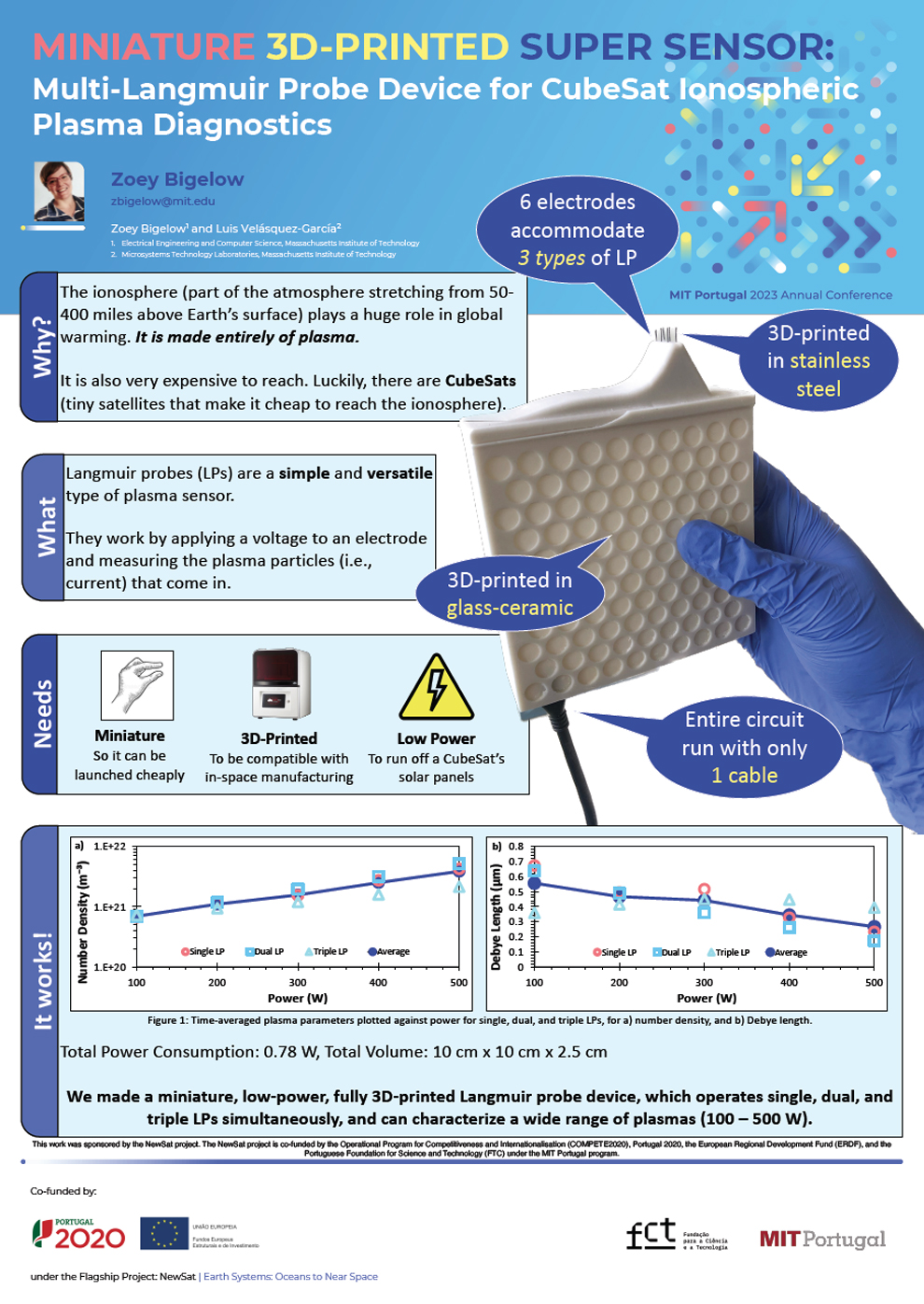
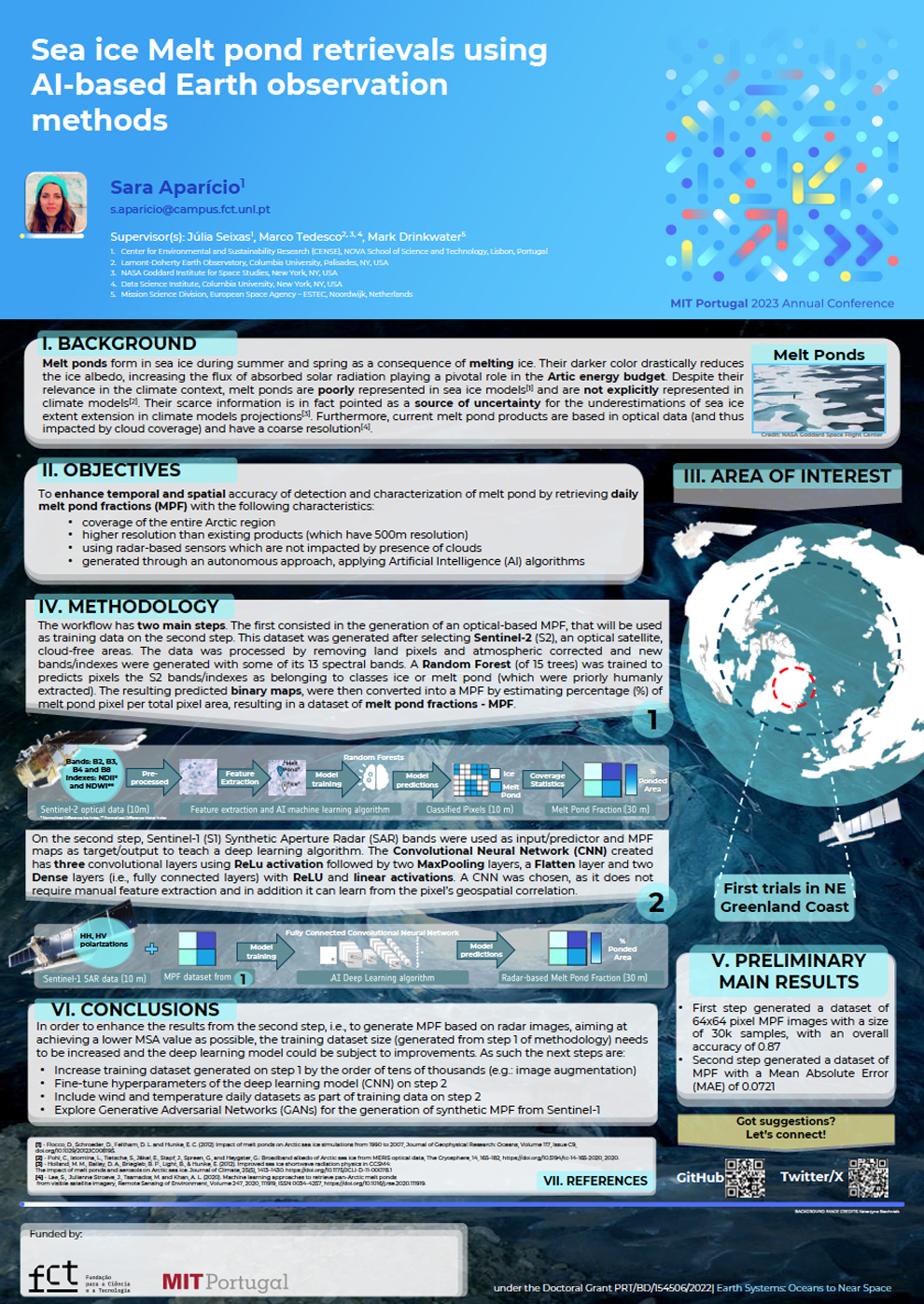
November 5, 2024
The method could help communities visualize and prepare for approaching storms.
May 27, 2024
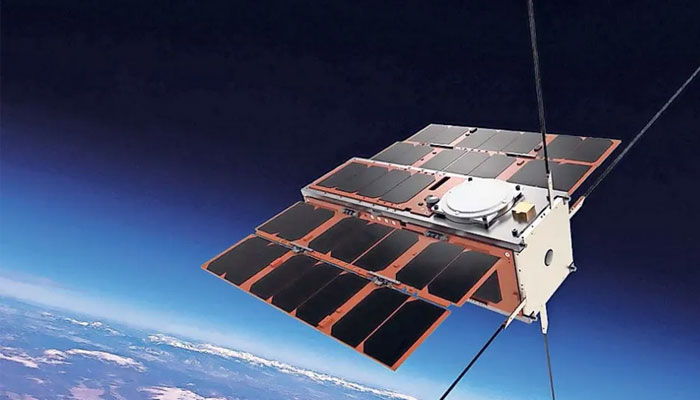
Four years of intensive research and technological development resulted in the second-ever Portuguese satellite launched into space, the AEROS-MH1, 30 years after the first satellite.

August 3, 2026
Melt it, spin it, use it again. This new recyclable yarn is as strong and stretchy as spandex-based yarns.